
Best Places to Visit in New Zealand: Epic Explorer Guide
Choosing the best places to visit in New Zealand depends on the kind of journey you want to build. Do you picture volcanic landscapes, Māori culture, mountain roads, quiet beaches, lively cities, or long days outdoors? New Zealand rewards travelers who leave room for all of those experiences, but its size and varied geography mean a rushed itinerary can turn a beautiful trip into a sequence of long transfers.
This guide focuses on eleven destinations and regions that make strong additions to an independent New Zealand itinerary. I’ve included famous bases, quieter alternatives, outdoor highlights, and places where solo travelers can connect with other people. Before booking, check current transport, road conditions, attraction access, weather, seasonal closures, and local guidance for your travel dates.
Table of Contents
What are the best places to visit in New Zealand?
The best places to visit in New Zealand include Auckland, Rotorua, Wellington, the Coromandel Peninsula, Abel Tasman National Park, Christchurch, Queenstown, Fiordland, Wanaka, the West Coast, and Dunedin with the Otago Peninsula.
These destinations offer very different experiences. The North Island is especially appealing for cities, geothermal landscapes, beaches, and living Māori culture, while the South Island is a natural choice for mountains, lakes, national parks, and scenic road trips. You don’t need to cover both islands to have a rewarding holiday. Choosing one region and exploring it properly often creates a more relaxed and affordable trip.
If you’re comparing New Zealand with other long-haul destinations, our guide to the best places to visit in Ireland offers another perspective on planning scenic routes, coastal stops, and smaller regional bases without overloading your schedule.
Auckland: the easiest urban starting point
Auckland is one of the best places to visit in New Zealand for travelers who want a practical city base, harbors, volcanic viewpoints, diverse food, museums, and access to nearby islands and beaches.

I’d treat Auckland as more than a place to collect a rental car or recover from a flight. Spend time exploring neighborhoods, waterfront areas, markets, galleries, and local food businesses. The city is spread out, so group activities by area instead of crossing it repeatedly. A slow first day can also help you adjust before beginning a longer road trip.
Auckland works well for different travel styles. Solo travelers can join walking tours, food experiences, or harbor activities, while budget-conscious visitors can balance paid attractions with parks, viewpoints, and neighborhood walks. Check current ferry, event, and attraction details before planning an island or coastal excursion.
Rotorua: geothermal landscapes and Māori culture
Rotorua is one of the best places to visit in New Zealand when you want geothermal scenery, forest walks, adventure activities, and opportunities to learn about Māori culture.

The region’s volcanic character gives it a distinctive atmosphere, with steaming ground, bubbling pools, and changing landscapes. Follow marked paths and local guidance around geothermal areas, and check current access conditions before visiting. These environments are fragile and can also involve hazards that should never be ignored.
Rotorua is also a place to approach cultural experiences thoughtfully. Look for providers that explain the meaning and context of what you’re seeing rather than presenting Māori culture as a performance without connection to living communities. A cultural meal, storytelling experience, or guided visit can be a meaningful way to learn, especially when you arrive with curiosity and respect.
There’s plenty of adventure here too, including cycling, rafting, forest activities, and lake-based experiences depending on current local operations. Compare the route, equipment, conditions, and suitability for your experience before booking.
Wellington: compact, creative, and full of character
Wellington is one of the best places to visit in New Zealand for travelers who enjoy museums, independent cafés, creative neighborhoods, live events, and a city that is easy to explore at walking pace.

The capital’s compact center makes it a comfortable base for a few days. Spend time in museums and galleries, wander through laneways, explore the waterfront, and leave space for a good meal or an evening performance. Wellington is particularly useful when the weather changes because you can shift between indoor culture and outdoor viewpoints without abandoning the entire day.
Film fans, food lovers, and travelers interested in New Zealand’s history will find plenty to investigate. I’d avoid filling every hour with formal attractions. Choose one main cultural stop, then explore nearby streets and businesses. That balance gives you a stronger sense of how the city feels beyond its headline sights.
Wellington can also be a social stop on a solo itinerary. Hostels, walking tours, shared food experiences, and live events make it possible to meet people naturally, while the city’s cafés and waterfront provide plenty of independent time.
The Coromandel Peninsula: beaches, forests, and slower days
The Coromandel Peninsula is one of the best places to visit in New Zealand when you want coastal scenery, forest walks, small-town atmosphere, and a break from large-city travel.
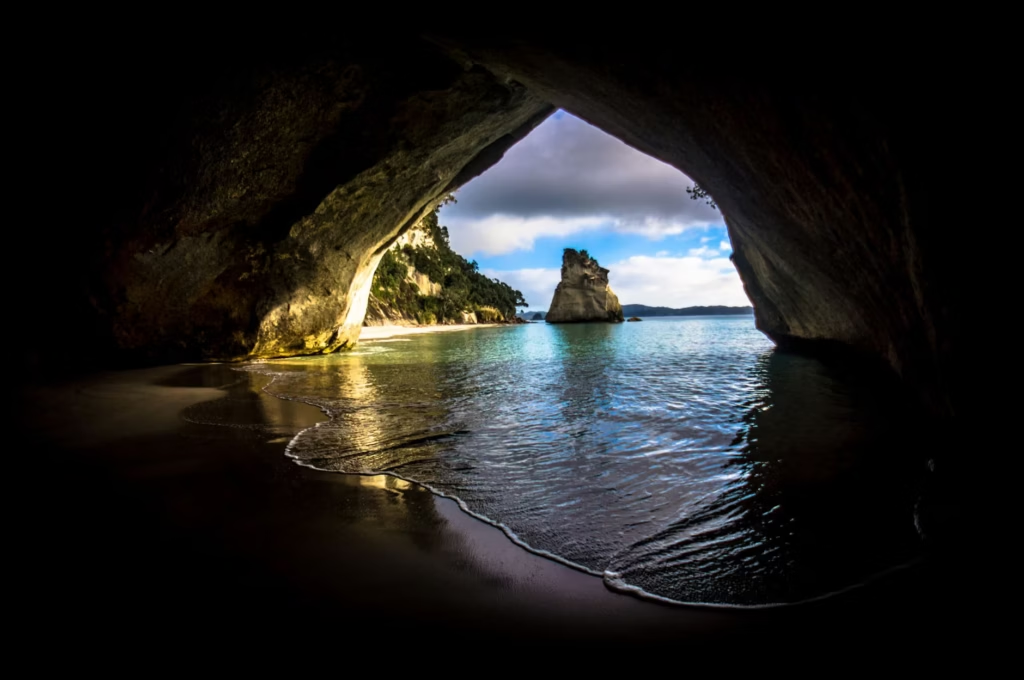
This region suits travelers who prefer a flexible itinerary. Choose a base, check current road and track conditions, and allow time for beaches, short walks, viewpoints, and relaxed meals. The roads can be winding, and weather can affect access, so avoid packing too many distant stops into one day.
The Coromandel is especially attractive for travelers who want outdoor experiences without committing to a demanding multi-day hike. Still, check the specific conditions for each walk and carry suitable footwear, water, sun protection, and rain layers. A beach or forest plan should always have a practical alternative when conditions change.
Accommodation availability can be more limited in smaller communities, particularly during high-demand periods. Book the base that matches your route and budget, but don’t choose a remote location without checking food, fuel, transport, and communication options first.
Abel Tasman National Park: coastlines at walking pace
Abel Tasman National Park is one of the best places to visit in New Zealand for travelers who want coastal walks, clear water, native forest, kayaking, and a slower outdoor itinerary.
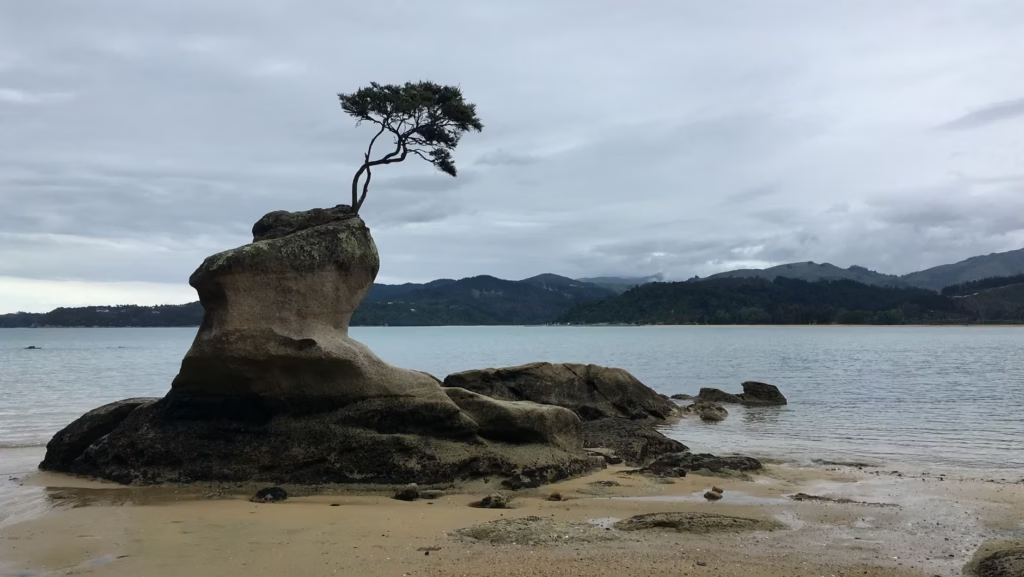
You can experience the park through a longer walk, a shorter section, a water-based excursion, or a combination of transport options, depending on current access and your plans. Check track conditions, tide information where relevant, transport arrangements, weather, and booking requirements before setting out.
The park rewards travelers who resist the urge to see everything in one day. Pick a section that matches your fitness and time, pack food and water, and leave enough margin for delays. A guided activity can be helpful for solo travelers because it adds local knowledge and creates an easy opportunity to meet others.
Respect the park by staying on appropriate tracks, carrying out rubbish, and following local conservation guidance. Outdoor destinations are not simply scenery; they are living environments that require care from every visitor.
Christchurch: a useful South Island gateway
Christchurch is one of the best places to visit in New Zealand for travelers who want a practical South Island base, gardens, galleries, food, and access to different landscapes.
The city is a good place to pause before or after a road trip. Explore its central neighborhoods, look for creative projects and local businesses, and make time for a relaxed meal rather than treating the city as a transfer point. Christchurch also gives you a chance to organize supplies and confirm transport before heading toward the mountains, coast, or national parks.
When planning excursions, check whether a day trip genuinely fits your schedule. The South Island can look compact on a map, but mountain roads, weather, stops, and changing conditions affect journey times. I’d rather use Christchurch as a comfortable base than create a stressful itinerary that spends most of the day in a vehicle.
If you enjoy city breaks with strong historical and cultural character, our guide to things to do in Edinburgh offers useful inspiration for comparing compact urban destinations before or after a New Zealand adventure.
Queenstown: adventure with a social atmosphere
Queenstown is one of the best places to visit in New Zealand for travelers who want mountain scenery, lake views, adventure activities, lively evenings, and an easy base for meeting other visitors.
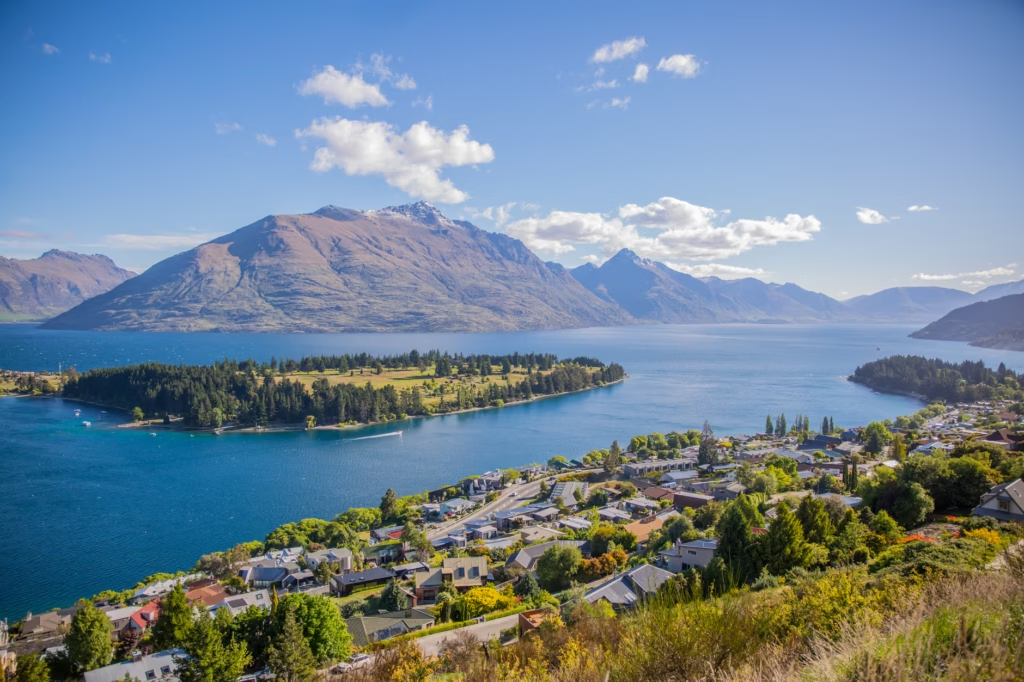
The town is strongly associated with outdoor adventure, but you don’t need to book an extreme activity to enjoy it. Scenic walks, viewpoints, lake time, cafés, and nearby day trips can fill a rewarding itinerary. If you do choose an activity, compare the operator, conditions, equipment, experience requirements, cancellation policy, and transport arrangements carefully.
Queenstown can be expensive compared with quieter destinations, so plan your activity budget before arriving. Choose one or two paid experiences that matter most, then fill the rest of the trip with free outdoor time, self-guided walks, supermarket meals, and relaxed exploration.
It’s a natural social base for solo travelers. Hostels, group excursions, shared kitchens, and adventure activities create plenty of openings for conversation. At the same time, the town’s popularity means it may not suit travelers seeking complete quiet or a low-demand atmosphere.
Fiordland and Milford Sound: a landscape-focused escape
Fiordland is one of the best places to visit in New Zealand for travelers drawn to deep waterways, mountains, rainforest, remote-feeling roads, and some of the country’s most powerful landscapes.

Milford Sound is the best-known destination in the region, but the wider area deserves careful planning rather than a rushed viewpoint stop. Check current road conditions, weather, transport, visitor arrangements, and activity availability for your dates. Rain can transform the landscape, while poor conditions can affect access and visibility.
Organized excursions can simplify logistics, particularly if you’re not driving or want local commentary. Independent travel offers more flexibility, but you need to plan fuel, food, rest, communications, and return arrangements. Avoid assuming that a route is easy simply because many people visit it.
Fiordland works best when you allow time for quiet observation. Pack layers and rain protection, follow conservation guidance, and avoid scheduling a demanding walk immediately before a long transfer. The region deserves your attention, not just a quick photograph.
Wanaka: a calmer mountain base
Wanaka is one of the best places to visit in New Zealand for travelers who want mountain scenery, lake time, hiking, cycling, and a slower alternative to Queenstown.
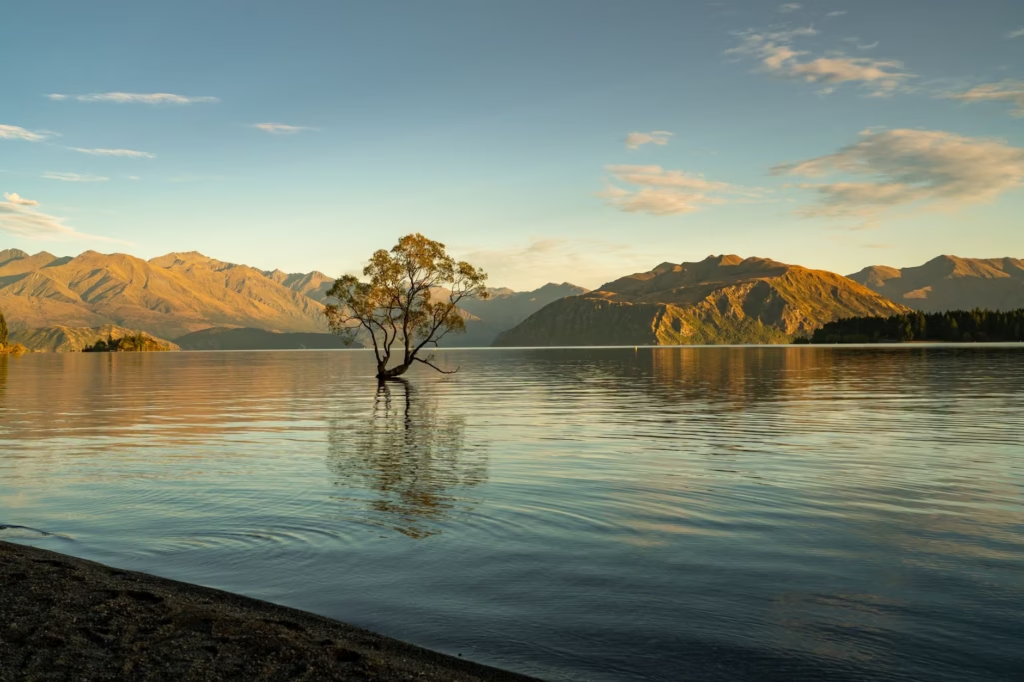
The town makes a strong base for outdoor days, but choose walks and activities according to current conditions and your experience. Mountain weather can change quickly, and a route that looks manageable from town may require proper preparation. Check local guidance, trail conditions, weather, and daylight before setting out.
Wanaka is also a good place to build rest into an active itinerary. Enjoy a lakeside morning, browse local food businesses, or take a short walk before committing to a longer adventure. Solo travelers may find guided hikes, cycling activities, and shared accommodation useful for meeting people without sacrificing independence.
As with Queenstown, accommodation and activities can put pressure on a budget. Compare bases carefully and consider whether you need a central location, kitchen access, equipment storage, or transport connections for your plans.
The West Coast: road-trip scenery and wild weather
New Zealand’s West Coast is one of the best places to visit in New Zealand for travelers who enjoy long scenic drives, rainforest, glaciers, rugged shorelines, small settlements, and a sense of space.
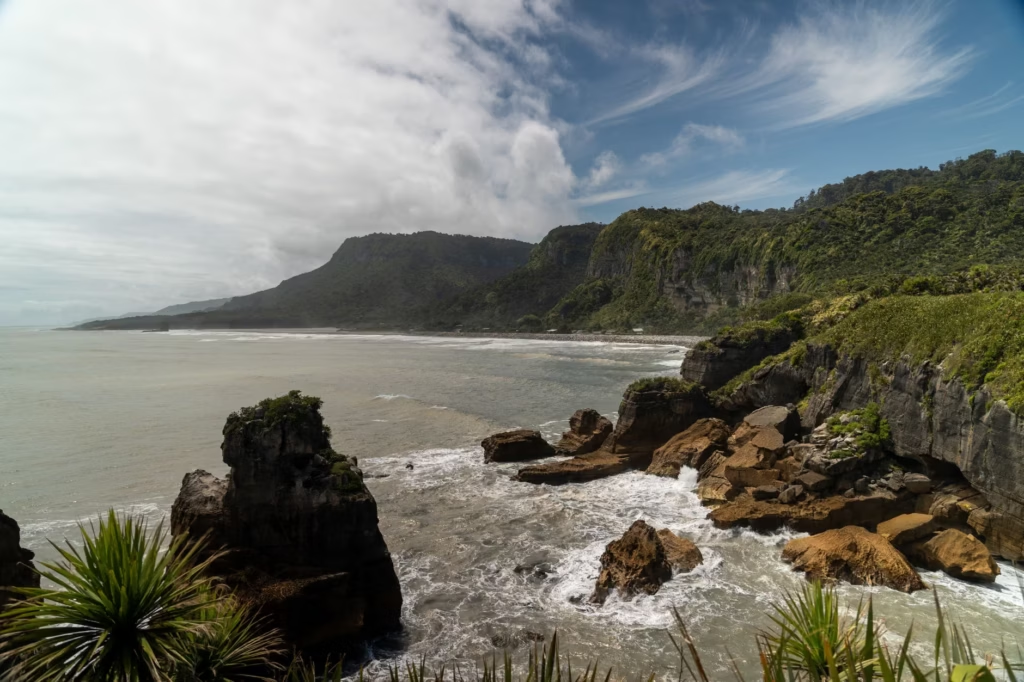
This is a region for patient road trips. Distances may look straightforward, but winding roads, weather, roadworks, and scenic stops can change your schedule. Check current conditions before leaving, keep fuel and food plans realistic, and avoid planning a long drive after a demanding outdoor activity.
The West Coast rewards travelers who pay attention to smaller places along the route. Stop where it is appropriate, support local cafés and businesses, and allow time for walks that match the current conditions. The landscape can feel dramatic even when you aren’t visiting a headline attraction.
It may not suit travelers who want constant nightlife, dense public transport, or a packed list of activities. That’s precisely why it appeals to independent explorers. Choose a base that fits your route and accept that some days will be shaped more by weather than by your original plan.
Dunedin and the Otago Peninsula: wildlife and local identity
Dunedin and the Otago Peninsula are among the best places to visit in New Zealand for travelers who want heritage architecture, student-city energy, coastal roads, wildlife experiences, and a destination with a distinct local identity.

Dunedin is a rewarding city to explore slowly. Look for independent cafés, historic buildings, galleries, music, and neighborhoods beyond the central visitor route. The city’s atmosphere feels different from Auckland, Wellington, and Christchurch, making it a useful addition to a South Island itinerary.
The Otago Peninsula adds beaches, cliffs, and wildlife-focused activities. Choose responsible operators that explain how visitors should behave around animals and follow all local instructions. Wildlife encounters depend on conditions and timing, so don’t treat a sighting as guaranteed.
For a wider family-planning perspective, our guide to where to travel with family has useful advice about choosing activities around different energy levels, building flexible days, and avoiding an itinerary that works only on paper.
How can you plan a New Zealand trip on a budget?
You can make New Zealand more manageable by choosing fewer bases, using accommodation with kitchen access, mixing free outdoor experiences with selected paid activities, and planning transport before you arrive.
- Choose one island or region. A focused route reduces transfers and gives you more time outdoors.
- Compare accommodation by location. A cheaper room far from food, transport, or activities may cost more overall.
- Protect your activity budget. Pick the experiences you genuinely care about instead of booking every available excursion.
- Plan road-trip costs. Include fuel, parking, vehicle insurance, equipment, and occasional rest days when comparing options.
- Use supermarkets and local bakeries. Simple meals can balance the cost of restaurant dinners and adventure activities.
Traveling by car or campervan can offer flexibility, but it also brings responsibilities and costs. Check current road rules, parking guidance, camping regulations, weather, and vehicle conditions. Public transport, coaches, domestic flights, or small-group tours may suit some routes better than driving every kilometer.
How can solo travelers meet people in New Zealand?
Solo travelers can meet people in New Zealand through hostels, shared kitchens, walking tours, guided hikes, adventure activities, food experiences, and group transport.
I’d book one social activity near the beginning of a trip, then use the conversations and recommendations from that experience to shape the next few days. You don’t need company constantly. A balanced solo itinerary can include a group hike, a quiet lake walk, a shared dinner, and an independent museum visit.
Choose accommodation based on more than price. Shared areas, organized activities, location, kitchen access, and transport connections can all affect how easy it is to meet people and manage your budget. If you’re heading into remote areas, share your broad route with someone you trust and prepare properly for changing conditions.
What should you do next?
Start by choosing your main travel style. Do you want cities and culture, a mountain road trip, geothermal landscapes, beaches, wildlife, or several days of hiking? Then choose two or three bases that support that goal instead of trying to include every famous destination.
A first itinerary might combine Auckland and Rotorua on the North Island, or Christchurch, Wanaka, and Queenstown on the South Island. A slower trip could focus on the Coromandel, Wellington, or the West Coast. Check current transport, road conditions, weather, accommodation, and attraction access before paying for nonrefundable plans.
If you’re comparing destinations across the United Kingdom before a longer trip, our guide to the best cities in the UK can help you contrast compact city breaks with New Zealand’s more spacious, landscape-led travel style.
The best places to visit in New Zealand aren’t only the destinations with the most famous names. They’re the places that match your pace and leave enough room for local food, changing weather, unexpected conversations, and the quiet moments between major stops. Choose a realistic route, stay curious, and let the landscape set the rhythm of the journey.





2 Comments