
15 Best Things to Do in Morocco for a Memorable Trip
Morocco rewards travelers who leave room for variety. In one trip, you can walk through a centuries old medina, eat dinner in a family run restaurant, hike among Atlas peaks, and sleep beneath a remarkably clear desert sky. This guide to things to do in Morocco brings together the major sights, outdoor activities, food experiences, and practical choices that make planning easier for a first visit.
The country is larger than many visitors expect, so your route matters. Marrakech, Fez, Chefchaouen, the coast, and the Sahara each offer a different travel experience. You do not need to visit every destination to have a rewarding trip. Choose a manageable route, allow time for slow mornings, and book your longer transfers with care.
Table of Contents
Quick planning guide for Morocco
- Best first trip length: Ten days gives you enough time for two major cities, the Atlas region, and a desert stay without rushing every day.
- Best seasons: Spring and fall usually offer comfortable city temperatures. Summer can be very hot inland, while winter brings cool nights and snow in mountain areas.
- Useful bases: Marrakech works well for souks, palaces, gardens, and day trips. Fez suits travelers interested in history and traditional crafts. Essaouira offers a relaxed coastal break.
- Getting around: Trains connect major northern and central cities. A private driver or organized tour is more practical for the Atlas Mountains and desert route.
- Booking tip: Reserve popular desert camps, riads, and guided city tours ahead of time during spring and fall.
For more seasonal detail, see this guide to the best time to visit Morocco. If you want a ready made route, the 10 day Morocco itinerary covers many of the stops listed below.
15 of the best things to do in Morocco
1. Explore the Marrakech medina
Start in the old city, where narrow lanes lead to spice stalls, leather goods, woven textiles, lanterns, and small food counters. The medina can feel confusing at first, especially near Jemaa el Fna, so a licensed walking guide is useful for your first visit. You will learn how to read the layout, find quieter craft streets, and avoid spending your entire afternoon on the busiest paths.
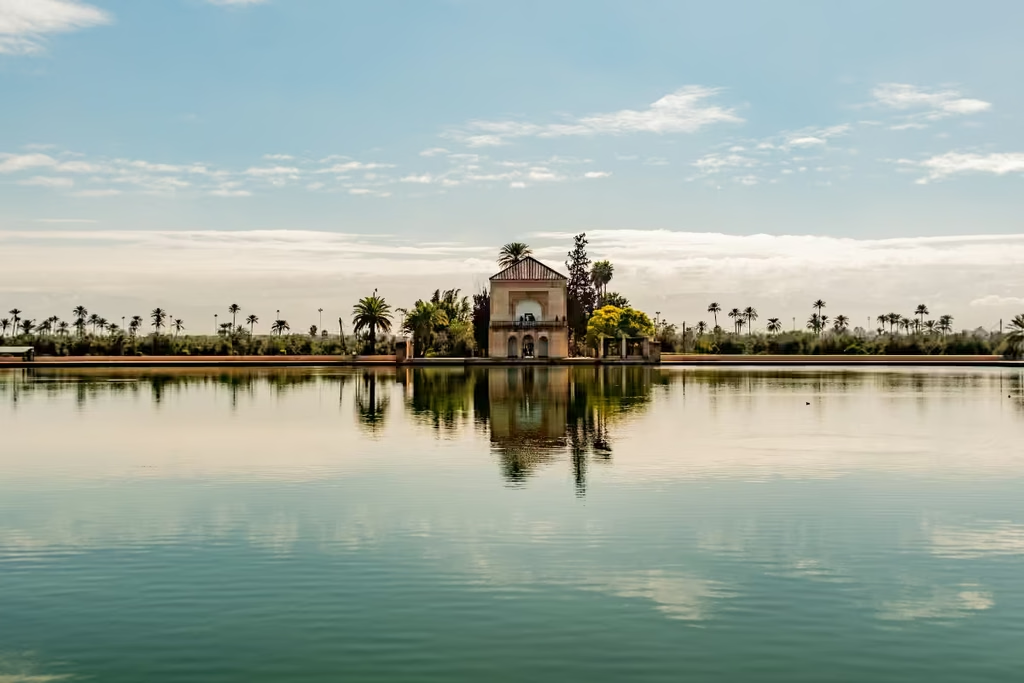
Jemaa el Fna changes character through the day. Visit in the morning for a calmer atmosphere, then return near sunset when food stalls begin serving grilled meats, soups, salads, and fresh juice. Use sensible caution with unofficial animal handlers and ask about prices before accepting food or a service.
2. Visit Bahia Palace and the Saadian Tombs
Bahia Palace contains courtyards, carved cedar ceilings, painted doors, and colorful tilework. Arrive early if you want space to appreciate the rooms before tour groups arrive. Nearby, the Saadian Tombs provide a compact look at the city’s royal history, with detailed decoration inside the mausoleums.
These sites are close enough to combine with the Mellah, the historic Jewish quarter, and a stop at the covered spice market. Wear comfortable shoes because the route involves uneven stone streets.
3. Spend time at Jardin Majorelle
Jardin Majorelle is a carefully designed garden known for its intense blue buildings, palms, cacti, bamboo, and shaded pathways. The area is popular, and timed entry is often the easiest way to avoid a long wait. The Berber Museum inside the garden provides context about Amazigh clothing, jewelry, and household objects.
Do not plan this visit as a quick photo stop. Give yourself at least an hour for the garden and museum, then continue to the nearby Yves Saint Laurent Museum if fashion history interests you.
For a more detailed city plan, use this guide to things to do in Marrakech.
4. Stay in a traditional riad
A riad is a historic house arranged around an interior courtyard. Many now operate as small guesthouses, with tiled floors, rooftop terraces, and breakfasts that may include msemen, bread, olives, fruit, yogurt, and mint tea. The best choice depends on your priorities. A medina riad places you near historic sights, while a hotel in the newer districts offers easier vehicle access and larger rooms.
Before booking, check recent reviews for noise, stair access, heating, air conditioning, and the walking distance from the nearest taxi drop off. You can compare Morocco riads and hotels before choosing your base.
5. Walk through Fez el Bali
Fez el Bali is one of the most rewarding places in Morocco for travelers who enjoy historic neighborhoods. Its lanes pass mosques, tanneries, bakeries, workshops, and courtyards hidden behind plain doors. The medina is large and easy to misread, so hiring a guide through your accommodation can save time and reduce unwanted approaches.
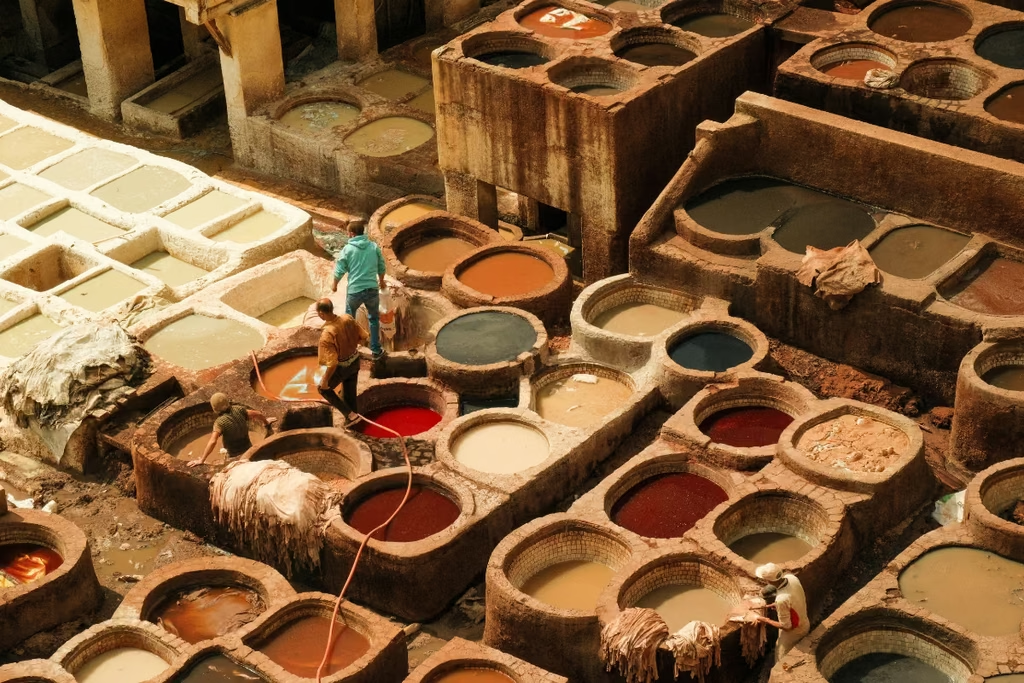
Look for the Bou Inania Madrasa, the Al Attarine Madrasa, Nejjarine Museum of Wooden Arts and Crafts, and the tanneries. Shops near the tanneries often provide a rooftop view, but you are free to leave without buying anything. Ask before taking close photographs of workers.
6. See the blue streets of Chefchaouen
Chefchaouen sits in the Rif Mountains and is known for blue painted walls, steep lanes, and small public squares. The main pleasure is walking without a strict schedule. Visit the Kasbah Museum, sit in Plaza Uta el Hammam, and climb toward the Spanish Mosque for a broad view over the town.

Chefchaouen is quieter than Marrakech, though the central streets can become busy during the day. Stay overnight if you want to see the town early, when the light is softer and shopkeepers are still preparing for the day.
7. Watch the sunset at Ait Benhaddou
Ait Benhaddou is a fortified village, or ksar, along the historic caravan route near Ouarzazate. Its earthen buildings rise above the surrounding landscape and have appeared in several film and television productions. Cross the river by the seasonal footbridge or use the alternate route, then climb slowly toward the upper viewpoint.
Many travelers visit on a long day trip from Marrakech, but an overnight stop in Ouarzazate makes the journey more comfortable. A local guide can explain how the buildings were constructed and how the ksar has been maintained.
8. Drive through the High Atlas Mountains
The road south of Marrakech climbs toward the Tizi n’Tichka pass and passes Berber, also called Amazigh, villages, terraced fields, and wide mountain views. Weather can change quickly at higher elevations. Carry water, a light jacket, and motion sickness medicine if winding roads affect you.
You can arrange a private driver, join a small group tour, or book a hiking excursion in the Imlil area. Choose a licensed provider and confirm what transportation, meals, guide services, and entrance fees are included. A mountain transfer should not be treated as a quick taxi ride, since stops and road conditions can extend the trip.
9. Spend a night in the Sahara
A desert camp is one of the most requested experiences in Morocco. The usual route runs through the Draa Valley or the towns of Erfoud and Merzouga, depending on your itinerary. A typical stay includes a drive to the dunes, a short camel ride or four wheel drive transfer, dinner, and time outside after dark.
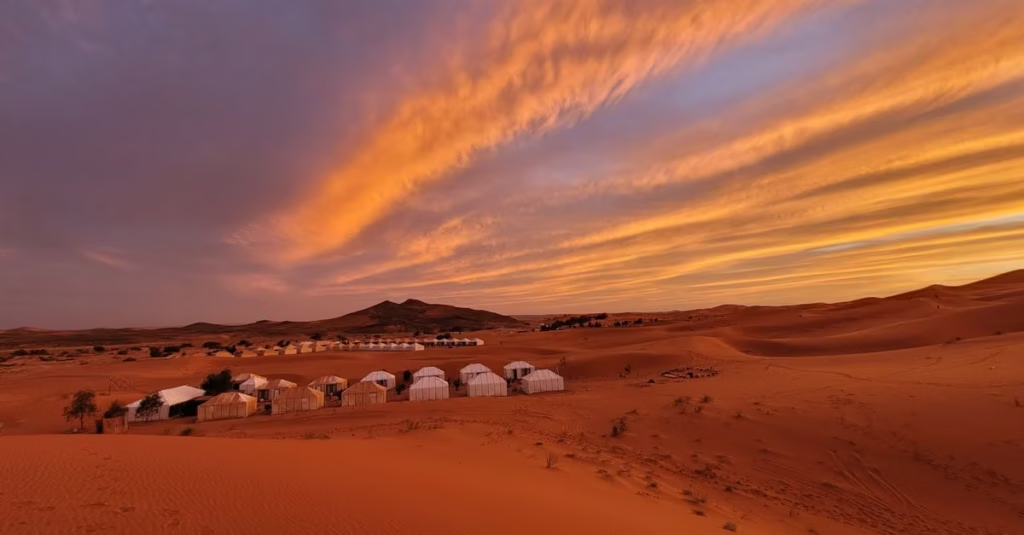
The trip to the dunes can take several hours, so plan at least two nights in the desert region if your schedule allows. You can choose a simple tent or a more comfortable camp with private bathrooms. A Sahara desert camp tour may include transportation, meals, and a guide, but read the itinerary carefully before booking.
You do not have to ride a camel. Ask for a vehicle transfer if you have back, knee, or mobility concerns. Bring warm layers for winter evenings, sunscreen, closed shoes, and a portable battery.
10. Hike in the Atlas Mountains
Day hikes near Imlil suit travelers who want mountain scenery without committing to a long trek. Longer routes can include village homestays and a summit attempt on Mount Toubkal. Conditions vary by season, and a local mountain guide is a sensible choice, particularly for longer routes or winter travel.
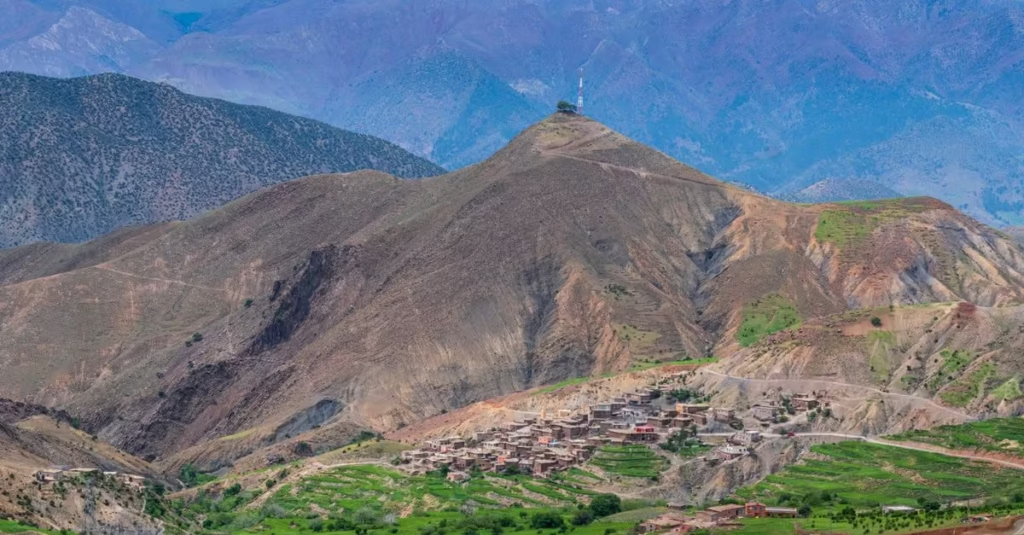
Respect village customs by dressing modestly, asking before photographing people, and following your guide’s advice about water and trail access. Confirm whether your accommodation provides meals, transfers, and luggage storage.
11. Eat your way through Moroccan cuisine
Moroccan food deserves space in your itinerary. Try tagine cooked with chicken and preserved lemon, lamb and prunes, or seasonal vegetables. Couscous is traditionally served on Fridays, while harira is a filling soup often associated with Ramadan. Pastilla combines thin pastry with savory and sweet fillings, and tanjia is a Marrakech specialty slow cooked in an earthen vessel.
Take a food tour early in your trip so you can return to places you enjoy. Markets are excellent for fruit, olives, dates, and nuts. If you have allergies, write down the ingredients in French or Arabic and tell your server clearly.
12. Visit a hammam
A traditional hammam involves heated rooms, steam, washing, and a vigorous exfoliation with black soap and a kessa glove. Public hammams are inexpensive and local, but they may be gender separated and less familiar to first time visitors. Hotel spas and private hammams offer more guidance and privacy.
Bring a change of clothes and confirm the price before treatment begins. A standard visit can feel intense, so ask for lighter pressure if needed.
13. Explore Essaouira on the Atlantic coast
Essaouira offers a welcome change after busy inland cities. Walk along the ramparts, visit the fishing port, browse the medina, and eat seafood near the harbor. Strong coastal winds make the town popular with windsurfers and kitesurfers, while the beach works well for a slow afternoon walk.
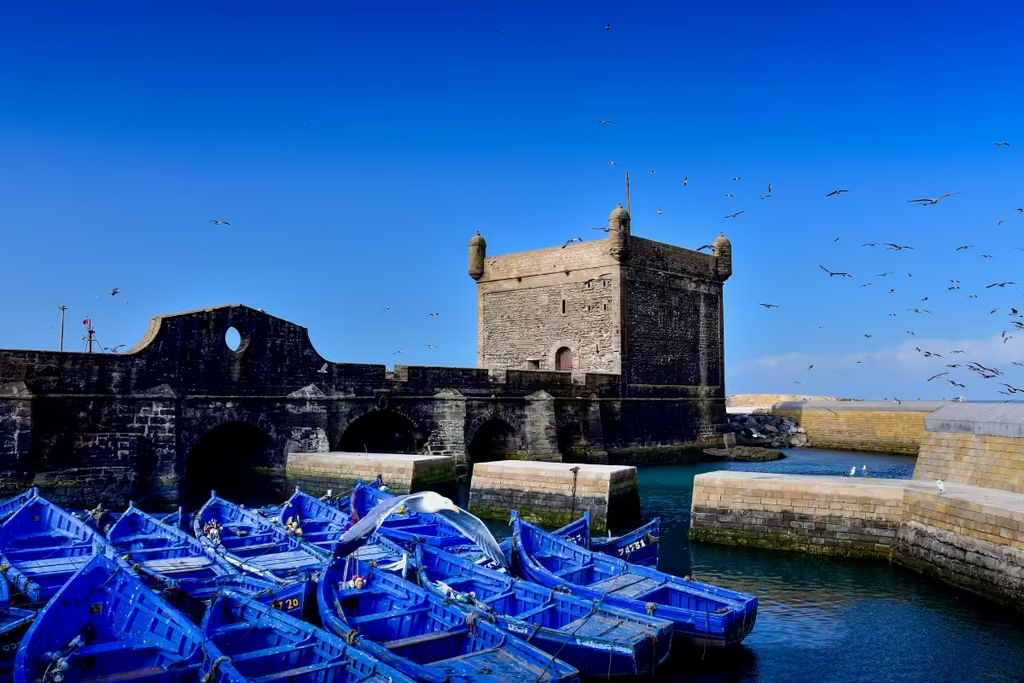
The town is reachable by bus or private transfer from Marrakech. Stay overnight if you want a quieter experience after day visitors leave. A coastal hotel in Essaouira can place you near the harbor or outside the medina, depending on how much walking you prefer.
14. See Casablanca’s Hassan II Mosque
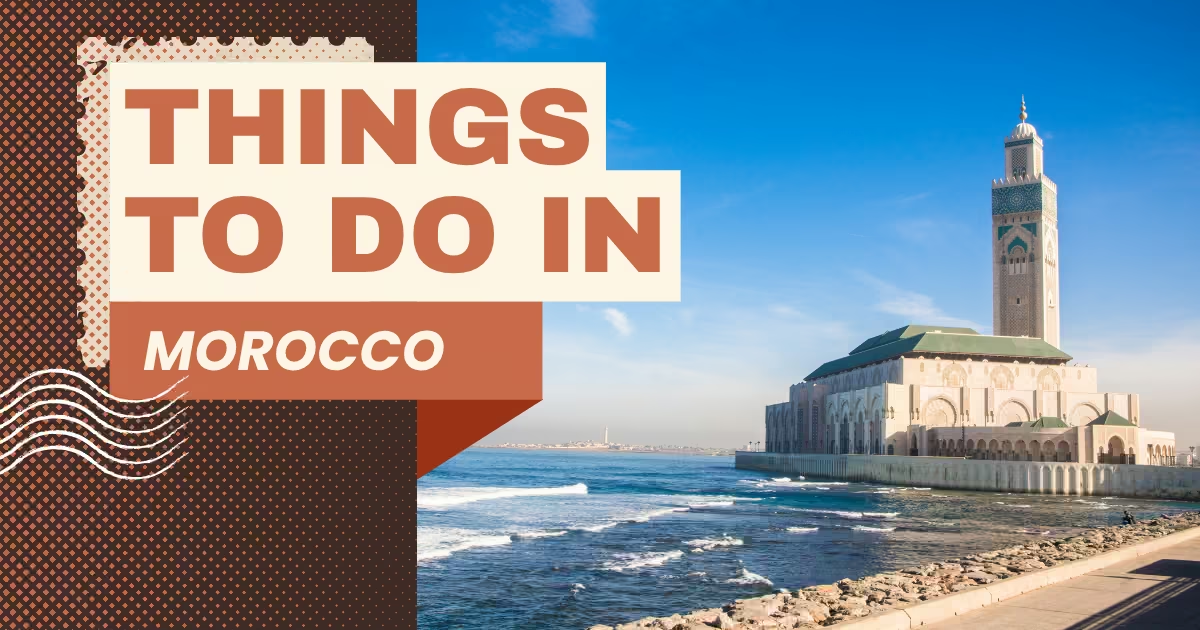
Casablanca is Morocco’s economic center, and the Hassan II Mosque is its most famous landmark. The mosque stands beside the Atlantic and includes an elaborate interior, a tall minaret, and a prayer hall that extends over the water. Non Muslim visitors may enter only during scheduled guided tours, so check opening times before arriving.
Use the visit as part of a wider Casablanca day that includes the Corniche, the Habous quarter, and the city center. Casablanca is also a practical arrival or departure point because it has Morocco’s main international airport and strong rail connections.
15. Visit Rabat’s historic landmarks
Rabat is often calmer than Marrakech and Casablanca, with a compact group of sights. See the Hassan Tower, the Mausoleum of Mohammed V, the Kasbah of the Udayas, and the nearby Andalusian gardens. The city’s modern tram and walkable central areas make it easy to explore without arranging a full day tour.
Rabat works well as a first or final stop, especially if you want a softer landing after an international flight. Pair it with nearby Salé if you have extra time and want to see a less tourist focused side of the region.
Practical advice for visiting Morocco
How many days do you need?
Five days can cover Marrakech and one nearby excursion. Seven to ten days allows a route that includes Marrakech, the Atlas region, a desert stop, and Fez or Essaouira. Two weeks gives you room for Chefchaouen, Rabat, Casablanca, and slower stays.
Avoid placing Marrakech, the Sahara, Fez, and Chefchaouen into a single short trip. The distances are significant, and road journeys through the mountains can take longer than map estimates suggest.
What should you wear?
Pack breathable clothes that cover your shoulders and knees when visiting religious or traditional areas. Comfortable shoes are essential in medinas, where pavement can be uneven. Add a scarf, light sweater, and warm layer for mountain and desert evenings. Swimwear is fine at a hotel pool or beach, but use more coverage in public areas.
How should you handle money and taxis?
The Moroccan dirham is useful for small purchases, tips, taxis, and market stalls. Keep smaller notes available. In cities, petit taxis usually operate within set areas, while grand taxis cover longer routes. Ask your accommodation about the normal fare, agree on the price before departure when a meter is not used, and use reputable ride or transfer services when available.
Should you book a guide or tour?
A guide is especially useful in the medinas of Fez and Marrakech, on mountain hikes, and during multi day desert routes. Check that guides are licensed and that tours state the group size, transportation, meals, accommodation, and cancellation terms. If you prefer independent travel, trains and buses work well between major cities, while private transfers simplify remote areas.
How to choose your Morocco itinerary
For culture and architecture, focus on Marrakech, Fez, Rabat, and Meknes. For scenery, add the High Atlas, Ait Benhaddou, and the Sahara. For food and a slower pace, combine Marrakech with Essaouira. Families may prefer shorter transfer days and comfortable hotels, while active travelers can add mountain hikes, surfing, or a longer desert excursion.
Keep one flexible day in your schedule. Delays, unexpected invitations, market finds, and long meals are common parts of travel here. A plan with breathing room will serve you better than a packed list of every attraction.
Final thoughts on things to do in Morocco
The best things to do in Morocco combine famous places with time to notice daily life. Walk the medina early, eat slowly, spend enough time in the mountains to appreciate the landscape, and choose desert logistics that match your comfort level. With a realistic route and a little preparation, Morocco can give you an excellent mix of history, food, coast, mountains, and memorable stays.

3 Comments