

Best Places to Visit in Scotland: 10 Top Picks
Scotland rewards travelers who give themselves time beyond the capital. The best places to visit in Scotland include grand cities, island communities, quiet lochs, ancient castles, and mountain landscapes that look very different depending on the season. You can build a trip around Edinburgh and Glasgow, take a scenic road trip through the Highlands, or slow down on an island such as Skye, Mull, or Islay.
This guide organizes Scotland’s standout destinations by travel style and geography. It also explains how long to stay, when to go, and how to get around without making your itinerary unnecessarily complicated.
Table of Contents
Best Places to Visit in Scotland at Glance
- Edinburgh and Glasgow for culture, history, food, and nightlife
- Glencoe, Loch Lomond, and the Cairngorms for mountain scenery and outdoor time
- The Isle of Skye, the Outer Hebrides, and the Orkney Islands for island landscapes and local character
- St Andrews, Dundee, Aberdeen, and the Scottish Borders for history, museums, coastlines, and smaller-city experiences
- Practical advice about transportation, seasons, accommodations, and sample trip lengths
1. Edinburgh, Scotland’s historic capital
Edinburgh is the easiest place to begin a first trip. Its compact center gives you medieval streets, Georgian architecture, museums, viewpoints, and excellent restaurants within a manageable walking area.
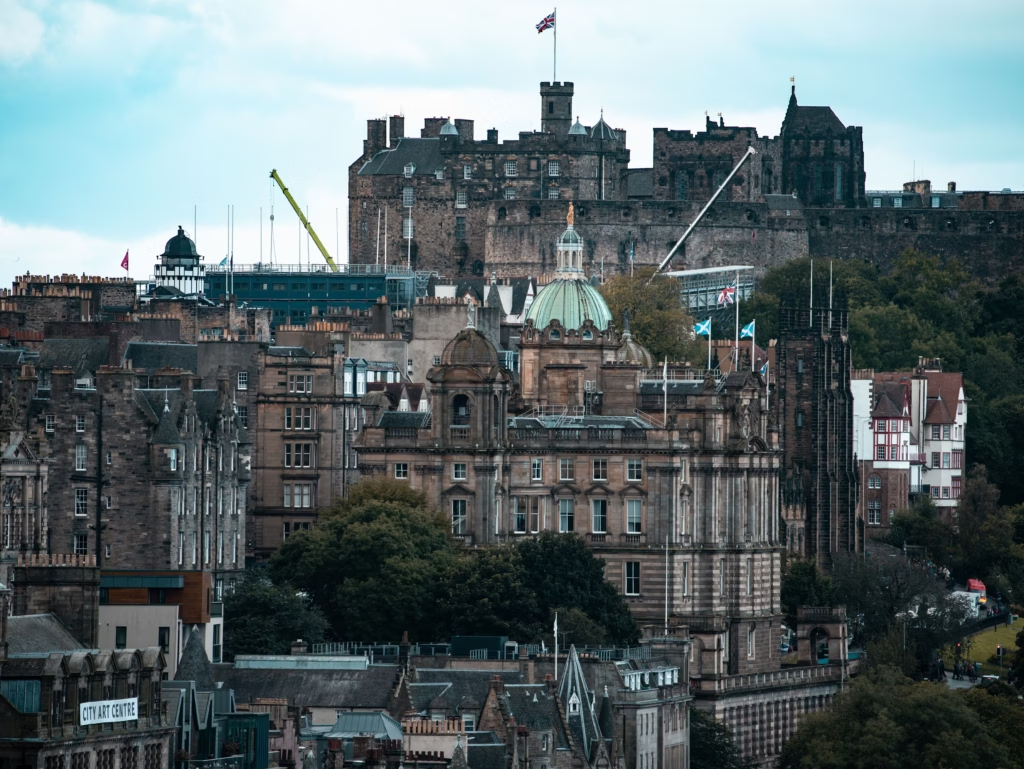
Start at Edinburgh Castle, then walk down the Royal Mile toward Holyrood Palace. The route is busy, especially in summer, but it gives you a useful introduction to the city’s history. Take side streets into the Old Town for closes, small courtyards, and quieter views of the stone buildings. In the New Town, browse independent shops along George Street and enjoy the architectural contrast.
For a free view, climb Calton Hill near sunrise or sunset. Arthur’s Seat offers a longer walk and a wider panorama, although the trail can be uneven and windy. The National Museum of Scotland is a strong choice on a rainy afternoon, and the Royal Botanic Garden gives you a calmer break from the center.
Book a hotel in Edinburgh near the Old Town, New Town, or Haymarket, depending on whether you prefer historic streets, restaurants, or transport connections. For more city-specific ideas, see this guide to things to do in Edinburgh.
How long to stay: Two to three full days.
2. Glasgow for music, museums, and local food
Glasgow feels more relaxed and lived-in than Edinburgh. The city has a strong music scene, impressive Victorian buildings, free museums, and a restaurant culture that makes it worth more than a short stop between destinations.

Visit the Kelvingrove Art Gallery and Museum, walk through the West End, and explore the University of Glasgow area. The Riverside Museum covers transportation and industrial history, while the nearby Tall Ship offers a look at life aboard a historic sailing vessel. Architecture fans should seek out the work of Charles Rennie Mackintosh, especially at the Mackintosh House and Glasgow School of Art area, while checking current access arrangements before visiting.
Glasgow is also a practical base for day trips to Loch Lomond, Stirling, and the Ayrshire coast. At night, check the listings at the Barrowland Ballroom, King Tut’s Wah Wah Hut, or smaller neighborhood venues.
How long to stay: Two days, or three if you want day trips.
3. Loch Lomond and the Trossachs National Park
Loch Lomond is one of the most convenient places to experience Scotland’s loch and mountain scenery. The southern end is reachable from Glasgow by train and bus, while a car gives you more flexibility around the loch and the Trossachs.

Walk part of the West Highland Way, take a boat trip from Balloch, or follow quieter roads toward Balmaha and the eastern shore. Conic Hill is a popular hike with a rewarding view, but expect a busy trail in good weather. The Trossachs area adds forest walks, smaller lochs, and villages such as Aberfoyle and Callander.
Stay in Balloch for transport convenience, or choose a guesthouse near Balmaha, Aberfoyle, or Callander for a quieter base. Reserve rooms ahead for summer weekends and holiday periods.
How long to stay: One to two nights, or a day trip from Glasgow.
4. Glencoe for dramatic mountain scenery
Glencoe is one of Scotland’s most memorable Highland valleys. Sharp ridges, waterfalls, and a long history give the area more substance than a quick photo stop along the main road.
Visit the Glencoe Visitor Centre to understand the landscape and the area’s difficult history. Then choose a walk that matches your experience. The Three Sisters viewpoint is easy to reach by car, while the Lost Valley and Pap of Glencoe require more time, sturdy footwear, and suitable weather. Experienced hikers can plan longer routes into the surrounding mountains, but conditions can change quickly even in summer.
Glencoe works especially well on a route between Glasgow, Fort William, and the Isle of Skye. The public bus is useful along the main road, though a car makes it much easier to reach trailheads and viewpoints.
How long to stay: One full day at minimum, with two nights preferred for hiking.
5. Fort William and Ben Nevis
Fort William is a practical outdoor base near Ben Nevis, the highest mountain in the United Kingdom. You do not need to climb Ben Nevis to enjoy the area. The town also gives you access to Glen Nevis, the Nevis Range, and the scenic route toward Mallaig.
The Ben Nevis Mountain Track is a serious full-day hike. Check the forecast, carry enough water and food, and bring layers even if the weather looks pleasant at sea level. If you prefer a less demanding activity, walk through Glen Nevis or take the mountain gondola at Nevis Range when it is operating.
The Jacobite steam train route, often associated with the Harry Potter films, runs between Fort William and Mallaig on selected dates. Seats can sell out early, so check the current timetable and booking rules before building your itinerary around it. Regular trains also serve the route and provide beautiful views.
How long to stay: Two nights for local walks, or three nights if you plan the Ben Nevis hike.
6. The Isle of Skye for coastlines and outdoor adventures
The Isle of Skye is one of the most popular island destinations in Scotland, and its roads can become crowded in peak season. Good planning makes a major difference. Stay at least three nights if you want to see the main sights without rushing.
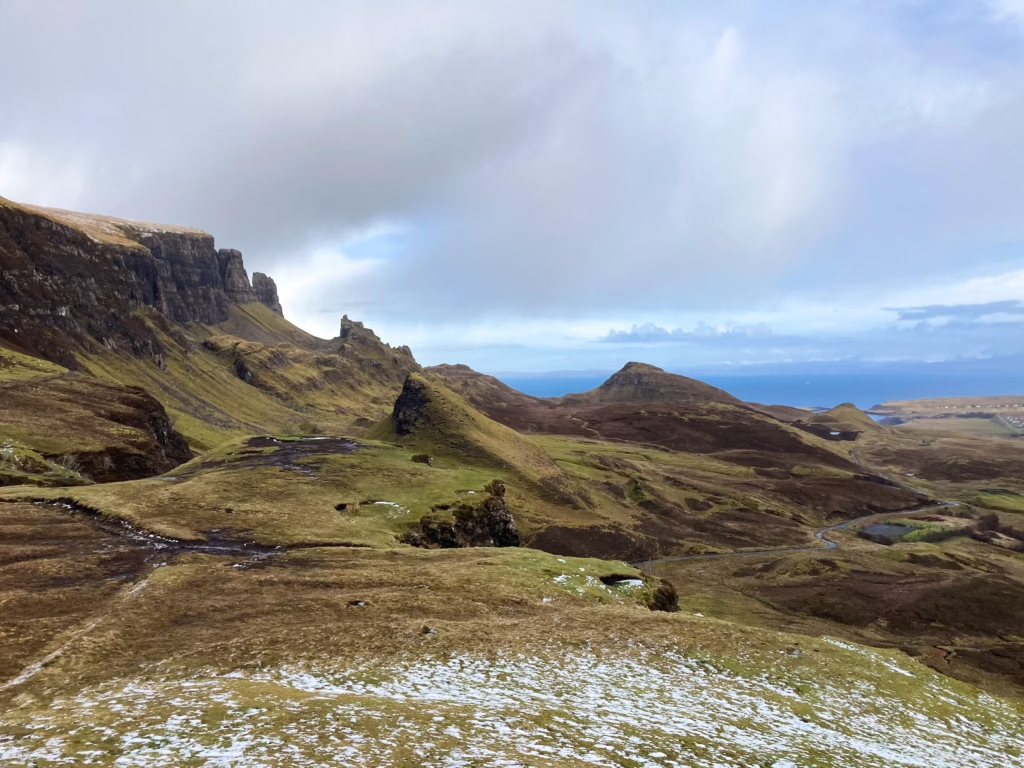
Top stops include the Old Man of Storr, the Quiraing, Kilt Rock, the Fairy Pools, and the Neist Point lighthouse. These places are spread across the island, so group them by area rather than trying to cover everything in a single day. The Quiraing and Old Man of Storr walks can be wet, muddy, and exposed. Wear footwear with solid grip and check parking arrangements before you go.
Portree is the most convenient base for many visitors, with restaurants, shops, and access to northern and eastern attractions. Broadford works well for the southern part of the island, while smaller villages offer a quieter stay.
How long to stay: Three nights at minimum, four or five for a slower trip.
7. The Cairngorms National Park for hiking and wildlife
The Cairngorms cover a large area, so choose your base according to the activities you want. Aviemore is convenient for outdoor activities and public transportation. Braemar suits travelers interested in mountain scenery, castles, and Highland estates. Kingussie and Grantown-on-Spey offer additional options with a quieter pace.
Walk through Glenmore Forest, visit Loch an Eilein, or explore trails near Rothiemurchus. The park also has opportunities for skiing in winter, cycling, climbing, canoeing, and wildlife watching. Cairngorm Mountain provides access to high-altitude scenery, but check operating conditions before traveling.
History adds another reason to visit. Balmoral Castle is open to visitors during its public season, and nearby Highland estates offer gardens, walks, and exhibitions. The area is also a good base for exploring whisky distilleries along the Speyside route.
How long to stay: Two to four nights, depending on hiking plans and seasonal activities.
8. The Outer Hebrides for beaches and island culture
The Outer Hebrides offer a slower experience than the mainland’s most visited routes. Lewis and Harris, North Uist, South Uist, and Barra each have their own character, while ferries and flights determine how much ground you can cover.
On Lewis and Harris, visit Luskentyre Beach, the Callanish Stones, the Gearrannan Blackhouse Village, and the Butt of Lewis. The Harris coastline is especially striking, with pale sand and clear water, but the sea can be cold and the weather changes quickly. Respect local access signs and avoid driving onto beaches unless it is clearly permitted.
Traveling between the islands takes planning. Check ferry reservations, road conditions, and accommodation availability before you arrive. A car is the easiest way to reach beaches, archaeological sites, and small villages. Bring groceries if you are staying in a remote area, since store hours and supplies may be limited.
How long to stay: Four to seven days for a meaningful island trip.
9. The Orkney Islands for ancient history
Orkney has some of the most important prehistoric sites in northern Europe. The Heart of Neolithic Orkney includes Skara Brae, the Ring of Brodgar, the Standing Stones of Stenness, and the Maeshowe chambered tomb.
Base yourself in Kirkwall or Stromness. Kirkwall has St Magnus Cathedral, local shops, and useful transport connections. Stromness has a waterfront setting and easy access to the western mainland. The Italian Chapel on Lamb Holm and the Churchill Barriers add more recent history to the itinerary.
Flights connect Orkney with mainland Scotland, while ferries offer several routes. If you drive, reserve ferry space in advance during busy periods. Give yourself time to stop at coastal viewpoints and small museums rather than treating the islands as a single long checklist.
How long to stay: Three to four days.
10. St Andrews for beaches, golf, and university history
St Andrews is a compact coastal town with a famous university, medieval ruins, long beaches, and a major place in golf history. Even travelers who do not play golf can enjoy the town’s atmosphere and coastal walks.

Walk through the cathedral ruins and castle, visit the Old Course area, and follow the beach at West Sands. The town center has independent stores, cafes, and restaurants. Tee times on the Old Course are limited and require advance planning, so look into the ballot and booking process before your trip. Several nearby courses offer alternatives.
St Andrews makes an easy day trip from Edinburgh, but an overnight stay lets you see the town after day visitors leave. The East Neuk of Fife, including fishing villages such as Anstruther and Crail, is close enough to add by car.
How long to stay: One to two days.
11. Dundee and Aberdeen for museums and coastal history
Dundee
Dundee is an excellent stop on the east coast. The V&A Dundee focuses on design, while the RRS Discovery tells the story of Antarctic exploration. The waterfront has been redeveloped with public spaces, restaurants, and cultural attractions. Dundee also works well as a base for visiting Glamis Castle and the fishing villages of Angus.
Aberdeen
Aberdeen’s granite architecture gives the city a distinct look, and its maritime museum explains the city’s long relationship with the North Sea. Walk along the beach, visit Duthie Park, and use the city as a base for Dunnottar Castle near Stonehaven. Dunnottar sits on a dramatic headland, so wear comfortable shoes and allow time for the steep approach.
How long to stay: One day in Dundee and one to two days in Aberdeen, with extra time for nearby attractions.
12. The Scottish Borders for abbeys and quieter landscapes
The Scottish Borders are easy to overlook when planning a first visit, but the region offers ruined abbeys, rolling hills, country estates, and attractive market towns without the crowds found on the main Highland routes.
Visit Melrose Abbey, explore Abbotsford House, and continue to Jedburgh Abbey or Kelso. The Borders Abbeys Way connects several historic sites for travelers interested in walking. The region is especially pleasant in spring and early autumn, when the roads are quieter and the countryside has strong seasonal color.
Melrose is a convenient base for a short road trip from Edinburgh. Public transportation connects some towns, but a car provides more freedom for abbeys, viewpoints, and rural estates.
How long to stay: One to two nights.
How to choose where to go in Scotland
For a first visit
Combine Edinburgh, Loch Lomond, Glencoe, Fort William, and the Isle of Skye. This route includes city history, loch scenery, mountains, and island landscapes. It works best with at least seven days, and nine or ten days will feel much more comfortable.
For scenery and hiking
Prioritize Glencoe, the Cairngorms, the Isle of Skye, and Loch Lomond. Choose fewer bases and spend extra nights in each one. Scottish weather can slow down outdoor plans, so avoid scheduling a demanding hike every day.
For history and architecture
Choose Edinburgh, Stirling, St Andrews, Orkney, and the Scottish Borders. Add castles and abbeys along your route rather than driving long distances solely to see one attraction.
For islands
Pick one island group unless you have at least two weeks. Skye is the simplest choice for a first island experience because it connects to the mainland by bridge. The Outer Hebrides and Orkney require more ferry or flight planning but offer a quieter trip.
Getting around Scotland
Trains work well between Edinburgh, Glasgow, Stirling, Dundee, Aberdeen, and Inverness. Buses can reach many Highland towns, but service is less frequent in rural areas. Check timetables carefully, especially on Sundays and outside summer.
A rental car is useful for Skye, the Outer Hebrides, Orkney, the Highlands, and the Scottish Borders. Scottish roads can be narrow, winding, and busy with walkers or cyclists. Allow more time than the map suggests, and use passing places correctly on single-track roads. If you are not comfortable driving on the left, choose an organized tour or combine trains with local buses.
Guided day tours are practical for short trips from Edinburgh or Glasgow. For multi-day journeys, compare the route, group size, luggage rules, and time spent at each stop before booking a Scotland sightseeing tour.
Best time to visit Scotland
May, June, and September usually offer a useful balance of daylight, open attractions, and manageable visitor numbers. July and August bring long days and many festivals, but accommodations and rental cars cost more, and popular roads can be crowded. Edinburgh is particularly busy during the August festivals.
April and October can be good for lower prices and quieter trails, although some seasonal attractions reduce their opening hours. Winter suits visitors who want city breaks, festive events, darker-sky viewing, and possible snow in the mountains. Plan carefully because daylight is limited and some island services run less often.
Midges are small biting insects that can appear near lochs and wet ground, mainly from late spring through early autumn. They are most active around dawn and dusk. Pack repellent, wear long sleeves, and check local conditions before heading into remote areas.
How many days do you need?
- Three days: Stay in Edinburgh, or divide your time between Edinburgh and Glasgow.
- Five days: Add Loch Lomond, Stirling, or a short Highland trip.
- Seven days: Visit Edinburgh, Glencoe, Fort William, and one or two days on Skye.
- Ten days: Follow a relaxed Edinburgh, Highlands, Skye, and Glasgow route.
- Fourteen days: Add the Cairngorms, Orkney, the Outer Hebrides, or the Scottish Borders, but avoid trying to include all of them.
Practical tips for planning your trip
- Reserve accommodations early for July, August, and major festival dates.
- Book ferries, popular train journeys, and limited-entry attractions before traveling.
- Carry waterproof layers and comfortable shoes in every season.
- Keep your daily driving distances realistic. A short route on a map can take much longer on Highland roads.
- Check opening times for castles, museums, visitor centers, and gardens before making a special trip.
- Keep some flexibility for rain, wind, ferry delays, and trail closures.
- Use local shops and restaurants in smaller communities, especially when staying outside major cities.
- Remember that Scotland uses the pound sterling. Cards are widely accepted, but a small amount of cash can help in rural areas.
Final thoughts
The best places to visit in Scotland depend on the kind of trip you want. Edinburgh and Glasgow suit culture and food, Glencoe and the Cairngorms suit outdoor travelers, and Skye, Orkney, and the Outer Hebrides reward visitors who can slow down. Choose a few regions, leave space for changing weather, and plan your transport before you arrive. Scotland is much easier to enjoy when your itinerary gives each place enough time.






4 Comments