

Things to Do in Edinburgh: 17 Free Activities
Looking for the best things to do in Edinburgh? You’re in for a city break with plenty of character packed into a surprisingly walkable center. Edinburgh combines medieval lanes, elegant Georgian streets, volcanic hills, literary history, galleries, pubs, markets, and some seriously good viewpoints. It’s easy to fill a weekend here, but I’d encourage you to slow down enough to notice the neighborhoods between the famous sights.
This guide focuses on experiences that work for independent travelers, solo visitors, backpackers, and anyone who would rather build a flexible day than rush through a checklist. I’ll cover the headline attractions, lower-cost ideas, places to eat, ways to meet people, and practical details that make exploring Edinburgh more enjoyable. Before booking, check current attraction access, transport information, event dates, and local conditions for your travel dates.
Table of Contents
What are the best things to do in Edinburgh?
The best things to do in Edinburgh include exploring the Old Town, visiting Edinburgh Castle, walking the Royal Mile, climbing Arthur’s Seat, discovering the New Town, joining a local tour, and making time for the city’s food, literature, and live-music culture.
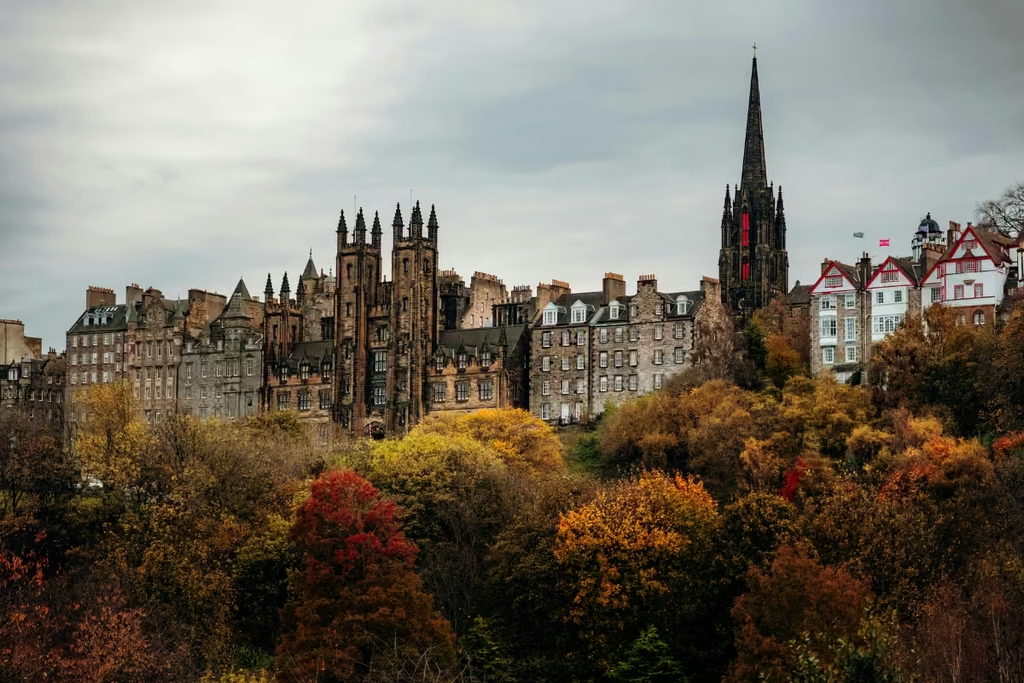
Edinburgh is not a city I’d approach by trying to see everything in one straight line. The terrain changes quickly, and the most interesting days often combine one major attraction with a neighborhood walk, a relaxed meal, and an unplanned stop. A good first day might take you through the Old Town, while a second day could focus on the New Town, Stockbridge, and a hill or viewpoint.
If you’re comparing Edinburgh with other British city breaks, our guide to the best cities in the UK can help you think about how Scotland’s capital fits into a longer route. Edinburgh has a very distinct atmosphere, so it works just as well as a standalone trip as it does alongside Glasgow or other UK cities.
1. Explore Edinburgh Castle and Castle Rock
Edinburgh Castle is one of the most obvious things to do in Edinburgh, but its position on Castle Rock makes it worth seeing even if you’re keeping paid attractions to a minimum.

The castle dominates the skyline above the Old Town, and its setting helps explain Edinburgh’s dramatic visual character. Inside, you’ll find a large historic complex with military, royal, and national stories attached to it. Rather than racing from room to room, I’d choose the parts that interest you most and give yourself time to look outward from the castle’s elevated position.
Because visitor access, admission arrangements, and busy periods can change, check the official attraction information for your dates before building your day around a visit. If you decide not to go inside, you can still appreciate the castle from surrounding streets and viewpoints. Some of the best photographs come from looking back toward Castle Rock as you move through the Old Town.
Allow extra energy for the approach. Edinburgh’s streets can be steep, crowded, and uneven, especially around the central historic areas. Comfortable shoes are much more useful than carefully styled footwear here.
2. Walk the Royal Mile slowly
Walking the Royal Mile is one of the essential things to do in Edinburgh because it connects major historic sights while revealing closes, courtyards, shops, cafés, and layers of everyday city life.
The route runs through the Old Town between Edinburgh Castle and the Palace of Holyroodhouse, but treating it as a simple A-to-B walk misses much of its appeal. Look into the narrow closes branching from the main street, notice the changing architecture, and give yourself permission to stop when something catches your attention.
The Royal Mile can be busy, particularly during major events and popular travel periods. If you want a calmer experience, consider exploring earlier in the day or returning after the busiest sightseeing hours. You’ll still find activity, but the street can feel less compressed when you’re not moving with the main visitor flow.
I’d avoid eating every meal directly on the busiest stretch unless convenience is your priority. Wander a few streets away and compare menus, atmosphere, and value. A short detour often turns a generic stop into a more memorable part of the day.
3. Discover the Old Town beyond the main street
The Old Town is best experienced as a network of lanes and unexpected corners rather than only as the Royal Mile.
Take time to explore Grassmarket, Victoria Street, the area around Greyfriars, and the smaller streets climbing toward the castle. The Old Town’s architecture is dense and sometimes dramatic, with narrow passages opening suddenly into wider spaces. It rewards travelers who walk without needing every turn to lead to a named attraction.
This is also a good area for a history or ghost tour, although the quality and style of tours vary. Read recent descriptions carefully and choose a guide whose approach matches your interests. A tour can add context to the city’s architecture and stories, while also creating an easy social setting for solo travelers.
For a more personal afternoon, pick one small museum, historic site, or independent shop, then leave the rest of the time open. Edinburgh’s Old Town is atmospheric, but it can become tiring if you spend several hours climbing hills and navigating crowds without a break.
4. Climb Arthur’s Seat for a city viewpoint
Climbing Arthur’s Seat is one of the most rewarding outdoor things to do in Edinburgh, offering a way to experience open landscape without leaving the city.
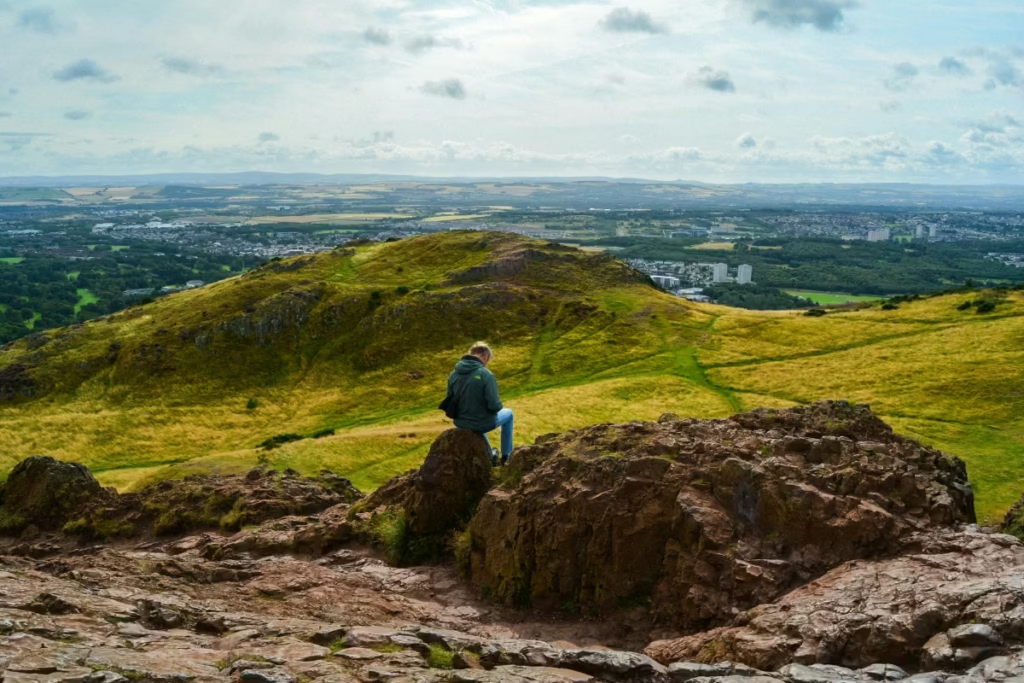
Arthur’s Seat rises within Holyrood Park and provides broad views across Edinburgh and the surrounding landscape. The route is not a casual pavement stroll, so wear shoes with a good grip and check current conditions before setting out. Wind, rain, mud, and low visibility can change the experience quickly, especially on exposed ground.
You don’t need to treat the walk as a race or choose the most demanding route. Plan around your energy, take breaks, and consider a lower viewpoint within the park if the summit does not suit the weather or your fitness. The point is to enjoy the landscape, not prove anything.
Go prepared with water, a layer you can add or remove, and enough daylight for the route you choose. If you’re traveling alone, tell someone your general plan before heading out and avoid relying on a perfect forecast. The park offers a refreshing contrast to the close streets of the Old Town.
5. Visit the Palace of Holyroodhouse and Holyrood Park
The Palace of Holyroodhouse and the surrounding park make a strong pairing for travelers who want royal history, architecture, and open space in one part of Edinburgh.
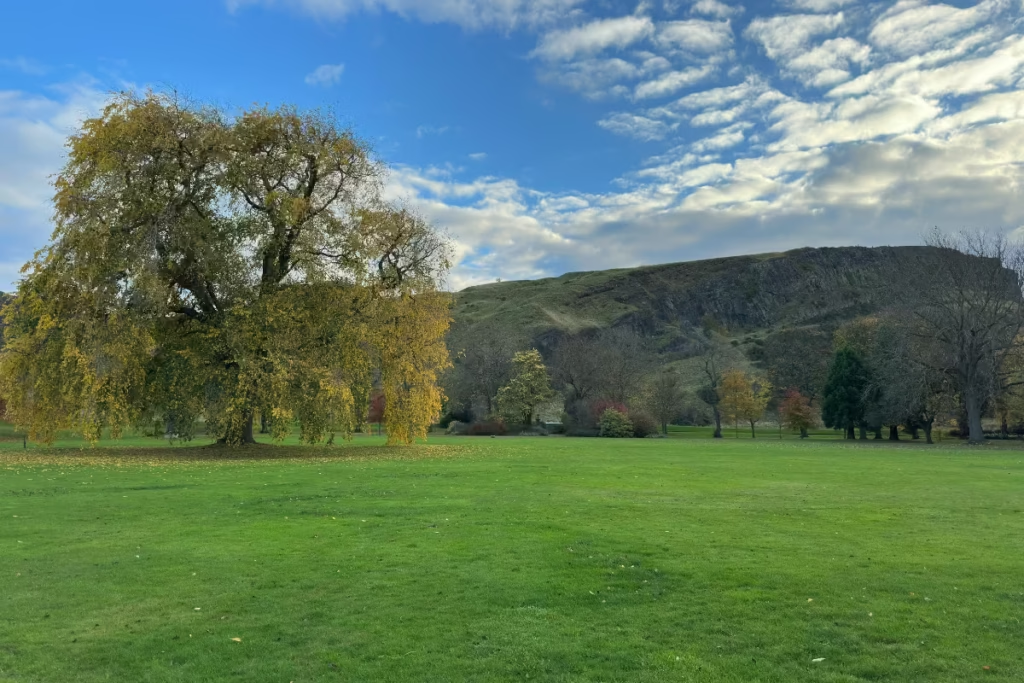
The palace sits at the lower end of the Royal Mile, close to the entrance to Holyrood Park. A visit can add a different perspective to the castle, shifting the focus from elevated military history to royal residence, interiors, and long historical connections. Check current access arrangements before visiting because public opening details and available areas may vary.
Even if you skip the palace interior, Holyrood Park gives you room to slow down. You can combine a shorter walk with city sightseeing, or use the park as a reset after spending time among busy streets. The rocky landscape and open views make Edinburgh feel much larger than its central map suggests.
I’d avoid scheduling the palace and a demanding hill walk too tightly on the same day. Leave room for lunch, weather changes, and the possibility that you’ll want to explore the park at an unhurried pace.
6. Wander through the elegant New Town
Exploring the New Town is one of the best things to do in Edinburgh when you want Georgian architecture, spacious streets, independent shops, galleries, and a calmer contrast to the Old Town.
Start around Princes Street and continue into the grid of streets beyond it, where the architecture becomes more spacious and formal. George Street, Queen Street, and the surrounding lanes offer a very different rhythm from the medieval center. Look upward as you walk; the details around windows, doorways, and stonework are easy to miss when you’re focused on navigation.
New Town exploration works well for a flexible afternoon. Browse shops, stop for coffee, visit a gallery, or walk toward the Scottish National Portrait Gallery and nearby public spaces. You don’t have to turn the area into a formal architecture tour to appreciate it.
This part of the city can also be useful for budget-conscious travelers looking for meal options away from the most crowded Old Town streets. Compare a few places rather than choosing the first restaurant you see, especially if you have dietary preferences or a limited budget.
7. Find art and free culture in Edinburgh
Edinburgh’s galleries and museums are among the most accessible things to do in Edinburgh for travelers who want culture without filling every day with expensive tickets.
The National Museum of Scotland is a particularly useful stop when you want variety under one roof. Its collections cover science, design, natural history, world cultures, and Scottish history, so it can suit different interests within a group. The building itself is worth exploring, and a museum visit gives you a comfortable indoor option when the weather turns wet.
Edinburgh also has major galleries and smaller creative spaces spread across the city. Check current exhibitions and access information for your dates, then choose one or two that genuinely appeal to you. Trying to visit every museum can make culture feel like homework.
For solo travelers, galleries are ideal because you can move at your own pace without needing conversation every minute. If you want company, look for a talk, workshop, guided visit, or cultural event rather than simply joining a crowded attraction queue.
8. Follow Edinburgh’s literary connections
Following Edinburgh’s literary connections is one of the most rewarding things to do in Edinburgh if you enjoy books, writers, language, and the stories cities tell about themselves.
Edinburgh’s streets have inspired and shaped generations of writers, and the city’s bookshops, libraries, monuments, and literary venues give you several ways to explore that legacy. You can make the experience as structured or informal as you like: join a literary walk, visit a bookshop, browse a museum collection, or simply read in a café near the streets that interest you.
I prefer literary travel when it remains connected to ordinary city life. Rather than visiting only named monuments, choose a novel or collection before your trip, walk through a few relevant areas, and notice how the city’s hills, weather, buildings, and social spaces influence the writing.
Bookshops are also natural places for solo travelers to pause without feeling isolated. Ask staff for a local recommendation, look for Scottish authors, and consider bringing home a book that gives you a reason to keep exploring the destination after you leave.
9. Spend time in Stockbridge and Dean Village
Stockbridge and Dean Village are excellent things to do in Edinburgh when you want neighborhood atmosphere, independent businesses, water-side walks, and a break from the busiest center.
Stockbridge has a more local, residential feel than the main sightseeing streets, with cafés, food shops, small businesses, and places to browse. It’s a good area for a slow breakfast or relaxed lunch, followed by a walk without a strict list of attractions.
Dean Village offers a visually distinctive stretch beside the Water of Leith. It can be busy with visitors, so be respectful of residential spaces and avoid treating private doorways or quiet streets as photo props. The Water of Leith walkway provides a broader way to experience this part of the city, although conditions and access can vary along different sections.
These neighborhoods are especially useful when you’ve already spent a day in the Old Town and want to see another side of Edinburgh. The transition itself is part of the experience: the city shifts from monumental history to everyday routines, local errands, and slower walks.
10. Join a walking, food, or history tour
Joining a small-group tour is one of the easiest things to do in Edinburgh if you’re traveling alone and want local context or a natural way to meet people.
Walking tours cover different themes, including history, architecture, literature, food, and the city’s darker stories. Choose carefully rather than assuming every tour offers the same experience. Look at the route, length, group size, meeting arrangements, and recent feedback before booking.
A food tour can introduce you to Scottish ingredients and independent businesses while taking the pressure off deciding where to eat. A history tour may help you understand why the Old Town and New Town feel so different. A literary or neighborhood-focused walk can take you beyond the standard landmarks.
I’d book one structured experience early in the trip, then use what you learn to shape the rest of your plans. Guides often provide useful suggestions, but treat recommendations as starting points and make your own choices based on your interests and budget.
11. Taste Scottish food without overcomplicating it
Trying Scottish food is one of the most enjoyable things to do in Edinburgh, and you don’t need a formal tasting menu to make it part of your trip.
Look for opportunities to try local produce, soups, baking, seafood, dairy, oats, and traditional dishes in settings that match your budget. Markets, casual cafés, bakeries, pubs, and food halls can all be useful for tasting your way through the city without committing to expensive meals every day.
If you’re curious about traditional dishes, ask what a restaurant recommends and whether the portion suits you. Food is a good conversation starter, particularly if you ask staff where they would eat on a normal day. That question can lead you away from the most obvious visitor spots.
Budget travelers should mix special meals with supermarkets, takeaway options, and accommodation with kitchen access. Edinburgh can become expensive when every meal happens in the center, so plan one or two food-focused experiences and keep other meals simple.
12. Explore Edinburgh’s markets and independent shops
Markets and independent shops offer a more personal version of Edinburgh than souvenir shopping on the busiest part of the Royal Mile.
Check what is operating during your travel dates, since markets and pop-up events can change by season, day, and year. Look for local food, crafts, prints, secondhand books, clothing, and small gifts that connect to Scotland without relying on generic slogans.
Shopping is more enjoyable when you give yourself a theme. You might look for a book by a Scottish author, a small piece of locally made pottery, a print from an Edinburgh artist, or ingredients for a picnic. That approach keeps spending intentional and gives you a story to attach to what you bring home.
Independent shops can also reveal neighborhoods that you might otherwise skip. Follow a cluster of businesses rather than crossing the entire city for one store, and leave time to stop for coffee or lunch nearby.
13. See live music, comedy, or local performance
Seeing live music, comedy, or theatre is one of the best evening things to do in Edinburgh when you want a social experience that doesn’t depend on a nightclub.
Edinburgh’s event calendar changes throughout the year, with particularly busy periods during major festivals. Check current listings for your travel dates and book only the performances that genuinely interest you. Smaller venues can be especially appealing because they create a more intimate connection with the city’s creative life.
Solo travelers often find live events easier than restaurant-focused evenings. You can enjoy the performance independently, chat with people during an interval, and ask staff or fellow audience members about other local venues.
If you’re visiting during a festival period, expect a different pace and plan accommodation, transport, and tickets carefully. The city can be exciting, but demand and crowds may affect both your budget and your flexibility.
14. Walk Calton Hill at sunset or sunrise
Walking up Calton Hill is one of the simplest things to do in Edinburgh when you want a memorable view with less effort than a longer hill walk.
From the top, you can look across the city toward Arthur’s Seat, the Old Town, the New Town, and the wider landscape. The monuments give the hill a distinctive character, while the open position makes it a useful place to watch the light change.
Sunrise and sunset conditions vary with the season and weather, so don’t treat a specific light show as guaranteed. Go because the view is worthwhile in changing conditions, not only because you want one perfect photograph.
Calton Hill is easy to combine with a New Town walk or a meal nearby. Bring a layer, particularly when the wind picks up, and be considerate of other visitors when stopping for photographs.
15. Walk part of the Water of Leith
Following part of the Water of Leith is a peaceful thing to do in Edinburgh when you want greenery, local neighborhoods, and a slower alternative to the city center.
You don’t need to complete the entire route to enjoy it. Choose a section that fits your accommodation and energy, then combine the walk with Stockbridge, Dean Village, galleries, or a café. The path offers a different perspective on Edinburgh, where the city’s built environment gives way to trees, water, and quieter stretches.
Check current route conditions and access information before setting out, particularly after poor weather. Wear suitable shoes and avoid turning a relaxed walk into a race to reach a distant destination.
This is a particularly good solo-travel activity because it gives you space to think without making the day feel empty. You can listen to a podcast, photograph details, or simply walk and observe how the city changes around the water.
16. Take a day trip only if it fits your pace
A day trip from Edinburgh can be worthwhile, but staying in the city is often the better choice if you only have a short visit or dislike rushed travel days.
Possible day-trip ideas depend on current transport, tour schedules, weather, and your interests. You might consider a historic town, a coastal area, a castle, or a landscape-focused excursion. Before booking, check the complete route and the amount of time actually spent at the destination rather than choosing based on a dramatic itinerary title.
Group tours can be convenient for solo travelers because they handle logistics and create social opportunities. Independent travel may give you more flexibility, but only if the connections work comfortably for your dates.
My rule is simple: don’t sacrifice the best parts of Edinburgh just to collect another location. If you have fewer than three full days, keep the city as your main destination and add a day trip only when it clearly matches your priorities.
17. Plan a slow evening in a local neighborhood
A slow evening in a neighborhood may be the most underrated of all the things to do in Edinburgh because it lets the city become more than a collection of monuments.
Choose an area such as Leith, Stockbridge, Bruntsfield, or another neighborhood that fits your accommodation and interests. Look for a casual meal, a pub with a welcoming atmosphere, a small performance, or a café where you can read and watch the city move around you. Check current local recommendations rather than relying only on old lists, since businesses and events change.
Leith can be especially interesting for travelers who want a different urban atmosphere from the historic center, with food, drink, and waterside character. Bruntsfield offers green space and a more residential rhythm. The best choice is the one that fits your mood and makes the evening easy to enjoy.
For solo travelers, choose a place where sitting alone feels normal. A bar seat, communal table, food market, or small event can create easy opportunities for conversation without forcing you into a party scene.
How can you plan Edinburgh on a budget?
You can keep an Edinburgh trip manageable by combining free walks, public spaces, museums, neighborhood exploration, and one or two paid experiences that matter most to you.
- Choose accommodation carefully. Compare location, shared facilities, transport, and kitchen access rather than looking only at the nightly rate.
- Walk strategically. Many central sights are close together, but hills and weather can make every journey more tiring than it appears.
- Mix paid and free culture. Choose one major attraction, then fill the rest of the day with galleries, viewpoints, parks, and neighborhood walks.
- Plan food around your route. Markets, bakeries, supermarkets, casual cafés, and takeaway meals can balance the cost of special dinners.
- Check event calendars early. Major festivals and popular performances can affect accommodation and availability during your travel dates.
Weather is part of the budget conversation too. Pack layers and rain protection so a wet afternoon doesn’t automatically become an expensive emergency shopping trip. Keep one indoor alternative available, but don’t assume every gray day will ruin your plans. Edinburgh often looks atmospheric under changing skies.
If you’re considering combining Edinburgh with another country or region, our guide to the best time of year to visit Australia is a useful reminder that large destinations need region-specific planning. The same principle applies here: choose the kind of experience you want before filling your itinerary.
How can solo travelers meet people in Edinburgh?
Solo travelers can meet people in Edinburgh through walking tours, hostels, small-group food experiences, live events, language exchanges, shared kitchens, and neighborhood activities.
You don’t need to socialize constantly. One tour near the start of your trip can provide local context and a few friendly connections, while a shared kitchen or hostel lounge may create casual conversations later. Live music and comedy are also useful because you can attend alone without feeling conspicuous.
Try asking open questions rather than relying on generic small talk. Where did someone eat? Which neighborhood are they exploring? Have they seen a good local performance? Travelers are often happy to exchange recommendations, and those conversations can shape the rest of your itinerary.
At the same time, protect your independence. You don’t need to accept every invitation or turn every evening into a group activity. A solo trip works best when connection and quiet can exist side by side.
Families and multigenerational groups may also find useful planning ideas in our guide to where to travel with family, especially its advice about flexible days, realistic pacing, and choosing activities around different energy levels.
When should you visit Edinburgh?
The best time to visit Edinburgh depends on whether you prioritize festivals, longer daylight, quieter streets, lower-demand travel periods, or a particular outdoor experience.
Summer can bring long days and a busy event calendar, but demand may affect accommodation, attraction access, and the overall pace of the city. Autumn and spring can suit travelers who want a mix of walks, culture, and changing weather, while winter offers a different atmosphere and shorter daylight.
Name the season and year when you plan, then check current event dates, daylight conditions, weather forecasts, transport, and accommodation before booking. Edinburgh is enjoyable in different seasons, but the same itinerary will not feel identical throughout the year.
If you’re adding Edinburgh to a broader UK route, our guide to the best cities in the UK can help you compare city personalities and decide whether to pair it with Glasgow, Liverpool, Manchester, London, or a slower historic destination.
What should you do next?
Start by choosing three experiences that define your ideal Edinburgh trip. You might pick a castle visit, a hill walk, and a neighborhood food evening, or a museum, a literary tour, and live music. Then place those anchors on separate days and leave open time between them.
Book the attractions and events that genuinely need advance planning after checking current details for your travel year. Choose accommodation that makes your preferred neighborhoods easy to reach, and pack for hills, uneven streets, rain, and changing temperatures.
If you want to extend the trip beyond Scotland, our guide to the best places to visit in South Africa offers a very different kind of regional planning inspiration. But for Edinburgh itself, the best next step is simpler: pick a base, choose a few priorities, and leave enough room to follow the city when it surprises you.
The most memorable things to do in Edinburgh are not always the grandest ones. They can be a bookshop recommendation, a rainy walk that clears into sunlight, a meal found away from the main route, or a conversation that changes your plans. Give yourself time for those moments, and the city will feel much richer than any checklist.






3 Comments