
Best Places to Visit in Croatia: 10 Amazing Destinations
The best places to visit in Croatia stretch from stone-walled coastal cities and forested national parks to sunny islands, Roman ruins, and hilltop towns in Istria. That variety is exactly what makes planning a Croatian trip so enjoyable, and slightly difficult. There are plenty of beautiful stops, but they don’t all offer the same kind of experience.
I’d start by deciding what you want most from your journey. Do you want history and architecture, swimming and island time, national parks, nightlife, local food, or a quieter road trip? Croatia can deliver all of those, but a route built around every famous name will leave you spending too much time moving between places.
This guide to the best places to visit in Croatia focuses on ten destinations with distinct personalities. I’ve included popular highlights such as Dubrovnik and Split, along with places that reward travelers who slow down and explore beyond the busiest streets. At the end, you’ll find practical ideas for combining them into a realistic itinerary.
Table of Contents
How to choose among the best places to visit in Croatia
The best Croatian destination for you depends on the rhythm you want from your trip. Dubrovnik and Split are strong choices for history, architecture, and a first taste of the Adriatic. Hvar and Brač suit travelers who want island beaches and evening energy, while Korčula offers a more relaxed island base. Zagreb works well for museums, cafés, and urban culture, and Istria is a rewarding choice for food-focused travelers and independent road trippers.
Nature lovers should look closely at Plitvice Lakes and Krka National Park, although both deserve a little planning around transport and visitor conditions. If you’re traveling without a car, concentrate on destinations connected by straightforward public transport or organized day trips. With a car, you can explore more freely, particularly in Istria and along the quieter stretches of the coast.
One practical tip: don’t try to turn Croatia into a checklist. The pleasure is often in lingering over a waterfront meal, taking a local boat, wandering a side street, or swimming before dinner. Three well-chosen bases will usually give you a better trip than seven hurried overnight stops.
10 amazing destinations in Croatia
1. Dubrovnik: Croatia’s historic coastal showstopper
Dubrovnik is one of the best places to visit in Croatia if you’re drawn to historic architecture, sea views, and a compact city that rewards walking. Its old town is enclosed by stone fortifications and filled with polished limestone streets, stairways, churches, squares, and narrow lanes that invite slow exploration.
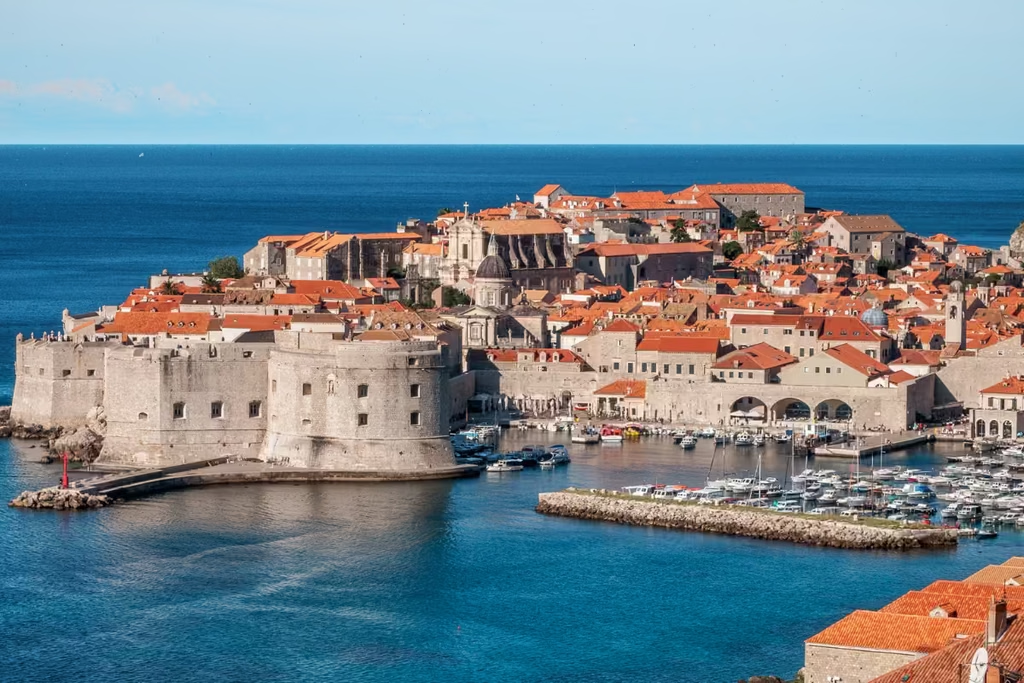
The obvious landmarks are worth seeing, but I’d also make time to wander without a strict plan. Early mornings and later afternoons can feel especially pleasant for exploring, while the midday streets may be busier. Look beyond the main route for small courtyards, local cafés, and viewpoints where the city feels less like a postcard and more like a lived-in place.
Dubrovnik suits first-time visitors, history enthusiasts, photographers, and travelers who like having many sights within walking distance. The trade-off is that its popularity can make the old town feel crowded at times. If you want a calmer experience, stay flexible and consider exploring outside the busiest central streets.
For a solo traveler, Dubrovnik is easy to enjoy independently, although accommodation and meals in the most central areas may not suit every budget. I’d use the city as a base for a few days, then pair it with an island or a quieter coastal destination rather than spending an entire trip inside the old town.
2. Split: Roman history and everyday Dalmatian life
Split is one of the best places to visit in Croatia for travelers who want history without feeling as if they are visiting an open-air museum. The old center grew around Diocletian’s Palace, but the most enjoyable part of the city is how ancient walls, apartments, shops, restaurants, and daily life overlap.
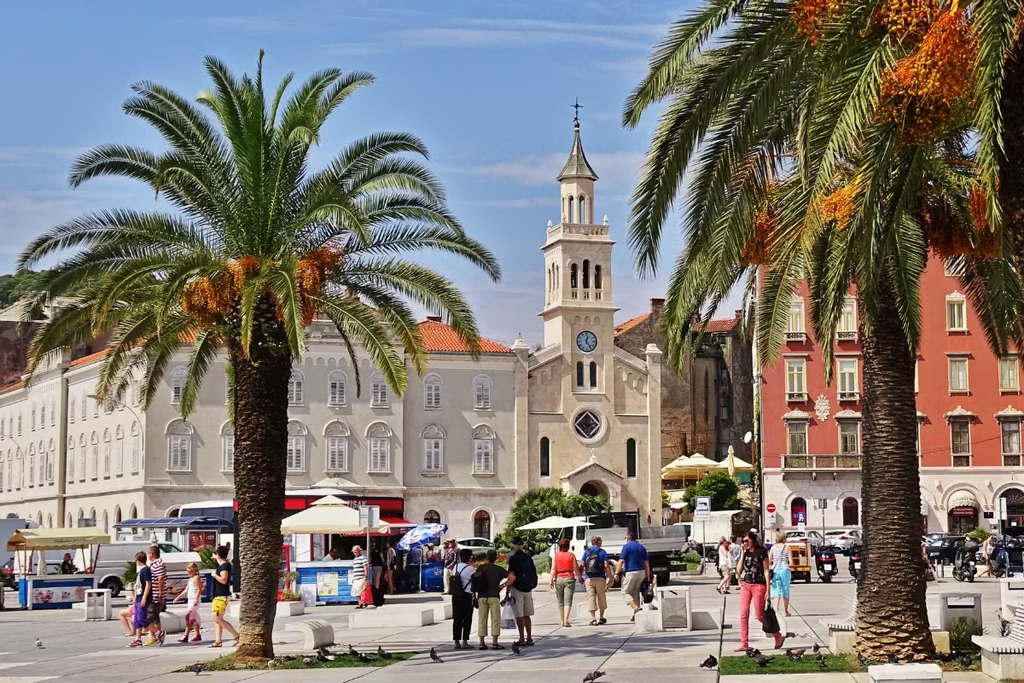
Spend time walking through the palace area, then continue toward the waterfront promenade and the neighborhoods beyond the main visitor route. Split has a lively social atmosphere, which makes it a comfortable base for solo travelers who want cafés, markets, evening activity, and easy opportunities to join day trips.
The city is also useful for island-hopping plans. From here, travelers often organize excursions or onward journeys to nearby islands, but I wouldn’t book every day in advance. Leave at least one unplanned day for the city itself, especially if you enjoy food, architecture, and people-watching more than tightly scheduled sightseeing.
Split can feel busy, particularly in the central areas, but that energy is part of its appeal. Choose it when you want a practical base with plenty happening after the day-trippers have left.
3. Hvar: Island scenery with a lively edge
Hvar is one of the best places to visit in Croatia for travelers who want clear-water swimming, island scenery, historic streets, and a more energetic evening scene. Hvar Town has a handsome harbor, stone lanes, old buildings, and waterfront restaurants, while the wider island offers quieter villages, coves, and countryside.
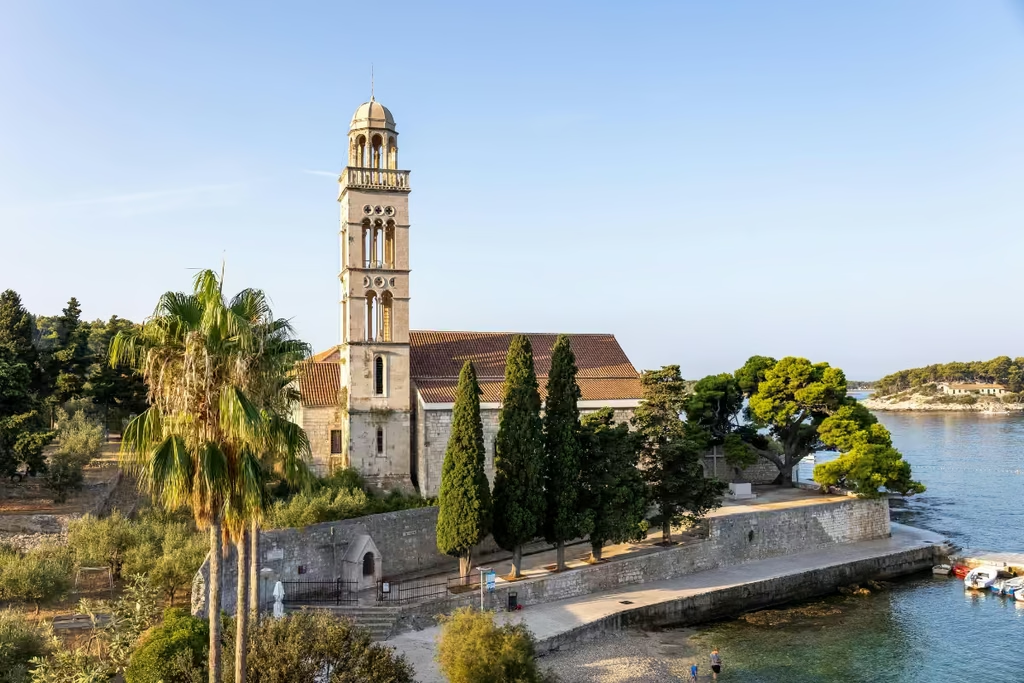
The island suits travelers who want variety rather than a completely secluded escape. You can spend a morning exploring the town, an afternoon swimming or taking a boat trip, and an evening over dinner near the water. If nightlife isn’t your priority, stay outside the busiest center or use Hvar Town as a base for exploring other parts of the island.
Hvar is popular, so I’d think carefully about the timing and style of your visit. The island feels different when you have room to move at your own pace rather than trying to fit every beach and viewpoint into a single day. Comfortable shoes are useful for stone streets and uneven paths, and a light day bag makes spontaneous swimming stops easier.
For budget travelers, compare island transport and accommodation locations before booking. A place that looks inexpensive may be less convenient if it requires costly or time-consuming transfers every day.
4. Plitvice Lakes National Park: Water, woodland, and boardwalk trails
Plitvice Lakes National Park is one of the best places to visit in Croatia for travelers who want a full day in nature. The park is known for a chain of lakes, waterfalls, forest, and walking paths that bring you close to the water without turning the visit into a demanding wilderness expedition.
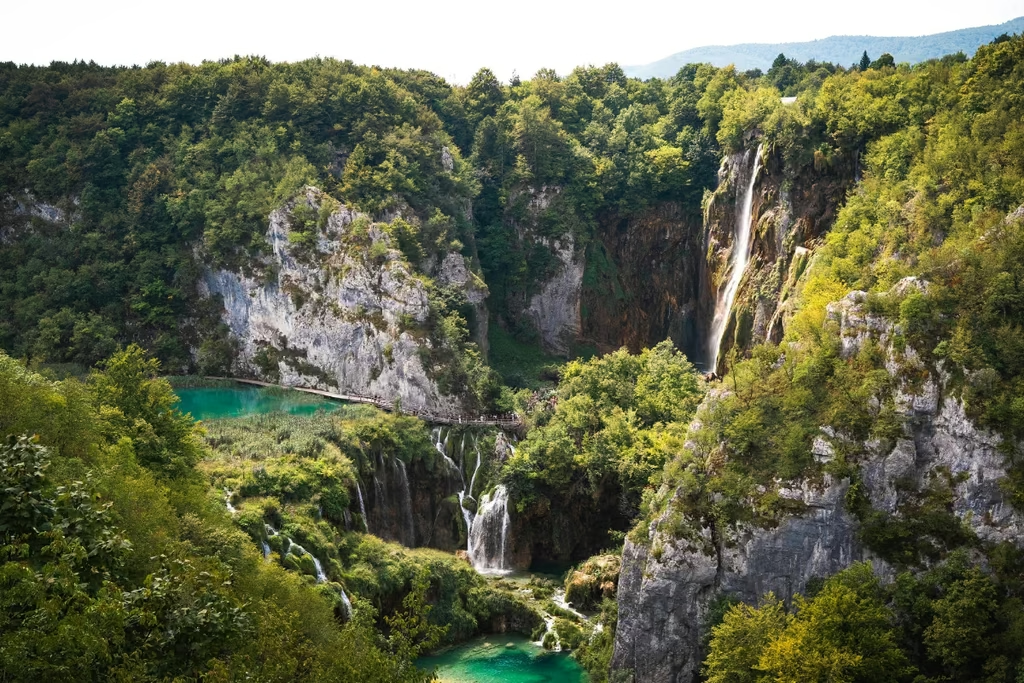
The scenery is the main attraction, but the experience depends heavily on planning. Check current visitor information, access arrangements, and trail conditions before you go. Choose a route that matches your available time and fitness, and wear shoes with good grip because paths can be wet or uneven.
I’d arrive prepared to spend much of the day outdoors. Bring water, sun protection, and a layer for changing conditions. If you’re visiting independently, think about your return transport before entering the park, particularly if you’re relying on limited connections.
Plitvice works well as a stop between Zagreb and the coast, but it can also be visited from another base with careful planning. Don’t rush it simply to add another destination to your itinerary. The lakes deserve a slower pace and attention beyond the most photographed viewpoints.
5. Zagreb: Croatia’s creative inland capital
Zagreb is one of the best places to visit in Croatia for travelers who enjoy museums, cafés, markets, architecture, and urban culture. It has a different feel from the Adriatic coast, which makes it a valuable addition to a trip rather than merely a place to arrive and depart.
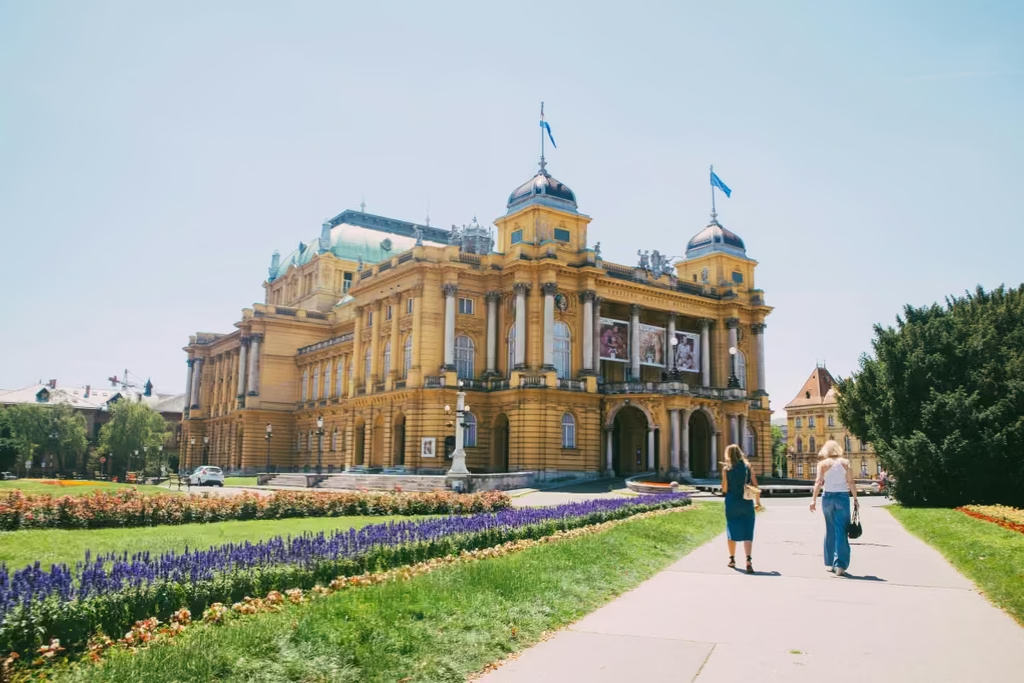
Explore the upper and lower parts of the city, stop for coffee, and make time for smaller cultural spaces as well as major attractions. Zagreb is a city where an unstructured afternoon can work beautifully: browse a market, find a local restaurant, and follow streets that look interesting instead of rushing between landmarks.
It’s also a good choice for solo travelers. The café culture creates natural spaces to pause alone, while walking tours, exhibitions, and shared accommodation can make meeting people easy without requiring a nightlife-focused trip.
Choose Zagreb if you want to understand a more everyday side of Croatia. It won’t replace the coast if you’re dreaming of swimming and island boats, but it adds balance and gives you a stronger sense of the country beyond its summer waterfronts.
6. Zadar: Sea organs, sunsets, and a relaxed old town
Zadar is one of the best places to visit in Croatia for travelers looking for a manageable historic city with a waterfront atmosphere. Its old town sits on a peninsula, making it easy to combine Roman and medieval remains, cafés, small restaurants, and sea views during a leisurely day.
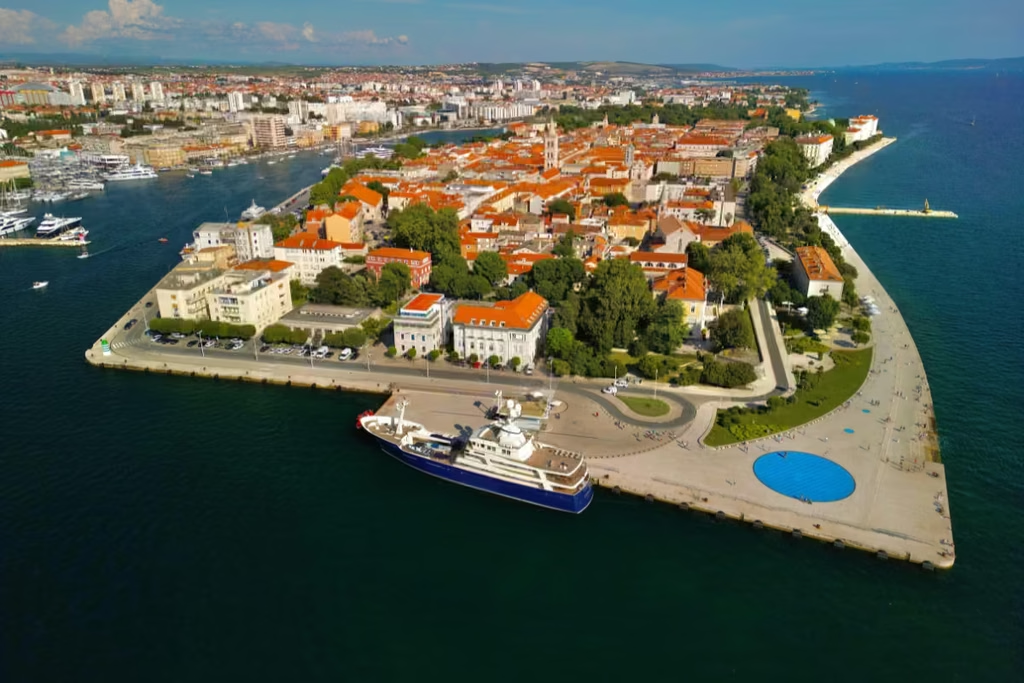
The waterfront is a natural place to pause near sunset, but I’d avoid reducing Zadar to one famous evening ritual. Walk through the old streets earlier in the day, notice the layers of history underfoot, and take time to explore the local food scene. The city’s appeal comes from the combination of ancient traces and contemporary public spaces.
Zadar can work as a base for exploring nearby islands and natural areas, depending on your transport plans. It’s a sensible choice for travelers who want something less intense than Dubrovnik while still having plenty of history and restaurants close at hand.
For independent travelers, Zadar offers a good balance: compact enough to explore on foot, lively enough for social opportunities, and flexible enough to support both a short stop and a longer stay.
7. Rovinj and Istria: Food, hill towns, and northern Adriatic character
Rovinj and the wider Istrian peninsula are among the best places to visit in Croatia for travelers who care about food, small towns, coastal scenery, and slower road trips. Rovinj’s old town rises above the water, with narrow lanes, colorful buildings, galleries, and restaurants that make wandering the main activity.
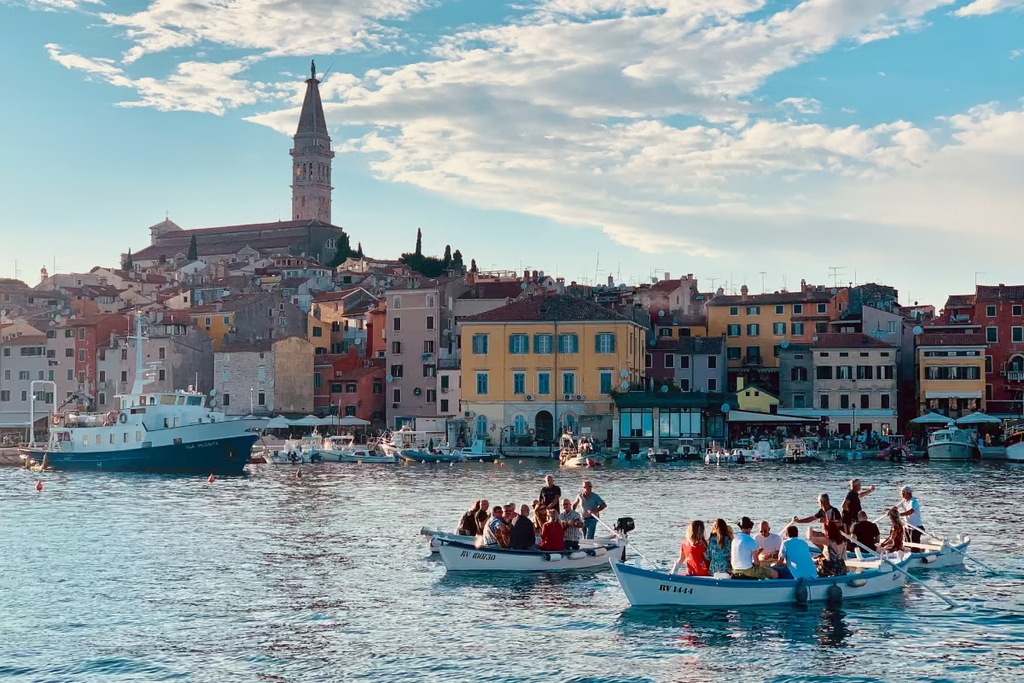
Istria becomes even more rewarding when you explore beyond Rovinj. Hill towns, vineyards, olive-growing areas, and inland villages create a contrast with the beach-focused destinations of Dalmatia. This is a region I’d choose when I wanted a trip built around local meals, scenic drives, and time spent in smaller communities.
A car can make the region easier to explore, but it also adds planning responsibilities. Check rental conditions, parking arrangements, and your route before setting out. If you’re traveling without a car, choose one base and focus on the places you can reach comfortably rather than trying to cover the entire peninsula.
Rovinj is particularly suitable for couples, solo travelers who enjoy independent wandering, and anyone who prefers atmosphere over a packed attraction list. Give yourself time to sit down for lunch. In Istria, that isn’t wasted sightseeing time; it’s part of the point.
8. Korčula: A slower island escape
Korčula is one of the best places to visit in Croatia for travelers who want island life with history, swimming, and a more relaxed pace. Korčula Town has stone streets and defensive architecture, while the wider island offers small settlements, vineyards, coves, and quiet roads.
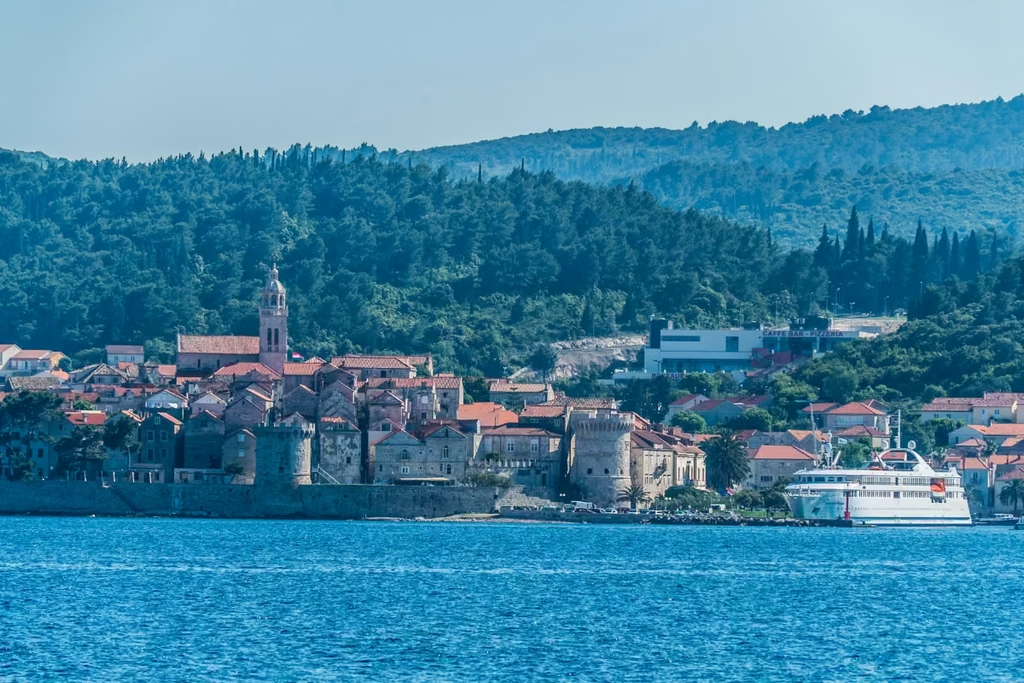
The island rewards travelers who resist overplanning. Spend a day exploring Korčula Town, then allow another day for swimming, a local excursion, or a journey into the countryside. You don’t need a packed schedule to enjoy the destination; the rhythm of moving between water, food, and old streets is enough.
Korčula can be a strong choice for solo travelers who want independence without isolation. Shared excursions and boat trips create easy social opportunities, while the town remains comfortable for wandering alone. If you prefer quiet evenings, choose accommodation away from the busiest waterfront areas.
As with any island itinerary, check current transport arrangements before you commit to tight connections. A little flexibility makes island travel much more enjoyable, especially when your plans depend on boats.
9. Šibenik and Krka National Park: History with an outdoor side
Šibenik and Krka National Park are among the best places to visit in Croatia for travelers who want to combine a historic coastal town with waterfalls, rivers, and green landscapes. Šibenik has a more understated feel than some of the country’s famous city stops, which makes it appealing for travelers who want to slow down.
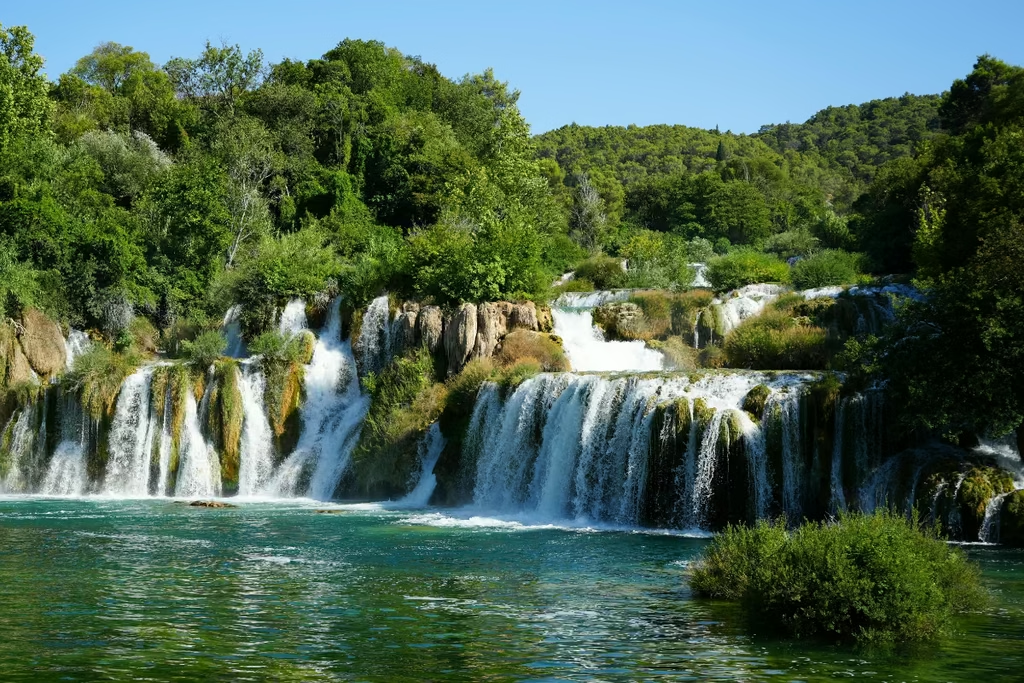
Explore the old streets and waterfront before using the town as a base for a nature-focused day. In Krka National Park, follow current guidance about access, trails, swimming, and visitor rules. Conditions and permitted activities can change, so check official information for the year of your visit rather than relying on old recommendations.
This area is useful for independent travelers because it offers two different experiences close together: architecture and restaurants in town, followed by a day surrounded by water and woodland. You can choose how active you want to be without committing your whole itinerary to either cities or nature.
Šibenik is also a good alternative to staying in a larger coastal hub. Choose it if you value atmosphere, a manageable historic center, and the ability to build a varied few days.
10. Brač: Beaches, villages, and an active island base
Brač is one of the best places to visit in Croatia for travelers who want a flexible island experience with beaches, villages, outdoor activities, and local food. Rather than treating the island as a single resort, use it as a base for exploring different coastal and inland areas.
Beach time is an obvious draw, but Brač can also suit travelers who enjoy walking, cycling, scenic viewpoints, and discovering smaller settlements. Choose your base according to the atmosphere you want: a livelier waterfront, a quieter village, or a location that makes day trips easier.
The island works well for a mixed-age group and for solo travelers who want options during the day. Shared boat trips and outdoor excursions make meeting people natural, while independent travelers can still create a quiet itinerary around swimming, reading, and long meals.
I’d allow more time than you think you need if you plan to explore beyond one town. Island distances may look manageable on a map, but the experience is better when you leave room for stops and changing plans.
How to build a Croatia itinerary
A good Croatia itinerary usually combines one or two historic cities with an island or nature destination. For a first trip, you might pair Zagreb and Plitvice Lakes with Split and one island. Another route could focus on Dubrovnik, Korčula, and Hvar for a stronger southern-island experience.
- For history and culture: choose Zagreb, Split, Dubrovnik, and Šibenik.
- For beaches and island time: consider Hvar, Brač, and Korčula.
- For nature: combine Plitvice Lakes with Krka National Park or an outdoor-focused island stay.
- For food and slow travel: base yourself in Istria and explore Rovinj and nearby hill towns.
- For a shorter first visit: select Split or Dubrovnik as your main base and add one nearby destination.
Transport should shape your route from the beginning. Check current ferry, bus, road, and park information before booking accommodation, and avoid planning a same-day chain of connections unless you have plenty of flexibility. Croatia is much more enjoyable when you can spend an extra hour at lunch or stay for one more swim.
If you’re comparing Croatia with other varied travel destinations, you may also enjoy our guides to the best places to visit in Morocco and the best places to visit in Argentina. Both countries offer a useful reminder that the strongest itineraries are built around regional contrasts, not just famous city names.
Practical tips for visiting Croatia
Pack for walking, swimming, and changing weather. Comfortable shoes matter in old towns, where polished stone can be uneven or slippery, while a compact day bag is useful for water, sun protection, and an extra layer. If you’re visiting national parks, bring footwear suited to outdoor paths rather than relying on casual sandals.
Check current information for ferry schedules, park access, local transport, and attraction arrangements before setting out. I wouldn’t build a tight itinerary around an old timetable or assume that an activity operates in the same way every year.
Food is a major part of the Croatian experience, so look beyond waterfront restaurants with the most prominent menus. Try regional seafood, grilled dishes, local cheeses, pastries, olive oil, and Istrian specialties when you’re in the north. Markets, family-run restaurants, and small village stops can reveal more than a polished tourist district.
Solo travelers have plenty of ways to meet people: walking tours, hostels, boat trips, cooking activities, and group excursions all create easy openings for conversation. At the same time, don’t feel pressured to turn every day into a social event. Croatia is just as rewarding when you spend an afternoon swimming alone or wandering a historic town at your own pace.
What to do next
Start by choosing your main Croatian experience. If you want historic cities, begin with Dubrovnik, Split, Zagreb, or Šibenik. If you’re imagining island days, compare Hvar, Korčula, and Brač. For forests and waterfalls, look at Plitvice Lakes and Krka, while Istria is a natural fit for food, villages, and a slower road trip.
Once you’ve chosen two or three anchors, check current transport information and build in room between connections. Then leave space for the parts of travel that can’t be scheduled: a long coffee, a quiet cove, a local recommendation, or a town you hadn’t expected to love. Croatia is easy to enjoy when you give yourself permission to explore at a human pace.






3 Comments