
3-Day New York Itinerary: Top Epic City
A well-planned new york itinerary should give you the city’s famous landmarks without turning every day into a race. New York rewards curious travelers who combine a few major sights with neighborhood walks, casual food stops, public parks, and time to simply watch the city move.
This three-day plan is designed for first-time visitors, solo travelers, and anyone who wants a practical introduction without packing every hour with reservations. I’ve grouped each day by area where possible, because crossing New York repeatedly can drain your energy faster than you expect. Use the route as a framework, then adjust it around your interests, budget, and arrival schedule.
You’ll see Manhattan highlights, experience a little Brooklyn, find room for museums and local culture, and still have opportunities to wander. Before your trip, check current opening arrangements, attraction access, transport information, and reservation requirements for the exact dates you plan to visit.
Before choosing your daily routes, it’s worth comparing hotels in New York City by location, transport access, and budget. Staying near the areas you plan to explore can save time and make a three-day visit easier.
Table of Contents
How to use this New York itinerary
This New York itinerary works best when you treat it as a flexible sequence rather than a strict timetable. Each day has a main area and a few optional additions, so you can shorten the route when you’re tired or stay longer somewhere that interests you.
For a first visit, I’d prioritize location over trying to collect every attraction. New York is dense, but its neighborhoods have very different personalities. A morning around Lower Manhattan feels unlike an afternoon in Greenwich Village, while Brooklyn’s waterfront offers a completely different perspective on the skyline.
- Book selectively: reserve only the attractions or experiences that matter most to you.
- Group nearby stops: this saves time and leaves more energy for exploring on foot.
- Keep meals flexible: a food hall, deli, market, or neighborhood restaurant may suit your day better than a fixed reservation.
- Build in recovery time: a short break in a park or café can make the evening much more enjoyable.
- Use public spaces wisely: New York offers plenty to see without paying an admission fee at every stop.
If you’re extending your trip beyond New York, compare it with other major city breaks. Our guide to things to do in London is useful for travelers choosing between two energetic, history-filled cities.
Day 1: Lower Manhattan and the Brooklyn skyline
Spend your first day in Lower Manhattan, where you can connect New York’s colonial, financial, immigrant, and modern histories before ending with skyline views from Brooklyn.
Begin around the historic core
Start in the area around the southern tip of Manhattan and walk through the streets near the financial district. The architecture changes quickly here: narrow historic lanes lead toward tall office towers, civic buildings, public plazas, and the waterfront.
One of the pleasures of this area is the contrast between old and new. You can look up at contemporary skyscrapers, then turn down a side street and find a quieter corner with a much older atmosphere. Give yourself permission to explore without photographing every building. The city feels more interesting when you notice how people use these spaces during an ordinary weekday.
Continue toward the waterfront and consider a visit to the 9/11 Memorial area if you want a reflective historical stop. Check current visitor arrangements before planning your morning around an indoor museum or memorial site, and allow enough time to approach it respectfully rather than treating it as a quick checkbox.
Choose your harbor experience

From Lower Manhattan, you can decide how much time to spend near the harbor. A paid boat cruise may appeal if you want guided views, but you don’t need to book an expensive experience to appreciate the water and skyline. Public waterfront areas and ferry routes can offer useful perspectives, subject to current routes, schedules, and ticket arrangements.
If seeing the Statue of Liberty is a priority, research the official access options before you travel. Different experiences may involve different departure points, reservations, and time commitments. If you prefer to keep the day flexible, view the statue from the waterfront and save your energy for exploring neighborhoods.
If you want to see the skyline from the water, compare available New York harbor cruises before your visit. Check the departure point, duration, inclusions, and cancellation policy before booking.
Walk across Brooklyn Bridge or explore nearby streets
Later, make your way toward Brooklyn Bridge. The pedestrian path can be busy, so stay aware of cyclists and avoid blocking the route for photographs. The walk is less about rushing from one side to the other and more about seeing how Manhattan’s skyline changes as you move.
On the Brooklyn side, continue into DUMBO and Brooklyn Bridge Park. The waterfront is an excellent place to pause, especially if your first day has been full of landmarks. You can sit with the skyline in view, find a casual meal, or keep walking through the surrounding streets.
For a more local-feeling finish, explore Brooklyn Heights or Cobble Hill instead of immediately returning to Manhattan. Independent shops, cafés, restaurants, and residential streets give you a calmer introduction to Brooklyn. Solo travelers may find this part of the evening easier than navigating another major attraction.
Day 2: Central Park, museums, and Greenwich Village
Use your second day for Central Park, one carefully chosen museum, and the neighborhood streets south of the park. This combination gives you art, open space, food, and a slower change of pace.
Start with Central Park

Central Park is large enough to occupy an entire day, but you don’t need to cross every path to enjoy it. Choose the section that fits your plans and allow time to walk, sit, and observe how New Yorkers use the park.
You might begin near the southern entrance and gradually move north, or start closer to the museum district and combine the park with an indoor visit. The best route depends on your energy and the weather. Check current access information for gardens, events, and specific facilities before setting out.
Bring a snack or pick up something simple nearby, then take a proper break. New York sightseeing can become surprisingly physical, and a quiet stretch in the park may help you enjoy the rest of the day more than another rushed attraction would.

Choose one museum
New York has enough museums to fill several trips, so choose one based on your interests rather than trying to visit multiple large institutions in a few hours. Art lovers may prefer a major collection, while others might choose design, natural history, photography, or a smaller specialist museum.
Check current ticket arrangements, opening hours, timed-entry policies, and special exhibition costs before visiting. Permanent collections and temporary exhibitions may follow different rules. If you’re traveling on a budget, compare free or pay-what-you-can opportunities where available, but verify the current policy directly.
I’d rather spend two focused hours in one museum than rush through three and remember very little. Leave the building when your attention starts to fade; the city outside is part of the experience too.
Walk through Greenwich Village and the West Village
In the afternoon, head south toward Greenwich Village and the West Village. These neighborhoods are ideal for walking because the streets feel less rigidly planned than much of Midtown, and each turn can reveal a different building, small business, or pocket of public life.
Browse independent bookstores, cafés, record shops, and casual restaurants. Washington Square Park is a natural pause, but don’t limit yourself to the most recognizable square. Wander the surrounding streets and notice how quickly the atmosphere changes.
This is also a good evening for a food-focused plan. New York’s dining culture is too broad to reduce to one famous dish, so choose a neighborhood and explore what appeals to you. A low-key meal, bakery stop, or shared food-hall table can be easier for solo travelers than an expensive formal restaurant.
If you enjoy city food culture, you may also like our guide to the best places to visit in Turkey, where regional dishes and neighborhood exploration are central to the travel experience.
Day 3: Midtown icons, Queens culture, or a deeper neighborhood day
Make your third day adaptable: visit the Midtown landmarks that matter to you, then choose between a museum-and-theater afternoon, a trip to Queens, or a slower neighborhood route.
See Midtown without surrendering the whole day
Midtown contains many of New York’s most recognizable sights, but it can be overwhelming if you try to see everything at once. Choose a compact route around the landmarks that genuinely interest you.
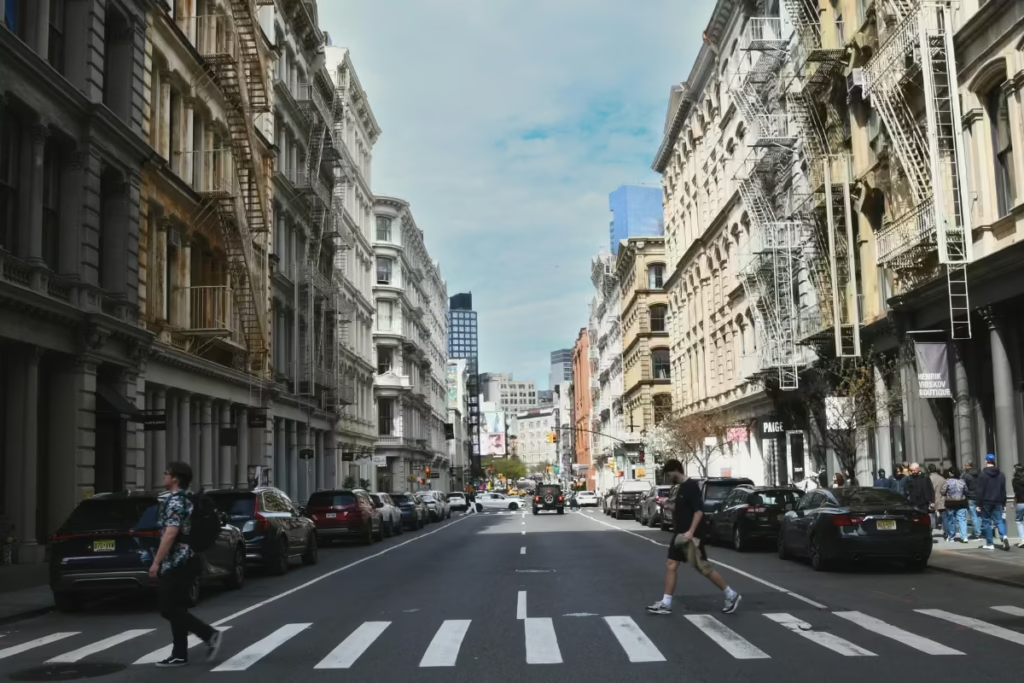
Times Square is worth seeing, especially if it’s your first visit, but you don’t need to spend hours there. Walk through, take in the lights and crowds, then move toward a quieter street. The same principle applies to Rockefeller Center, Grand Central Terminal, and the nearby avenues: appreciate the architecture, then look for smaller spaces where you can slow down.
Grand Central is particularly rewarding for travelers who enjoy architecture and everyday city movement. Visit respectfully, avoid obstructing commuters, and pay attention to the details above the main concourse. It’s a working transport hub, not just a photo backdrop.
Choose an evening cultural experience
New York’s theater, comedy, jazz, dance, and live-music scenes give you plenty of ways to spend your final evening. You don’t have to choose the biggest production in the city. Smaller venues may suit travelers who prefer a more intimate atmosphere, while a major show can be worthwhile if it’s one of your main reasons for visiting.
Compare current schedules, ticket prices, seating options, venue policies, and cancellation terms before committing. If you’re traveling alone, theater is especially easy to enjoy independently. You can choose the performance that fits your day without coordinating with a group.
Alternative: explore Queens
If museums and Midtown don’t appeal to you, spend part of the day exploring Queens. The borough offers a broad mix of cultures, food traditions, parks, galleries, and residential neighborhoods. Choose one area rather than attempting to cover the entire borough.
Queens is a strong option for travelers who want to experience New York through its communities and food. Research a few places before you go, but leave room to follow a recommendation from a shop owner, café worker, or host. Be respectful when photographing residential streets and remember that the neighborhoods you’re exploring are lived-in communities, not open-air attractions.
For a different kind of longer-stay inspiration, our guide to the best places to work remotely abroad looks at how travelers can choose destinations around daily routines, practical accommodation, and meaningful time outside work.
How to make New York work on a budget
You can enjoy New York on a budget by balancing paid attractions with parks, neighborhood walks, public spaces, markets, and carefully chosen meals.
- Pick priority attractions: choose the two or three experiences you most want, then avoid paying for everything else automatically.
- Walk strategically: New York is best experienced on foot, especially when you group nearby neighborhoods together.
- Use casual food options: delis, bakeries, food halls, markets, and neighborhood restaurants can give you variety without formal dining costs every night.
- Plan around free spaces: Central Park, waterfront promenades, public plazas, bridges, and neighborhood streets can fill hours.
- Check current attraction deals: compare passes and individual tickets based on your actual plans rather than assuming a pass is automatically cheaper.
- Stay flexible: an unplanned walk can replace an expensive activity when weather, energy, or budget changes.
Accommodation often shapes the total cost more than travelers expect. Compare location, transport access, kitchen facilities, laundry, workspace, and neighborhood food options alongside the nightly rate. A slightly less central base may work well if you’re comfortable traveling into Manhattan, while a central room can save time if this is a very short trip.
Practical tips for a smoother New York trip
The city becomes easier when you prepare for its pace without trying to control every detail.
- Wear comfortable shoes: even with public transport, you’ll probably walk more than expected.
- Keep your phone charged: maps, digital tickets, translation tools, and transit information are useful throughout the day.
- Check the exact entrance: large attractions and transport hubs may have several access points.
- Allow extra time: crowds, delays, security checks, and navigation mistakes can affect a tightly planned day.
- Respect local routines: move aside on busy sidewalks, let passengers exit trains first, and avoid blocking stairs or doorways.
- Protect your attention: you don’t need to photograph every landmark. Put the phone away occasionally and notice the city directly.
For travelers combining New York with another country, our guide to the best time to visit Montenegro can help you compare a fast-paced American city break with a slower Adriatic journey shaped by coast, mountains, and seasonal conditions.
What should you do next?
Start by choosing the three experiences you most want from New York: famous landmarks, museums, food, neighborhoods, live culture, shopping, or simply absorbing the city’s energy. Put those priorities into the itinerary first, then add flexible activities around them.
For three days, resist the temptation to visit every borough and attraction. A focused route through Lower Manhattan, Brooklyn, Central Park, Greenwich Village, Midtown, and one optional neighborhood will give you variety without making every day feel like a transfer.
Before booking, check current attraction access, ticket arrangements, transport information, weather, and accommodation conditions. Leave space for a meal that takes longer than expected, a conversation with another traveler, or a street that pulls you in a different direction.
The best New York trip isn’t the one with the longest checklist. It’s the one that helps you experience the city with enough curiosity and breathing room to notice what makes each neighborhood different.