
Best Time to Visit Argentina: Avoid These Costly Mistakes
The best time to visit Argentina depends on where you’re going, how much ground you want to cover, and whether you’re planning around city life, mountains, waterfalls, wine country, or long-distance overland travel. Argentina is enormous, so choosing one “perfect” month for the whole country can create expensive mistakes.
I’d start with the experience that matters most, then build the route around it. Patagonia has a very different travel calendar from Buenos Aires, while Iguazu Falls and the northwest bring their own weather considerations. Add peak-season demand, regional transport, and the cost of changing plans, and the cheapest-looking itinerary can quickly become the most expensive one.
Table of Contents
What is the best time to visit Argentina?
The best time to visit Argentina for a broad first trip is usually one of the shoulder seasons, particularly spring or autumn, when you can combine cities, wine country, and selected outdoor destinations without planning everything around the busiest travel period. That answer is only a starting point, though, because Argentina stretches across several climate zones.
Remember that Argentina is in the Southern Hemisphere. Spring generally falls from September to November, summer from December to February, autumn from March to May, and winter from June to August. Those labels are useful, but they don’t tell the whole story. A winter city break in Buenos Aires is a completely different proposition from a winter trip to Patagonia.
For an independent trip, I’d ask four questions before booking flights:
- Which region is non-negotiable?
- Do I want hiking, wildlife, food, nightlife, beaches, or a mixture?
- Can I travel outside the busiest period?
- How much flexibility do I have if weather disrupts an outdoor plan?
If your itinerary is still taking shape, compare Argentina with a destination that is easier to cover regionally. Our guide to the best places to visit in Albania is useful for seeing how a smaller country can support a very different style of independent travel.
Argentina by season: what changes throughout the year
Each season suits a different kind of Argentina trip, so the smartest choice depends on your route and tolerance for crowds, changeable weather, and higher demand.
Spring: September to November
Spring can be a strong compromise for travelers who want Buenos Aires, northern destinations, wine country, and some outdoor activity. Conditions vary widely by region, but the season often appeals to travelers who want to avoid building their whole trip around the height of summer.
For Patagonia, spring is a transition period. Some services, trails, and excursions may operate differently from the main summer period, so check current arrangements for your exact travel year. If hiking is your main reason for visiting, don’t book flights first and investigate trail access later. That is one of the easiest ways to pay for an itinerary that doesn’t match reality.
Spring can also work well for Buenos Aires. You can combine neighborhoods, museums, cafés, markets, and evening activities without making the entire trip a heat-management exercise. Pack layers, because temperatures can shift during the day and regional conditions may differ sharply.
Summer: December to February
Summer is the most obvious season for many Patagonia itineraries, especially for travelers prioritizing longer days and outdoor adventures. It is also a period when demand can rise, particularly around holidays and popular routes. Accommodation, buses, flights, guides, and excursions may have less flexibility, so waiting until arrival can be a costly gamble.
Summer is not automatically ideal everywhere. Buenos Aires can feel hot, and popular destinations may be busy. If your plan includes several long transfers, avoid squeezing every stop into the same week. A delayed connection or canceled excursion can become expensive when there is no spare day.
For a social trip, summer can be appealing. Hostels, group hikes, shared excursions, and organized activities create easy ways to meet people. I’d still reserve the parts of the route that are difficult to replace, then leave room for slower days and independent wandering.
Autumn: March to May
Autumn is often attractive for travelers who want a balanced trip combining Buenos Aires, food and wine, northern landscapes, and selected outdoor experiences. The season can bring a more relaxed atmosphere than the height of summer, but conditions differ by elevation and latitude.
For anyone interested in Mendoza and Argentina’s wine culture, autumn can be a compelling time to research harvest-related experiences. Don’t assume that every winery, vineyard, or tasting room follows the same schedule, though. Confirm current availability directly before making a long transfer for one activity.
Autumn is also useful for travelers who prefer a flexible itinerary. You might begin in the capital, move toward wine country, and then decide whether to add northern Argentina or Patagonia based on current conditions. That approach can work well, but only if you avoid nonrefundable bookings across the entire route.
Winter: June to August
Winter can be a good time for Buenos Aires, northern Argentina, skiing, and selected wine-country trips. It is a less obvious choice for travelers whose only goal is hiking in Patagonia, where access and conditions can be more limited outside the main outdoor season.
Buenos Aires can suit a winter city break because its museums, restaurants, cafés, bookstores, tango venues, and neighborhoods give you plenty to do indoors and outdoors. This is also a useful season for travelers who prefer city culture to a packed outdoor itinerary.
Winter travel requires more regional research. Mountain roads, flights, trails, excursions, and accommodation services may not operate in the same way throughout the year. Before booking a supposedly cheap winter route, check what is actually open and how many connections you need.
Best time to visit Argentina by region
The best time to visit Argentina becomes much easier to choose when you divide the country into travel regions instead of treating it as one destination.
Buenos Aires
Buenos Aires works in every season because the city’s main appeal is its culture, neighborhoods, food, nightlife, architecture, and social energy rather than one weather-dependent attraction. Spring and autumn are comfortable starting points for walking-heavy itineraries, while winter can suit travelers who enjoy museums, cafés, and restaurants.
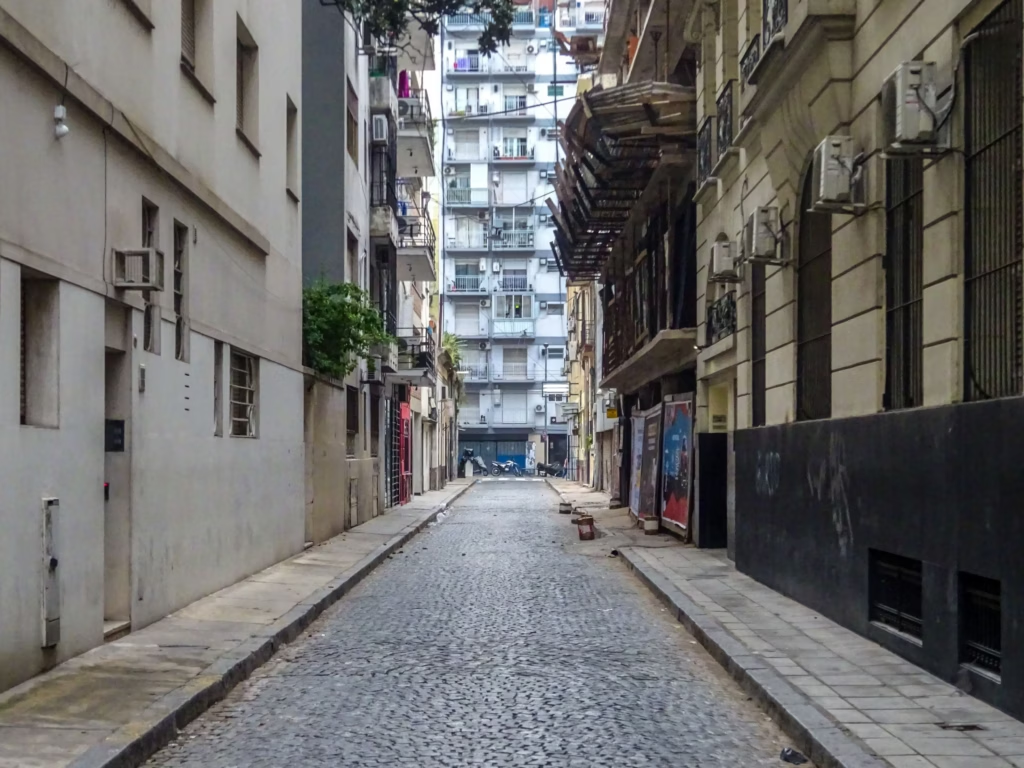
Summer can still work, but plan your days intelligently. Explore earlier, take breaks during the warmest part of the afternoon, and remember that a city trip is better when you don’t turn every day into a checklist. Solo travelers can join walking tours, food experiences, dance classes, or small group activities, then keep plenty of time for independent exploration.
Patagonia
Patagonia requires the most careful seasonal planning. Many travelers target the warmer months for hiking and outdoor travel, but the exact experience depends on the park, route, elevation, transport, and current operating arrangements.
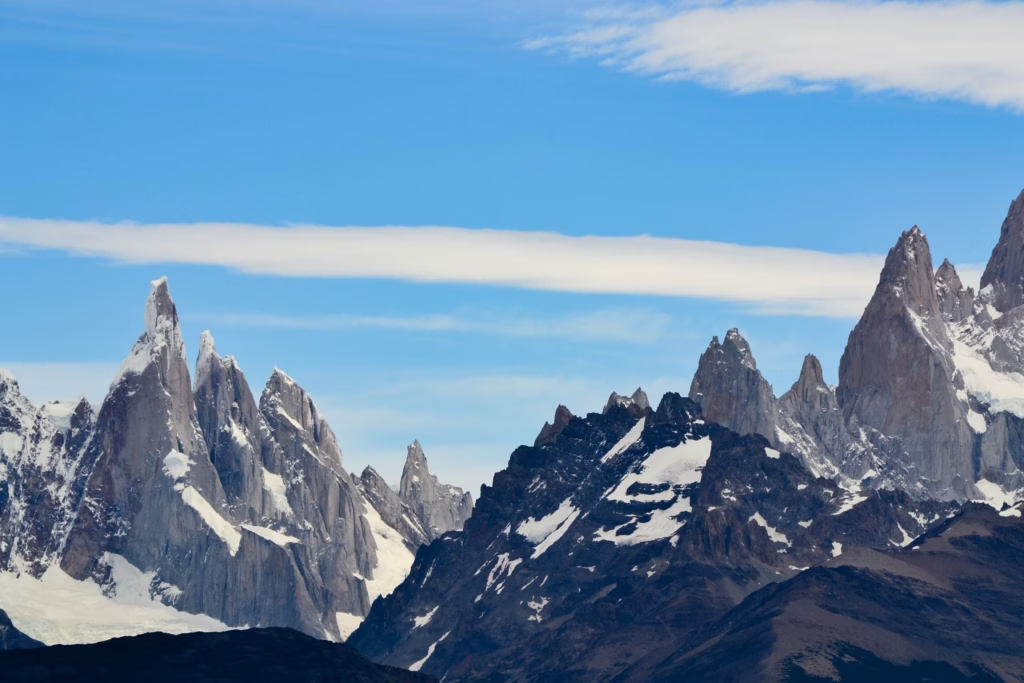
Do not assume that a long-distance bus, lodge, trail, boat excursion, or guide service will be available simply because it appeared in an older itinerary. Check current information for your travel year, especially if you are connecting several remote areas. Build buffer days into the plan and carry clothing for changing conditions.
Patagonia can be rewarding for solo travelers, but independent does not mean casual. Tell someone your hiking plan, understand the route, check local conditions, and avoid treating a difficult trail as a spontaneous add-on. If you want company, a small-group trek or guided day walk can add both practical support and a natural social element.
Iguazu Falls
Iguazu Falls can be visited across the year, but water levels, heat, rain, crowds, and trail conditions can affect the experience. The falls sit in a warmer, more humid part of Argentina than Buenos Aires or Patagonia, so pack for a very different climate if you combine them in one trip.
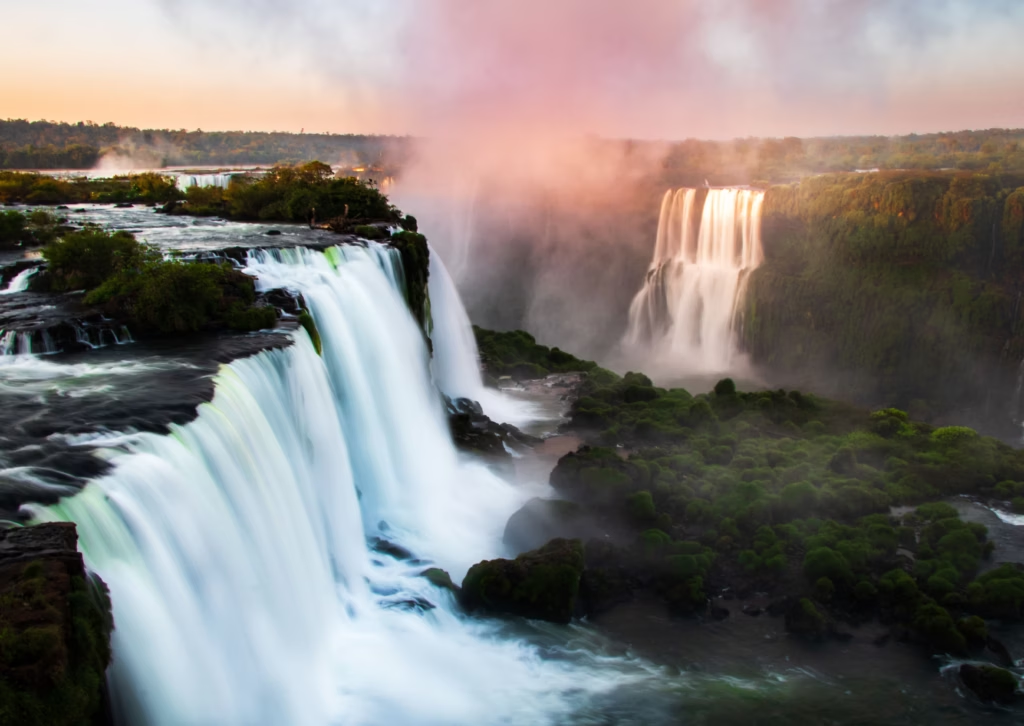
Allow enough time to explore rather than treating the falls as a rushed stop between flights. Check current park access, transport, weather, and trail information before you go. Comfortable shoes, lightweight clothing, sun protection, and a waterproof way to protect electronics are sensible additions to a day bag.
Mendoza and wine country
Mendoza suits travelers interested in vineyards, food, mountain scenery, cycling, and slower days. The right season depends on whether you care most about vineyard visits, harvest-related experiences, outdoor activities, or avoiding peak demand.

Research wineries and tour operators before arriving. Distances between places can make an informal plan surprisingly awkward, especially if you want to visit several vineyards without a car. A small-group wine tour can be useful for solo travelers because it solves transport and creates an easy way to meet people.
Our guide to the best things to do in Morocco explores a different kind of food and culture trip, but it may help if you’re comparing destinations around cooking, local experiences, and social travel.
Northwest Argentina
Northern Argentina offers a very different atmosphere from Buenos Aires and Patagonia, with high-altitude landscapes, distinctive regional food, historic towns, and broad scenery. The main mistake here is underestimating how elevation, road conditions, and long transfers affect an itinerary.
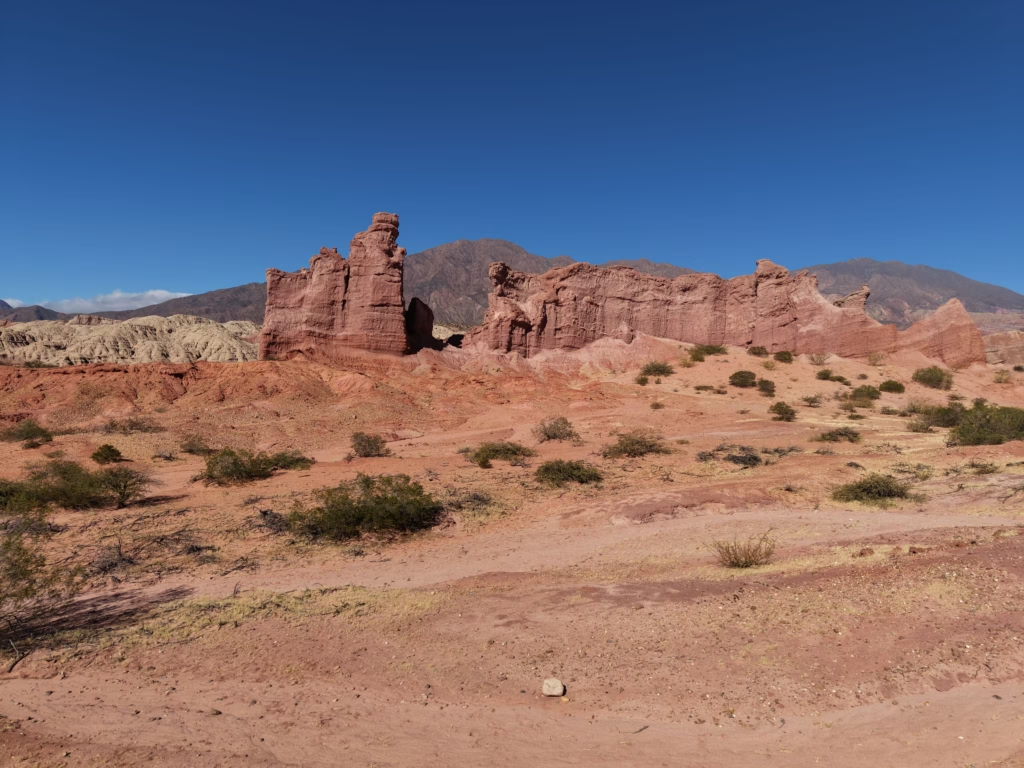
Plan slowly, allow time to adjust to altitude where relevant, and avoid stacking several demanding excursions immediately after arrival. Check current road and transport information, particularly if you’re traveling independently through remote areas. A local guide can add context while helping you choose activities that match your fitness and the conditions.
Costly mistakes to avoid when planning Argentina
The most expensive Argentina mistakes usually come from planning the country as if it were compact. Saving money on one flight means little if it forces extra transfers, missed connections, or nonrefundable changes elsewhere.
Trying to see everything in one trip
Buenos Aires, Iguazu Falls, Mendoza, Salta, and Patagonia may all look possible on a map, but adding every region can create a tiring and fragile itinerary. Choose two or three anchors instead. You’ll spend less time moving, have more time for local experiences, and be better able to adapt when weather or transport changes.
Booking the cheapest flight without checking the route
A low airfare can become expensive when it lands far from your first destination or requires a tight domestic connection. Compare the entire journey, including baggage, transfers, overnight stays, and the cost of reaching your actual route. I’d rather pay slightly more for a practical arrival than lose a day and add a stressful connection.
Ignoring peak demand
Popular hiking regions, holiday periods, and major cities can become more expensive when demand rises. If your dates are fixed, reserve the essential pieces early. If your dates are flexible, compare shoulder-season options and avoid assuming that a quieter month will have identical services.
Planning outdoor days with no flexibility
Never build a long international trip around one trail, boat, flight, or weather-dependent excursion without a backup. Add spare time before important departures, and avoid booking a costly same-day connection immediately after a remote activity.
Forgetting the social side of solo travel
Traveling alone doesn’t mean booking a fully organized tour. Choose one or two structured experiences, such as a food walk, cooking class, wine tour, guided hike, or hostel activity. These create natural opportunities to meet people while keeping the rest of your trip independent.
How to plan a budget-friendly Argentina trip
A budget-friendly Argentina trip starts with a realistic route. Fewer internal flights, longer stays, shared excursions, hostels, guesthouses, local restaurants, and public transport can all help, but availability and convenience vary by region.
Compare the total cost of each season rather than looking only at room rates. A cheaper stay may be far from transport or require expensive transfers. Likewise, a shared tour may cost more than going alone but save money on transport and provide useful local knowledge.
Keep some spending space for the experiences that matter to you. I’d cut unnecessary transfers before cutting a memorable food tour, guided hike, or locally run activity. Those are often the parts of a trip that make a destination feel personal rather than interchangeable.
If you’re comparing Argentina with other long-distance destinations, our guide to the best places to visit in the UK offers a useful contrast in regional travel, transport planning, and seasonal choices.
What to pack and check before you go
Pack for the regions on your actual route, not for an imaginary average Argentine day. A city itinerary needs different clothing from Patagonia, while Iguazu Falls and the northwest may call for lightweight layers, sun protection, and practical footwear.
- Comfortable walking shoes for cities, parks, and uneven paths.
- Layered clothing for changing temperatures and different elevations.
- A waterproof layer and a way to protect electronics during wet excursions.
- Sun protection, a refillable bottle, and a small day bag.
- Warm clothing if Patagonia or high-altitude areas are on your route.
- Offline copies of accommodation, transport, and activity details.
Before departure, check current entry requirements, transport arrangements, park access, weather, trail information, payment guidance, and accommodation details for your nationality and travel dates. Use official or reputable local sources for anything that could change. Do not rely on an old blog post for a current schedule or operating season.
What to do next
Start by choosing your priority: Patagonia hiking, Buenos Aires culture, Iguazu Falls, Mendoza wine country, or northern landscapes. Then choose a season that supports that experience instead of trying to find one month that works equally well everywhere.
Next, create a route with two or three main bases, check the full cost of moving between them, and reserve the parts with limited availability. Leave buffer days around remote excursions and important departures. That simple decision can save more money than chasing the cheapest individual booking.
Argentina is at its best when you give it room to surprise you. Keep the plan practical, but leave time for a long meal, a neighborhood you didn’t expect to enjoy, a conversation in a hostel kitchen, or one extra day somewhere that feels worth staying.

4 Comments