
10 Brilliant Things to Do in Montenegro
Looking for the best things to do in Montenegro? This compact Balkan country brings together walled old towns, dramatic mountains, clear Adriatic coastline, calm lakes, rivers, local food, and scenic roads that make independent travel feel wonderfully varied. You can spend the morning exploring medieval streets, the afternoon swimming in the sea, and the next day hiking beneath rugged peaks.
I’d plan Montenegro by region rather than trying to tick off every attraction in one rushed loop. The coast, Bay of Kotor, central towns, and northern mountains each have a distinct personality. That variety is the real appeal: Montenegro can suit a relaxed beach break, an active outdoor trip, a cultural escape, or a social backpacking route.
If you’re still planning your trip, compare available flights to Montenegro before choosing your arrival airport and travel dates.
Before booking, check current transport, attraction access, weather, road conditions, accommodation availability, and any seasonal restrictions for your travel dates. Schedules and operating arrangements can change, particularly outside the busiest summer period.
Table of Contents
What are the best things to do in Montenegro?
The best things to do in Montenegro include exploring Kotor’s old town, sailing or kayaking around the bay, visiting Perast, swimming along the Adriatic coast, discovering Budva and Ulcinj, hiking in the north, and trying local food in smaller towns.
For a first trip, I’d combine one historic base, one coastal experience, and one mountain or lake adventure. That gives you a better sense of the country than staying only at a beach resort or rushing between viewpoints. Montenegro is small enough to look manageable on a map, but winding roads, seasonal traffic, weather, and changing transport connections can make a journey take longer than expected.
If you’re building a wider European route, you may also enjoy our guide to the best cities in the UK. Montenegro feels very different from a British city break, but the same planning principle applies: choose places that match your pace instead of trying to see everything.
1. Explore Kotor Old Town and its fortress views
Kotor Old Town is one of the essential things to do in Montenegro because its stone lanes, historic squares, churches, cafés, and mountain setting create an immediate sense of place.
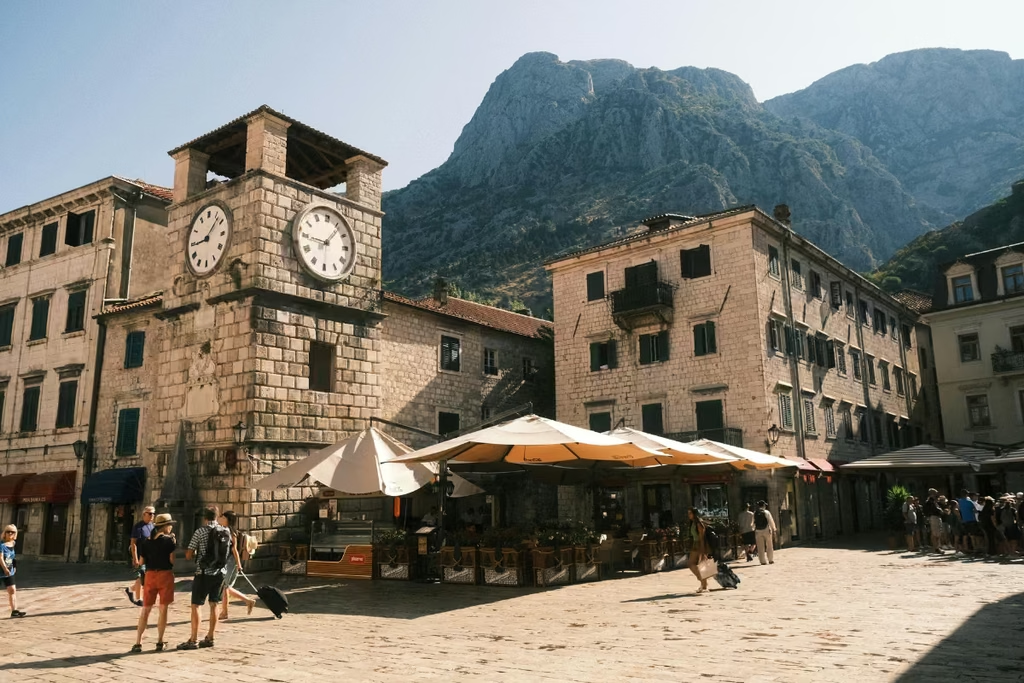
Give yourself time to wander without following a strict route. Look into small courtyards, pause in a shaded square, and notice how the town changes as the day progresses. The main lanes can become busy, so exploring earlier or later may give you a calmer experience. Check current access information if you plan to visit museums, churches, or other historic interiors.
The climb toward the fortress above Kotor is a more demanding experience, but it offers a completely different perspective on the bay and the town. I’d treat it as a proper walk rather than a quick viewpoint visit. Wear shoes with good grip, carry water, and check weather and local conditions before setting out. Heat, wind, rain, and uneven stone can change the difficulty quickly.
Kotor is also a useful base for solo travelers. Walking tours, hostel common areas, boat excursions, and casual restaurants create natural opportunities to meet people without needing to plan a full group itinerary.
2. See the Bay of Kotor from the water
Exploring the Bay of Kotor by boat or kayak is one of the most memorable things to do in Montenegro because the landscape looks completely different from the shoreline.
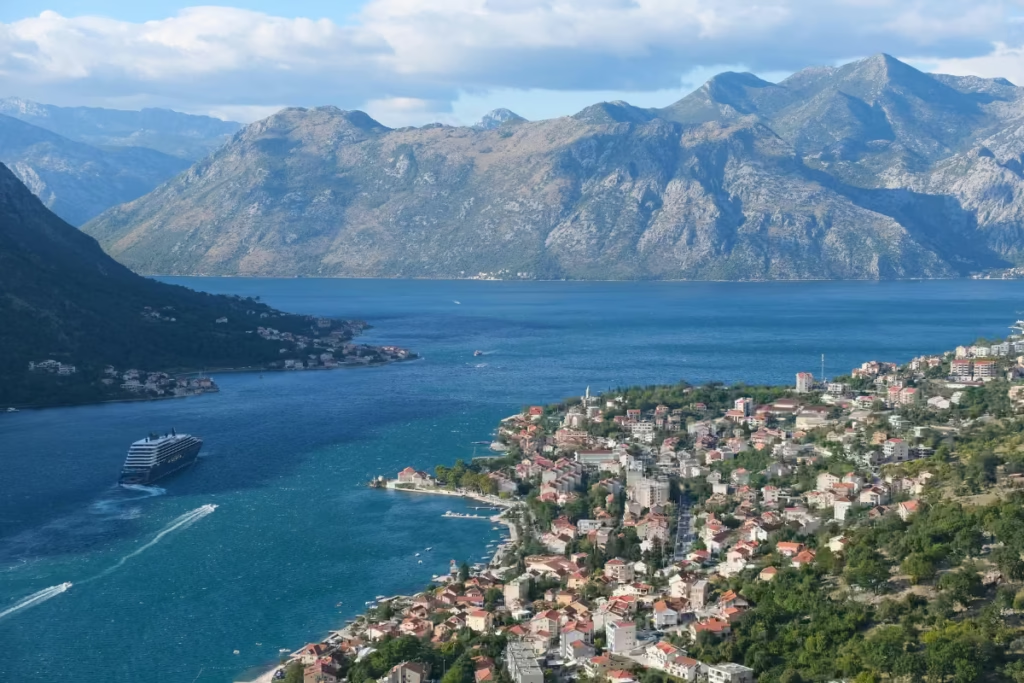
Depending on current local availability, you may find boat trips, private hire, kayaking, or other water-based excursions. Compare the route, group size, duration, meeting arrangements, weather policy, and what is included before booking. I’d choose an experience that leaves enough time to enjoy the scenery rather than one that tries to squeeze every possible stop into a single outing.
The bay rewards slower observation. Look toward the steep slopes, small waterfront settlements, and changing light across the water. A trip does not need to be luxurious to feel special; a simple shared excursion can be a good fit for budget-conscious travelers and an easy way to meet other visitors.
Keep plans flexible when wind or rain is possible. Water activities depend on local conditions, and the most responsible operator may postpone or alter a trip when necessary. Confirm the latest details shortly before departure.
3. Visit Perast and the nearby islands
Perast is a rewarding stop for travelers who want a quieter historic waterfront, elegant old buildings, and a slower contrast to Kotor.
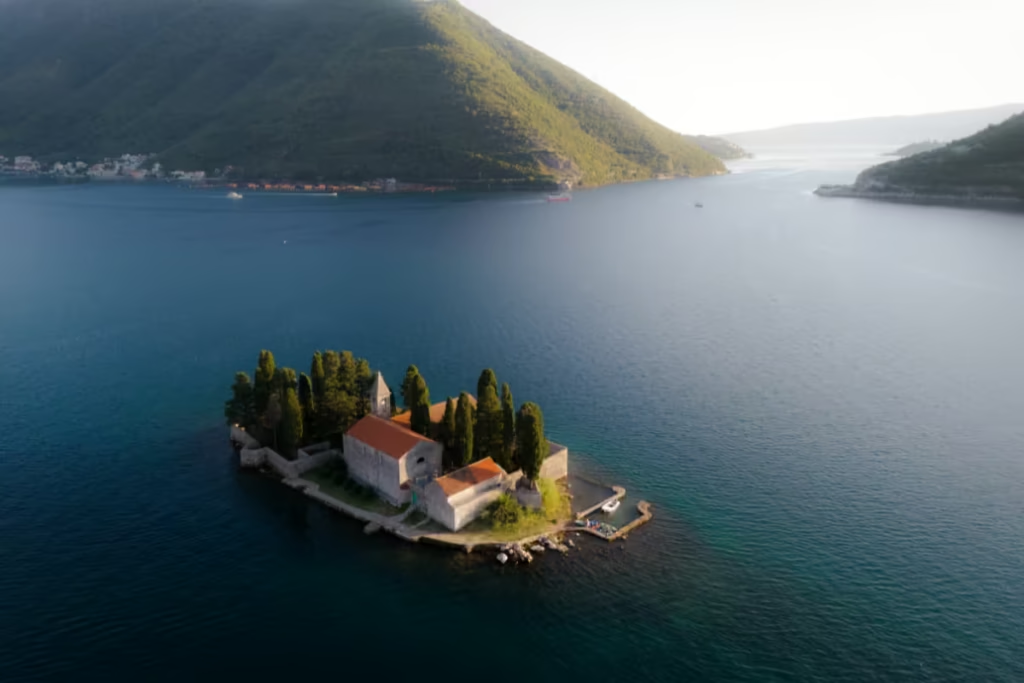
Walk along the shore, explore the town at an unhurried pace, and look across the bay toward the small islands nearby. Boat access and visiting arrangements can change, so check current information locally rather than assuming an old timetable still applies. The town is best enjoyed as part of a relaxed day rather than as a rushed photo stop.
I’d combine Perast with a simple meal or coffee and leave room for weather changes. The waterfront can feel very different under bright sun, cloud, or wind, and none of those conditions needs to ruin the experience. Bring sun protection in hot weather and a light layer for cooler periods.
If you’re traveling with family, Perast can be easier to appreciate than a packed sightseeing schedule. Our guide to where to travel with family has more advice about balancing memorable activities with realistic daily pacing.
4. Discover Budva beyond the beaches
Budva combines an old town, beaches, restaurants, nightlife, and a lively visitor atmosphere, making it one of the most accessible things to do in Montenegro for travelers who want variety.
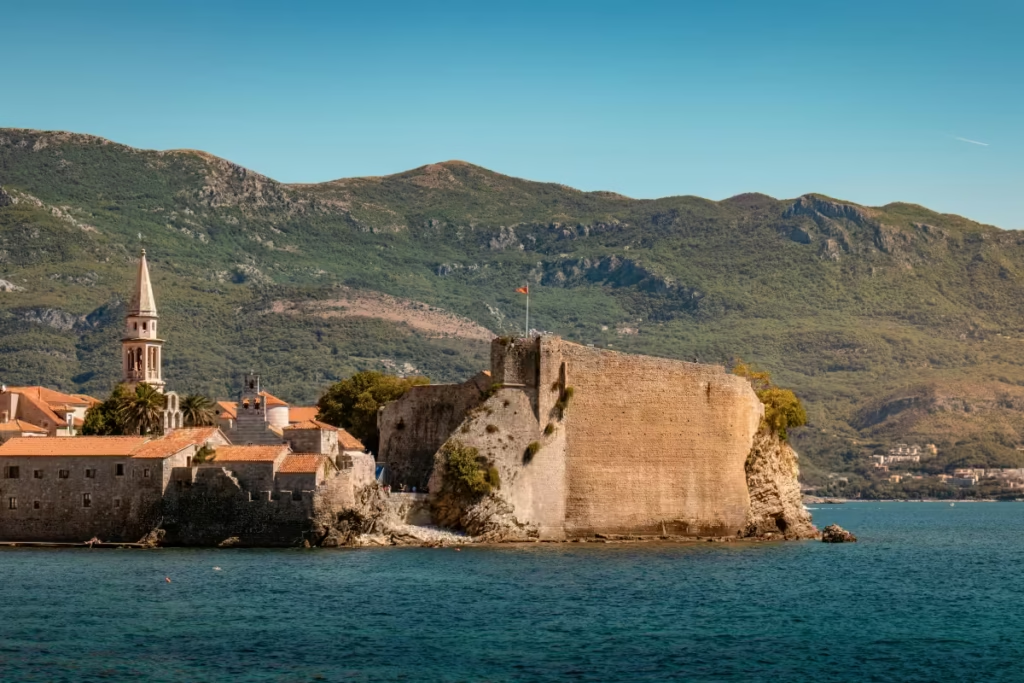
The old town is the place to begin, but don’t stop there. Walk along the waterfront, compare different beaches, browse local businesses, and look for a quieter corner once the central streets become busy. Budva suits travelers who want evening energy, though it may not be the best base for someone seeking complete quiet during the busiest season.
For a more balanced day, pair a swim or coastal walk with a cultural stop and a meal away from the most crowded promenade. Check current beach access, event listings, and transport details for your dates. Seasonal demand can affect accommodation and the pace of the town.
Budva can also work well as a social base. Hostels, group excursions, beach activities, and evening venues make conversation easy, but you can still find independent time by walking early, visiting a less busy beach, or taking a day trip.
5. Follow the Adriatic coast south
Exploring Montenegro’s southern coast is one of the best things to do in Montenegro when you want a mix of sea views, old towns, swimming spots, and different local atmospheres.
Consider adding Bar, Ulcinj, or smaller coastal settlements to your route if they match your interests and transport plans. Bar offers a contrast between its modern town and older historical area, while Ulcinj brings a distinct cultural character and a long coastal tradition. Research current transport and attraction access before committing to a tight schedule.
The southern coast can suit travelers who want to slow down. Rather than changing accommodation every night, choose a base and explore nearby places at a manageable pace. You’ll have more time for local food, conversations, and ordinary moments that don’t appear in a standard highlights list.
Beach days are rarely as simple as they sound when you’re traveling independently. Check the surface, shade, facilities, access, and local conditions for the specific beach you plan to visit. Carry water, protect yourself from the sun, and avoid assuming that every coastal stop offers the same services.
If Montenegro is part of a longer European itinerary, our guide to the best places to visit in the UK offers another route-planning perspective. I find that comparing completely different destinations can clarify what I actually want from the next part of a trip.
6. Hike in Montenegro’s northern mountains
Hiking in Montenegro’s northern mountains is one of the most rewarding things to do in Montenegro for travelers who want fresh air, open landscapes, and a break from the busy coast.
Durmitor National Park is the best-known northern area for mountain scenery and outdoor adventures, while places such as Žabljak make useful bases for exploring the region. Trails vary in length, surface, exposure, and difficulty, so choose one that matches your ability and current conditions rather than relying only on photographs.
Check official local guidance, weather, trail conditions, access arrangements, and any seasonal restrictions before walking. Mountain weather can shift quickly. Pack water, food, navigation support, suitable layers, sun protection, and footwear with a reliable grip. If you’re not comfortable planning independently, a local guide or small-group excursion can add useful knowledge and a social element.
The north is also where I’d deliberately slow the itinerary down. A mountain base gives you time for short walks, longer hikes, scenic drives, local meals, and recovery days. Trying to combine a demanding outdoor activity with a long transfer is a good way to enjoy neither.
7. Experience the Tara Canyon and northern rivers
Tara Canyon and Montenegro’s northern rivers appeal to travelers looking for dramatic scenery and active experiences beyond the coast.
Depending on the season and current local operations, activities may include rafting, canyon viewpoints, guided walks, or scenic drives through the surrounding landscape. Check the exact route, safety briefing, equipment, weather policy, age requirements, and transport arrangements before booking. Don’t assume that a popular activity runs every day or suits every level of experience.
A guided excursion can be a strong choice for solo travelers. It removes some logistical pressure and gives you a natural group setting without requiring you to arrive with companions. Choose a reputable operator and be honest about your comfort, fitness, and previous experience.
Even without an organized activity, the region rewards patient travel. Stop at viewpoints where access is appropriate, take breaks in small towns, and give yourself enough daylight for mountain roads. Scenic travel is still travel, and rushing through it defeats the point.
8. Visit Lake Skadar and its villages
Lake Skadar is one of the most peaceful things to do in Montenegro, offering wetlands, open water, small villages, and a gentler alternative to the busiest coastal towns.
You can explore the lake through boat trips, viewpoints, village visits, or walks, depending on current local availability and conditions. The experience is about slowing down and noticing the landscape rather than collecting a long list of stops. Ask local hosts which parts of the lake suit your interests and travel dates.
Lake trips are particularly attractive for travelers interested in birds, photography, nature, and quiet mornings. Bring protection from sun and insects where appropriate, and check the weather before setting out. Water conditions can influence the route and the comfort of a boat excursion.
Stay respectful around villages and private property. Choose local food and services where possible, follow guide instructions, and avoid treating residents’ homes as scenery. Responsible travel helps keep the lake’s character intact.
9. Try Montenegrin Food and Local
Trying Montenegrin food is one of the easiest things to do in Montenegro because meals connect the coast, mountains, neighboring cultures, and everyday local life.
Look for seafood along the coast, grilled dishes, cheeses, cured meats, breads, seasonal vegetables, and hearty food in mountain regions. Menus and specialties vary, so ask what is local and available that day rather than ordering only familiar international dishes. Markets, bakeries, family-run restaurants, and casual cafés can offer a more personal experience than dining exclusively in high-traffic tourist areas.
Budget-conscious travelers can mix a special meal with bakery breakfasts, supermarket supplies, picnics, and simple takeaway food. If you’re staying in a hostel or apartment, preparing part of your food can make the rest of the trip more flexible.
Food is also one of the best ways to meet people. Ask accommodation staff where they eat on an ordinary evening, join a cooking or food experience, or share a table when the setting makes that natural. A recommendation from a local can lead you toward a neighborhood you might otherwise miss.
10. Build a social solo-travel itinerary
Montenegro can be a rewarding solo destination when you combine independent wandering with a few activities designed around shared experiences.
Walking tours, boat trips, rafting excursions, cooking activities, hostel events, and guided hikes all create easy openings for conversation. I’d book one group experience early in the trip, then use what you learn to shape the rest of your route. You don’t need company every day; a good solo itinerary leaves room for both connection and quiet.
Choose accommodation with shared areas if meeting people matters to you, but compare location, reviews, transport, and sleeping arrangements rather than choosing only by the lowest rate. A social hostel far from your preferred activities may cost more in time and transport than it saves.
Keep your plans practical. Share your broad route with someone you trust, check current local guidance before outdoor activities, and avoid setting out on remote trails without understanding access, weather, and communication limitations.
How can you plan Montenegro on a budget?
You can keep a Montenegro trip manageable by choosing fewer bases, traveling outside the busiest demand periods where practical, mixing free outdoor experiences with selected paid activities, and planning food carefully.
- Choose a base strategically. A convenient location can reduce transfers and leave more time for exploring.
- Mix coast and mountains carefully. Moving between regions is worthwhile, but constant check-ins can drain your budget and energy.
- Use local food options. Bakeries, markets, simple cafés, and supermarkets can balance more expensive meals.
- Protect your activity budget. Choose the boat trip, guided hike, rafting experience, or historic attraction that matters most.
- Check current details. Confirm transport, entry arrangements, operating dates, and weather conditions for your travel year.
Transport deserves particular attention. Routes, frequencies, and seasonal services can change, and mountain or coastal roads may not fit the journey time suggested by a map. If you’re hiring a vehicle, compare insurance, fuel, parking, road conditions, and the stress of driving unfamiliar routes. Public transport or a small-group excursion may be a better fit for some legs.
For broader destination comparisons, our guides to the best time of year to visit Australia, the best places to visit in South Africa, and the best time to visit South Africa all reinforce a useful rule: large or varied destinations are easier to enjoy when you plan around regions and priorities.
What should you do next?
Start by choosing the experience that matters most to you. Is it a slow day in Kotor, a boat trip across the bay, a beach-focused route, a mountain hike, a lake excursion, or a food-centered journey? Build the rest of your plan around that priority.
For a first visit, a balanced route might combine the Bay of Kotor with a southern coastal stop and a northern mountain or lake experience. Keep the number of bases realistic, leave space for weather and transport changes, and confirm current details before paying for activities or accommodation.
If you’re extending your travels farther afield, our guide to the best time to visit Jordan and our guide to the best places to visit in Argentina can help you compare very different styles of regional planning.
The best things to do in Montenegro are not limited to famous viewpoints. They include lingering over a local meal, following a quiet waterfront, chatting with fellow travelers on a boat, and giving a mountain road enough time to unfold. Choose a route that leaves room for those moments, and Montenegro becomes far more than a quick stop on a Balkan itinerary.


One Comment