
The Best Countries for Solo Travel: 12 Destinations
Choosing among the best countries for solo travel depends on more than a beautiful landmark or a long list of attractions. I look for destinations that make independent planning manageable, offer different ways to meet people, and reward travelers who slow down long enough to notice local life. The ideal country should also give you choices: affordable days when you want to save, memorable experiences when you want to splurge, and enough variety to keep a solo trip interesting.
Some destinations suit a first solo adventure because transport and accommodation are relatively straightforward to organize. Others appeal because hostels, group tours, food experiences, and social neighborhoods make it easier to connect with people. Then there are countries for travelers who want solitude, hiking, road trips, or a stronger cultural challenge.
This guide compares twelve destinations across those travel styles. I’m not presenting one universal winner. Instead, I’ll help you match a country to the kind of solo journey you actually want, while keeping the advice practical for backpackers, budget-conscious travelers, and independent explorers. Before booking, check current entry requirements, transport information, weather, local guidance, and accommodation conditions for your dates.
Before choosing your destination, compare accommodation options for solo travelers based on location, transport access, reviews, and your budget. A well-located place to stay can make it easier to explore independently and join activities when you feel like meeting other travelers.
Table of Contents
What makes the best countries for solo travel?
The best countries for solo travel combine practical logistics with opportunities for independence and connection. I’d consider five questions before choosing a destination.
- Can I move around without constant stress? Look at transport links, route frequency, language needs, and the distance between the places you want to visit.
- Can I choose my social level? Hostels, walking tours, cooking classes, group excursions, and shared dining spaces can help you meet people, while private rooms and independent activities preserve your alone time.
- Does the budget match my style? Compare accommodation, meals, transportation, activities, and travel insurance rather than focusing only on the nightly room rate.
- Will there be enough variety? A country with cities, nature, food, history, and different regions gives you room to change your plans.
- Can I travel responsibly? Learn local etiquette, respect religious and residential spaces, and choose locally owned businesses when possible.
For a first trip alone, I’d usually choose one country rather than trying to combine several. Staying longer in fewer places gives you time to settle into a routine, make friends, and enjoy unplanned discoveries instead of constantly repacking.
1. Portugal is an easygoing first solo trip
Portugal is one of the best countries for solo travel if you want a blend of historic cities, coastal scenery, food, and a manageable independent-travel rhythm.
Lisbon and Porto provide strong starting points for travelers who enjoy neighborhood walks, cafés, viewpoints, markets, architecture, and local food. The country also gives you options beyond the major cities, from the Algarve to smaller towns and inland landscapes. I’d avoid trying to cover every region in one short visit, but the variety makes it easy to design a route around your interests.
Portugal suits solo travelers because you can fill a day without needing a large group. Join a food experience, explore a historic district, take a day trip, or simply choose a café and watch city life unfold. Hostels and guesthouses can add a social layer, while private accommodation lets you retreat when you need quiet.
Budget-conscious travelers should compare bases carefully. A central location can save transport and make spontaneous plans easier, while a less central room may offer better value. Build your itinerary around a few paid experiences and balance them with public spaces, walks, markets, and free cultural discoveries.
2. Japan rewards curious independent travelers
Japan is one of the best countries for solo travel for people who enjoy food, design, history, nature, and the pleasure of exploring at their own pace.
Tokyo, Kyoto, Osaka, and smaller destinations each offer a different travel experience. Large cities provide endless neighborhoods and food choices, while rural areas invite a slower journey shaped by landscapes, traditional architecture, and local routines. I’d plan a clear framework but leave room for wandering because Japan becomes more interesting when you move beyond the headline sights.
Solo dining can feel natural here, particularly when you choose casual restaurants, market stalls, or counter seating. That makes Japan a useful destination for travelers who want to enjoy local food without waiting for a group. Museums, gardens, temples, bookstores, and train journeys also work well when you’re traveling alone.
The main challenge is planning without overloading your itinerary. Distances, transfers, language differences, and busy attractions can make a packed route tiring. Learn a few practical phrases, check transport details before moving between bases, and avoid assuming every rural connection is simple or frequent.
3. Thailand brings social travel and regional variety
Thailand is one of the best countries for solo travel if you want a strong backpacking community, varied food, tropical landscapes, historic cities, and plenty of ways to meet other travelers.
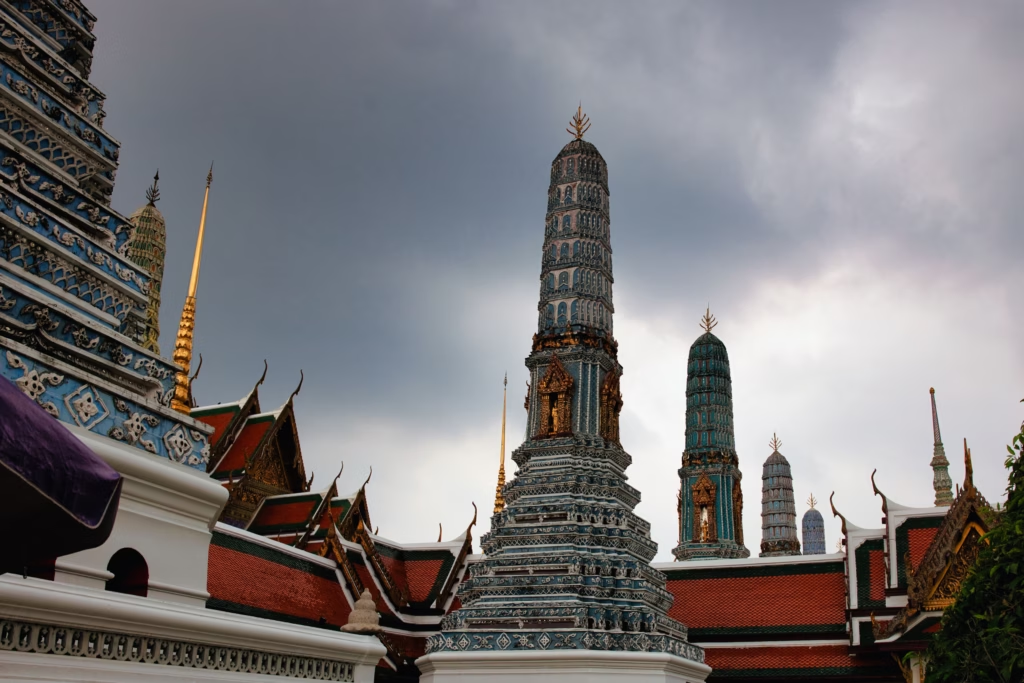
Bangkok can be an energetic introduction, with neighborhoods, markets, temples, museums, and food experiences that fill several days. Northern destinations offer a different pace, while the islands and southern coast appeal to travelers looking for swimming, boat trips, and outdoor activities. Rather than trying to copy someone else’s route, choose the combination that fits your energy and interests.
Thailand is particularly useful for solo travelers who want connection without joining a fixed group for an entire trip. Stay in a sociable hostel, book a cooking class, join a walking tour, or take a group excursion for one day. You can then return to independent travel whenever you want.
Travel respectfully around temples, local communities, beaches, and wildlife experiences. Ask before photographing people, follow site-specific clothing guidance, and research animal activities carefully. If you’re planning a longer trip, keep a few flexible days for weather, rest, and recommendations from people you meet.
4. Spain makes solo travel wonderfully flexible
Spain is one of the best countries for solo travel because it combines major cities, regional food, historic towns, beaches, mountains, and a lively public life.
Barcelona, Madrid, Seville, Valencia, Bilbao, and Granada all support different travel styles. You can plan a culture-heavy city break, build a food-focused route, or combine urban exploration with coastal and rural stops. I’d choose regions rather than trying to cross the entire country in a short trip.
Solo travelers often benefit from Spain’s social eating culture. Tapas bars, food markets, cooking classes, and neighborhood cafés offer natural ways to try local dishes and start conversations. A walking tour early in your trip can also help you understand the layout of a city and meet people who may be following a similar route.
Spain works for both independent planners and travelers who prefer structure. Book a few priority experiences, then leave afternoons open. Some of the best moments may come from a long plaza break, an unplanned gallery, or a neighborhood meal rather than another major attraction.
5. New Zealand suits adventure-minded solo travelers
New Zealand is one of the best countries for solo travel if outdoor experiences, dramatic landscapes, and flexible road-trip planning are high on your list.
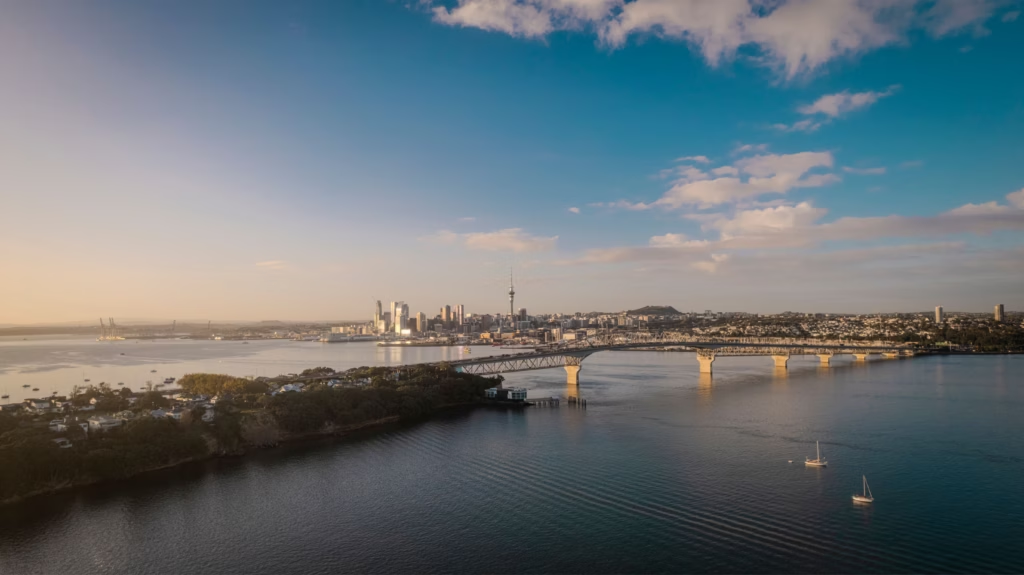
Auckland, Wellington, Queenstown, Rotorua, and the South Island’s smaller communities offer different starting points. You can combine cities with hiking, lakes, forests, geothermal areas, and coastal scenery, although the country’s scale means you should plan transfers honestly. A route that looks exciting on a map may involve long travel days.
Solo travelers can find connection through hostels, guided hikes, adventure activities, shared transport, and organized day trips. These experiences make it easier to meet people without giving up the freedom to choose your next stop.
Outdoor planning deserves care. Check current weather, trail conditions, access arrangements, transport, and equipment needs before setting out. Don’t treat remote landscapes as casual photo stops. Build your itinerary around your actual experience level, leave room for changing conditions, and tell someone your plans when appropriate.
6. Ireland offers culture, conversation, and landscapes
Ireland is one of the best countries for solo travel if you want welcoming social spaces, music, history, dramatic scenery, and a route that can combine cities with smaller communities.
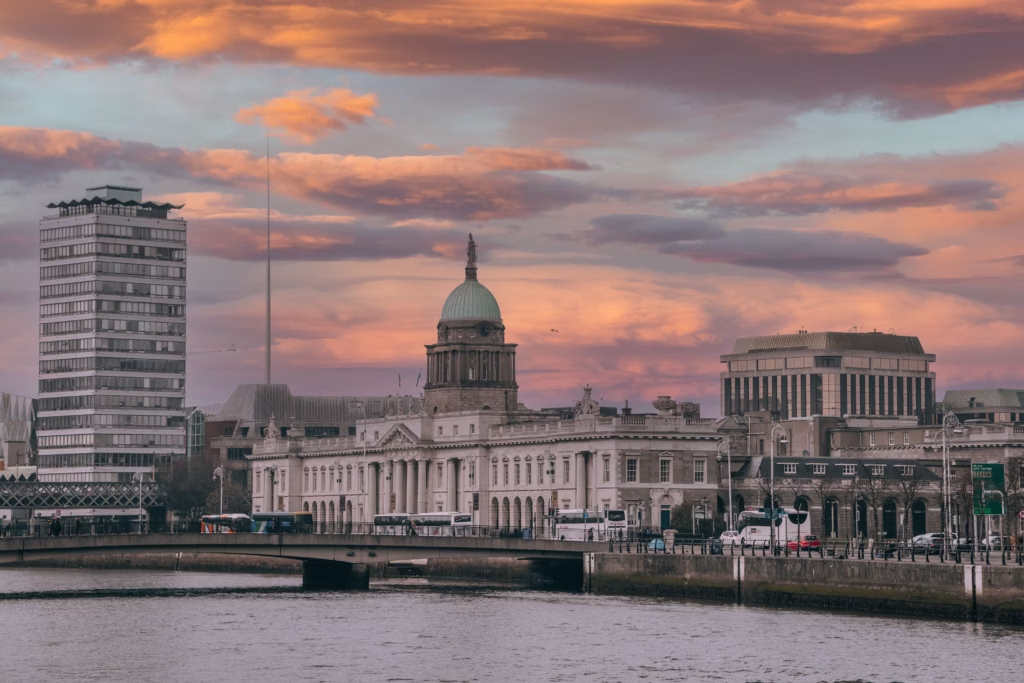
Dublin makes a convenient cultural starting point, while Galway, Cork, Belfast, and smaller coastal areas offer different atmospheres. You can explore museums, historic streets, local food, markets, music venues, and landscapes without needing to organize every minute.
Solo travelers often appreciate the ease of joining a walking tour, staying in a guesthouse, or chatting with other travelers in a shared space. I’d choose one or two longer excursions rather than trying to rush along the entire coast. Weather can change your plans, so keep indoor alternatives available.
For more ideas about building a route, read our guide to the best places to visit in Ireland. It can help you compare city bases, coastal areas, and landscape-led travel without turning your trip into a race.
7. Vietnam is rich in food and everyday discovery
Vietnam is one of the best countries for solo travel for travelers who want excellent food, busy cities, historic places, scenic landscapes, and a journey that feels full of movement.
Hanoi and Ho Chi Minh City offer contrasting urban experiences, while central Vietnam adds historic towns, beaches, and regional cuisine. Northern landscapes appeal to hikers and photographers, but you should research current transport, weather, and local arrangements before planning a remote route.
Food is one of the easiest ways to connect with Vietnam. Join a street-food walk, take a cooking class, browse markets, or ask accommodation staff for local recommendations. Solo travelers can often choose small portions and sample more dishes without coordinating a large group.
The pace can be intense, especially in major cities. Give yourself time to adjust, cross streets patiently, and keep valuables organized in crowded areas. I’d book transport with enough flexibility and avoid stacking long travel days one after another.
8. Canada gives solo travelers room to choose
Canada is one of the best countries for solo travel if you want a choice between cosmopolitan cities, national parks, lakes, mountains, and long-form adventure.
Toronto, Vancouver, Montreal, Quebec City, and Calgary can each anchor a different kind of trip. Urban travelers can focus on food, museums, neighborhoods, and cultural events, while nature-focused visitors may prefer a base near hiking, lakes, or mountain landscapes.
The country’s size is the main planning consideration. I’d choose one region and understand the distances before booking. A city itinerary and a wilderness itinerary require different preparation, budgets, and transport arrangements.
Solo travelers can meet people through hostels, group excursions, outdoor clubs, guided activities, and cultural events. If you’re heading into remote areas, check current trail conditions, weather, transport, equipment, and communication options. Independence works best when it’s supported by realistic preparation.
9. Slovenia is compact, scenic, and varied
Slovenia is one of the best countries for solo travel if you want a smaller European destination with cities, lakes, mountains, food, and outdoor activities within a relatively focused route.
Ljubljana offers a pleasant base for cafés, museums, riverside walks, and cultural exploration. From there, travelers may choose alpine landscapes, lake areas, caves, wine regions, or the short Adriatic coast, depending on current transport and the season.
The country suits solo travelers who enjoy balancing independent days with occasional group experiences. Join a guided hike, cycle with a local operator, take a food tour, or use public spaces to slow down between activities. Its variety also makes it possible to change your travel style without changing countries.
Don’t assume every mountain route is suitable year-round. Check weather, trail access, transport, and equipment requirements before leaving urban areas. A flexible plan is more useful than a beautiful itinerary that ignores conditions.
10. Australia supports long, independent journeys
Australia is one of the best countries for solo travel if you want city culture, beaches, wildlife, road trips, and enough space to build a longer adventure.
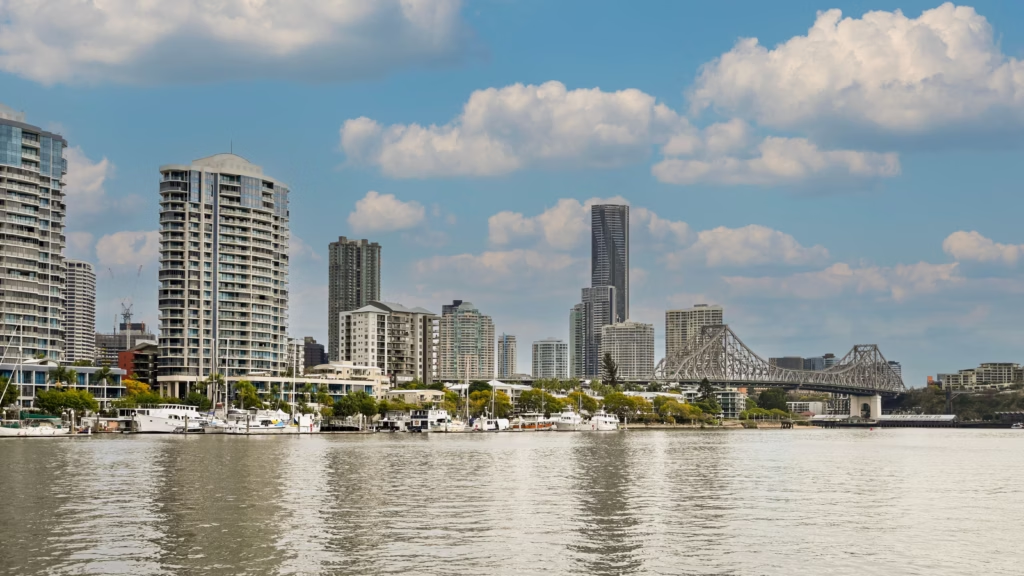
Sydney, Melbourne, Brisbane, Adelaide, Perth, and regional destinations each suit different travelers. You can create a city-focused trip, follow a coastal route, or combine urban life with national parks and outdoor activities. The distances are significant, so choose a region instead of trying to see the whole country quickly.
Hostels, group tours, language exchanges, walking tours, and organized outdoor activities can make a long solo journey more social. I’d use those options selectively, especially near the beginning of a trip when you’re still finding your rhythm.
Outdoor travel requires careful planning around weather, heat, water, wildlife, roads, and remote distances. Check current local guidance and access conditions before setting out, and don’t underestimate the preparation needed for isolated areas.
11. Costa Rica connects nature with social travel
Costa Rica is one of the best countries for solo travel if you want rainforests, beaches, wildlife, outdoor activities, and a traveler-friendly route with plenty of organized experiences.
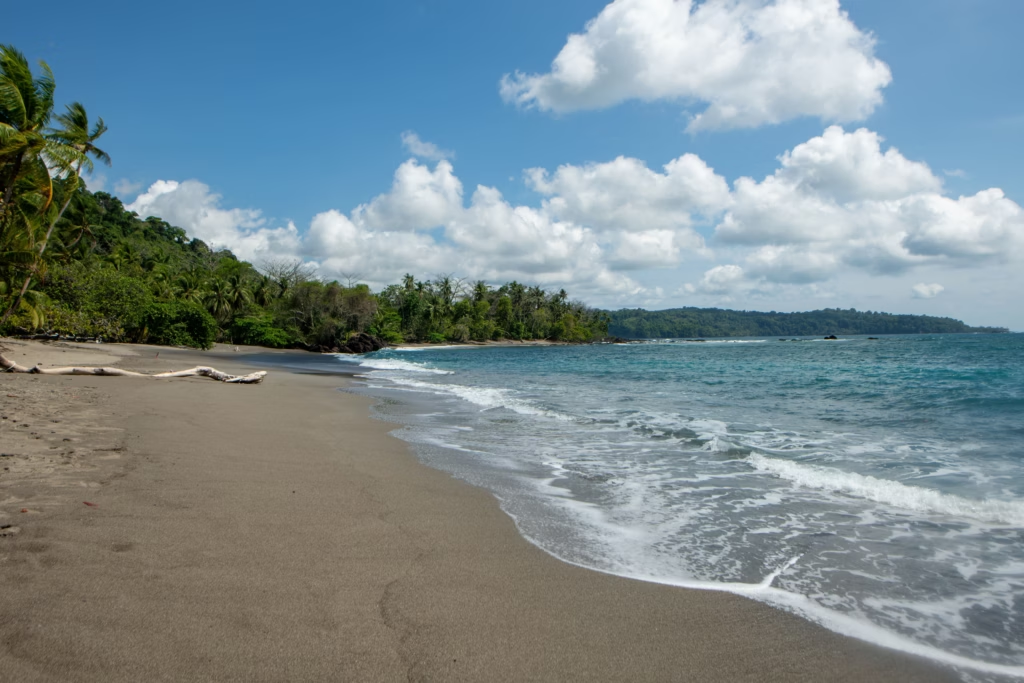
San José can provide a practical arrival point, while coastal and inland destinations offer very different landscapes. Surf lessons, guided nature walks, rafting, cooking experiences, and small-group excursions create easy opportunities to meet people while learning from local guides.
Nature should be approached responsibly. Choose operators that respect wildlife and protected areas, follow instructions, and avoid activities that encourage harmful interactions with animals. Weather and road conditions can affect travel plans, so don’t build a tightly packed route around multiple distant locations.
Costa Rica can suit both social backpackers and travelers who prefer quiet eco-lodges. Compare accommodation by location, transport access, meals, and included activities rather than relying only on photos.
12. The Netherlands makes independent city travel simple
The Netherlands is one of the best countries for solo travel if you want museums, design, cycling, historic cities, public transport, and easy opportunities to explore without a car.
Amsterdam is a natural starting point, but I’d encourage travelers to look beyond the capital. Utrecht, Rotterdam, The Hague, Haarlem, and smaller towns offer different architecture, food, art, and everyday rhythms. A rail-based route can give you variety without changing accommodation every night.
Museums and galleries are comfortable solo activities, while food halls, cafés, markets, and walking or cycling tours provide social options. If you cycle, understand local traffic patterns and choose routes that match your experience. Respect residents, avoid obstructing paths, and remember that popular neighborhoods are living communities.
The Netherlands is especially appealing for short solo breaks because you can create a full itinerary without needing a large number of advance bookings. Leave space for a neighborhood walk, a bookstore, or a quiet afternoon beside the water.
How do I choose among these solo travel countries?
Choose your destination by deciding what you want your ordinary travel day to feel like. The country that looks best in a photograph may not suit the rhythm you need.
- For a first solo trip: consider Portugal, Spain, Ireland, or the Netherlands, where cities, culture, and social activities can fit into a manageable route.
- For food and cultural immersion: look at Japan, Thailand, Vietnam, or Spain.
- For outdoor adventure: choose New Zealand, Canada, Australia, Costa Rica, or Slovenia, then research conditions carefully.
- For a social backpacking trip: Thailand, Vietnam, Costa Rica, and Ireland offer many ways to meet fellow travelers through group activities and shared accommodation.
- For a shorter city break: the Netherlands, Portugal, Japan, and Spain can offer plenty without requiring a complicated route.
If you want to compare the experience with a major urban destination, our practical 3-day New York itinerary shows how a solo traveler can combine landmarks, neighborhoods, food, and flexible time in one city.
How can you make solo travel more social?
You don’t need to stay in a dorm every night or join an organized tour for your entire trip to meet people. The easiest approach is to create a few low-pressure opportunities for connection.
- Book a walking tour, cooking class, food experience, or group day trip early in your stay.
- Choose accommodation with a common area, shared kitchen, or optional activities.
- Eat at communal tables, food halls, markets, and casual local restaurants.
- Stay in one place long enough to recognize a neighborhood and return to businesses you enjoy.
- Accept invitations thoughtfully, while keeping your own plans and boundaries clear.
Solo travel doesn’t mean being available to everyone all the time. I find that a healthy trip includes both connection and privacy. A social morning can be followed by an afternoon in a museum, on a trail, or at a café with a book.
If you want to meet people without committing to a full group trip, consider booking small-group tours and local experiences during the first few days of your stay. Walking tours, cooking classes, and guided day trips can be practical ways to explore while connecting with other travelers.
How should you plan a solo trip on a budget?
You can reduce costs by choosing fewer bases, traveling outside the busiest periods after checking current conditions, and mixing paid experiences with free or low-cost activities.
- Compare the full daily cost: include accommodation, meals, transport, activities, laundry, and data.
- Stay longer: weekly rates or fewer transfers may reduce the overall cost, depending on the destination.
- Book selectively: prioritize the experiences you genuinely care about instead of paying for every attraction.
- Eat locally: markets, bakeries, casual restaurants, and food halls can offer variety without formal dining every night.
- Keep one flexible day: an unplanned walk or free museum can replace an expensive activity when your budget or energy changes.
For travelers considering a longer working trip rather than a traditional holiday, our guide to the best places to work remotely abroad offers another way to compare destinations by routine, accommodation, social connection, and life after work.
What should you do next?
Start by choosing your travel style: food and culture, outdoor adventure, social backpacking, a city break, or a slower regional journey. Then shortlist two countries and compare their practical details rather than choosing on reputation alone.
Check current entry requirements, transport, weather, accommodation reviews, insurance, local guidance, and the realistic cost of your preferred route. Book your first few nights and one early activity if that helps you arrive with confidence, but leave enough space to change direction.
The best solo trip is not the one with the longest checklist. It’s the one that gives you room to make decisions, meet people, rest when you need to, and follow your curiosity. Choose a country that supports that kind of independence, travel respectfully, and let the journey develop beyond your original plan.


2 Comments