
10 Best Things to Do in Maui: Epic Guide
Looking for the best things to do in Maui? I’d begin with a simple idea: don’t treat the island as one giant sightseeing checklist. Maui rewards a slower rhythm, whether you’re watching the coastline change along the Road to Hana, learning about Hawaiian culture, swimming near a reef, or sitting down for a meal made with local ingredients.
Maui is a strong choice for independent travelers because you can shape the trip around your own energy. You might spend one day hiking and another doing almost nothing beyond reading near the ocean. You can join a small-group activity when you want company, then return to exploring alone. That balance is especially useful for solo travelers who want connection without giving up independence.
This guide brings together beaches, landscapes, food, culture, and practical planning ideas. I’ll also point out where Maui can become expensive or logistically demanding, because a good trip depends as much on realistic planning as it does on beautiful scenery. Check current park access, reservations, road conditions, weather, transport, and local guidance before setting out.
Table of Contents
What are the best things to do in Maui?
The best things to do in Maui combine outdoor adventure, ocean time, cultural learning, and unstructured moments in smaller communities.
- For first-time visitors: explore the Road to Hana, Haleakalā, a few beaches, and one cultural or food experience.
- For outdoor travelers: choose hiking, snorkeling, kayaking, surfing lessons, or a guided valley excursion.
- For solo travelers: join a small-group tour, take a cooking class, or stay somewhere with communal spaces.
- For budget-conscious travelers: prioritize public beaches, scenic drives, self-guided walks, local markets, and a small number of paid activities.
- For a slower trip: choose one base and leave full afternoons open instead of driving across the island every day.
I’d rather experience a few places properly than spend the entire trip in a rental car. Maui’s landscapes are varied, but the roads, weather, and traffic can make a tightly packed itinerary tiring. Leave room for changes, rest, and recommendations from people you meet.
1. Drive the Road to Hana slowly
The Road to Hana is one of the most memorable things to do in Maui if you enjoy waterfalls, coastal scenery, rainforest, small communities, and a journey where the route matters as much as the destination.
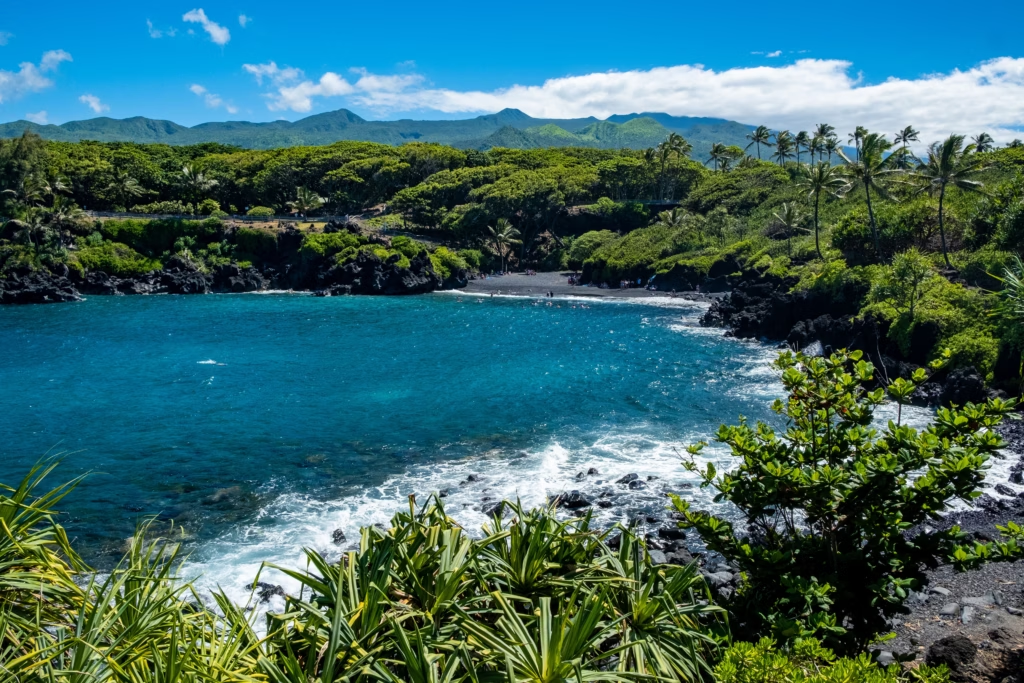
This famous road is not simply a transfer between two points. It winds through a landscape of dense vegetation, ocean overlooks, bridges, swimming areas, and roadside stops. The most rewarding approach is to choose a few places that genuinely interest you instead of trying to stop everywhere mentioned in an app or guidebook.
If you’d rather not drive the winding coastal road yourself, consider comparing Road to Hana tours before your visit. A guided excursion can take care of the driving and route planning while giving you more time to enjoy the scenery and selected stops. Check the itinerary, group size, cancellation terms, and total duration before choosing a tour.
Start early enough to give yourself flexibility, but don’t turn the day into a race. Check current road conditions and access information before leaving, particularly after heavy rain. Some trails, waterfalls, and swimming areas may have changing conditions or restrictions. Never ignore signs, closures, or local guidance just because a viewpoint appears popular online.
Respect the communities along the route. Park only where permitted, avoid blocking driveways, carry out your rubbish, and don’t treat private land as a public attraction. The experience becomes more meaningful when you remember that this is a lived-in part of Maui rather than a film set.
Solo travelers have several options. Driving independently gives you flexibility, while a small-group tour can reduce planning and create an easy way to meet other visitors. If you drive, be honest about your comfort level, keep your attention on the road, and allow time to return without rushing.
2. Watch sunrise or sunset at Haleakalā
Haleakalā is one of the best things to do in Maui for travelers drawn to volcanic landscapes, high-elevation views, hiking, and the quiet drama of changing light.

The summit area feels completely different from the coast. Instead of planning only for a photograph, spend time noticing the crater landscape, unusual vegetation, changing clouds, and the scale of the volcanic terrain. Weather can shift quickly at elevation, so bring layers and check current conditions before making the journey.
Sunrise visits often involve advance planning, current access rules, and a very early start. Confirm the latest requirements directly before building your itinerary around sunrise. If that arrangement doesn’t suit you, a daytime or sunset visit can still be rewarding and may fit more comfortably into an independent trip.
Hiking in Haleakalā requires more preparation than a casual coastal walk. Research the route, surface, weather, water needs, and return logistics before setting out. Altitude and exposure can affect how you feel, even if the walk does not initially seem demanding. Turn around when conditions or your energy tell you to.
This is also a place to practice respectful travel. Stay on designated paths, avoid touching fragile plants, and leave natural features where you find them. The landscape is not only a backdrop; it is part of a protected and culturally important environment.
3. Spend time on Maui’s beaches
Maui’s beaches are among the easiest things to do in Maui, but each shoreline suits a different kind of day, so choose based on conditions and the activity you actually want.
Some beaches are better for swimming when conditions are calm, while others appeal more for walking, sunsets, photography, or simply settling under shade with a book. Before entering the water, check local conditions and posted guidance. Ocean conditions can change, and a beach that looks peaceful may not match your swimming experience.
Wailea and Kā‘anapali are well-known coastal areas with broad resort surroundings, restaurants, and easy access to ocean activities. For a different mood, look toward quieter stretches of coastline and smaller community beaches, while remembering that facilities and access may vary.
Choosing the right base can make exploring Maui much easier. Compare Maui accommodation options based on their location, parking, nearby restaurants, and access to the beaches or activities you want to enjoy. Staying close to your main priorities can also help reduce driving time and leave you with more time to explore.
I recommend building beach time into the itinerary without assigning every hour to it. A morning swim, a simple picnic, or an unplanned sunset can be more satisfying than moving between several shorelines in one day. Bring reusable water, protect yourself from the sun, and avoid taking sand, coral, shells, or rocks as souvenirs.
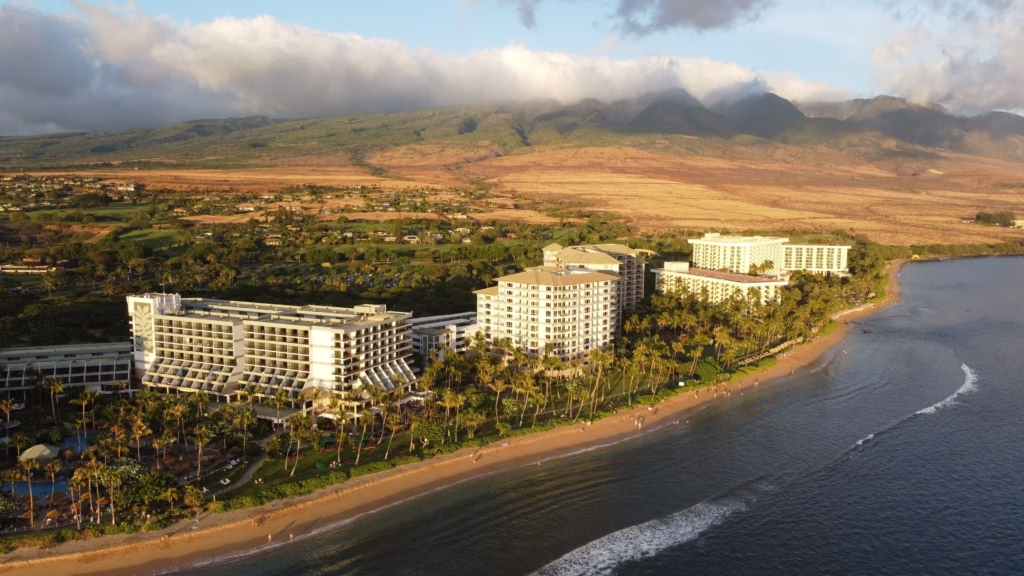
Solo travelers can make beach days more social by booking a surf lesson, joining a paddle excursion, or choosing accommodation with shared outdoor space. You don’t need to be surrounded by people all day. One organized activity can be enough connection before returning to a quieter afternoon.
4. Snorkel responsibly along the coast
Snorkeling is one of the most popular things to do in Maui because the island offers opportunities to see colorful reef life without committing to a full-day dive trip.
You can choose between a shore-based outing and a guided boat trip. A shore entry may be more flexible and less expensive, while a tour can provide equipment, local knowledge, and access to areas that are harder to reach independently. Compare what is included, the group size, the cancellation policy, and the operator’s approach to marine life before booking.
Respect the reef from the moment you enter the water. Don’t stand on coral, chase animals, touch marine life, or feed fish. Use reef-conscious products where appropriate, secure your belongings, and follow instructions from lifeguards or guides. If conditions are rough, skip the water rather than forcing the plan.
For a solo traveler, a guided snorkeling trip can be a comfortable way to meet people and learn how to behave around the reef. If you prefer independence, ask locally about current entry conditions and choose a place that matches your swimming ability. A calm, shorter session is better than an ambitious outing that leaves you exhausted.
5. Explore West Maui’s coast and valleys
West Maui offers a rich mix of coastal scenery, historic communities, ocean activities, and mountain landscapes, making it one of the best areas to explore beyond a resort routine.
Lahaina has long been central to Maui’s history and culture, but conditions and access can change, particularly following natural disasters and recovery efforts. Check current local information before visiting and follow any restrictions in place. Travel respectfully through affected communities and support local businesses when they are open and welcoming visitors.
Further along the coast, you’ll find viewpoints, beaches, marine activities, and access to the dramatic West Maui Mountains. The exact experience depends on current road conditions and your chosen route, so avoid relying on old travel videos or outdated maps.
This area works well for travelers who want variety without changing accommodation every night. Spend one day on the water, another exploring local food and history, and another taking a guided outdoor trip. You can also use a quieter afternoon to browse shops, visit a gallery, or simply watch the coastline.
If you enjoy independent travel in destinations with strong regional character, you may also like our guide to the best countries for solo travel. The planning principles are similar: choose a realistic route, create low-pressure opportunities to meet people, and leave space for your own pace.
6. Learn about Hawaiian culture and history
Learning about Hawaiian culture is one of the most important things to do in Maui because it adds context to the landscapes, place names, traditions, and communities you encounter.
Look for cultural centers, museums, guided experiences, community events, and locally led activities. A knowledgeable guide can explain the significance of a landscape or tradition in a way that a quick online description cannot. Choose experiences that treat Hawaiian culture as living and continuing rather than presenting it as something frozen in the past.
Pay attention to place names and pronunciation, ask permission before photographing people or cultural activities, and follow guidance at sacred or sensitive sites. Do not enter restricted areas or remove anything from the land. Even small decisions—such as where you park or whether you follow a marked path—can show respect.
Food is another natural entry point. Try local dishes, visit farmers’ markets, and ask restaurant staff about ingredients and preparation. Supporting locally owned businesses can make your spending more connected to the communities that welcome travelers.
If you enjoy combining history with everyday neighborhood exploration, our guide to the best places to visit in Turkey offers a similar approach to traveling through destinations shaped by layered cultures, regional food, and historic landscapes.
7. Visit local markets and try Maui food
Exploring Maui through food is one of the most satisfying things to do in Maui, especially when you move beyond restaurants designed only for visitors.
Look for farmers’ markets, food trucks, bakeries, casual cafés, locally owned restaurants, and roadside stands where available. Menus change with supply and season, so treat that as part of the experience rather than expecting every dish to be available everywhere.
Try a mix of familiar and unfamiliar foods. Local-style plate lunches, fresh fruit, seafood, taro-based dishes, shaved ice, and baked treats can all become part of your route. If you have allergies or dietary requirements, ask directly about ingredients and preparation rather than relying on assumptions.
Markets are also useful for budget travelers. You can buy breakfast or picnic ingredients, compare portions, and avoid making every meal a formal dining experience. Keep a cooler only where it is permitted and dispose of waste properly, particularly when eating near beaches or trailheads.
For solo travelers, food tours and cooking classes offer natural conversation without the pressure of a nightlife scene. You’ll learn something practical, meet other people, and gain recommendations for the rest of your stay.
8. Hike through Maui’s varied landscapes
Hiking is one of the best things to do in Maui for travelers who want to experience the island beyond viewpoints and beaches.
You can choose from coastal walks, rainforest trails, valley routes, volcanic terrain, and shorter paths near developed areas. The right choice depends on current access, weather, your experience, and how much time you have. Check official or local information before setting out, because trails may close or conditions may change.
Prepare for the route you choose. Carry enough water, wear footwear with suitable grip, protect yourself from sun and rain, and download or carry useful navigation information. Tell someone your general plan if you’re heading somewhere remote, and avoid assuming phone coverage will be consistent.
Solo hiking can be deeply rewarding, but independence should not mean ignoring conditions. If you’re uncertain about navigation or the terrain, join a guided walk. A local guide can also explain plants, geology, history, and cultural context that you might otherwise miss.
Stay on established paths and keep your distance from wildlife. Muddy trails, flash flooding, slippery rocks, and sudden weather can make a route harder than it appears online. The best hike is the one you finish with enough energy to appreciate the rest of your day.
9. Watch the ocean from a kayak or paddleboard
Kayaking and stand-up paddleboarding offer a slower way to experience Maui’s coastline, particularly for travelers who want time on the water without spending an entire day on a large boat.
Beginners should consider a lesson or guided outing, especially when conditions are unfamiliar. An instructor can explain launch procedures, wind, current, equipment, and appropriate routes. Ask about weather cancellations and what happens if you are not comfortable continuing.
Morning conditions may differ from the afternoon, but never assume a general pattern guarantees calm water on your travel date. Check current conditions and follow local advice. Wear the required flotation equipment, secure valuables, and don’t paddle farther from shore than your ability allows.
These activities can be a good fit for solo travelers because the group setting creates easy contact with other visitors while the actual experience remains active and independent. If you prefer not to join a tour, choose a reputable rental provider and be clear about your experience level.
10. Plan a flexible Maui itinerary
A flexible itinerary is one of the smartest things to do in Maui before you arrive because it helps you enjoy the island without spending every day recovering from long drives.
Start by grouping activities by region. A day around Haleakalā should not automatically include a distant coastal adventure, and a Road to Hana day deserves enough time to respond to weather, stops, and road conditions. Keep one or two lighter days between demanding outings when possible.
- For three days: choose one major scenic route, one ocean or beach day, and one cultural or food-focused day.
- For five days: add a guided outdoor activity, a slower local day, and time in a second coastal area.
- For a longer stay: settle into one or two bases and explore beyond the headline attractions.
Accommodation location can shape your entire trip. Compare transport access, kitchen facilities, laundry, parking, workspace, and nearby food options alongside the room rate. A cheaper room may not be better value if it makes every activity difficult to reach.
If you’re combining Maui with other major destinations, our practical three-day New York itinerary shows how a very different trip can be organized around neighborhoods, priority experiences, and flexible time. The same principle works in Maui: decide what matters most, then avoid overloading the schedule.
How can you enjoy Maui on a budget?
You can reduce Maui costs by choosing fewer paid excursions, staying somewhere with a kitchen, sharing transport when appropriate, and mixing ocean time with free or low-cost outdoor activities.
- Compare the full daily cost: include accommodation, car rental, fuel, parking, meals, equipment, and activity fees.
- Choose one or two priority tours: spend on experiences you genuinely want instead of booking something every day.
- Shop locally: markets and grocery stores can help with breakfasts, packed lunches, and picnic dinners.
- Stay longer in one place: fewer accommodation changes can reduce transport costs and leave more time for exploring.
- Use public beaches and self-guided walks: they can fill a day without requiring a major admission fee.
- Check current reservations: some parks or activities may require advance arrangements, so verify details before traveling.
Maui is not always an easy destination for a low budget, and pretending otherwise can make planning frustrating. The goal is not to eliminate every expense. It’s to decide which experiences deserve your money and where a slower, simpler day will be just as meaningful.
How can solo travelers meet people in Maui?
Solo travelers can meet people in Maui through small-group tours, surf lessons, snorkeling trips, food experiences, hostels, shared accommodation, and community events.
Book one social activity near the beginning of your stay. It gives you a chance to learn the geography, gather recommendations, and meet people who may be exploring at a similar pace. After that, you can decide whether you want more group experiences or more time alone.
Choose accommodation with a common area if connection matters to you, but don’t assume every hostel or guesthouse has the same atmosphere. Read recent reviews, compare location and transport, and make sure the setup suits the amount of privacy you need.
Maui can also be social in ordinary ways. Eat at communal tables, chat with guides, visit a market, join a beach activity, or ask a local business owner for a recommendation. Stay open while keeping your boundaries clear. Solo travel should give you control over your time, not pressure you to be constantly available.
What should you do next?
Choose the kind of Maui trip you want first: a coastal escape, an outdoor adventure, a food and culture journey, or a slower stay with a few carefully chosen excursions. Then select a base and build around the activities that matter most to you.
Before booking, check current park access, reservations, weather, road conditions, ocean guidance, accommodation reviews, and transport options. Leave space for a change of plan. A closed trail, tired afternoon, or local recommendation may lead to an experience you would never have scheduled yourself.
The best things to do in Maui are not limited to the most photographed viewpoints. They can be found in a thoughtful conversation, a local meal, a quiet beach morning, a respectful cultural experience, or a walk that makes you notice how different one part of the island feels from another. Plan carefully, travel lightly, and give Maui enough time to surprise you.


One Comment