

11 Best Places to Visit in Turkey: Epic Guide
Looking for the best places to visit in Turkey? I’d start by forgetting the idea that this is a destination you can understand in one quick city break. Turkey stretches across several regions, cultures, landscapes, and travel styles, from Istanbul’s layered neighborhoods to Cappadocia’s volcanic valleys, the Mediterranean coast, Aegean ruins, and the quieter southeast.
That variety is the reason Turkey works so well for independent travelers. You can combine major sights with long meals, local markets, historic towns, coastal walks, and spontaneous conversations. You can travel on a fairly focused route or build a much bigger journey around food, archaeology, beaches, hiking, or regional culture.
In this guide, I’m focusing on destinations that offer something distinctive rather than simply listing every famous stop. I’ll also explain which places suit solo travelers, budget-conscious explorers, first-time visitors, and people who prefer to travel more slowly. Check current transport, entry requirements, attraction access, weather, and regional guidance before finalizing your plans.
Table of Contents
What are the best places to visit in Turkey?
The best places to visit in Turkey depend on the kind of trip you want, but Istanbul, Cappadocia, Ephesus, Antalya, Pamukkale, the Aegean coast, and southeastern cities such as Mardin and Şanlıurfa make an excellent starting list.
- For a first visit: combine Istanbul, Cappadocia, and one Aegean or Mediterranean destination.
- For ancient history: choose Ephesus, Aphrodisias, Troy, or the archaeological sites around Şanlıurfa.
- For beaches and slower days: look at Antalya, Kaş, Datça, Bodrum, or the Aegean coast.
- For food and culture: explore Gaziantep, Mardin, Şanlıurfa, and Istanbul.
- For outdoor adventure: consider Cappadocia, the Lycian Coast, the Black Sea mountains, or eastern Turkey.
Turkey is large enough that trying to cover everything can turn a memorable trip into a long sequence of transfers. I’d rather choose two or three regions and give each enough time to reveal itself. A slower route leaves room for a neighborhood meal, a local recommendation, or a town that deserves more attention than your original itinerary allowed.
1. Istanbul brings several worlds together
Istanbul is the best place to begin if you want history, food, architecture, neighborhoods, and a city that rewards repeated exploration.
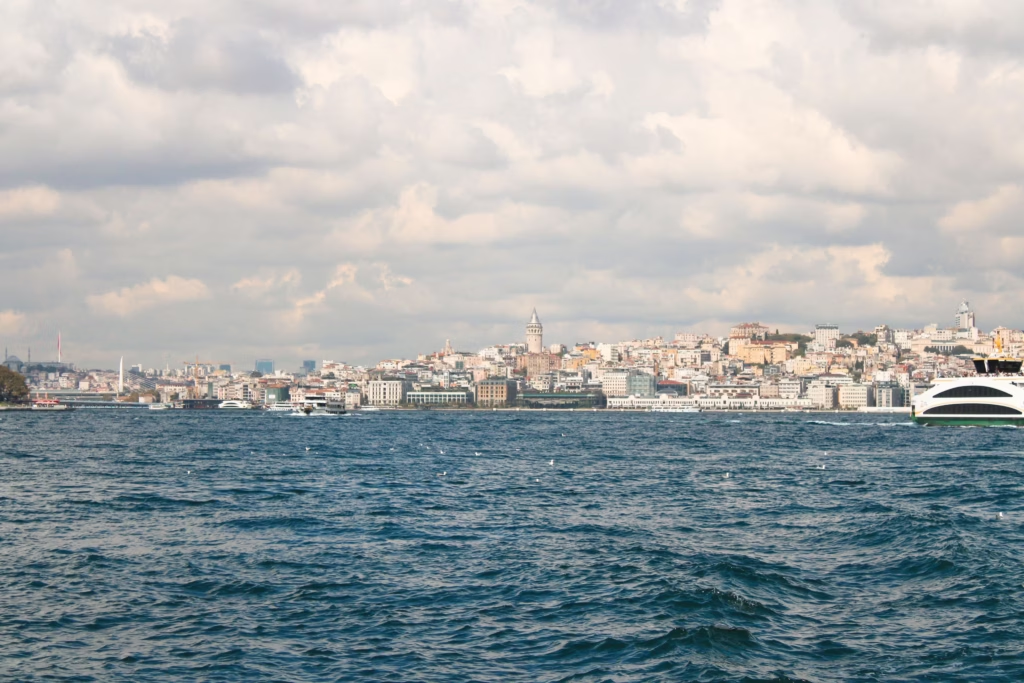
The obvious landmarks matter, but they’re only the opening chapter. The historic peninsula brings together major mosques, museums, markets, and remnants of different imperial eras. Across the water, areas such as Karaköy, Galata, Kadıköy, and Beşiktaş offer a different rhythm, with cafés, shops, restaurants, ferry connections, and busy local streets.
I’d plan Istanbul by neighborhood rather than trying to cross the city for every attraction. Give one day to the historic core, another to the European-side neighborhoods, and another to the Asian side or the Bosphorus area. That approach saves energy and makes the city feel less like a checklist.
Food should be central to your Istanbul plans. Try breakfast, bakery stops, meze, grilled dishes, fish, street snacks, and regional specialties rather than eating only near major monuments. A food walk or cooking experience can be especially useful for solo travelers because it provides context and an easy way to meet people.
To learn more about the city’s history and food culture, explore Istanbul tours and activities. A guided walking tour or local food experience can add context to your visit and help you discover neighborhoods beyond the main landmarks.
Istanbul can feel intense, especially during busy periods, but that energy is part of its character. When you need a break, choose a quiet café, a waterfront walk, a smaller museum, or a residential neighborhood. If you enjoy working while traveling, Istanbul may also suit a longer stay, although you should confirm your accommodation’s internet, noise, and workspace conditions. Our guide to the best places to work remotely abroad offers useful advice on choosing a practical base.
2. Cappadocia turns landscapes into an adventure
Cappadocia is one of the best places to visit in Turkey for unusual landscapes, cave architecture, hiking, sunrise views, and a strong sense of place.

The region is known for its soft volcanic rock formations, valleys, cave dwellings, underground spaces, and villages shaped by centuries of adaptation to the landscape. Göreme is the most familiar base for many travelers, while Uçhisar, Avanos, Ortahisar, and other settlements offer different atmospheres and access to nearby walks.
I’d avoid treating Cappadocia as a single viewpoint or one famous morning activity. Walk through several valleys, visit a village, learn about local crafts, and leave time for the landscape to change with the light. Guided hikes can add useful context and make solo travel more social, especially if you want to explore routes without managing every detail yourself.
Hot-air-balloon flights are strongly associated with the region, but they’re only one possible experience. Availability depends on weather, operator arrangements, and current regulations, so check details directly and avoid building your entire itinerary around one flight. If conditions change, the valleys, viewpoints, museums, food, and villages still make Cappadocia worthwhile.
If you want to make the most of your time here, compare Cappadocia tours and experiences before your visit. Check what each activity includes, its cancellation policy, and whether weather conditions could affect your plans.
Stay long enough to avoid rushing between activities. A common mistake is arriving late, booking one major experience, and leaving before the area has had time to become more than a backdrop. Ask your accommodation about transport, walking routes, weather, and current access before heading out.
3. Ephesus connects ancient history with Aegean travel
Ephesus is one of the best places to visit in Turkey if ancient history is a major reason for your trip.
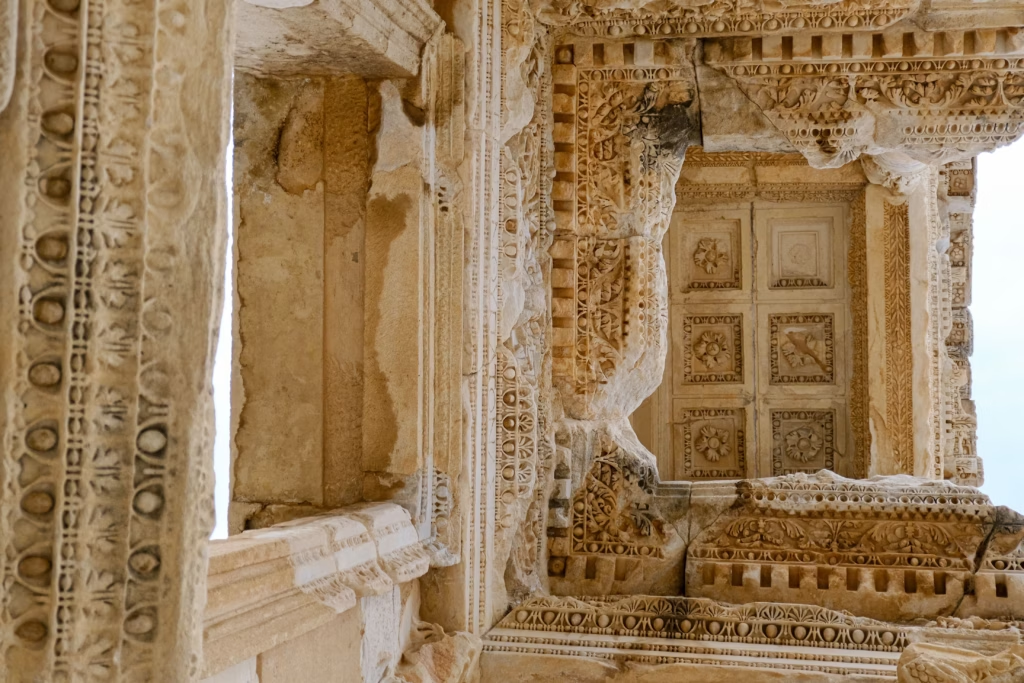
The archaeological site gives travelers a chance to walk through the remains of a once-important city, with streets, monumental structures, theaters, and other traces of life across different historical periods. The nearby town of Selçuk is a practical base and offers more than a place to sleep between visits. It can anchor a slower itinerary around local food, religious history, museums, and surrounding archaeological sites.
Go with enough time to read, listen, and understand what you’re seeing. A guide or well-researched audio resource can transform a collection of stones into a more meaningful picture of urban life, trade, religion, and power. I’d also avoid the hottest part of the day when possible and carry water, sun protection, and comfortable footwear.
Ephesus works particularly well as part of an Aegean route. You could combine it with İzmir, Şirince, Pergamon, or the coastal towns farther south, depending on your available time and transport. Don’t assume every connection or attraction operates exactly as an older guide suggests; check current arrangements before booking nonrefundable travel.
For independent travelers, Selçuk can feel more manageable than using a large coastal resort as your base. You can explore at your own pace, eat locally, and use organized excursions only when they add real value.
4. Antalya offers a practical Mediterranean base
Antalya is one of the best places to visit in Turkey for travelers who want Mediterranean scenery, historic streets, beaches, food, and a city with useful connections to the wider region.
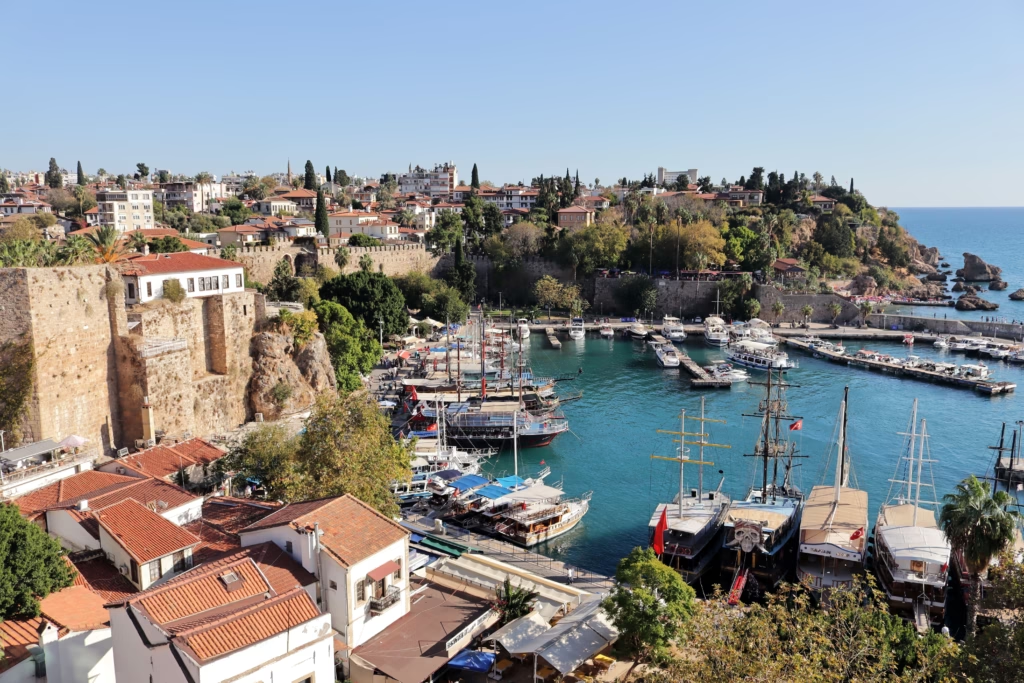
The old quarter, Kaleiçi, is the natural place to begin. Its narrow streets, historic buildings, harbor setting, restaurants, and small accommodation options create a distinct atmosphere, although the area can be busy and tourist-oriented. Look beyond the central lanes as well. Antalya’s broader urban area includes local markets, parks, food businesses, museums, and everyday neighborhoods that reveal a different side of the city.
Antalya is also a good base for mixing city time with archaeological and outdoor trips. Perge, Termessos, Side, and other sites can appeal to history lovers, while the surrounding coast offers beaches, coves, and walking opportunities. Check current transport, access, weather, and tour arrangements for each outing rather than assuming every destination is simple to reach independently.
For budget travelers, Antalya offers more flexibility than a stay entirely inside a resort. You can choose local restaurants, use public transport where practical, and spend some days walking through the city instead of paying for a different excursion every morning. A kitchen or shared accommodation can also help keep food costs under control.
Antalya suits solo travelers who want options. You can join a day tour, spend an afternoon alone beside the water, or meet other travelers in a hostel or guesthouse. I’d book one social activity early, then leave the rest of the trip open enough to follow recommendations.
5. The Lycian Coast is made for slower exploration
The Lycian Coast is one of the best places to visit in Turkey for coastal scenery, ancient ruins, swimming, small towns, and an independent travel rhythm.
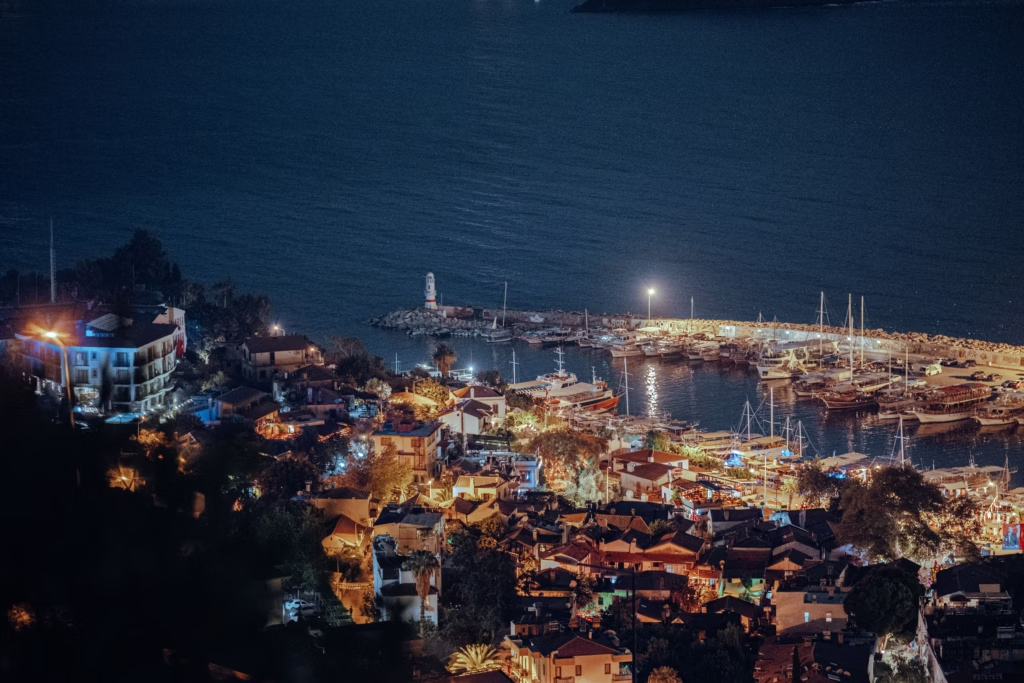
Kaş is a popular base for travelers who want a compact town, restaurants, boat outings, swimming spots, and access to nearby historical sites. Farther along the coast, places such as Kalkan, Olympos, Çıralı, and Fethiye offer different combinations of beaches, nature, nightlife, ruins, and outdoor activities.
This region rewards travelers who resist the urge to move every day. Choose one or two bases and use them properly. Spend a morning at the water, an afternoon exploring a historic site, and an evening eating something local. If you’re interested in long-distance walking, research the Lycian Way carefully, including current trail conditions, water availability, accommodation, navigation, and seasonal weather.
Boat trips and water activities can be enjoyable ways to meet other travelers, but check the operator, route, inclusions, cancellation terms, and current conditions before paying. You don’t need the most expensive excursion to enjoy the coast. Sometimes a simple swimming stop or a quiet waterfront meal is enough.
The Aegean and Mediterranean regions can feel very different from Istanbul or the southeast. If you’re comparing Turkey with another coastal destination, our guide to the best time to visit Montenegro can help you think about shoulder-season travel, coastal towns, mountain excursions, and the trade-offs between busy and quieter periods.
6. Pamukkale pairs mineral terraces with ancient ruins
Pamukkale is one of the best places to visit in Turkey for striking mineral formations and the ancient city of Hierapolis in the same destination.
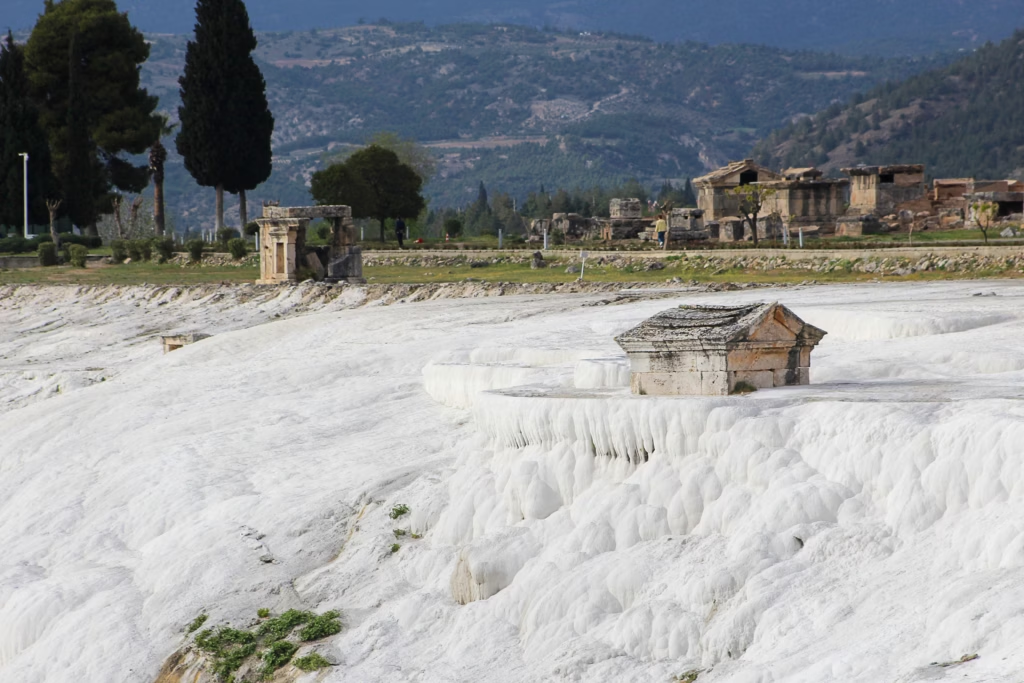
The white terraces are the image most travelers recognize, but the archaeological remains add important depth to the visit. Plan to spend time with both parts rather than arriving only for a quick photograph. The landscape is fragile, so follow current visitor rules, stay on designated routes, and respect access restrictions.
Pamukkale can become a rushed stop on a larger itinerary, particularly when travelers arrive on an organized day trip. If your schedule allows, staying nearby gives you more flexibility and lets you experience the site without trying to fit every activity into a narrow window. Check current entry arrangements, access routes, and bathing rules before you go because these details can change.
For many travelers, Pamukkale works best as part of a western Turkey route that includes Ephesus, İzmir, or other archaeological sites. Think carefully about transport and avoid stacking too many distant stops together. A route that looks efficient on a map may still leave you tired and with little time at each place.
7. Bodrum and the Aegean coast bring a different pace
Bodrum and the wider Aegean coast are among the best places to visit in Turkey for seaside evenings, historic harbors, food, swimming, and a more leisurely holiday atmosphere.

Bodrum combines a lively center with a long maritime history, beaches, restaurants, and nearby villages and bays. It can suit travelers who want a social coastal base, although the most popular areas may feel expensive or busy at certain times. Compare neighborhoods before booking and think about whether you want nightlife, quiet mornings, local food, or easy access to the water.
The wider peninsula deserves attention beyond the central town. Smaller coastal communities can offer a calmer experience, while boat trips provide another way to see the shoreline. Check current routes and conditions directly, particularly outside the busiest season.
Food is a major reason to slow down here. Look for regional produce, seafood, olive oil, meze, and local bakeries, and ask residents or accommodation staff where they eat away from the most crowded tourist streets. One of my favorite travel habits is to make the first meal a conversation starter rather than relying entirely on online rankings.
If you want an alternative to a resort-centered trip, use Bodrum as a base for independent walks, markets, small museums, and nearby villages. You can still enjoy the coast without spending every day inside a paid beach club.
8. Mardin reveals southeastern Turkey’s layered culture
Mardin is one of the best places to visit in Turkey for stone architecture, panoramic views, religious history, regional food, and a deeper look at southeastern culture.
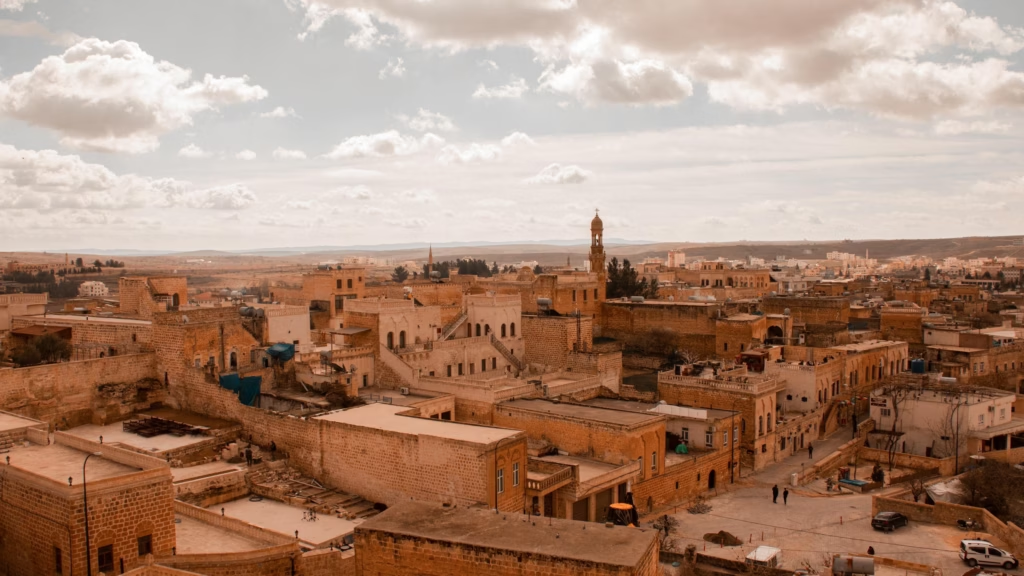
The old city rises along a hillside, with sandstone buildings, narrow streets, historic religious sites, workshops, and viewpoints across the surrounding landscape. It feels visually and culturally distinct from the western coast and major resort destinations, which is exactly why it deserves time on a broader Turkey itinerary.
Explore slowly and respectfully. Religious buildings are active places of worship, and local communities should not be treated as scenery. Dress appropriately, ask before photographing people, and take the time to learn about the region’s different traditions and histories.
Mardin is especially appealing to travelers who enjoy architecture and food. Try local specialties, visit small businesses, and ask where residents go for coffee or a casual meal. A guided walk can help explain the city’s layers, while independent wandering lets you notice details at your own pace.
Because southeastern Turkey involves different logistics from the coastal regions, research your route carefully. Check current transport, regional guidance, accommodation conditions, and access to any nearby sites before you travel. If you’re planning a longer journey in October, our guide to where to travel in October offers useful seasonal planning ideas for Turkey and other destinations.
9. Şanlıurfa and Göbekli Tepe suit curious travelers
Şanlıurfa is one of the best places to visit in Turkey for archaeology, religious history, local food, and a powerful sense of regional identity.
The city’s historic areas, markets, religious sites, and food culture offer a very different experience from Istanbul or the Mediterranean. Nearby Göbekli Tepe has drawn international attention for its prehistoric archaeological remains, while the broader region contains other sites and stories that reward patient exploration.
Visit with humility and curiosity. Archaeological places are not simply photo opportunities, and religious or cultural sites may have deep meaning for local people. Learn the basic etiquette, listen to guides, and avoid reducing a complex region to one headline attraction.
Şanlıurfa can be a strong destination for food-focused travelers. Ask about local dishes, sample carefully, and allow time for markets and ordinary streets rather than rushing straight between formal sights. Solo travelers may find that a food tour or guided archaeological visit creates an easier social connection than trying to start conversations in a busy city center.
10. The Black Sea region rewards adventurous planning
The Black Sea region is one of the best places to visit in Turkey for green mountain scenery, tea-growing landscapes, villages, cooler conditions, and a side of the country that many first-time visitors miss.
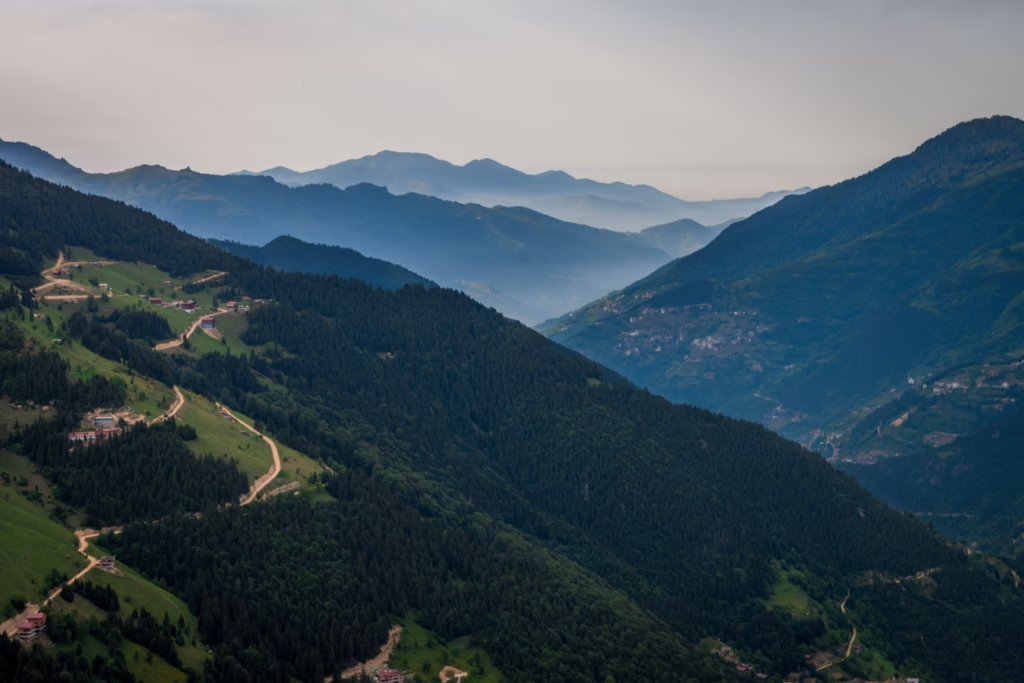
Trabzon can work as an entry point for exploring the northeastern coast and nearby highlands. The region’s appeal lies in the contrast between the sea, steep valleys, forests, plateaus, and local food traditions. Ayder and other mountain areas may appeal to hikers and travelers seeking a change from the Mediterranean landscape, but transport and weather require careful planning.
This is not the region I’d choose for a completely improvised itinerary unless you have plenty of time and flexibility. Research accommodation, road conditions, local transport, walking routes, and seasonal access. Mountain weather can change your plans, and remote destinations may have fewer services than major cities.
The reward is a more independent-feeling journey. Stay in locally run accommodation where possible, eat regional dishes, and ask residents about viewpoints, villages, and walks. A few words of Turkish and a willingness to adapt can make a big difference outside the main tourist circuits.
11. Bursa adds history, food, and mountain air
Bursa is one of the best places to visit in Turkey for Ottoman history, traditional markets, regional food, thermal culture, and access to Mount Uludağ.
It can work well as an alternative to adding another large city to your itinerary. Explore historic mosques, markets, tombs, and food traditions, then consider spending time in greener areas or nearby mountain settings. Bursa gives travelers a chance to experience a major Turkish city at a different pace from Istanbul.
Food is a central part of the experience. Look for local versions of well-known dishes and ask restaurant staff how specialties are traditionally served. Markets are also worthwhile for travelers who want to bring home edible souvenirs, provided you understand customs rules and transport requirements.
Bursa suits a short city break or a longer stop between Istanbul and other western destinations. Check current transport and mountain access before planning a day around outdoor activities. If you enjoy combining work and travel, a longer Bursa stay may be more practical than constantly moving, but confirm internet reliability and workspace arrangements before booking.
How should you plan a Turkey itinerary?
The best Turkey itinerary combines regions that make sense together rather than trying to collect every famous destination.
If you plan to visit several regions, compare car rental options in Turkey or check available transfers between destinations. Consider travel times, pickup locations, insurance, and the cost of getting between each stop.
For a first trip
Start with Istanbul, then choose Cappadocia and either the Aegean or Mediterranean coast. This gives you city culture, unusual landscapes, history, food, and seaside time without spreading the trip across too many regions.
For ancient history
Build around Istanbul, Ephesus, Pamukkale, Aphrodisias, Troy, or southeastern archaeological sites according to your interests. Leave enough time to understand each place rather than treating ruins as quick photo stops.
For beaches and outdoor travel
Choose Antalya, Kaş, Fethiye, the Lycian Coast, Bodrum, or the Black Sea mountains. Check season, water conditions, trail access, transport, and accommodation before fixing your route.
For a social solo trip
Stay in places with hostels, guesthouses, shared kitchens, walking tours, food experiences, or group excursions. Book one activity near the beginning of your trip, then use the recommendations you gather to shape the rest of your route.
How can you travel Turkey on a budget?
You can make Turkey more affordable by choosing fewer bases, eating locally, using public transport where practical, and spending deliberately on experiences that matter to you.
- Compare total costs: include accommodation, transfers, food, attraction access, baggage, and activities.
- Choose accommodation by location: a cheaper room far from transport and food may cost more overall.
- Use local restaurants and markets: they can offer better value and a stronger connection to regional food.
- Mix paid and free experiences: balance archaeological sites and tours with neighborhood walks, markets, parks, and waterfronts.
- Keep your route flexible: changing plans can be easier when you haven’t prepaid every day.
Turkey also rewards travelers who stay longer in one place. A week in a region often feels less expensive and more satisfying than several short stops because you spend less time paying for transfers and more time settling into local routines.
What should you do next?
Choose the experience you want most: Istanbul’s city life, Cappadocia’s landscapes, ancient ruins, Mediterranean beaches, southeastern food and culture, or a quieter regional journey. Then select two or three destinations that support that priority.
Before booking, check current entry requirements, transport, accommodation reviews, attraction access, weather, regional guidance, and any restrictions affecting outdoor or archaeological sites. Leave at least one flexible day in your itinerary, especially when connecting distant regions.
The best places to visit in Turkey aren’t limited to the destinations with the biggest reputations. They’re also found in a market meal, a small coastal town, a conversation with a guide, a quiet historic street, or a regional dish you didn’t expect to enjoy. Choose a route with breathing room, travel respectfully, and let Turkey become more than a list of landmarks.






One Comment