
Best Time to Visit Montenegro For Weather and Seasons
The best time to visit Montenegro depends on the kind of trip you want to have. Are you imagining warm days beside the Adriatic, quiet walks through old towns, mountain trails, local food, or a flexible budget trip with fewer crowds? Montenegro can deliver all of those experiences, but the ideal month for one traveler may be completely wrong for another.
That variety is what makes Montenegro so appealing. In a relatively compact country, you can move between the Bay of Kotor, coastal towns, Lake Skadar, historic cities, and northern mountain landscapes. The practical challenge is that the coast, lowlands, and highlands do not always feel like the same destination. Weather, transport, seasonal services, trail conditions, and accommodation availability can vary by region.
Planning your trip to Montenegro? Start by comparing flights to Montenegro to find an option that fits your dates and budget. Booking your main transport early can also make it easier to organize the rest of your itinerary.
I’d plan this trip around your priorities rather than chasing a supposedly perfect season. Use this guide to compare each part of the year, choose the right region, and build an itinerary that leaves space for local discoveries instead of turning every day into a transfer.
Table of Contents
What is the best time to visit Montenegro?
The best time to visit Montenegro for a balanced trip is usually the shoulder season, especially late spring or early autumn, when travelers can combine coastal exploring with outdoor activities and cultural sightseeing. Summer is attractive for beach time and a lively atmosphere, while winter suits travelers focused on mountains, snow-related activities, or quieter historic towns.

That simple answer needs a little context:
- For swimming and beach-focused travel: choose the warmest part of summer, while checking current crowd levels, accommodation demand, and local conditions.
- For old towns and coastal walks: late spring and early autumn can offer a more comfortable rhythm than the busiest summer period.
- For hiking and scenery: check the specific mountain region, trail status, weather, and seasonal access before booking.
- For a quieter budget trip: shoulder-season dates may offer more flexibility, but confirm which restaurants, tours, boats, and accommodation services operate.
- For snow and winter landscapes: focus on the northern mountains and check current conditions before planning outdoor activities.
Before you pay for anything nonrefundable, check current weather information, transport arrangements, attraction access, road conditions, and seasonal operating schedules for your exact dates. Montenegro rewards flexibility, but remote or weather-dependent plans need more preparation than a relaxed city break.
1. Summer is best for a classic Adriatic escape
Summer is the strongest choice for travelers who want Montenegro’s coast at its most active, with opportunities for beach time, boat outings, waterfront meals, and long evenings in historic towns.

The Bay of Kotor is an obvious starting point. Kotor gives you atmospheric lanes, stone buildings, waterfront views, food, and a practical base for exploring the surrounding bay. Perast offers a smaller historic setting, while Budva brings a more energetic combination of old-town streets, beaches, restaurants, and evening activity. Bar and Ulcinj can add a different perspective on the southern coast.
The trade-off is that summer can bring greater demand and a busier feel in the best-known coastal destinations. If you dislike crowds, I wouldn’t build your entire trip around the most popular waterfront at the most popular time. Stay a little longer in one base, begin sightseeing earlier, and leave room for quieter neighborhoods, local food, and inland excursions.
Summer also works well for solo travelers because organized tours, boat trips, hostels, and shared activities can make meeting people easier. I’d book only the experiences that genuinely matter to you and keep the rest of the itinerary open. A day built around a swim, a local meal, and an unplanned walk can be just as satisfying as a packed schedule.
2. Late spring offers a flexible mix of coast and mountains
Late spring is a strong option for travelers who want to combine coastal towns with outdoor exploring before committing to a full summer itinerary.
The coast can provide historic streets, waterfront walks, food, and boat-based possibilities, while inland areas begin to appeal to travelers looking for lakes, viewpoints, forests, and mountain scenery. Conditions are not identical everywhere, so check the region rather than relying on a countrywide assumption.
This is a good season for travelers who prefer movement without rushing. You might choose Kotor as a base, spend time around the bay, then add Lake Skadar or a northern destination if transport and conditions suit your route. I’d avoid changing hotels every night. Two well-chosen bases usually give you more time to notice the place and less time managing luggage.
Late spring can also suit budget-conscious travelers who want to travel independently. Accommodation and activities may have different availability from the busiest summer period, but you should still confirm current prices and schedules rather than assuming every service runs daily. If a boat trip, cable car, hiking route, or remote guesthouse is central to your plans, check it directly before you build the itinerary around it.
3. Autumn is ideal for slower cultural travel
Autumn is one of the most appealing times to visit Montenegro if you want historic towns, food, scenery, and outdoor days without making the entire trip about the beach.
The Bay of Kotor is particularly well suited to a slower itinerary. Walk through Kotor, visit nearby settlements, pause for a meal, and allow time to appreciate the contrast between the bay and the steep landscape around it. Budva, Bar, and Ulcinj can also work well if you want to explore beyond the most photographed parts of the coast.
Lake Skadar adds another layer to an autumn route, with villages, water, landscape, and opportunities for nature-focused activities. Check current boat operations, transport, weather, and local access before setting out. The same applies to northern mountain regions, where conditions and available services may differ sharply from the coast.
Autumn can be a rewarding time for solo travelers. A guided food experience, walking tour, small-group excursion, or shared accommodation gives you a natural way to meet others, while quieter afternoons leave room for independent exploration. You don’t need to turn the entire trip into a social event. I prefer a balance of one shared activity, one cultural day, and plenty of unstructured time.
If you’re comparing Montenegro with other seasonal destinations, our guide to where to travel in October can help you think through the difference between an Adriatic route, an Irish city break, and a larger outdoor journey.
4. Winter suits mountains, quiet towns, and low-key travel
Winter is the best time to visit Montenegro for travelers who want northern mountain scenery, snow-related activities, quieter historic towns, and a slower itinerary rather than a beach holiday.
The coast can still be rewarding in winter, particularly if you enjoy walking through old towns, photographing the bay, eating local food, and seeing a destination without its summer rhythm. However, you should not assume that every boat trip, beach business, restaurant, or attraction operates on the same schedule as during the high season.
The northern mountains offer a different experience altogether. If you want hiking, skiing, snowshoeing, or other cold-weather activities, research the specific destination and current conditions carefully. Weather can affect roads, trails, transport, and equipment availability. Use local guidance, prepare properly, and avoid treating a dramatic landscape as automatically easy to access.
Winter is a good fit for travelers who enjoy independent planning and do not need a packed list of daily activities. You can spend a morning exploring a historic center, eat somewhere local, and use the afternoon for a museum, café, or scenic drive if conditions allow. It may be less suitable if your ideal Montenegro trip depends on regular boat departures, beach time, or every tourist service being open.
For more winter planning ideas, compare this route with our guide to where to visit in December. It places Montenegro alongside other destinations with very different seasonal personalities.
5. Choose your region before choosing your month
The smartest way to decide when to visit Montenegro is to choose your main region first, because the best season for the coast may not be the best season for the mountains.
The Bay of Kotor

Choose the Bay of Kotor for historic streets, waterfront scenery, food, photography, boat-based possibilities, and an easy introduction to the country. It works across several seasons, but the atmosphere changes significantly between the busiest summer period and quieter months.
Kotor is also a useful solo-travel base. Walking tours, shared accommodation, cafés, and organized excursions can make it easier to meet people. At the same time, the old town is enjoyable alone, especially when you stop following a checklist and allow yourself to wander.
The central and southern coast
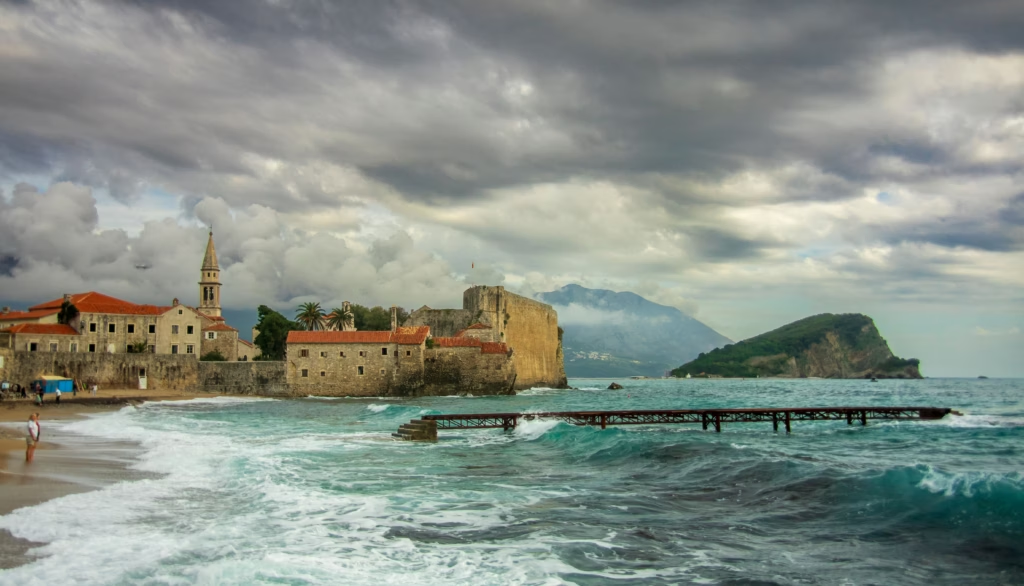
Choose Budva, Bar, or Ulcinj if you want to explore beyond the bay. These areas offer different combinations of beaches, historic places, restaurants, and local character. Check seasonal transport and services before planning a route that depends on several coastal stops.
Lake Skadar
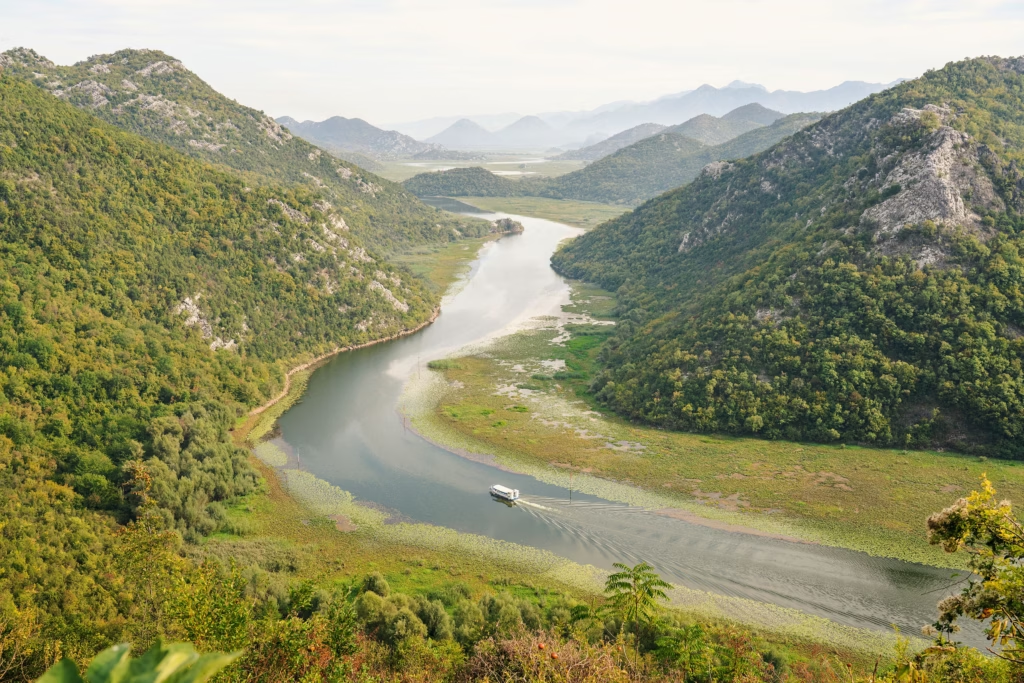
Lake Skadar suits travelers who want landscapes, villages, nature, and a calmer change of pace. Boat trips and outdoor experiences are dependent on current local arrangements and conditions, so verify availability before committing to a fixed schedule.
The northern mountains
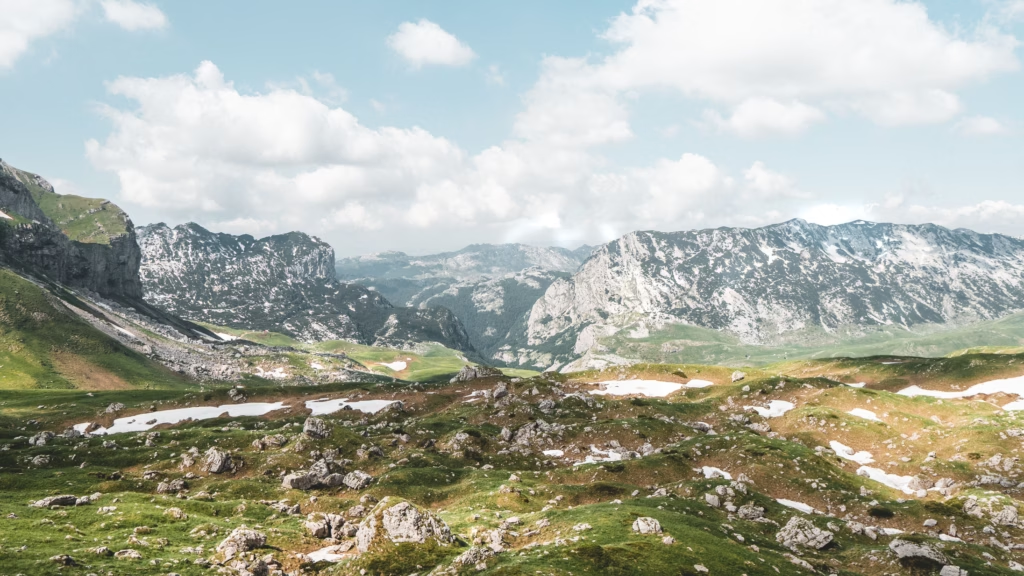
Choose the north for mountain scenery and outdoor adventure. The right month depends heavily on the exact area and activity. Check road conditions, trail access, weather, equipment, accommodation, and transport, particularly if you are traveling without a car.
For a wider overview of places to explore, see our practical guide to things to do in Montenegro. Use it as inspiration, then narrow the list according to your dates and travel style.
6. Plan Montenegro around your travel style
The best time to visit Montenegro is also the season that supports the way you like to travel, whether that means beaches, culture, hiking, food, or social experiences.
For budget-conscious travelers
Traveling outside the busiest period may give you more choice, but never assume that a quieter season automatically means lower total costs. Compare accommodation, transport, food, activities, and the services available in each base. A cheap remote room may cost more overall if you need complicated transfers or frequent taxis.
Choose fewer bases, use local food options, and protect your activity budget for one or two experiences that matter. You can fill the rest of the trip with old-town walks, viewpoints, markets, scenic drives, and independent exploring.
For solo travelers
Choose accommodation with a shared lounge, kitchen, organized activities, or a location near food and public transport. Book one group activity early in the trip, such as a walking tour, food experience, guided hike, or small-group excursion. That gives you an easy first conversation without requiring constant company.
Solo travel in Montenegro can be wonderfully independent, but outdoor plans deserve extra preparation. Share your broad route with someone you trust, check current conditions, and choose activities appropriate to your experience and equipment.
For road-trip travelers
A road trip gives you access to changing landscapes, but roads, weather, traffic, parking, and mountain conditions can affect your schedule. Avoid planning long drives every day. Leave room for scenic stops, food, rest, and a change of plan.
Planning to explore Montenegro beyond the main coastal towns? Compare car rental options in Montenegro to see whether driving makes sense for your route. Check insurance, parking, and road conditions before booking.
Check current driving requirements, road guidance, vehicle conditions, parking arrangements, and insurance before departure. If you do not want to drive, compare public transport, organized tours, and private transfers for the exact route you have in mind.
7. Build a realistic Montenegro itinerary
A practical Montenegro itinerary should combine one coastal base with one inland or mountain experience, provided transport and seasonal conditions support the route.
For a short trip
Base yourself in or near the Bay of Kotor and explore the old town, waterfront, nearby settlements, and local food scene. This keeps the trip focused and avoids spending most of your time in transit.
For one week
Combine the Bay of Kotor with another coastal destination or Lake Skadar. Check transport connections and seasonal activity schedules before deciding whether to move accommodation or take day trips.
For a longer journey
Add a northern mountain region if current roads, trails, weather, and services suit your plans. Give yourself recovery time between demanding outdoor days and long transfers.
If Montenegro is part of a broader seasonal itinerary, our guide to the best places to visit in New Zealand offers a useful contrast between compact Balkan travel and a much larger landscape-led journey. And if you are considering another destination for a family trip, see our ideas for things to do in Belfast with kids for practical advice on flexible pacing and varied activities.
What should you do next?
Start by choosing the experience you want most: coastal exploration, old towns, mountain scenery, food, quiet travel, or a social independent trip. Then choose the season and region that support it.
Before booking, check current weather, transport, accommodation availability, road conditions, trail access, attraction schedules, and activity operations for your exact dates. Keep at least one flexible day in the itinerary, especially if you are traveling between the coast and the mountains.
Montenegro is at its best when you leave room for the unexpected: a longer lunch, a scenic detour, a conversation in a hostel kitchen, or a small town that deserves more time than your original plan allowed. Choose a realistic route, travel respectfully, and let the season shape the journey rather than forcing the country into a fixed checklist.




One Comment