
Best Places to Visit in China: 10 Incredible Places
The best places to visit in China range from imperial capitals and futuristic cities to misty mountains, giant pandas, ancient villages, dramatic karst landscapes, and highland scenery. That variety is thrilling, but it can also make planning feel overwhelming. China is simply too large to experience in one rushed trip.
I’d begin by choosing the kind of journey you want. Are you drawn to history and architecture, food and city life, mountain landscapes, traditional villages, or a slower route through different regions? Once you know your priorities, choosing between China’s huge list of destinations becomes much easier. A focused itinerary is usually more rewarding than trying to connect every famous name.
This guide brings together ten destinations with distinct personalities. I’ve included major cities, famous landscapes, and places that reward travelers who stay longer than a quick photo stop. If you’re comparing long-haul trips, you may also enjoy our guides to the best places to visit in Thailand, the best places to visit in Croatia, and the best places to visit in Jordan.
Table of Contents
How to choose among the best places to visit in China
The right Chinese destination depends on your travel style, available time, and tolerance for long journeys. Beijing and Xi’an are natural choices for history, Shanghai suits travelers who want modern city life, and Chengdu is a strong option for food and a more relaxed urban rhythm. Guilin, Zhangjiajie, and Yunnan appeal to travelers who want mountains, rivers, hiking, and rural scenery.
China also rewards regional planning. Beijing, Xi’an, and Shanghai can work together as a city-and-history route, while Guilin and Zhangjiajie fit more naturally into a landscape-focused journey. Yunnan deserves extra time because moving slowly between mountain towns, old settlements, and countryside is part of the experience.
Solo travelers can find plenty of ways to connect with other people through hostels, food tours, walking tours, language exchanges, group excursions, and cooking activities. At the same time, independent travel in China may require patience. Transport systems, signs, payment methods, and local routines can feel unfamiliar at first, so give yourself time to adjust rather than judging the whole trip by your first arrival day.
10 incredible places to see in China
1. Beijing: China’s historic and political heart
Beijing is one of the best places to visit in China if you want an introduction to imperial history, monumental architecture, traditional neighborhoods, museums, and modern Chinese life. It is a large, layered city, so I’d avoid treating it as a checklist of famous landmarks.
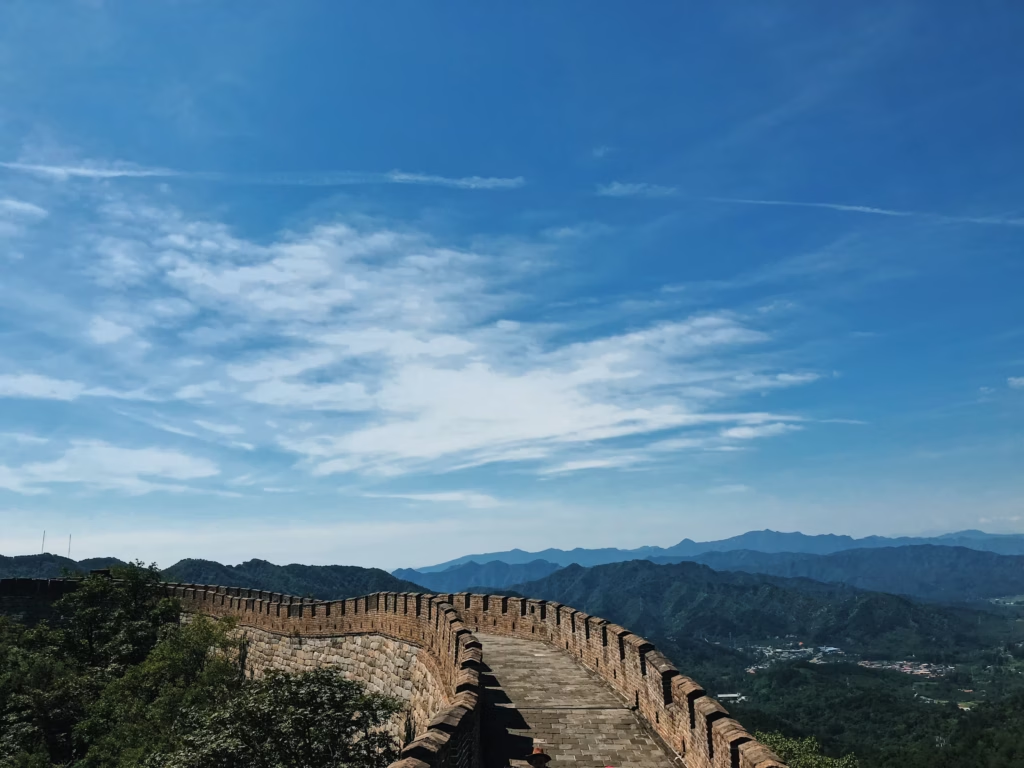
Start with the historic center and allow time for major palaces, public squares, temples, and gardens, but also wander through hutong neighborhoods where narrow lanes and courtyard homes reveal a more intimate side of the capital. Beijing is at its most interesting when grand history and everyday life sit side by side.
Food deserves a central place in your plans. Try regional specialties, local breakfast dishes, noodles, dumplings, and restaurant meals away from the most obvious tourist streets. A food walk or cooking class can be especially useful for solo travelers because it combines context with an easy opportunity to meet people.
The Great Wall is an obvious addition, but choose your section and transport plan carefully. Different areas create different experiences, and a quieter section may be more rewarding than trying to fit a famous viewpoint into an already exhausting day. Check current access arrangements before setting out.
2. Shanghai: Modern energy beside historic neighborhoods
Shanghai is one of the best places to visit in China for travelers who enjoy architecture, food, shopping, museums, nightlife, and the contrast between a global city and older local neighborhoods. Its skyline is striking, but I think Shanghai becomes more memorable when you move beyond the most photographed waterfront views.
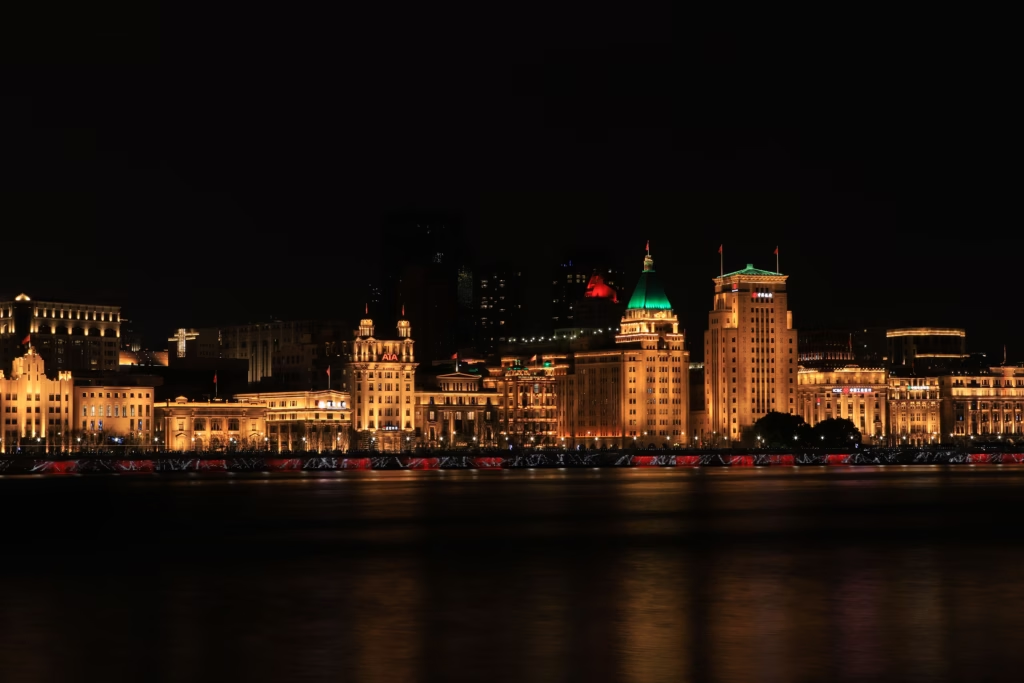
Spend time along the Bund, then explore streets with old buildings, independent cafés, markets, galleries, and restaurants. The city offers an easy way to balance major sights with unplanned wandering. You can spend one part of the day surrounded by modern towers and another in a quieter neighborhood where daily routines take center stage.
Shanghai also works well for travelers who enjoy city-based solo trips. Museums, cafés, public parks, food halls, and walking routes allow you to shape each day independently without feeling isolated. If you want a break from the urban pace, consider adding a nearby water town or a slower day in a traditional garden, checking current transport options before you go.
3. Xi’an: Ancient history and memorable food
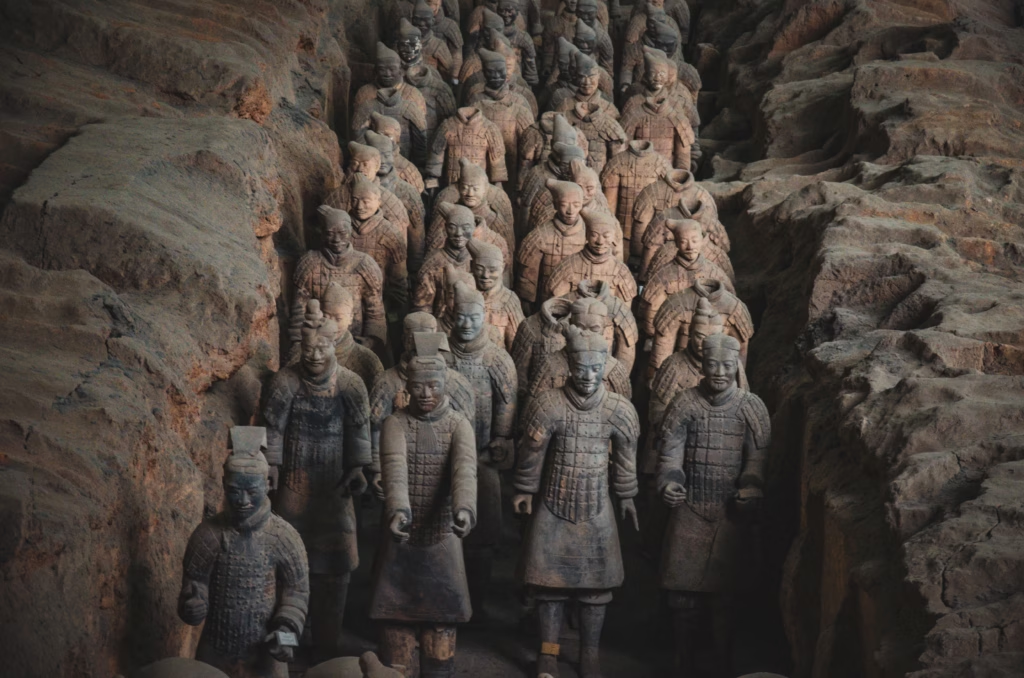
Xi’an is one of the best places to visit in China for travelers interested in archaeology, historic trade routes, city walls, religious heritage, and food. It is best known internationally for the Terracotta Army, but the city offers much more than one archaeological site.
Give yourself time to explore the historic center, walk or cycle along the old city wall where permitted, and visit neighborhoods known for local food. Xi’an’s Muslim Quarter is lively and popular, but don’t stop at the busiest street. Try to explore thoughtfully, paying attention to the wider culture and communities behind the food stalls and historic buildings.
The Terracotta Army deserves a careful visit rather than a rushed excursion. Read about the site before arriving, allow time for the different exhibition areas, and check current transport and access information. The scale of the discovery becomes easier to appreciate when you understand that it forms part of a much wider imperial landscape.
Xi’an is a good choice for solo travelers who want a destination with plenty of organized activities and an easy social atmosphere. Food tours, walking routes, and shared day trips make it simple to meet people while still leaving room for independent exploration.
4. Chengdu: Food, tea houses, and giant pandas
Chengdu is one of the best places to visit in China for travelers who want bold food, tea-house culture, relaxed city days, and opportunities to learn about giant pandas. The city has a reputation for a slower rhythm, and that makes it a refreshing contrast to China’s larger, faster-paced urban centers.

Food should be one of your main reasons for visiting. Sichuan cuisine is known for complex flavors and the distinctive numbing heat associated with local peppercorns, but there is plenty to explore beyond one famous dish. Visit markets, try casual restaurants, and ask residents for recommendations rather than relying only on international guides.
Tea houses offer a natural way to slow down and observe local life. A relaxed afternoon over tea can be just as valuable as another scheduled attraction. For solo travelers, cooking classes and food walks provide an easy social setting without turning the trip into a party holiday.
If you plan to visit a panda conservation center, check current visitor guidance and animal-welfare information before booking. Look for experiences that prioritize the animals’ wellbeing and avoid activities based on unnecessary handling or staged contact.
5. Guilin and Yangshuo: Rivers, karst peaks, and countryside
Guilin and Yangshuo are among the best places to visit in China for travelers drawn to river landscapes, limestone peaks, cycling, village scenery, and time outdoors. The region is famous for its dramatic karst formations, but the best experience comes from slowing down enough to notice the countryside between major viewpoints.
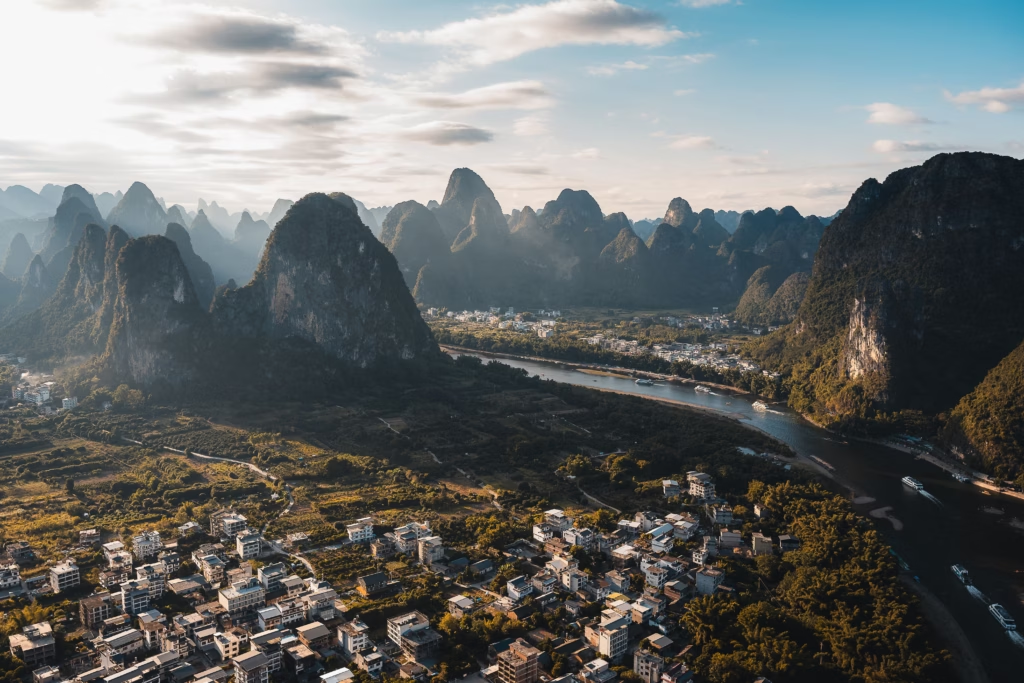
Guilin can work as an arrival point, while Yangshuo offers a more rural base for exploring by bicycle, boat, or on foot. A river journey may be a central part of your plan, but check current operating details and weather conditions before booking. Water levels, access, and schedules can change.
Yangshuo suits travelers who want a few quieter days after major city sightseeing. You can combine gentle outdoor activities with local meals, village visits, and time beside the river. If you’re traveling alone, group cycling trips, guided walks, and small boat excursions create natural opportunities to meet other visitors.
The region can become busy around its most photographed sites, so consider starting early and exploring beyond the main route. A less famous road, village, or riverside path may give you a stronger sense of place than another crowded viewpoint.
6. Zhangjiajie: Forested pillars and mountain trails
Zhangjiajie is one of the best places to visit in China for travelers who want unusual mountain scenery, forested trails, steep valleys, and dramatic viewpoints. The area is associated with towering sandstone pillars that create a landscape unlike the cities and river valleys elsewhere in this guide.

Plan around the kind of day you enjoy. Cable cars, elevated viewpoints, shuttle systems, and walking trails can help visitors access the landscape, but you’ll still need comfortable footwear and patience around busy areas. Check current park routes, weather, access arrangements, and visitor guidance before traveling.
Don’t underestimate the time needed to move between different parts of the park. A map may make the area look simple, while transport queues, mountain paths, and changing weather can affect your schedule. I’d choose fewer sections and explore them properly rather than spending the day rushing from one viewpoint to another.
Zhangjiajie is especially appealing to travelers who enjoy photography and outdoor scenery, although it isn’t a remote wilderness experience. If you want a quieter atmosphere, look beyond the most famous platforms and allow time for less central trails where permitted.
7. Hangzhou: Gardens, tea, and a slower urban break
Hangzhou is one of the best places to visit in China for travelers who want lakeside scenery, gardens, tea culture, historic streets, and a more peaceful counterpoint to Shanghai. It works well as either a short city break or a longer stop for travelers who prefer a slower pace.
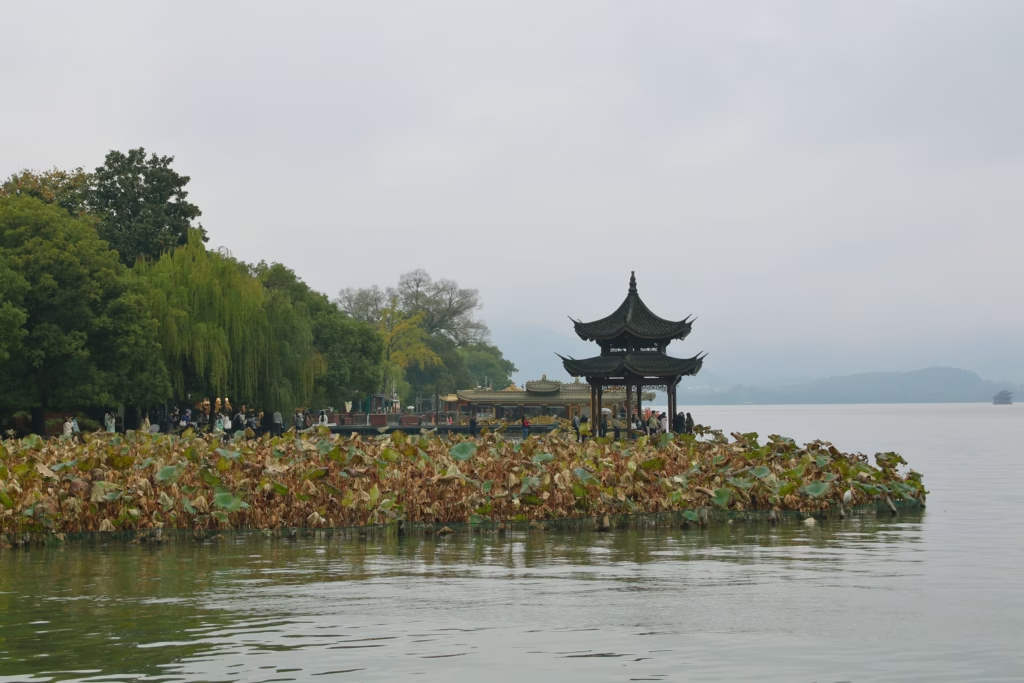
West Lake is the obvious focal point, but it is best enjoyed without trying to complete every possible route. Walk beside the water, pause in a garden, visit cultural sites, and leave room for a long meal or cup of tea. The city’s appeal comes from the way urban life and green public spaces overlap.
Tea is an important part of the local identity, so consider visiting a tea-growing area or joining an experience that explains cultivation and preparation. Choose activities carefully and support small local businesses where possible. A guided tea visit can be a good fit for solo travelers who want conversation and cultural context.
Hangzhou is a useful addition to a Shanghai itinerary, but it deserves more than a hurried day if you want to appreciate its atmosphere. Stay long enough to explore in the early morning or later afternoon, when a slower rhythm becomes easier to find.
8. Yunnan: Mountain towns, villages, and regional variety
Yunnan is one of the best places to visit in China for travelers who want mountain landscapes, historic towns, local food, regional cultures, and a route that feels less dominated by major cities. The province is broad and varied, so choose a small number of bases rather than attempting to cover everything.
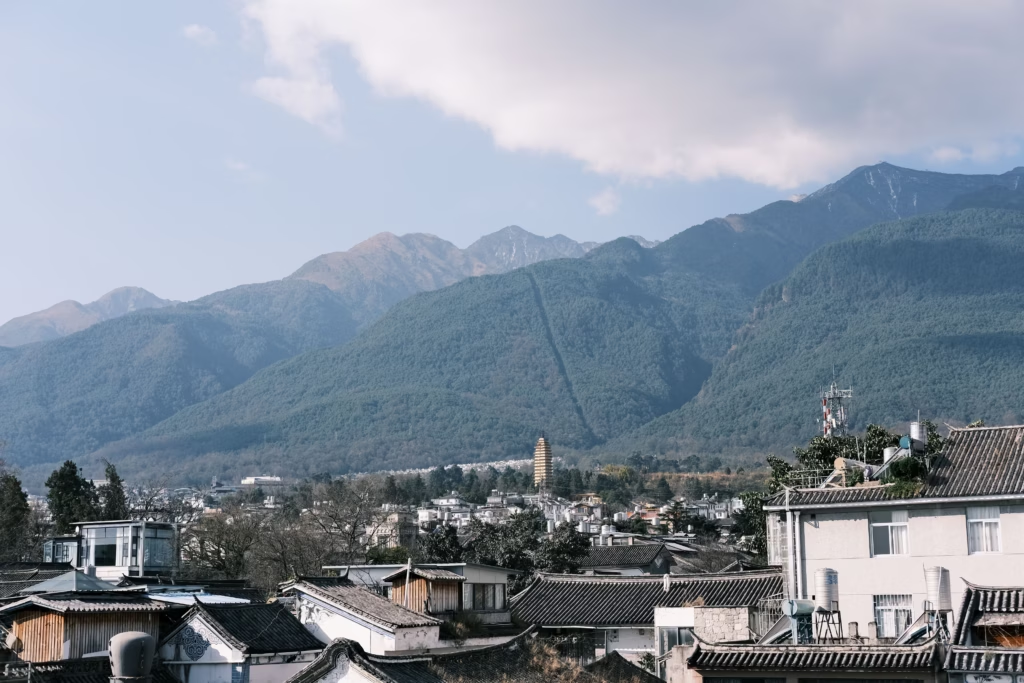
Lijiang is a popular starting point for old-town streets and access to mountain scenery, while Dali offers lake views, villages, and a relaxed creative atmosphere. Shangri-La appeals to travelers interested in highland landscapes and Tibetan cultural influences. Each destination has a different character, so research the route according to your interests and comfort with altitude.
Yunnan rewards slower travel. Spend time in local markets, try regional dishes, and look for community-based experiences that allow you to learn rather than simply observe. Traditional villages should be approached respectfully, particularly when photographing people or entering religious and residential spaces.
Mountain weather and transport can affect plans, so keep flexibility in your itinerary. Pack layers, check current conditions, and avoid building a chain of tight connections. The region is most enjoyable when a delayed journey doesn’t ruin the rest of your trip.
9. Suzhou: Classical gardens and canal-side history
Suzhou is one of the best places to visit in China for travelers interested in classical gardens, canals, traditional architecture, silk, and a gentler urban atmosphere. It provides a useful contrast to Shanghai and can add historic texture to a wider eastern China route.
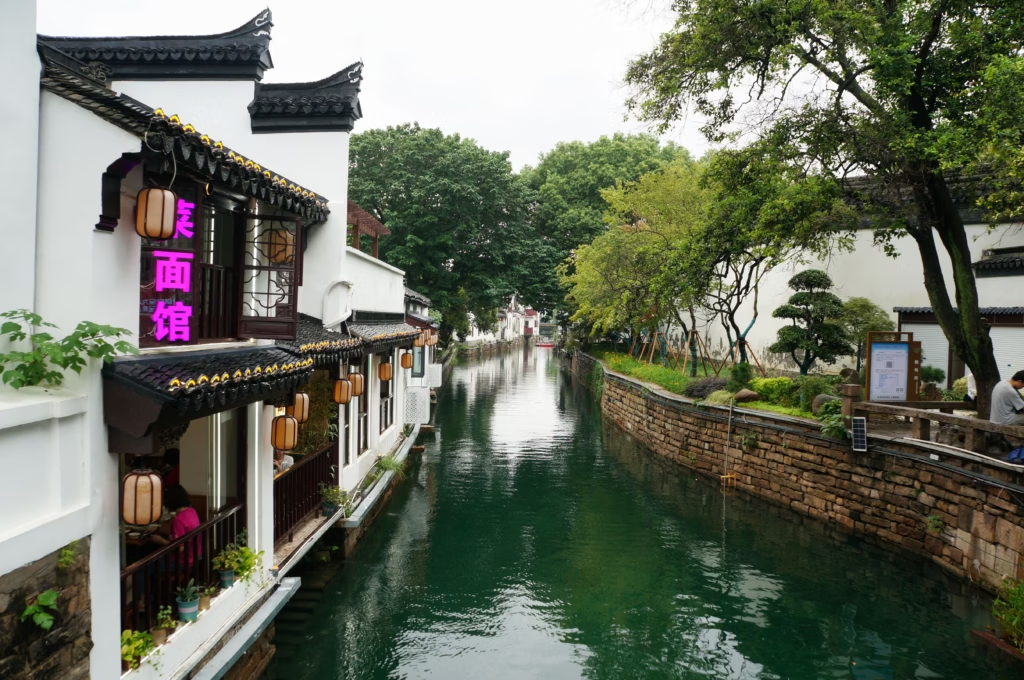
The gardens are the main attraction, but don’t treat them as identical photo locations. Each space has its own combination of rock formations, water, pavilions, plants, and carefully framed views. Move slowly and notice how the design encourages changing perspectives as you walk.
Canal-side neighborhoods and older streets are worth exploring beyond the most formal attractions. Look for local restaurants, small shops, and everyday scenes, while remembering that residential areas are not open-air museums. Ask permission before photographing people and respect signs around private spaces.
Suzhou suits solo travelers who enjoy culture without needing an intense schedule. It can also be a comfortable place to pause between larger cities, especially if you want a day built around gardens, tea, food, and walking.
10. Tibet and the Tibetan Plateau: High-altitude landscapes and spiritual heritage
Tibet and the wider Tibetan Plateau are among the most distinctive places to consider in China for travelers drawn to high-altitude scenery, monasteries, dramatic mountains, and living spiritual traditions. This is not a destination to add casually to a crowded itinerary. Planning, acclimatization, local regulations, and access requirements need careful attention before booking.
The region’s appeal lies in its scale and cultural depth. Travelers may be drawn to monasteries, pilgrimage sites, mountain landscapes, and highland towns, but responsible travel means approaching these places with humility. Follow local guidance, dress appropriately at religious sites, and ask before photographing people or ceremonies.
Altitude can shape the experience, so allow time to adjust and avoid treating long journeys or demanding walks as ordinary sightseeing. Check current travel requirements, transport arrangements, weather, and health guidance from reliable official sources for your nationality and travel dates. I’ve intentionally left visa and entry details out here because they can change.
For independent travelers, a reputable local operator may simplify complex logistics and provide useful cultural context. Choose providers carefully, ask what is included, and look for arrangements that respect local communities and religious spaces.
How to build a China itinerary
A good China itinerary begins with geography. For a first visit focused on history and cities, consider Beijing, Xi’an, and Shanghai. For scenery, Guilin and Yangshuo can combine with Zhangjiajie, while Yunnan deserves a dedicated regional trip. Chengdu and Hangzhou are useful additions when food, tea, and slower urban experiences matter more than collecting major landmarks.
- For history: build around Beijing, Xi’an, Suzhou, and historic neighborhoods in Shanghai.
- For food: choose Chengdu, Xi’an, Shanghai, and a regional destination with local markets.
- For dramatic landscapes: compare Zhangjiajie, Guilin and Yangshuo, and Yunnan.
- For a slower route: consider Hangzhou, Suzhou, Yangshuo, or Dali.
- For high-altitude travel: research Tibet and the Tibetan Plateau separately rather than adding them at the last minute.
Transport should shape the plan from the beginning. China’s distances are substantial, even when high-speed rail and domestic flights make movement possible. Check current train, flight, park, and attraction information for your dates, and leave buffer time around important connections. Two or three well-chosen bases will usually create a more enjoyable trip than a long list of rushed overnight stops.
Practical tips for visiting China
Pack for the regions you’re visiting rather than relying on one general forecast. China includes humid cities, cool mountain areas, high-altitude landscapes, and river valleys. Comfortable walking shoes, layers, sun protection, a reusable water bottle, and a small day bag are useful almost everywhere.
Learn a few basic phrases, save your accommodation details in the local language, and keep important information available offline. Payment systems, transport apps, and internet access may work differently from what you use at home, so research current practical guidance before departure and keep backup options where possible.
Food is one of the best ways to understand regional differences. Try local breakfast dishes, noodles, dumplings, hotpot, tea, market snacks, and restaurant specialties. If you have allergies or dietary restrictions, explain them clearly and confirm ingredients rather than relying on assumptions.
When visiting temples, monasteries, villages, and historic neighborhoods, travel with respect. Ask before photographing people, follow rules around sacred spaces, and remember that a traditional community is a lived-in place rather than a backdrop. Responsible curiosity will take you much further than a hurried checklist.
Solo travel doesn’t have to mean isolation. Food tours, walking tours, language exchanges, hostels, group hikes, and organized day trips can all create opportunities to meet people. At the same time, protect your own energy. A quiet tea house, an unplanned walk, or a meal enjoyed alone can be exactly what you need after a busy travel day.
What to do next
Start by choosing your main China experience. If history comes first, begin with Beijing and Xi’an. If you want food and city energy, compare Chengdu and Shanghai. For mountains and rural landscapes, look at Zhangjiajie, Guilin, Yangshuo, or Yunnan, while Hangzhou and Suzhou offer a slower combination of gardens, tea, and traditional culture.
Once you’ve selected two or three anchors, check current transport, access, weather, and entry information for your travel dates. Then leave some space between major plans. China is at its most rewarding when you have time to linger over a regional meal, follow a local recommendation, watch daily life unfold in a neighborhood, or stay one extra day in a place that surprises you.