
The Best Time to Visit Morocco: By Seasons & Tips
The best time to visit Morocco depends on what you want to do once you arrive. A city break in Marrakech, a desert journey, an Atlas Mountains hike, and a few quiet days on the Atlantic coast all come with different weather considerations. Morocco is wonderfully varied, but that variety means there isn’t one perfect month for every itinerary.
My approach is to choose the experience first, then choose the season. Spring and autumn are often the easiest starting points for a multi-region trip, while summer can work well for the coast and winter can be appealing for cities and the desert. The right answer also depends on whether you prefer lively streets, cooler walking conditions, lower demand, or more flexibility with your budget.
Table of Contents
What is the best time to visit Morocco?
The best time to visit Morocco for a balanced first trip is usually spring or autumn, particularly if you want to combine imperial cities, inland landscapes, and the desert. These seasons are often chosen by travelers who want comfortable sightseeing conditions without building an itinerary entirely around hot afternoons or winter mountain weather.
That broad answer needs a little context. Morocco has several climate zones rather than one uniform pattern. Marrakech and Fez can feel very different from Essaouira on the Atlantic coast, while the High Atlas and the Sahara bring their own conditions. Even within one season, mornings, afternoons, and evenings may require different clothing.
For a first visit, I’d avoid asking only, “What is the weather like in Morocco?” Ask instead:
- Will I spend most of my time in cities, mountains, desert, or by the sea?
- Am I comfortable with heat, cold evenings, or changeable conditions?
- Do I want a busy social atmosphere or a quieter trip?
- Can my itinerary change if weather affects roads, trails, or excursions?
If you’re still deciding what to do, our guide to the best things to do in Morocco is a useful companion. It covers city walks, desert camping, cooking classes, Atlas Mountains activities, hammams, craft workshops, and Atlantic coast experiences. You can also explore the best places to visit in Morocco.
Morocco in spring: March, April, and May
Spring is a strong season for a varied Morocco itinerary because many travelers use it to combine cities, countryside, mountains, and desert without focusing on a single type of trip. March, April, and May can each feel different, so your route matters more than the label “spring.”
March can suit travelers who want to explore cities and southern landscapes while keeping some flexibility for cooler mornings and evenings. If you’re planning time in the Atlas Mountains, check current trail and road conditions rather than assuming that lower-elevation weather tells you what to expect higher up.
April is often popular for multi-stop itineraries. It can be a comfortable period for walking through medinas, visiting historic sites, and arranging a desert excursion, but demand may rise around school holidays and popular travel dates. Booking the key parts of your route early can reduce stress, especially if you need a particular desert camp or mountain guesthouse.
May can bring warmer inland afternoons. I’d plan sightseeing for the cooler parts of the day, build in slower lunches, and avoid scheduling a demanding hike immediately after a long transfer. The Atlantic coast may feel more moderate, particularly if you choose Essaouira or another coastal base.
Why choose spring?
- It can work well for a first trip combining several regions.
- City walking and outdoor activities may be easier to balance than during the hottest part of summer.
- Mountain routes and rural areas can offer a strong contrast with busy medinas.
The main drawback is uncertainty at higher elevations and the possibility of busy travel periods. Pack layers, confirm current access, and leave room to adjust your plan. Spring is a season for saying yes to variety, but it rewards realistic pacing.
Morocco in summer: June, July, and August
Summer can be a good time to visit Morocco if you focus on the Atlantic coast, higher mountain areas, or carefully timed city visits. June, July, and August are not automatically the wrong choice, but an inland itinerary built around long midday walks may feel demanding.
In Marrakech, Fez, and other inland destinations, organize your day around the heat. Explore earlier, pause during the strongest afternoon warmth, and return to markets or viewpoints later when the atmosphere changes. A riad with a comfortable shaded area, good ventilation, and a place to rest can make a noticeable difference, so read recent accommodation information carefully.
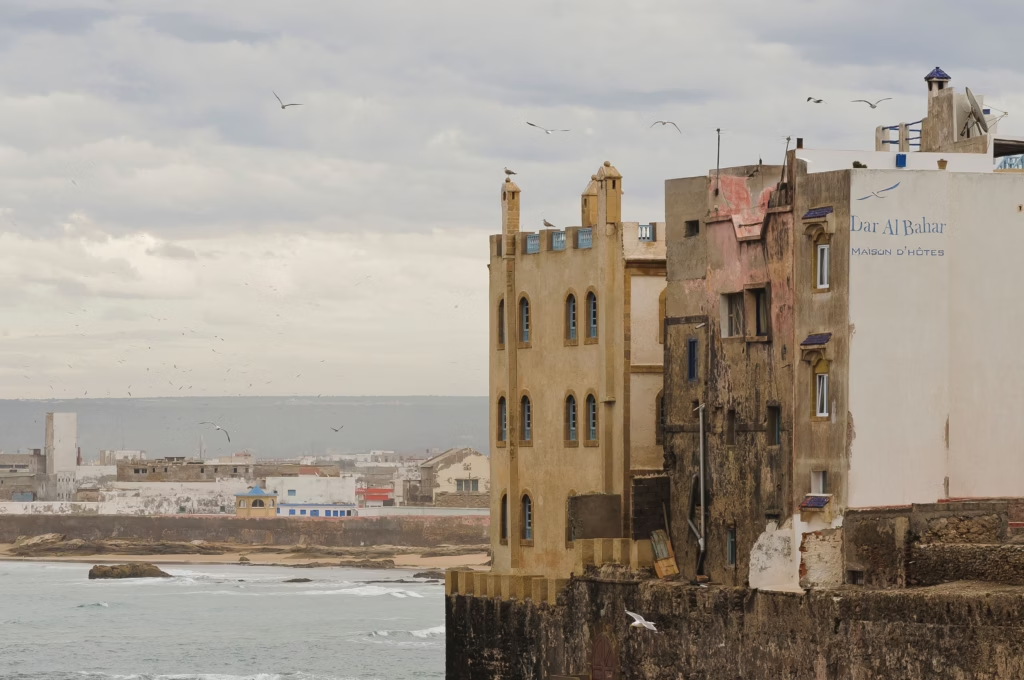
The Atlantic coast offers a different rhythm. Essaouira and other coastal destinations appeal to travelers who want sea air, cafés, seafood, surfing, and a slower base. Coastal weather can still be windy or cool compared with inland cities, so don’t pack only lightweight beach clothes.
Summer is also worth considering for travelers whose main goal is mountain time, but the details matter. Ask a local operator about current trail conditions, water availability, transport, and the level of shade on your chosen route. A strenuous walk should never be selected solely because it looks impressive in a photograph.
How to handle Morocco’s summer heat
- Carry water and sun protection whenever you leave your accommodation.
- Choose breathable, respectful clothing that covers shoulders and knees where appropriate.
- Schedule long walks for the morning or later afternoon.
- Leave empty space in your itinerary for rest, food, and changing plans.
- Check current conditions before desert, mountain, and rural excursions.
Summer also brings a social advantage for younger travelers: hostels, surf towns, group tours, and shared excursions can make it easy to meet people. Just don’t let a lively atmosphere persuade you to ignore your body’s need for shade, water, and sleep.
Morocco in autumn: September, October, and November
Autumn is another excellent season for a broad Morocco trip. September, October, and November can suit travelers who want a mixture of cities, food, desert landscapes, and outdoor activities, although inland heat may linger at the beginning of the season.
September can still feel summery in Marrakech and other inland areas, so use the same heat-management approach as you would in June, July, or August. The coast can be attractive if you want to begin with a slower beach or surf stay before moving inland.
October is often a popular compromise for independent travelers. It can be a comfortable period for medina walks and southern routes, but the evenings may feel cooler, especially in the desert and mountains. This is the month when a small day bag with a warm layer becomes more useful than a suitcase packed for one temperature.
November can bring a quieter atmosphere in some destinations and may suit travelers who prefer museums, food experiences, historic neighborhoods, and relaxed city days. If your plans involve high mountain routes or remote roads, check current conditions close to departure and avoid assuming that an itinerary suitable earlier in autumn will remain unchanged.
Why autumn suits independent travelers
Autumn is a good season for travelers who want options. You can start with a cooking class in Marrakech, spend time in Fez, head toward the Atlas Mountains, or slow down on the coast. If one part of the route looks uncomfortable because of weather, you may be able to shift the order of your itinerary.
I’d still reserve important transport and accommodation before arrival, especially for popular desert trips. Flexibility works best when the essential pieces are already secure.
Morocco in winter: December, January, and February
Winter can be one of the most rewarding times to visit Morocco if you want cities, cultural experiences, southern landscapes, and desert nights rather than a beach-focused holiday. December, January, and February bring a wider range of conditions, so packing for contrast is essential.
Inland cities may offer pleasant daytime sightseeing conditions while mornings and evenings feel cold. Traditional buildings can also feel chilly indoors, particularly if you’re staying somewhere designed around a courtyard rather than central heating. Ask accommodation providers about heating before booking if you’re sensitive to cold.
The desert can be appealing in winter because daytime conditions may feel more manageable for exploring, but nights can be cold. A desert camp is not one standardized experience: tents, bedding, heating, bathrooms, and transfers vary. Ask exactly what is included and bring warm layers regardless of how comfortable the daytime forecast looks.
Mountain travel requires the most care. Snow, rain, road conditions, and trail access can affect plans in the Atlas Mountains. Check current information with a reputable local guide or accommodation provider before setting out, and don’t build a tight itinerary around one mountain transfer.
The Atlantic coast can be mild compared with the mountains, but wind and rain are possible. Essaouira is a good example of why Morocco needs regional planning: coastal clothing, desert clothing, and city clothing may all belong in the same bag.
Where to go in Morocco by season
The best season also depends on your destination. I’d match the region to the kind of weather you can enjoy rather than trying to force every part of Morocco into one route.
Best time for Marrakech and Fez
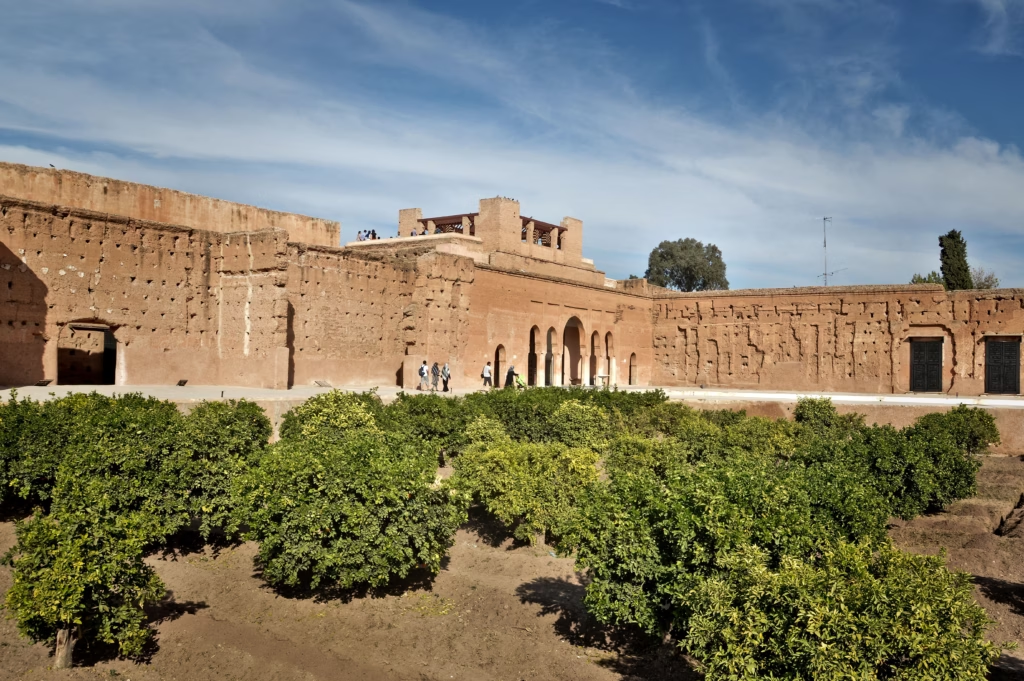
Spring and autumn are popular choices for Marrakech and Fez because they support long walks, food tours, craft workshops, and historic sightseeing. Winter can also suit travelers who prefer cooler city days, provided they prepare for cold mornings and evenings. In summer, plan shorter walks and more deliberate breaks.
Best time for the Sahara
Spring and autumn are often chosen for desert journeys because travelers want to spend time outdoors without relying entirely on the hottest part of the year. Winter can offer comfortable daytime exploration but cold nights, while summer requires careful planning around heat, water, and the timing of activities.
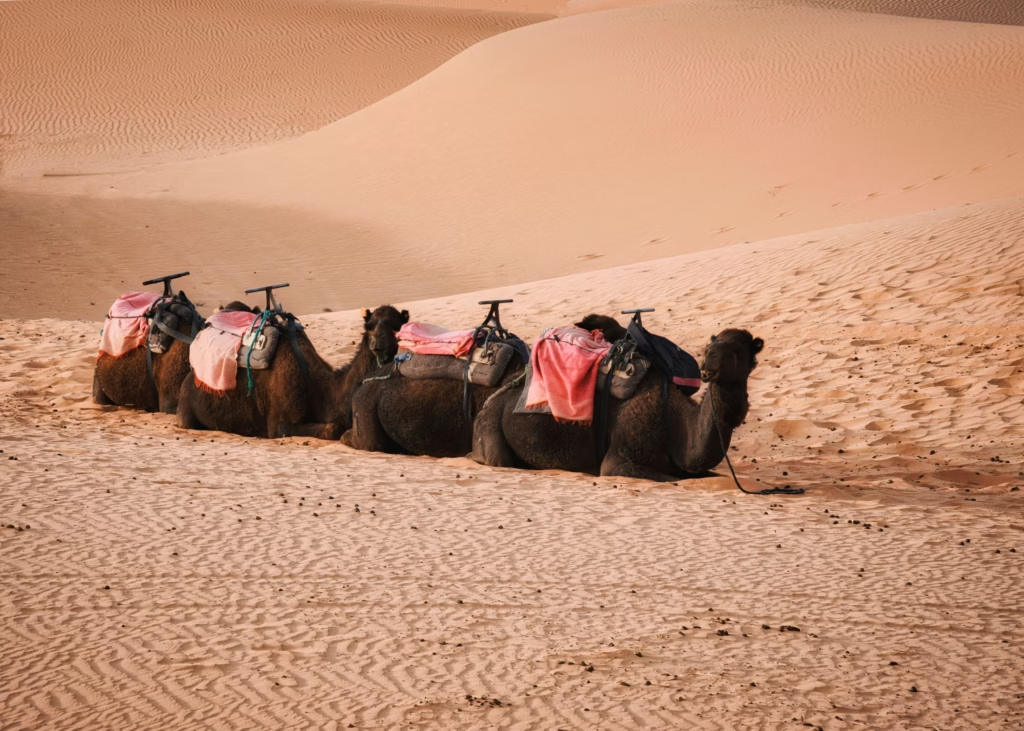
Compare desert operators rather than booking the first attractive photograph. Check the route, transfer arrangements, group size, camp facilities, meal setup, environmental approach, and what happens if weather or road conditions change.
Best time for the Atlas Mountains
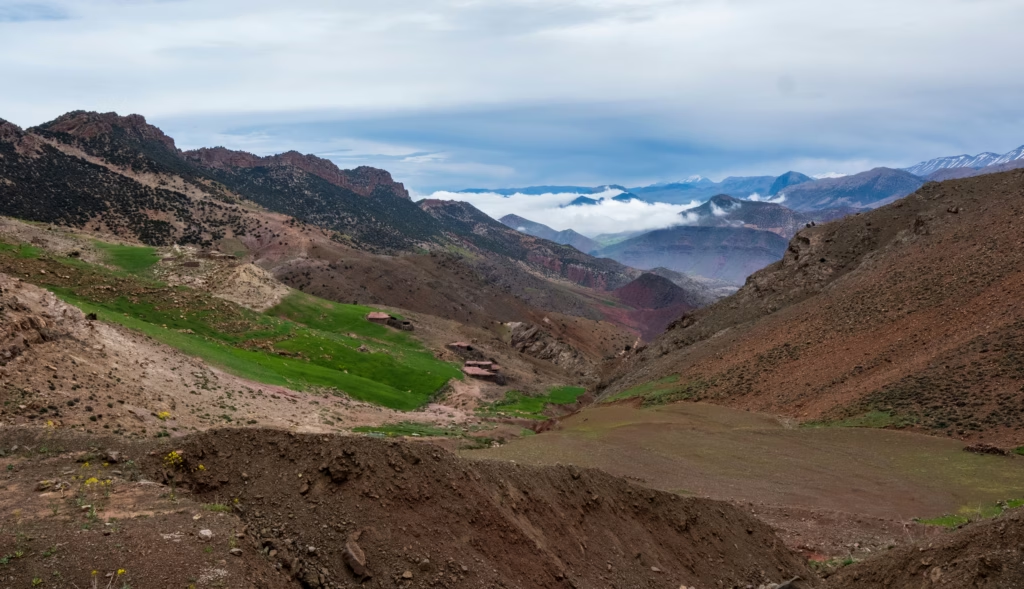
Mountain travel depends heavily on elevation, route, fitness, and current conditions. Spring and autumn can work well for many walking plans, but higher routes may have different conditions from nearby valleys. Summer can suit some hikers, especially with early starts, while winter may require specialist preparation and a flexible route.
Best time for Morocco’s Atlantic coast
The Atlantic coast can be a useful year-round addition for travelers who want a break from inland cities, but your experience will depend on wind, sea conditions, and the activity you choose. Surfing, swimming, coastal walks, seafood, and café time each call for slightly different expectations. Pack a layer even when your itinerary begins inland.
If you’re comparing Morocco with other destinations that offer a mix of cities, mountains, and coast, our guides to the best places to visit in Albania and the best places to visit in the UK may help you think through regional travel styles and seasonal priorities.
How to plan around weather, crowds, and your budget
Weather is only one part of the decision. Demand, accommodation, transport, and your own travel energy matter just as much. Peak periods can make popular cities and desert routes feel busier, while quieter periods may offer more choice but fewer convenient departures or seasonal services.
For a budget-conscious trip, compare the full cost of each season rather than looking only at accommodation. A cheaper room may be offset by limited transport, extra transfers, or the need to book a more expensive private excursion. Hostels, shared desert trips, local buses, cooking classes, and family-run guesthouses can all create social opportunities while keeping the itinerary manageable.
Solo travelers should consider how each season affects the social side of the trip. Busy travel periods can make group tours and hostel connections easier, while quieter periods may suit travelers who prefer independence. If you want both company and flexibility, book one or two structured activities and leave the rest open.
Morocco is also a good place to avoid overplanning. Choose a few anchors, such as a medina stay, a food experience, a mountain walk, and a desert excursion, then check current transport and weather information before linking them together. The country is more enjoyable when a delayed transfer doesn’t ruin the whole trip.
What to pack for Morocco in any season
A versatile packing list is more useful than packing for an imaginary average day. Bring comfortable shoes for uneven medina lanes, a light day bag, sun protection, breathable clothing, and at least one warm layer. Add proper hiking footwear if you’re heading into the mountains, and pack warmer sleepwear for desert nights in winter or the shoulder seasons.
- Layers that work for warm afternoons and cooler evenings.
- Comfortable shoes with grip for old towns, village paths, and uneven ground.
- Sun protection, including a hat and sunglasses.
- A reusable water bottle and a small personal first-aid kit.
- Modest clothing for religious, rural, and community settings.
- Offline copies of accommodation details, transport information, and important contacts.
Before leaving, check current forecasts for every region on your route rather than relying on the weather in your arrival city. Ask accommodation hosts about local conditions, and confirm trail, road, desert, ferry, and activity arrangements close to departure. Conditions can change faster than a generic seasonal guide suggests.
What to do next
Start by choosing the experience that matters most to you. For a balanced first trip, compare spring and autumn. For coastal time, summer can make sense if you’re comfortable with inland heat and coastal wind. For cities and desert landscapes, winter may suit travelers who pack carefully for cold nights. For hiking, research the exact route and elevation rather than choosing a season in isolation.
Then build a route around two or three bases, check current conditions for your travel year, and reserve only the pieces that truly need advance planning. If you’re still weighing Morocco against a cooler, more varied regional trip, our guide to the best places to visit in Scotland offers a very different approach to weather, landscapes, and independent travel.
The best time to visit Morocco is ultimately the season that lets you travel at a pace you enjoy. Leave room for tea, long meals, unexpected recommendations, and a change of plan. Those slower moments are often where the country becomes more than a list of destinations.




4 Comments