
Morocco Itinerary: Top 10 Epic Days
A well-planned morocco Itinerary should give you time for lively medinas, mountain landscapes, desert silence, and the everyday details that make traveling through Morocco so rewarding. The country is rich in famous sights, but I’ve found that the best route is not the one with the most stops. It’s the one that leaves room for mint tea, market wandering, long train rides, and conversations that change your plans.
This 10-day Morocco itinerary is designed for independent travelers, solo visitors, and backpackers who want a strong first introduction without treating the country like a checklist. It links Marrakech, the Atlas Mountains, Aït Benhaddou, the Sahara, and the historic cities of Fes and Chefchaouen. You can follow it closely or remove a stop to create a slower trip.
Morocco can feel exciting and intense at the same time. Medinas are maze-like, transport connections require attention, and the distances between landscapes can make some travel days long. That’s part of the adventure, but realistic planning matters. Check current entry requirements, transport arrangements, weather, accommodation policies, and local guidance before booking your dates.
Table of Contents
What is the best 10-day Morocco itinerary?
The best 10-day Morocco itinerary combines Marrakech, the High Atlas region, the Dades or Todra area, a Sahara Desert experience, Fes, and Chefchaouen.
- Days 1–2: Marrakech and its medina
- Day 3: Atlas Mountains and Aït Benhaddou
- Day 4: Dades Valley or Todra Gorge
- Day 5: Sahara Desert and a desert camp
- Day 6: Return toward Fes
- Days 7–8: Fes and Meknes or Volubilis
- Days 9–10: Chefchaouen and departure
This route is ambitious, especially because the desert section involves long overland travel. If you dislike frequent transfers, remove Chefchaouen or spend fewer nights in Marrakech and add more time in one region. I’d rather enjoy three places properly than spend every evening recovering from a road journey.
For a first trip, you can arrange the desert and southern section through a reputable local operator, then travel independently by train or bus in the north. Compare what each tour includes, the group size, accommodation style, meal arrangements, and cancellation terms before booking.
Days 1–2: Experience Marrakech beyond the headline sights
Spend your first two days in Marrakech exploring the medina, historic architecture, food stalls, gardens, and quieter residential lanes at a manageable pace.
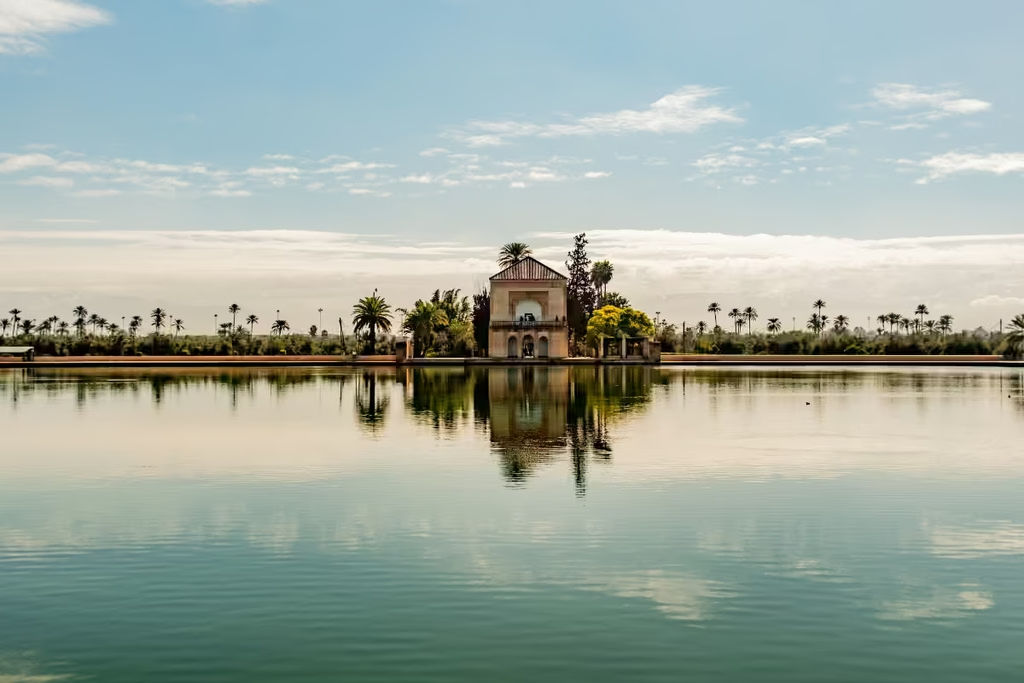
Begin with orientation rather than trying to see every attraction immediately. Walk through the medina in daylight, notice the different sections devoted to crafts and food, and let yourself get slightly lost within reason. The narrow streets can feel confusing at first, so save your accommodation address offline and use recognizable landmarks when finding your way back.
Djemaa el-Fna is the city’s best-known gathering space, but it is only one part of Marrakech. Visit the souks with curiosity, compare products before buying, and ask permission before photographing craftspeople. A purchase feels more meaningful when you understand what you’re buying rather than treating the market as a backdrop.
Balance the busy center with a slower visit to a garden, museum, courtyard, or neighborhood café. I like leaving one afternoon almost empty. That gives you time to stop for tea, browse a bookshop, or follow a recommendation from someone who lives in the city.
Food is an easy way to make Marrakech more personal. Try a cooking class, visit a market with a local guide, or choose a small restaurant away from the busiest square. If you have allergies or dietary requirements, ask directly about ingredients and preparation.
Solo travelers often find Marrakech easier when they book one guided activity early in the stay. A food walk, cooking class, or medina tour can help with orientation and create a low-pressure opportunity to meet people. You can then spend the rest of the day independently.
For accommodation, compare riads, guesthouses, hostels, and hotels by location as well as price. A beautiful room deep inside the medina may be less convenient with heavy luggage, while a place near a main road may simplify arrivals and departures. Before booking, compare accommodation options for solo travelers with your preferred privacy level, location, and budget in mind.
Day 3: Cross the Atlas Mountains toward Aït Benhaddou
Day three takes you from Marrakech toward the Atlas Mountains and Aït Benhaddou, where the journey itself becomes one of the main experiences.
The landscape changes as the route climbs away from the city. You’ll move through mountain scenery, valleys, and villages before reaching the more arid south. Exact road conditions and travel times vary, so don’t build the day around a rigid timetable. If you’re driving independently, check current conditions and be honest about your comfort on winding roads. If you’re joining a tour, confirm how much time you’ll spend in the vehicle and which stops are included.
Aït Benhaddou is a fortified settlement built from earthen architecture and is best appreciated slowly. Walk through the lanes, look at the construction details, and take time to understand that this is more than a dramatic film location. It is also a historic community and a place where residents live and work.
Respect local homes, avoid entering private spaces, and ask before taking portraits. Supporting local guides, cafés, and artisans can make your visit more connected to the place than simply arriving for photographs.
Spend the night in the wider Ouarzazate area or near the route onward, depending on your transport plan. This is one of the nights where a simple guesthouse can be more practical than chasing luxury. You’ll likely want a meal, a shower, and a good night’s rest before continuing south.
Day 4: Explore the Dades Valley or Todra Gorge
Use day four to explore the valleys and rock landscapes between the Atlas Mountains and the Sahara, choosing either the Dades Valley, Todra Gorge, or a combination that fits your route.
The Dades Valley is known for winding roads, dramatic rock formations, cultivated areas, and small settlements. Todra Gorge offers a different scale, with towering canyon walls and opportunities for walking. The right choice depends on your operator, available transport, weather, and how much time you want outside the vehicle.
This is a good day to slow down and notice the transition between landscapes. Morocco is not just a sequence of major attractions; it is also irrigation channels, roadside cafés, palm groves, roadside conversations, and the changing color of the earth.
If you want to walk, ask locally about current trail conditions and whether a guide is appropriate. Wear shoes with grip, carry water, and avoid assuming that a route seen online is currently accessible. Weather can change conditions quickly in mountain and desert environments.
Budget travelers should ask exactly what is included in an organized route. Some itineraries include meals and accommodation, while others add optional activities or charge separately for guides. Get the details in writing so that a low headline price does not become a confusing final cost.
Day 5: Experience the Sahara Desert thoughtfully
Day five is the emotional center of this Morocco itinerary: travel into the Sahara region, enjoy the changing desert light, and spend the night at a desert camp if that arrangement suits you.
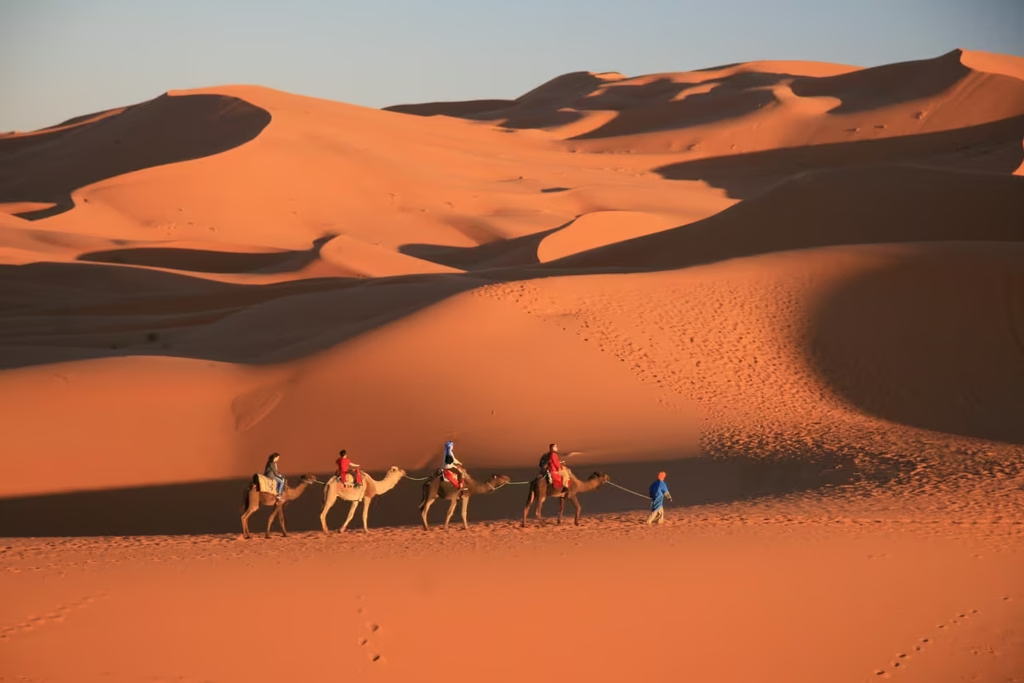
Desert experiences vary widely. Some camps are basic and quiet, while others are designed around comfort, entertainment, and larger groups. Decide what you want before booking. I’d choose an experience that gives you time to appreciate the landscape rather than one built entirely around activities and photographs.
Ask how you’ll reach the camp, what luggage you can take, whether meals and bedding are included, and how the operator handles weather or transport changes. Keep essential items in a small day bag and leave valuables secured at your accommodation where appropriate.
Respect the desert environment. Carry out rubbish, avoid removing rocks or plants, and follow local guidance about where to walk. If you ride a camel or take part in another activity, choose an operator that appears attentive to animal welfare and does not encourage reckless behavior.
The evening can be simple: eat, listen to music, look at the stars, and notice how quiet the landscape becomes. You don’t need a constant stream of entertainment. The desert is valuable precisely because it creates a pause in a fast itinerary.
Pack layers even if your daytime plans are warm. Desert temperatures can feel very different after sunset, and dust can be uncomfortable without a scarf or suitable clothing. Reusable water, sun protection, and a charged phone are practical additions.
Day 6: Travel from the desert toward Fes
Day six is primarily a transfer day from the Sahara region toward Fes, so plan for a long journey and keep your expectations flexible.
This is the point where many Morocco itineraries become tiring. If you’re traveling by organized tour, confirm the route and expected stops before departure. If you’re arranging transport independently, check connections carefully and avoid assuming that a late arrival will be easy to manage in an unfamiliar city.
Use the day to observe Morocco’s regional variety. The scenery gradually changes from desert and rock to greener areas and more densely settled northern landscapes. Keep snacks accessible, download useful maps, and bring a book or podcast for the quieter stretches.
If the transfer feels too demanding, consider adding a night in a midpoint town and reducing another stop. Travel should challenge you occasionally, but it shouldn’t leave you too exhausted to enjoy Fes.
Arriving in Fes can feel intense after the open desert. Arrange clear directions to your accommodation and, if you’re staying inside the medina, ask about the nearest accessible meeting point. Many historic lanes are difficult for vehicles, especially with luggage.
Days 7–8: Discover Fes through craft, history, and food
Spend two days in Fes exploring the medina, traditional crafts, historic religious architecture, food culture, and the city’s quieter corners.
Fes el Bali is famous for its maze of lanes and long history. A local guide can help you understand what you’re seeing and reduce the stress of navigation, particularly on your first morning. Choose a guide through your accommodation or a reputable organization, agree on the price and route beforehand, and make it clear whether shopping stops are welcome.
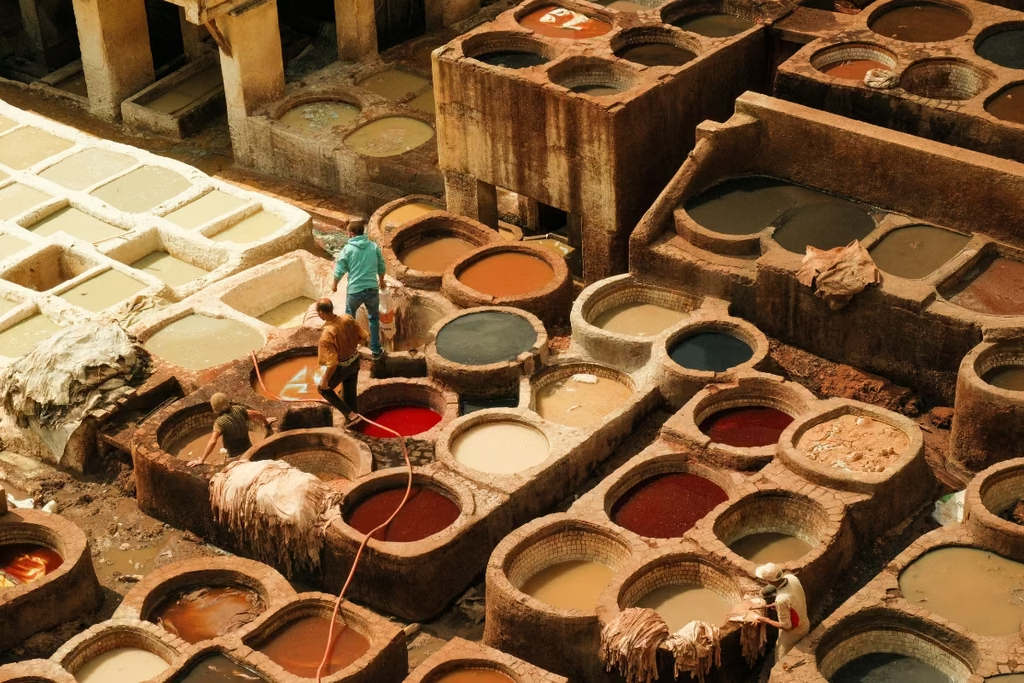
Look for the city’s workshops and craft traditions, including leatherwork, metalwork, ceramics, woodwork, and textiles. Be curious without feeling obliged to buy. If you do purchase something, ask about materials, care, origin, and whether the item can be packed or shipped easily.
Fes is also an excellent place to plan a food-focused experience. Take a cooking class, visit a market, or ask a local restaurant about regional dishes. Food tours can be especially useful for solo travelers because they combine practical guidance with an easy social setting.
On your second day, choose one cultural attraction and then leave time for less structured wandering. Notice the difference between major visitor routes and ordinary neighborhood life. Dress respectfully around religious and residential spaces, ask before photographing people, and follow any local access rules.
If you want a change of pace, consider a day trip to Meknes or Volubilis only after checking current transport and site arrangements. Don’t add it automatically. Two unhurried days in Fes may suit you better than another rushed excursion.
Days 9–10: See Chefchaouen and finish slowly
Use the final two days for Chefchaouen, a mountain town known for blue-painted streets, surrounding landscapes, and a quieter rhythm than Morocco’s largest cities.
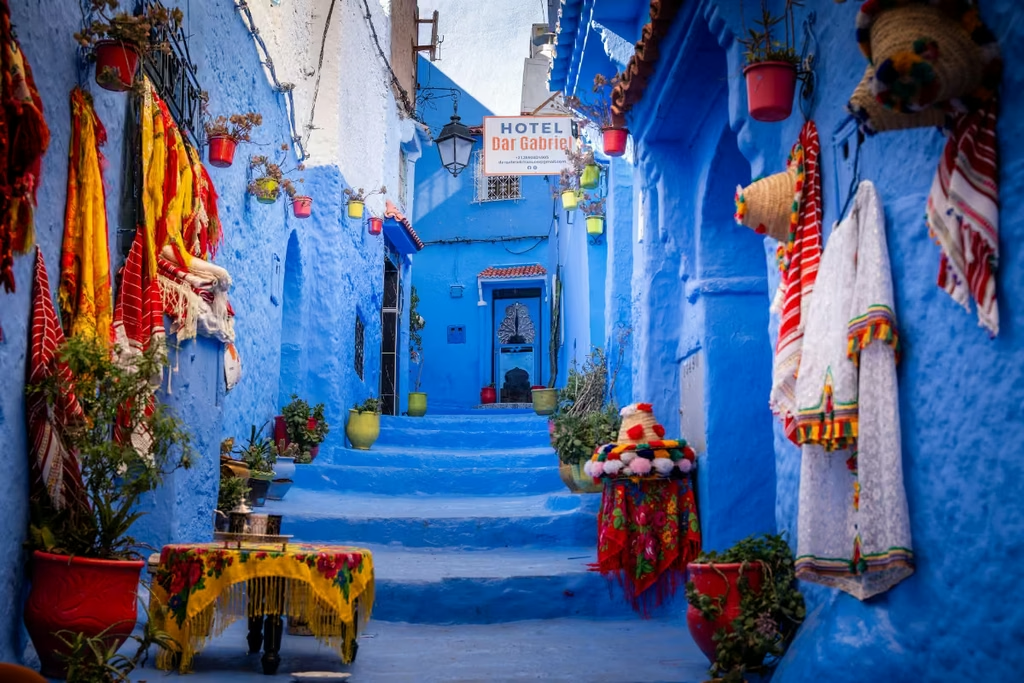
Chefchaouen is easy to photograph, but it is also a lived-in town. Walk respectfully, avoid blocking doorways, and remember that the most colorful streets are often residential. Early or quieter hours may make it easier to appreciate the architecture without treating residents as part of the scenery.
Spend time beyond the most photographed lanes. Browse small shops, sit in a café, and ask locally about suitable walks or viewpoints. If you hike, check current trail conditions, water needs, and the route before setting out. A local guide can add context and help you choose an outing that matches your experience.
Chefchaouen works well at the end of the trip because it creates space to slow down. You can reflect on the differences between Marrakech, the southern valleys, the desert, and Fes instead of immediately adding another demanding attraction.
Plan your departure carefully. Depending on your flight and transport, it may be more practical to return to a larger transport hub the night before. Confirm the route, allow a generous buffer, and avoid scheduling an international departure immediately after a complicated overland connection.
How can you adapt this Morocco itinerary?
You can adapt this Morocco itinerary by choosing between a faster highlights route and a slower regional trip.
- For seven days: focus on Marrakech, Aït Benhaddou, the desert, and Fes, then remove Chefchaouen.
- For ten days: follow the route above, while accepting that the desert-to-Fes transfer will be demanding.
- For two weeks: add Essaouira, more time in the Atlas Mountains, or an extra night in the desert region.
- For a slower trip: choose Marrakech, one southern region, and Fes rather than crossing the country.
My favorite itinerary principle is to identify the experience you care about most and protect it with extra time. If the Sahara matters more than seeing every imperial city, build around the desert. If food and local culture are your priority, reduce transfers and spend longer in Marrakech or Fes.
Travelers who enjoy comparing independent destinations may also like our guide to the best countries for solo travel. Morocco can be highly social through tours, hostels, cooking classes, and shared transport, while still giving you plenty of opportunities to explore alone.
How much does a Morocco trip cost?
The cost of a Morocco trip depends on your accommodation, transport, tour arrangements, dining choices, and the comfort level of your desert experience.
Budget travel is possible when you use simple guesthouses or hostels, eat at local cafés, use public transport where practical, and limit expensive guided activities. The southern route and Sahara section can raise the overall cost because transport and organized logistics are more involved.
- Compare the complete cost of desert tours, including meals, transfers, accommodation, and optional activities.
- Ask whether a riad or guesthouse includes breakfast and what arrival support is provided.
- Keep cash available for small purchases where card payment may not be practical, while following current financial advice.
- Set a shopping budget before entering the souks.
- Choose one or two paid cultural experiences instead of booking an activity every day.
Morocco is a destination where the cheapest option is not always the best value. A reliable driver, clear itinerary, respectful guide, or well-located accommodation can save stress and protect limited vacation time. Compare reviews and inclusions rather than choosing purely on price.
If you’re extending your travels to other regions, our practical guide to thing to do in morocco shows how to plan a very different trip around neighborhoods, priority experiences, and flexible time. The same approach works here: group places sensibly and don’t confuse a packed schedule with a rich journey.
What should you know before traveling around Morocco?
You should prepare for changing travel rhythms, cultural differences, and occasional logistical friction before traveling around Morocco.
- Dress thoughtfully: choose clothing that feels comfortable and respectful in cities, villages, religious areas, and rural communities.
- Learn a few phrases: simple greetings and thanks can make everyday interactions warmer.
- Carry offline information: save accommodation details, maps, and transport confirmations before leaving reliable internet.
- Stay flexible: road conditions, weather, delays, and local events can affect plans.
- Ask before photographing: this applies especially to people, shops, ceremonies, and sensitive places.
- Respect bargaining culture: negotiate politely where it is customary, but don’t turn every small purchase into an argument.
Solo travelers can make the trip more social by choosing a hostel common room, joining a walking tour, booking a cooking class, or sharing a desert excursion. At the same time, you’re never required to accept every invitation or spend every evening with other travelers. Build in private time and trust your own boundaries.
For travelers who want another destination with layered history, neighborhood food, and strong regional identity, our guide to the best places to visit in Morocco offers useful inspiration for a future trip. Morocco deserves its own pace, though, so avoid treating it as a quick add-on to an already crowded route.
What should you do next?
Choose the version of Morocco you actually want before booking anything: a medina-and-food trip, a mountain adventure, a desert journey, or a broad first look at the country.
Then decide whether you’ll arrange the southern section independently or through a local operator. Compare routes, group sizes, accommodation, meals, vehicle arrangements, and cancellation conditions. Book your first nights and any high-priority experience, but leave enough flexibility for recommendations and changes.
Before departure, check current entry requirements, weather, road conditions, transport schedules, accommodation details, and local guidance. Pack for contrasting temperatures, carry a reusable water bottle, and keep your plan realistic.
Morocco rewards travelers who look beyond the famous square, viewpoint, and desert photograph. Take time to learn from local guides, eat thoughtfully, respect communities, and let the route breathe. The best memories may come from the places between the major stops the tea shared after a long journey, the market stall you almost missed, or the quiet street that made you slow down.



2 Comments