

Things to Do in London: Top 21 Epic Guide
Looking for the best things to do in London? I’d start with a mix of famous landmarks, local markets, green spaces, cultural experiences, and neighborhood walks. London is a huge city, and trying to see everything in one trip can quickly turn an exciting holiday into a race against the clock.
What makes London special is how much it changes from one neighborhood to another. You can explore royal history in Westminster, browse independent shops in Soho, enjoy riverside views along the South Bank, and discover international food in multicultural neighborhoods, all within the same trip.
Planning your stay? Compare hotels in London to find accommodation that fits your budget and keeps you close to the neighborhoods you want to explore.
Whether you’re visiting for the first time, traveling solo, or planning a city break on a budget, there are plenty of ways to experience London without spending every day on expensive attractions. Some of the most memorable moments come from walking through a new neighborhood, spending an afternoon in a free museum, or finding a market you hadn’t planned to visit.
In this guide, I’ll share 21 of the best things to do in London, along with practical tips to help you plan your London itinerary, explore at your own pace, and make the most of your time in the British capital.
Table of Contents
What Are the Best Things to Do in London?
The best things to do in London combine iconic attractions with experiences that help you understand the city’s history, culture, food, and everyday life.
Here are a few ideas depending on the kind of trip you’re planning:
- For first-time visitors: Explore Westminster, the South Bank, and the Tower of London area.
- For budget travelers: Visit free museums and galleries, walk through public parks, and explore London’s markets.
- For solo travelers: Join a guided walking tour, discover independent cafés, or spend an afternoon exploring a neighborhood.
- For culture lovers: Enjoy London’s museums, historic streets, theatre, architecture, and literary landmarks.
- For food lovers: Visit Borough Market and explore London’s multicultural neighborhoods.
- For nature lovers: Spend time in Hyde Park, Kensington Gardens, or Greenwich Park.
My advice is to choose a few experiences that genuinely interest you instead of trying to tick every attraction off a list. London rewards travelers who leave room for spontaneous discoveries.
1. Walk Through Westminster and Whitehall
Westminster is one of the best places to start exploring London if you’re interested in British history, impressive architecture, and famous landmarks.

Begin around Parliament Square, where you’ll find the Houses of Parliament and the iconic Elizabeth Tower, commonly associated with Big Ben. Westminster Abbey is another major landmark worth considering if you want to learn more about British royal history and traditions.
From there, walk along Whitehall and take in the historic buildings and ceremonial streets. You can continue toward the Thames for beautiful riverside views and plenty of opportunities to photograph London’s skyline.
One thing I like about exploring Westminster on foot is that you don’t need to enter every attraction to appreciate the area. The architecture and atmosphere make the walk worthwhile on their own.
If this is your first visit, allow a few hours rather than rushing through everything. Westminster also works well as part of a London itinerary that includes the South Bank, especially if you want to visit several central landmarks in one day.
2. Enjoy the Views Along the South Bank
The South Bank is one of the best places to experience London on foot. Stretching along the Thames, this lively riverside area combines city views, cultural venues, public art, cafés, and plenty of places to stop and relax.

Start near Westminster Bridge and follow the river toward Tower Bridge, exploring whichever sections interest you most. Along the way, you’ll pass riverside viewpoints, book stalls, public spaces, and major cultural buildings.
You can spend an enjoyable afternoon here without paying for a major attraction. Walking beside the Thames is an experience in itself, particularly when the weather is pleasant and the city is busy with people enjoying the waterfront.
The South Bank is also a good option for solo travelers in London. You can explore independently, take photographs, sit beside the river, or join a walking tour if you’d like to learn more about the city’s history.
If you’re planning a short city break, combine this walk with Westminster in the morning and leave the afternoon flexible for food, museums, or another nearby neighborhood.
3. Explore the Tower of London Area
The Tower of London area offers a fascinating combination of medieval history, royal heritage, and modern city views.
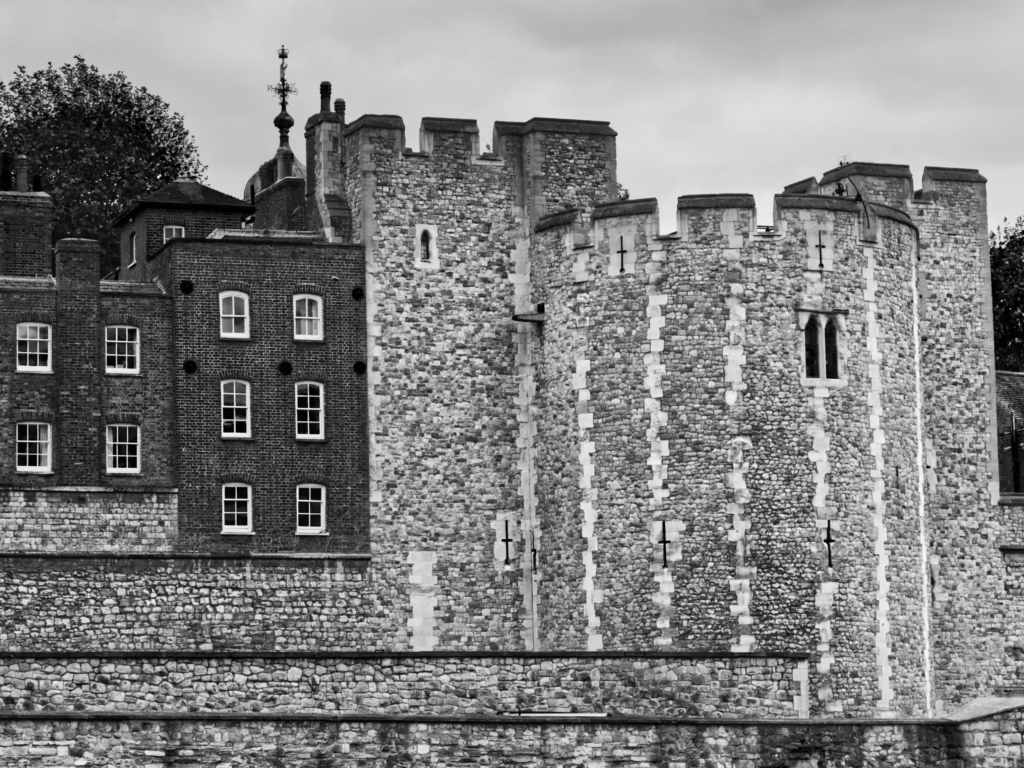
The Tower itself is a major historic attraction, known for its long and complicated history. If you decide to go inside, check current admission prices and allow enough time to explore properly.
However, you can still enjoy the surrounding area without buying a ticket. Walk beside the Thames, admire Tower Bridge, and continue into the City of London, where historic churches and narrow streets sit alongside modern skyscrapers.
I particularly like the contrast here. One moment you’re looking at centuries-old architecture, and a few minutes later you’re surrounded by contemporary office buildings.
For travelers exploring London on a budget, this area works well as part of a self-guided walking route. Combine it with the South Bank or another nearby riverside stop to make the most of your day.
4. Visit London’s Free Museums and Galleries
London’s free museums and galleries are among the best things to do in London if you want to experience its cultural side without spending a fortune.
The city offers museums covering art, natural history, science, design, transport, and much more. Instead of trying to visit several in one day, choose one that matches your interests and give yourself enough time to enjoy it.
Free admission to permanent collections can make a significant difference to your travel budget. You can spend a few hours exploring exhibitions and then continue to a nearby park, café, or neighborhood.
Museums are also excellent for rainy days. London’s weather can change quickly, so having a few indoor activities in mind makes your travel plans much easier to manage.
If you’re traveling alone, museums offer a comfortable way to spend time independently. You can explore at your own pace, join a guided tour, or take a break whenever you need one.
Always check official museum websites before visiting because special exhibitions, opening hours, and admission arrangements can vary.
5. Wander Around Covent Garden, Soho, and Seven Dials
Covent Garden, Soho, and Seven Dials are ideal for anyone who wants to explore central London through its streets, shops, restaurants, and cultural attractions.

Covent Garden is known for its historic architecture, lively public spaces, street performers, and independent businesses. It can get crowded, so consider exploring the smaller surrounding streets as well as the main square.
From there, head toward Seven Dials and Soho. These neighborhoods are excellent for browsing shops, discovering international food, and finding theatres or other entertainment.
Soho has a different atmosphere depending on where you go. Some streets are packed with visitors, while others offer quieter cafés, independent businesses, and places to sit down for a meal.
I’d recommend leaving a few hours for this part of London rather than treating it as a quick stop. You can explore the area during the afternoon and choose a theatre performance or another cultural activity for the evening.
For first-time visitors, these neighborhoods are an easy way to experience London’s central streets without committing to a strict schedule.
6. Discover London’s Markets
Exploring London’s markets is one of the most enjoyable things to do in London because it combines food, shopping, local businesses, and neighborhood culture.

Borough Market is a popular starting point for food lovers. It’s a great place to browse stalls and discover a variety of ingredients and prepared foods. If you follow a particular diet, ask vendors about ingredients and preparation methods before ordering.
London has plenty of other markets worth exploring, depending on whether you’re interested in street food, vintage clothing, antiques, flowers, crafts, or international groceries.
The best approach is to visit with an open mind rather than planning every purchase in advance. Browse the stalls, look for something new, and use the market as a starting point for exploring the surrounding streets.
Markets can also help you manage your travel budget because you can choose smaller portions and compare different options before spending your money.
Check opening days and operating hours before traveling across the city. Some markets are much livelier on particular days, and the experience can vary depending on when you visit.
7. Discover Camden and Regent’s Canal
Camden is one of London’s most distinctive neighborhoods, known for its alternative culture, busy markets, music history, and independent shops.
Start around Camden Market, where you can browse clothing, crafts, accessories, and food stalls. The main market streets can be crowded, especially on weekends, so take your time and explore beyond the busiest sections.
One of the best ways to experience the area is to walk beside Regent’s Canal. The waterfront offers a calmer contrast to Camden’s energetic streets and gives you another perspective on the neighborhood.
Camden is also a good choice if you’re interested in music, creative culture, and London’s less traditional attractions. You can spend the afternoon exploring shops and streets before heading elsewhere for dinner or an evening event.
Solo travelers may enjoy joining a guided food, music, or street-art walk to learn more about the area.
If you’re building a London itinerary for three or four days, Camden can fit naturally into a day focused on northern London and its neighborhoods.
8. Explore Notting Hill and Portobello Road
Notting Hill and Portobello Road offer a different side of London, with colorful residential streets, independent shops, cafés, and market stalls.
Start with a relaxed walk through the neighborhood. You’ll find plenty of interesting architecture, small businesses, and streets that are enjoyable to explore without a detailed plan.
Portobello Road is especially known for its market atmosphere, with stalls and shops selling a variety of goods. Depending on the day, you may find antiques, clothing, food, and other interesting discoveries.
I’d avoid treating the neighborhood as nothing more than a photography destination. People live and work here, so be respectful around homes and local businesses while exploring.
Notting Hill is also a useful option for budget travelers because walking is the main activity. You can enjoy the streets, browse the shops, and spend time in the area without booking an expensive attraction.
Check current market arrangements before visiting, especially if shopping is one of the main reasons for your trip.
9. Relax in Hyde Park and Kensington Gardens
Hyde Park and Kensington Gardens are among the best places to slow down during a busy London trip.
London has so many attractions that it’s easy to fill every hour with sightseeing. Spending time in a public park gives you a chance to rest, walk without a destination, and enjoy a quieter side of the city.
You can follow paths beside the water, look for public art, find a peaceful place to sit, or simply enjoy the open space. These parks are particularly useful when you need a break from busy streets and indoor attractions.
Depending on your route, you can combine the parks with nearby museums and other central London sights.
They are also excellent choices for travelers trying to keep their costs down. Bring a snack, take a long walk, and enjoy the surroundings without turning every stop into a paid activity.
Check access arrangements if you plan to visit a specific garden, memorial, or temporary event within the park.
10. Visit Greenwich for History and Open Views
Greenwich is one of the best places to explore if you want a change of pace from central London.
The neighborhood is known for its maritime history, historic buildings, museums, green spaces, and views across the city. It feels different from London’s busiest central districts, making it a worthwhile addition to a longer stay.
Spend some time exploring the historic center before heading into Greenwich Park. Depending on your interests, you can also visit the National Maritime Museum or choose another nearby attraction.
Greenwich works particularly well for travelers who enjoy combining history and outdoor activities. You can spend the morning learning about the area’s past and the afternoon walking through the park or browsing local shops.
Before you go, check current transport options and attraction opening hours. If you’re planning to use a river service, confirm the route and schedule for your travel date.
For a London itinerary lasting four days or more, Greenwich can provide a welcome break from the busiest tourist areas.
11. Explore London’s Multicultural Neighborhoods
London’s multicultural neighborhoods offer a valuable way to understand the city’s diversity through food, local businesses, history, and everyday life.
Areas such as Brixton, Chinatown, and Southall each have their own character and cultural influences. Rather than trying to visit all of them in one afternoon, choose a neighborhood that matches your interests.
Food is often a good place to start. You can explore independent restaurants, bakeries, grocery shops, and cafés while learning more about the communities that have helped shape London.
If you’re looking for halal-friendly food, researching suitable restaurants and checking ingredients in advance can make your visit easier. Don’t assume that every dish or vendor meets your dietary requirements; ask directly when needed.
A guided food walk can provide additional context about local ingredients, family businesses, and migration histories. Alternatively, create your own route with a few food stops and a nearby cultural attraction.
For another city with a rich mix of neighborhoods and food traditions, take a look at our guide to the best things to do in Singapore.
12. Join a Guided Walking Tour
A guided walking tour is one of the easiest ways to learn more about London’s history while discovering streets and landmarks you might otherwise overlook.
There are tours covering royal history, architecture, literature, street art, food, and individual neighborhoods. Choose a subject that interests you instead of booking a tour simply because it’s popular.
Walking tours are particularly useful at the beginning of a trip. A knowledgeable guide can help you understand the layout of the city and suggest other places worth visiting during the rest of your stay.
They’re also a good option for solo travelers who want to meet people without committing to a full day of group activities.
Before booking, check the walking distance, meeting point, accessibility, group size, cancellation policy, and total price. Wear comfortable shoes and allow time to reach the starting point.
A well-chosen walking tour can add context to several London attractions and help you make better decisions about what to explore independently.
13. Experience London From the Thames
Seeing London from the Thames gives you a different view of the city’s bridges, historic waterfront, and changing skyline.
You don’t necessarily need to book an expensive sightseeing cruise. Depending on current routes, a public river service can combine transport with views of some of London’s most recognizable landmarks.
If you’d prefer a guided experience, look for a cruise that explains the history of the buildings and bridges along the river.
The best option depends on your budget, schedule, and interests. Daytime trips usually make it easier to see architectural details, while evening journeys can offer a different atmosphere around the waterfront.
Check boarding locations, schedules, ticket prices, and cancellation terms before making plans around a particular service.
A Thames river experience also fits naturally into a day exploring the South Bank and nearby central London attractions.
14. Experience London’s Theatre and Live Music
London’s theatre and live-music scene offers plenty of ways to enjoy an evening after a day of sightseeing.
The West End is famous for its major productions, but the city also has smaller theatres, comedy venues, music spaces, and cultural performances worth considering.
You don’t need to plan every evening around a show. Choose one performance that interests you and leave the other nights open for walking, exploring neighborhoods, or enjoying a relaxed meal.
Theatre can be particularly convenient for solo travelers. You can choose a performance that suits your schedule and enjoy the experience without coordinating with a group.
If you’re traveling on a budget, compare ticket prices and seating options before booking. Check official venue information for current schedules, age restrictions, and entry requirements.
Planning one cultural evening can add variety to a London itinerary without making the entire trip feel over-organized.
15. Find Street Art and Independent Design
Street art and independent design provide another way to explore London beyond its traditional museums and historic landmarks.
Shoreditch and other parts of east London are known for murals, creative spaces, vintage shops, cafés, and independent businesses. The exact artwork changes over time, so exploring the area can feel different from one visit to another.
You can join a street-art walking tour if you’d like to understand the stories behind particular works, or simply create a route through streets that interest you.
Take time to browse local shops and galleries rather than rushing from one mural to the next. The neighborhood experience is often just as interesting as the artwork itself.
This is a good option for travelers who prefer flexible activities. You can walk for an hour, stop for food, and change your plans whenever something catches your attention.
Remember to photograph respectfully and avoid obstructing residents or businesses.
16. Try Traditional British Food
Exploring traditional British food is another way to experience London beyond its famous attractions.
Depending on your preferences, you can look for classic dishes, bakery treats, regional specialties, and modern British cooking. The city’s food scene also includes influences from communities around the world, so there’s plenty of variety.
If you have dietary requirements, check ingredients and preparation methods before ordering. Travelers looking for halal-friendly meals should confirm that meat, sauces, and cooking methods meet their needs rather than relying on the menu description alone.
Markets, independent restaurants, and neighborhood cafés can all be useful places to explore London’s food culture.
You don’t need to choose the most famous restaurant in the city to enjoy a memorable meal. Ask local staff for recommendations, compare menus, and find a place that suits your budget and preferences.
Food can also be an easy way to learn about a neighborhood. A bakery visit or a relaxed meal can give you a reason to explore streets you might otherwise pass by.
17. Explore London’s Bookshops and Literary Corners
London’s bookshops, libraries, and literary neighborhoods are ideal for travelers who want a quieter cultural experience.
Spend an afternoon browsing independent bookshops, looking through secondhand collections, or exploring streets connected to writers and publishing.
You don’t need to follow a formal literary trail. Choose an area that interests you, find a bookshop, and allow time to wander through nearby streets and cafés.
This is one of those London activities that works particularly well when you need a break from busy attractions. You can explore at your own pace without booking tickets or following a fixed schedule.
If you’re traveling with limited luggage, consider buying a postcard, a small book, or a locally published guide instead of carrying several heavy purchases.
Check opening times and visitor arrangements before planning a visit to a particular library or historic interior.
18. Take a Day Trip Beyond Central London
If you have several days in the city, a day trip beyond central London can add variety to your travel plans.
The right destination depends on what you enjoy. You might prefer historic architecture, gardens, university towns, coastal scenery, or a smaller town with a relaxed atmosphere.
Before choosing an excursion, compare travel times, transport costs, opening hours, and the time you’ll need to return to London. It’s usually better to explore one destination properly than to squeeze several distant places into a single day.
If you’re visiting London for only two days, I’d focus on the city itself. With five days or more, a day trip may be easier to fit into your London itinerary without missing the main attractions.
Travelers planning a longer international journey can also compare London with the best places to visit in Turkey, especially when deciding between a focused city break and a multi-region trip.
19. Consider a Longer Stay in London
London can be an interesting destination for a longer stay, particularly if you enjoy exploring neighborhoods gradually instead of rushing between attractions.
Before booking accommodation, compare transport connections, internet access, workspace availability, food options, laundry facilities, and the overall cost of staying in the area.
Choosing one neighborhood as your base can make everyday life much easier. You’ll spend less time crossing the city and have more opportunities to discover local cafés, markets, parks, and independent businesses.
If you’re working remotely, think about your routine as well as your sightseeing plans. A comfortable workspace and convenient transport may matter more than being close to every major attraction.
For more destination ideas, see our guide to the best places to work remotely abroad.
A longer stay can be rewarding, but London is an expensive city in many areas. Compare accommodation, transport, meals, and activities together before deciding how long to stay.
20. Plan Seasonal Activities in London
The best things to do in London can change depending on the season, the weather, and the events taking place during your visit.
On a pleasant day, prioritize parks, riverside walks, markets, and neighborhood exploring. When it rains, free museums and galleries, bookshops, indoor markets, and cultural venues provide useful alternatives.
During colder months, combine outdoor sightseeing with indoor stops rather than spending the entire day outside. In warmer weather, leave time for longer walks and public spaces.
Seasonal events can add something special to your trip, but check current dates, access arrangements, transport, and crowd conditions before building your itinerary around them.
If you’re considering a trip during autumn, our guide to where to travel in October offers more ideas for comparing city breaks, coastal destinations, and outdoor adventures.
The main thing is to stay flexible. A simple change of plan can make a rainy day just as enjoyable as a sunny one.
21. Create Your Own London Neighborhood Day
One of the most rewarding things to do in London is to spend a full day exploring a single neighborhood without trying to follow a strict sightseeing checklist.
Start with a café or bakery, visit one attraction, browse local businesses, and take a walk through a nearby park or public square. Finish with a meal somewhere that suits your interests and budget.
The idea is simple: choose a neighborhood that appeals to you and give yourself enough time to experience it properly.
This approach works especially well for solo travelers because you can change plans whenever you want. You might discover a small gallery, find an interesting shop, or receive a recommendation that leads you somewhere unexpected.
You don’t need to uncover a hidden attraction that nobody else knows about. Sometimes the best travel experiences come from paying attention to ordinary streets, local routines, and the details you would miss while rushing to the next landmark.
How Should You Plan a London Itinerary?
A good London itinerary groups nearby attractions together and leaves enough time for meals, transport, and unexpected discoveries.
London Itinerary for Two Days
For a two-day visit, focus on central London. Spend one day exploring Westminster and the South Bank, then use the second for a museum, a market, and a neighborhood such as Covent Garden or Soho.
Avoid trying to visit every famous landmark. Choose the experiences that interest you most and enjoy them without rushing.
London Itinerary for Three to Four Days
With three or four days, you can add the Tower of London area, Greenwich, a longer museum visit, and an evening cultural activity.
This gives you more flexibility to explore different parts of the city while keeping enough time for food, walks, and rest.
London Itinerary for Five Days or More
A longer visit allows you to explore beyond the main tourist areas. Consider adding a day trip, a multicultural neighborhood, a creative district, or extra time in London’s parks.
You can also spend more time in one area instead of traveling across the city every day.
How to Enjoy London on a Budget
London can be expensive, but planning ahead makes it easier to manage your spending without missing the city’s best experiences.
Here are a few practical ways to enjoy London on a budget:
- Visit free museums and galleries: Check which permanent collections offer free admission.
- Explore London’s parks: Hyde Park, Kensington Gardens, and other public spaces offer opportunities to relax without paying an entrance fee.
- Walk between nearby attractions: Grouping places by neighborhood can reduce unnecessary transport journeys.
- Explore London’s markets: Browse food stalls, independent shops, and local products while deciding how much you want to spend.
- Choose paid attractions carefully: Prioritize experiences that genuinely interest you instead of buying tickets for everything.
- Plan meals around your preferences: Compare market stalls, bakeries, cafés, and restaurants before choosing where to eat.
- Look for free cultural activities: Public art, historic streets, architecture, and neighborhood walks can fill several days.
Before booking anything, compare current prices, transport fares, opening times, and cancellation conditions. A little preparation can help you build a more comfortable trip without sacrificing the experiences that matter most.
Final Thoughts on the Best Things to Do in London
The best things to do in London aren’t limited to the famous landmarks you see in travel photographs. The city also rewards visitors who explore its markets, spend time in free museums and galleries, walk beside the Thames, and discover neighborhoods at their own pace.
If you’re visiting for the first time, start with Westminster, the South Bank, and a few central neighborhoods. If you have more time, add Greenwich, London’s parks, cultural experiences, and a day trip beyond the center.
For solo travelers and budget travelers, the key is to build a London itinerary around a few meaningful experiences rather than trying to see everything.
Choose two or three neighborhoods that interest you, check the practical details before setting out, and leave room for spontaneous discoveries.
With the right balance of landmarks, local experiences, and flexible planning, London can offer a memorable trip without making every day feel like a race against the clock.






One Comment