
12 Best Places to Visit in Ireland: Brilliant Escapes
Choosing the best places to visit in Ireland is less about collecting famous landmarks and more about finding the landscapes, towns, music, history, and conversations that suit your travel style. Ireland rewards curious travelers who leave room for a wrong turn, a longer lunch, a weather change, or a recommendation from someone local.
This guide brings together twelve places and regions that make a strong starting point for an independent Ireland trip. I’ve included lively cities, coastal landscapes, historic sites, islands, and quieter bases so you can build a route around what genuinely interests you. Before booking, check current transport, attraction access, accommodation availability, road conditions, and local guidance for your travel dates.
Table of Contents
What are the best places to visit in Ireland?
The best places to visit in Ireland include Dublin, Galway, Cork, Killarney and County Kerry, the Cliffs of Moher and County Clare, the Dingle Peninsula, Connemara, the Aran Islands, Kilkenny, Belfast and the Causeway Coast, Donegal, and the Boyne Valley.
These destinations offer very different experiences. Dublin is the easiest introduction to urban Ireland, Galway works well for culture and coastal access, and Cork has a strong food-focused personality. Kerry, Clare, Connemara, Donegal, and the Causeway Coast are better choices when dramatic scenery and outdoor exploration matter most. Kilkenny and the Boyne Valley suit travelers who want history without spending every day in a major city.
I’d choose two or three regional priorities instead of trying to cover the entire island in one hurried loop. Ireland may look compact on a map, but winding roads, weather, stops, and changing transport connections can make a journey take longer than expected.
Dublin: the best starting point for Ireland
Dublin is one of the best places to visit in Ireland for travelers who want museums, literary history, neighborhoods, live music, food, and a practical base for beginning or ending a trip.
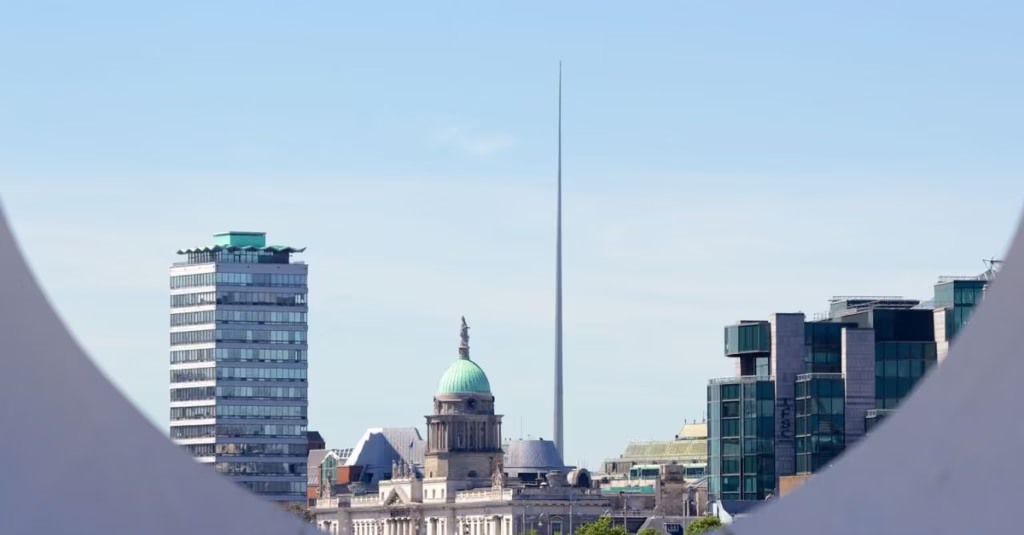
The capital can fill several days, but I wouldn’t approach it as a checklist of major attractions. Choose one cultural stop, one neighborhood to explore, one food experience, and one evening activity. Then leave space between them. Dublin becomes more interesting when you move beyond the busiest visitor streets and notice the cafés, bookshops, parks, galleries, and local businesses that shape ordinary city life.
Solo travelers have plenty of natural ways to meet people here. Walking tours, hostel kitchens, small-group food experiences, live performances, and shared tables can create conversation without requiring you to organize a full group itinerary. If you enjoy city breaks, you may also like our guide to things to do in Edinburgh, another compact city where history and independent wandering work well together.
Dublin is not always the calmest or cheapest base, particularly during major events and high-demand periods. Compare accommodation by location as well as nightly rate, and check current transport and attraction information before committing to a tightly scheduled first day.
Galway: music, culture, and Atlantic energy
Galway is one of the best places to visit in Ireland when you want a lively small-city atmosphere with easy access to western landscapes and coastal communities.
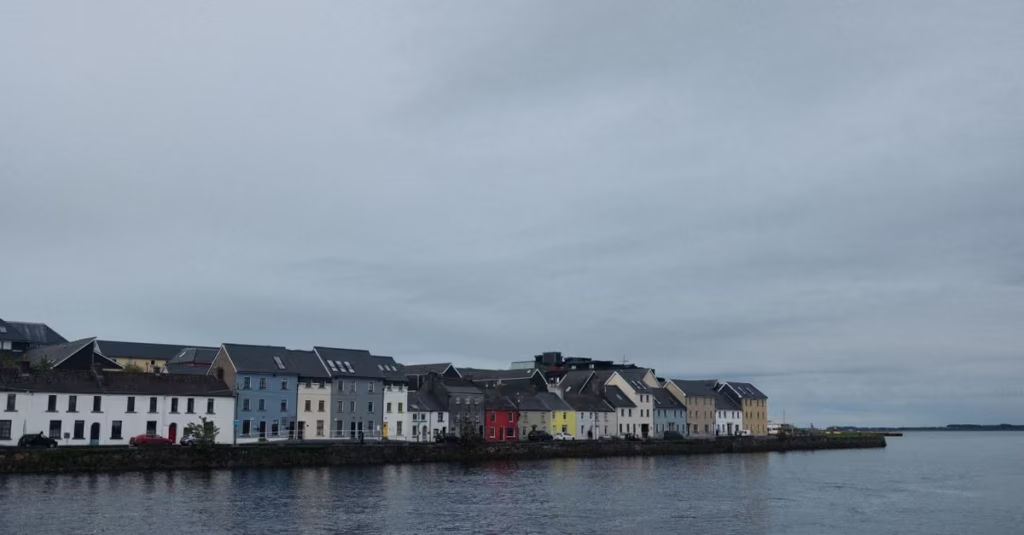
The city’s appeal comes from its scale and social energy. You can walk between the central streets, browse independent businesses, listen to live music, and find a relaxed meal without needing to plan every minute. Galway is particularly appealing for travelers who want a welcoming base but don’t want the intensity of a capital.
Use the city as a starting point for exploring the wider west, but don’t treat it only as a place to sleep between day trips. Leave time for an unstructured afternoon. Ask accommodation staff where they eat, look for local events, and choose a venue where you can enjoy music or conversation without feeling obliged to stay out late.
Galway also makes a useful solo-travel base because group excursions and walking tours are easy ways to meet other visitors. If you’re combining Ireland with other European destinations, our guide to the best cities in the UK offers ideas for comparing different city personalities before you build a wider route.
County Kerry and Killarney: classic scenery with choices
County Kerry is one of the best places to visit in Ireland for travelers who want mountains, lakes, coastal roads, hiking, historic sites, and a base with plenty of visitor infrastructure.
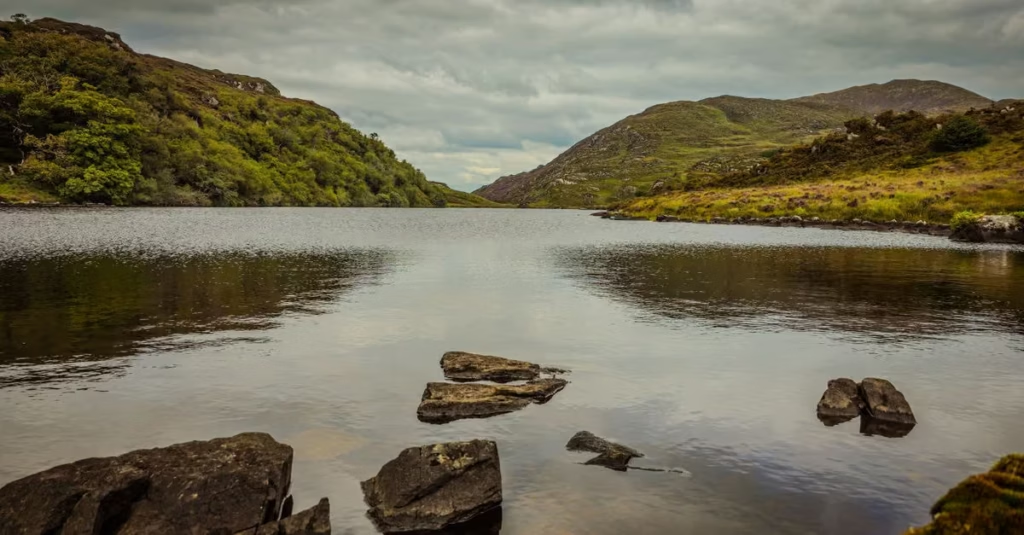
Killarney can work well as a starting point because it gives you access to outdoor landscapes, walking routes, and wider county excursions. The important thing is to avoid assuming that every scenic route will feel quick or easy. Roads can be narrow and winding, weather can change the mood of a landscape, and stopping frequently is part of the experience.
Choose activities according to your energy rather than trying to complete every famous loop. One day might focus on a lake walk or historic site, while another could be reserved for a longer drive or guided outing. If you’re traveling without a car, compare current bus connections, tours, and local transport for your dates before deciding where to stay.
Kerry is also a good region for balancing social and independent travel. A guided walk or small-group excursion can handle logistics and introduce you to other travelers, while a slower afternoon gives you the freedom to explore at your own pace.
The Cliffs of Moher and County Clare
The Cliffs of Moher and wider County Clare are among the best places to visit in Ireland for travelers drawn to exposed Atlantic scenery, coastal walking, traditional music, and dramatic changes in weather.
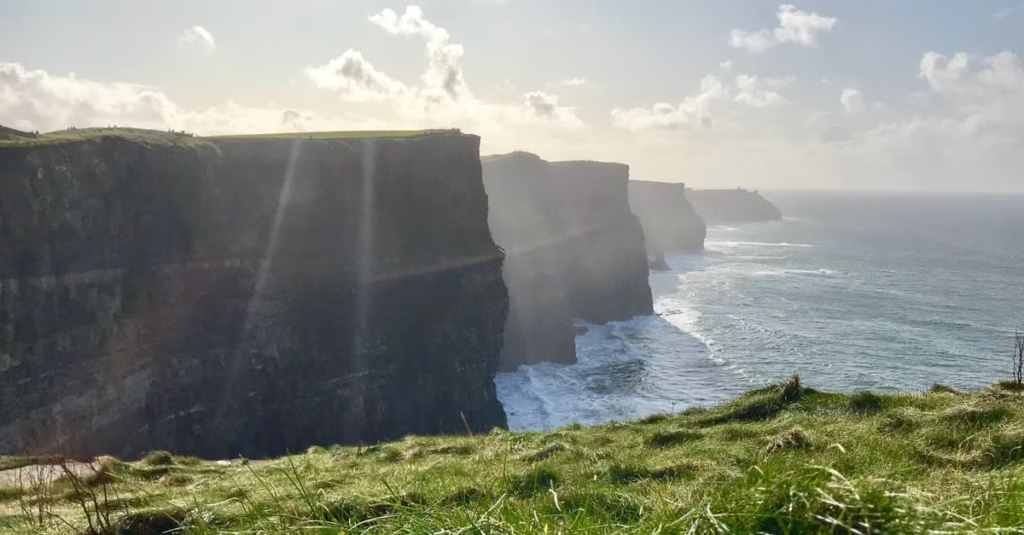
The cliffs are famous, but the broader region deserves more than a quick stop for photographs. If you visit, allow time to follow appropriate walking routes, take in the surrounding landscape, and explore other parts of Clare rather than rushing immediately onward. Check current access information, weather, trail conditions, and visitor arrangements before setting out, especially when strong wind or heavy rain is possible.
The Burren offers a very different landscape from the green fields many travelers expect, with rocky ground, quiet roads, and distinctive natural character. Treat it as a place to observe slowly. Follow local guidance, stay on appropriate paths, and avoid damaging fragile habitats.
County Clare can suit travelers who want a less urban itinerary but still appreciate social opportunities. Traditional music venues, guesthouses, guided walks, and small-group excursions make it possible to meet people without turning the trip into a party holiday.
The Dingle Peninsula: a slower coastal route
The Dingle Peninsula is one of the best places to visit in Ireland when you want coastal scenery, a small-town base, local food, traditional culture, and a road trip that encourages you to slow down.
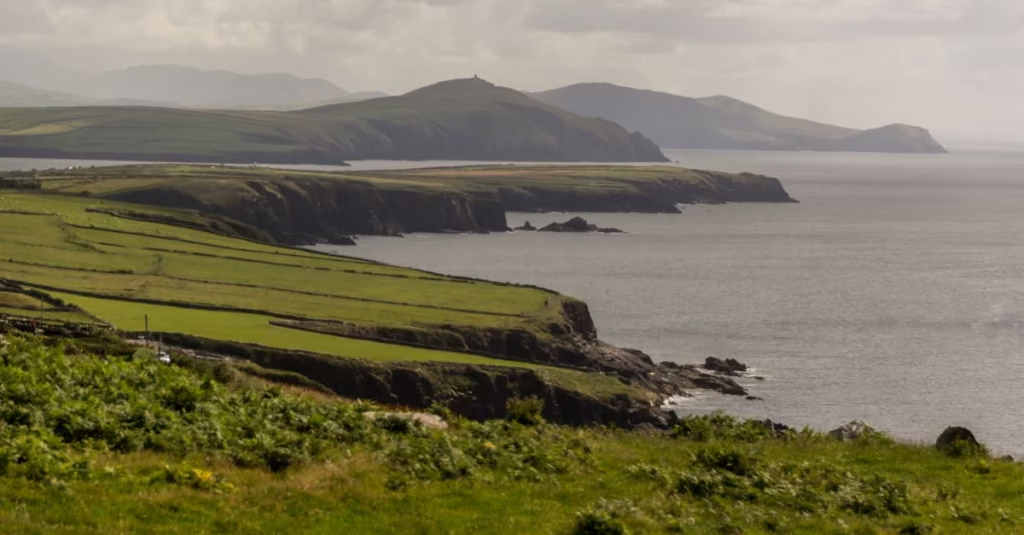
Dingle town is a practical place to pause, eat, listen to music, and plan the next day. The peninsula itself rewards travelers who don’t rush from viewpoint to viewpoint. Give yourself time for short walks, beaches, archaeological sites where access is appropriate, and quiet stretches of road.
Driving can offer the most flexibility, but it also demands concentration. Check the route before setting out, allow space for other road users, and avoid assuming that a short distance on the map equals a quick journey. If you prefer not to drive, research current day tours and local transport options.
I’d choose Dingle for travelers who value atmosphere over a packed attraction schedule. It works especially well when you stay long enough to return to a favorite café, chat with accommodation hosts, and notice the peninsula in different weather.
Connemara: open landscapes near Galway
Connemara is one of the best places to visit in Ireland for travelers who want open landscapes, mountain views, lakes, coastal roads, and a strong sense of distance without committing to a remote expedition.
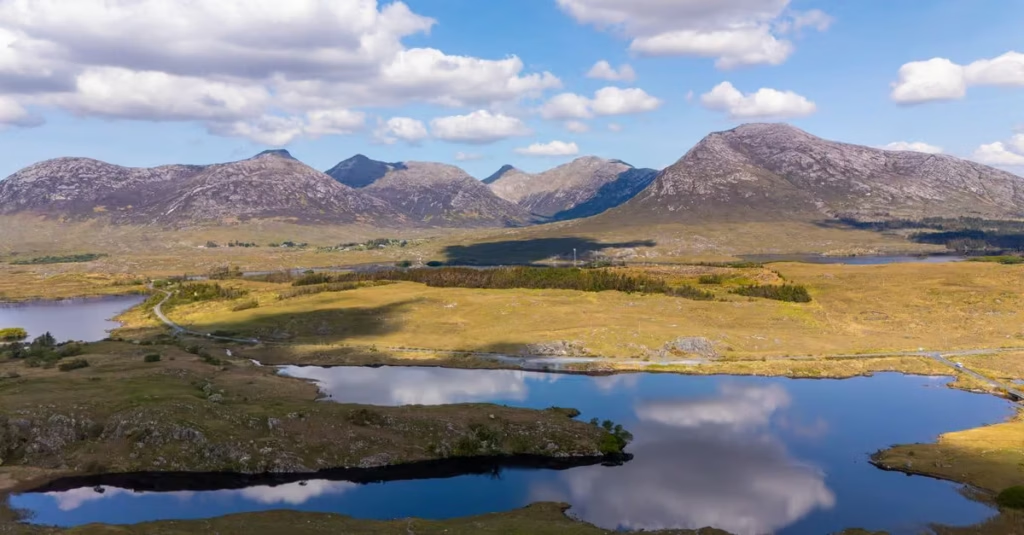
The region is best approached with flexibility. A route that looks simple may take longer once you add viewpoints, walks, weather changes, and the desire to stop. Check current road and trail conditions, and choose outdoor activities that match your experience and equipment.
Connemara can be a good choice for independent travelers who enjoy photography, walking, and landscape-focused days. It also suits those who want to combine a city base with time in the countryside, since Galway can provide a comfortable contrast between busy evenings and quieter daytime exploration.
Pack layers and rain protection regardless of the season you choose. I wouldn’t build every day around a single viewpoint or outdoor activity; keep a flexible alternative available so a change in weather becomes part of the trip rather than a complete disappointment.
The Aran Islands: island life and slower travel
The Aran Islands are some of the best places to visit in Ireland for travelers who want island landscapes, local culture, stone walls, cycling or walking, and a slower rhythm away from larger towns.

Island travel requires more planning than a normal day out. Check current ferry or transport arrangements, weather, accommodation availability, and local services for your dates. If you’re visiting only for a day, avoid trying to see everything. Choose one area, walk or cycle at a comfortable pace, and leave enough margin for changing conditions.
Staying overnight can create a more relaxed experience than arriving during the busiest part of the day and leaving immediately. You’ll have more opportunity to notice the quieter rhythm of island life, but you should also expect fewer services and less flexibility than in a city.
Travel respectfully around homes, farmland, and local businesses. Follow marked routes and local guidance, and remember that the island is a lived-in community rather than a backdrop created for visitors.
Cork: food, neighborhoods, and a different city feel
Cork is one of the best places to visit in Ireland for travelers who want food, independent businesses, local culture, and a city experience that feels distinct from Dublin.
Build a Cork visit around eating and wandering rather than racing between landmarks. Browse markets and food businesses, ask locals for ordinary restaurant recommendations, and explore neighborhoods beyond the central streets. The city is a good place to spend a rainy afternoon because cafés, galleries, shops, and indoor cultural spaces can keep the day moving.
Cork also works as a base for nearby coastal and historic areas, although you should check current transport connections before creating a day-trip plan. If you’re traveling by car, research parking and road conditions in advance rather than assuming every attractive stop will be simple to reach.
For budget-conscious travelers, mix one memorable meal with bakeries, supermarkets, casual cafés, and accommodation with kitchen access. Food can become one of the most enjoyable ways to connect with a destination without making every meal expensive.
Kilkenny: history in a walkable setting
Kilkenny is one of the best places to visit in Ireland for travelers who want historic architecture, a compact center, independent shops, cultural venues, and a manageable alternative to a major city.
The town works well for a short stay because you can explore at walking pace and still leave time for food, conversation, and unplanned discoveries. Look beyond the headline historic attractions by noticing side streets, local businesses, galleries, and places where residents spend time.
Kilkenny can fit naturally into a route between larger destinations, but I’d avoid treating it as only a quick photograph stop. An evening gives you a chance to experience the town after day visitors leave and to choose a local venue or restaurant without rushing back to a distant base.
If history-focused travel appeals to you, our guide to the best places to visit in the UK offers useful comparisons with destinations such as York, Bath, and Oxford. The same idea applies here: historic places become richer when you leave room for modern local life too.
Belfast and the Causeway Coast
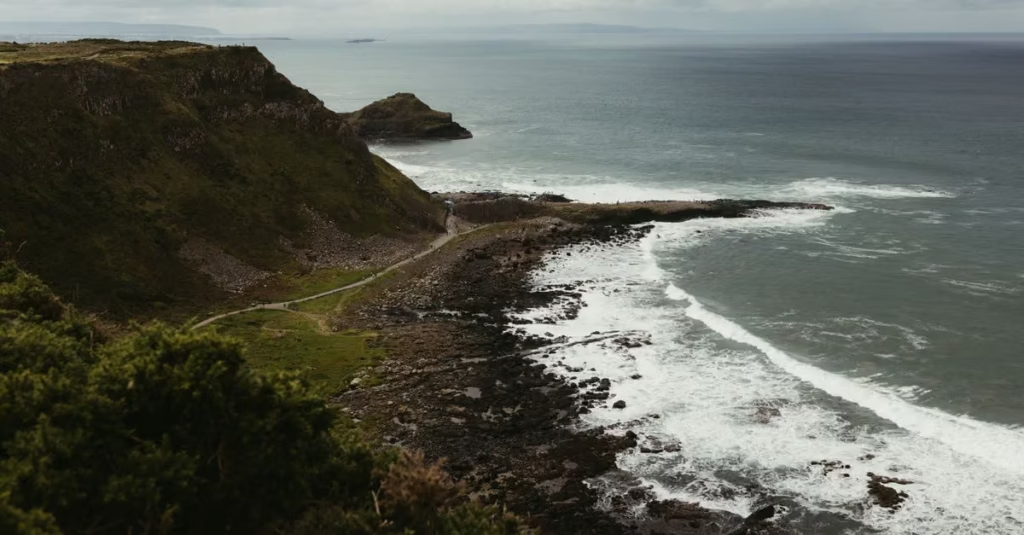
Belfast and the Causeway Coast are among the best places to visit in Ireland for travelers who want urban history, creative culture, coastal landscapes, and a route with contrasting experiences.
Belfast deserves time beyond a single attraction. Explore its museums, neighborhoods, food scene, and local stories with care. A guided walking or history tour can add context, particularly if you’re unfamiliar with the city’s complex past. Choose an approach that treats local history seriously rather than reducing it to a dramatic anecdote.
The Causeway Coast then offers a change of pace, with sea air, cliffs, beaches, and coastal viewpoints. Check current access, weather, road conditions, and trail guidance before setting out. Don’t force a coastal walk when wind or rain makes it unsuitable; the landscape will still be there when conditions improve.
This combination is strong for travelers who want variety without changing the type of trip every day. You can spend one day in museums and cafés, then another outdoors with a camera, packed lunch, and flexible route.
Donegal: space, coast, and independent exploration
Donegal is one of the best places to visit in Ireland for travelers seeking a quieter coastal experience, open landscapes, hiking, and a stronger feeling of space.
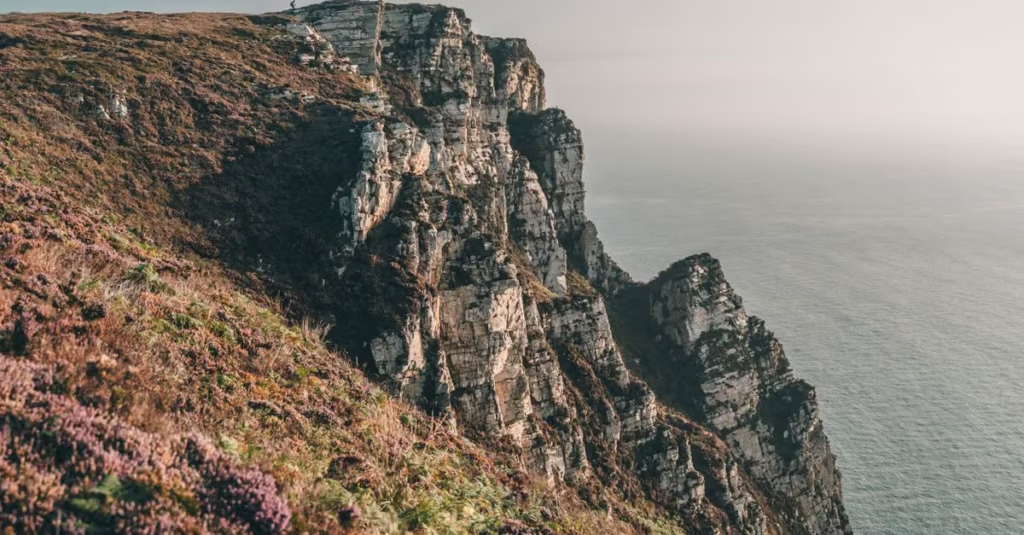
The region rewards patience. Distances between places can take longer than they appear, and public transport may not offer the same flexibility as in larger towns. Research your base, connections, accommodation, food options, and outdoor plans before arriving. If you’re driving, plan fuel and rest stops rather than assuming every road offers frequent services.
Donegal suits travelers who enjoy building their own days. You might choose a coastal walk, a scenic drive, a local meal, or a quiet afternoon near your accommodation. It may not suit someone who wants a dense schedule of attractions or easy late-night transport, and that’s part of its appeal.
Solo travelers should be realistic about changing weather and remote stretches. A guided experience can be a useful alternative when you want company, local knowledge, or support with logistics.
The Boyne Valley: ancient history close to Dublin
The Boyne Valley is one of the best places to visit in Ireland for travelers interested in ancient history, archaeological landscapes, heritage sites, and a slower excursion from the capital.
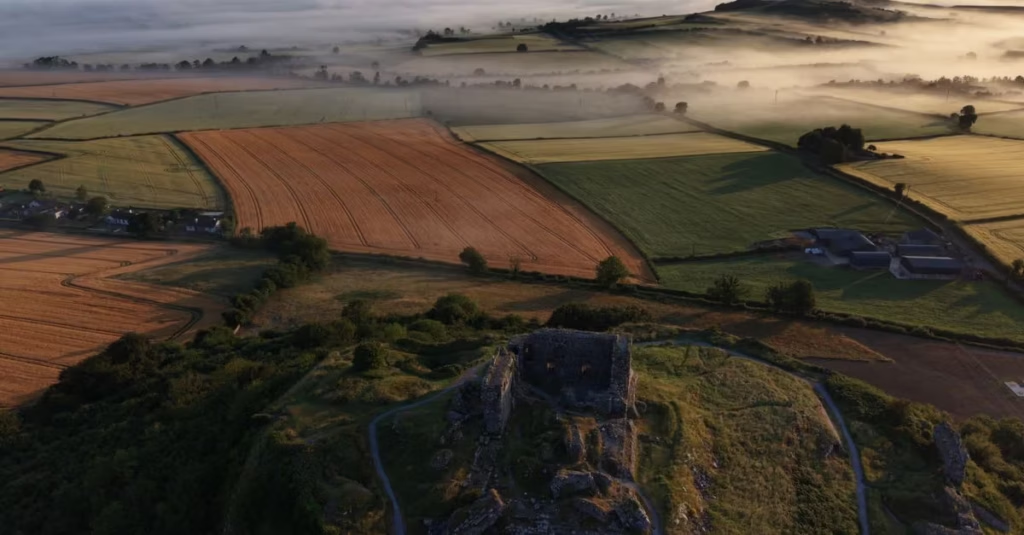
The region works well when you want to add historical depth without committing to a long coastal road trip. Check current access arrangements and booking requirements for the specific sites you want to visit, then allow enough time to understand the landscape rather than rushing between stops.
A guided visit may be worthwhile if you want more context about the monuments and the people connected with them. Independent travelers can also build a flexible day, but should confirm current transport links and return arrangements before setting out.
Pair the Boyne Valley with a meal or walk in a nearby town instead of treating it as a single-purpose excursion. Travel feels more connected when you include ordinary places alongside major heritage sites.
How can you plan Ireland on a budget?
You can keep an Ireland trip manageable by choosing fewer bases, mixing paid attractions with free walks and landscapes, and planning transport and food before you arrive.
- Choose a regional route. A focused itinerary reduces expensive transfers and leaves more time to explore.
- Compare accommodation by location. A cheap room far from transport or food may cost more in time and daily travel.
- Use food strategically. Mix markets, bakeries, supermarkets, casual cafés, and occasional special meals.
- Protect your activity budget. Choose the guided tour, island trip, heritage site, or outdoor experience that matters most.
- Check current details. Confirm transport, admission arrangements, operating dates, and weather-dependent plans for your travel year.
Car hire can create freedom, but it isn’t automatically the cheapest option. Include insurance, fuel, parking, deposits, and the cost of accommodation with suitable parking. Public transport, local buses, and small-group tours may be a better fit for some routes.
Traveling with children or across different energy levels requires another kind of planning. Our guide to where to travel with family has useful advice about flexible days, realistic pacing, and choosing activities that work for everyone.
How can solo travelers meet people in Ireland?
Solo travelers can meet people in Ireland through hostels, walking tours, traditional music sessions, food experiences, guided hikes, shared kitchens, and small-group day trips.
I’d book one social activity near the beginning of a trip, then let those conversations shape the rest of the route. Someone you meet may suggest a neighborhood, café, coastal walk, or local event that never appeared in your original plan. You don’t need company every day; the best solo itineraries leave room for both connection and quiet.
Choose accommodation with shared areas if meeting people matters to you, but compare location, sleeping arrangements, reviews, and transport before choosing the lowest rate. A social base that is inconvenient for your planned activities can become tiring and expensive.
For broader seasonal planning, our guides to the best time of year to visit Australia and the best time to visit South Africa reinforce a useful principle: choose travel conditions around the experience you want, not just the country name.
What should you do next?
Start by choosing the kind of Ireland trip you want. Do you want lively evenings, coastal walks, ancient history, traditional music, local food, or a road trip built around landscapes? Pick one main theme and two supporting interests.
Then choose two or three bases that fit those priorities. A first route might combine Dublin with Galway and a western coastal region, while a slower trip could focus on Cork and Kerry or Belfast and the Causeway Coast. Check current transport, road conditions, accommodation, attraction access, and weather information before paying for nonrefundable plans.
If Ireland is part of a much longer journey, our guides to the best time to visit Jordan and the best places to visit in Argentina offer inspiration for comparing very different regional travel styles. The planning lesson is the same: give a destination enough time to become more than a sequence of famous stops.
The best places to visit in Ireland are the ones that leave room for curiosity. Choose a realistic route, slow down when the landscape deserves it, talk to people along the way, and keep enough space in your schedule for the unexpected turn that becomes the story you remember.


6 Comments