

10 Best Cities in UK: The Brilliant Escapes
The best cities in UK offer far more than a quick succession of famous landmarks. They give independent travelers different ways to experience the country: lively neighborhoods, old streets, music venues, galleries, markets, green spaces, local food, and easy opportunities to meet people. The real challenge is choosing where to start.
I’d avoid building a UK trip around the idea that one city can represent the whole country. London feels completely different from Edinburgh, Liverpool has a different rhythm from Bath, and Glasgow offers a very different kind of creative energy from Oxford. That variety is exactly what makes city travel here so rewarding.
This guide brings together ten of the best cities in UK for solo travelers, backpackers, culture lovers, food-focused visitors, and anyone planning an independent city break. I’ve included the personality of each place, who it suits, what to do beyond the obvious sights, and how to make your itinerary feel more personal.
Table of Contents
Which are the best cities in UK for travelers?
The best cities in UK depend on the kind of trip you want, but London, Edinburgh, Manchester, Liverpool, Glasgow, Bristol, Bath, York, Oxford, and Brighton each offer a strong reason to visit.
- For first-time visitors: London or Edinburgh offers a rich introduction to British history and culture.
- For music and nightlife: Manchester, Liverpool, or Glasgow brings plenty of energy after dark.
- For history and atmosphere: York, Bath, or Oxford rewards slow wandering.
- For creativity and independent travel: Bristol and Glasgow have an especially distinctive feel.
- For the coast: Brighton adds sea air, cafés, arts, and a more relaxed city break.
You don’t need to visit all ten. In fact, I’d usually recommend choosing two or three cities and giving each enough time to develop beyond a first impression. A slower route gives you space for neighborhoods, local recommendations, ordinary meals, and the unplanned moments that make a city feel real.
London: the biggest range of experiences
London is one of the best cities in UK for travelers who want the greatest choice of culture, neighborhoods, food, history, entertainment, and day-to-day discovery in one destination.

The city can be overwhelming, but that scale is also its greatest strength. You can spend one day exploring museums and historic districts, then switch completely the next day to markets, street art, independent shops, parks, or a small live-music venue. Every area has its own tempo, and I think London becomes much more enjoyable once you stop trying to “finish” it.
For a first visit, choose a few anchors rather than drawing a route across the entire city. Pick one museum or cultural attraction, one neighborhood to explore slowly, one food experience, and one evening activity. Then leave open time between them. London’s most rewarding moments often happen when you follow a side street, sit in a square, or ask someone local where they would eat.
Solo travelers have endless ways to make the city social without joining a full group itinerary. Walking tours, food markets, language exchanges, live performances, and hostel common rooms all create easy openings for conversation. If you’re on a tight budget, mix free cultural spaces, neighborhood walks, public parks, and inexpensive meals with one or two paid experiences that genuinely interest you.
London is also a useful starting point for a longer route. Before adding distant stops, compare transport time, accommodation changes, and the cost of moving around. The city can easily fill several days on its own.
Edinburgh: history, hills, and a strong sense of place
Edinburgh is one of the best cities in UK for travelers who want dramatic streetscapes, history, literary atmosphere, independent shops, and access to outdoor scenery without leaving the city behind.

The compact central areas make it satisfying to explore on foot, although the hills and uneven streets reward comfortable shoes. I like Edinburgh as a destination for travelers who want structure without a rigid schedule: choose a historic area, a viewpoint, a café, and an evening venue, then let the spaces between them unfold naturally.
There’s more to the city than its most recognizable old streets. Spend time in neighborhoods away from the main visitor route, browse small bookshops, look for local food, and join a walking or history tour if you want context. A guided experience can be particularly useful for solo travelers because it adds both background and an easy social setting.
Edinburgh’s atmosphere changes throughout the year, so check current event details, accommodation availability, and local conditions for your dates rather than relying on an old itinerary. Busy periods can transform the city’s pace and affect your budget. If your schedule is flexible, consider traveling outside the most in-demand dates and keeping your plans adaptable.
For readers comparing an urban UK route with a longer international journey, our guide to the best time of year to visit Australia offers a useful contrast: large destinations reward travelers who choose regions and priorities instead of trying to experience everything at once.
Manchester: music, football, and creative energy
Manchester is one of the best cities in UK for travelers who want a lively cultural scene, music history, independent businesses, and a city break with plenty of personality.

Manchester’s appeal is not limited to one attraction. Its identity comes from the combination of music, sport, architecture, food, nightlife, and neighborhood life. You might spend a morning in a gallery or museum, eat somewhere casual in the afternoon, and end the day at a gig, pub, comedy show, or small performance space.
This is a good city for travelers who prefer atmosphere over a long list of formal sights. Ask accommodation staff or local hosts where people actually spend time, then follow the answer beyond the most obvious center. Independent cafés, record shops, markets, and community events can give you a stronger sense of the city than a rushed collection of photographs.
Manchester also suits group travel and solo travel equally well. A football match or live-music event can make a memorable shared experience, while a walking tour or food-focused activity creates a natural way to meet people. I’d keep the itinerary loose enough to follow the city’s social energy rather than booking every evening in advance.
Liverpool: music, waterfront character, and welcoming energy
Liverpool is one of the best cities in UK for travelers interested in music, maritime history, creative culture, architecture, and an outgoing social atmosphere.

The city is easy to approach with curiosity because many of its strongest experiences are connected to stories: the people who shaped its music, the communities formed around the port, the artists and writers linked with the city, and the neighborhoods that continue to change. Museums and formal attractions can add context, but I’d also leave time for simply walking, sitting down for food, and listening to local recommendations.
Liverpool can work especially well for a short city break. You can create a satisfying plan with one cultural stop, one neighborhood walk, one music-related experience, and an evening exploring local venues. That balance keeps the trip from feeling like a lesson while still giving you a deeper sense of place.
For solo travelers, consider a hostel or guesthouse with shared areas, a walking tour, or a small-group food and culture experience. These settings make meeting people feel natural rather than forced. If you’re traveling on a budget, prioritize the city’s atmosphere and free public spaces, then spend on the attraction or performance that matters most to you.
Glasgow: art, design, and everyday city life
Glasgow is one of the best cities in UK for travelers who want art, design, live music, independent food, and a less polished but highly characterful urban experience.

Glasgow rewards people who are willing to explore beyond a neat sightseeing checklist. Its museums, concert venues, cafés, shops, and residential districts create a trip that feels active and lived-in. You may not fall in love with every street immediately, but the city often becomes more compelling the longer you stay.
I’d plan Glasgow around a few creative interests rather than trying to cover every landmark. Choose a gallery or museum, find a local meal, spend time in an independent shop or market, and reserve one evening for live music. If you enjoy architecture, design, or photography, leave room to wander without a fixed destination.
Glasgow also makes a useful base for travelers combining city culture with wider Scottish landscapes. Just be honest about the time required for onward travel and avoid turning every day into a transfer day. Our guide to the best places to visit in South Africa makes a similar planning point for a much larger destination: regional focus usually creates a better trip than chasing every famous place.
Bristol: street art, waterways, and independent spirit
Bristol is one of the best cities in UK for travelers who enjoy street art, creative neighborhoods, independent businesses, music, and a city with an experimental edge.

Bristol is the kind of destination where you can build a day around a broad theme instead of a strict attraction list. Follow public art, browse independent shops, explore a market, find a waterside walk, or choose a café and see where the afternoon leads. That freedom suits travelers who like discovery more than constant sightseeing.
The city has enough variety for a longer stay but also works as a compact break if you focus on one or two areas. I’d avoid trying to see every neighborhood in a single day. Pick a district, explore it properly, and ask local people what they would do with a free afternoon. You’ll often find more useful suggestions than a generic top-ten list.
Bristol is a strong choice for solo travelers who want social opportunities without a party-only atmosphere. Creative workshops, walking tours, independent venues, and casual food spaces can all make it easier to connect with people. Stay somewhere with a shared lounge or kitchen if you want conversation to happen naturally.
Bath: elegant streets and slower sightseeing
Bath is one of the best cities in UK for travelers who want history, architecture, cafés, literary connections, and a more relaxed city-break rhythm.
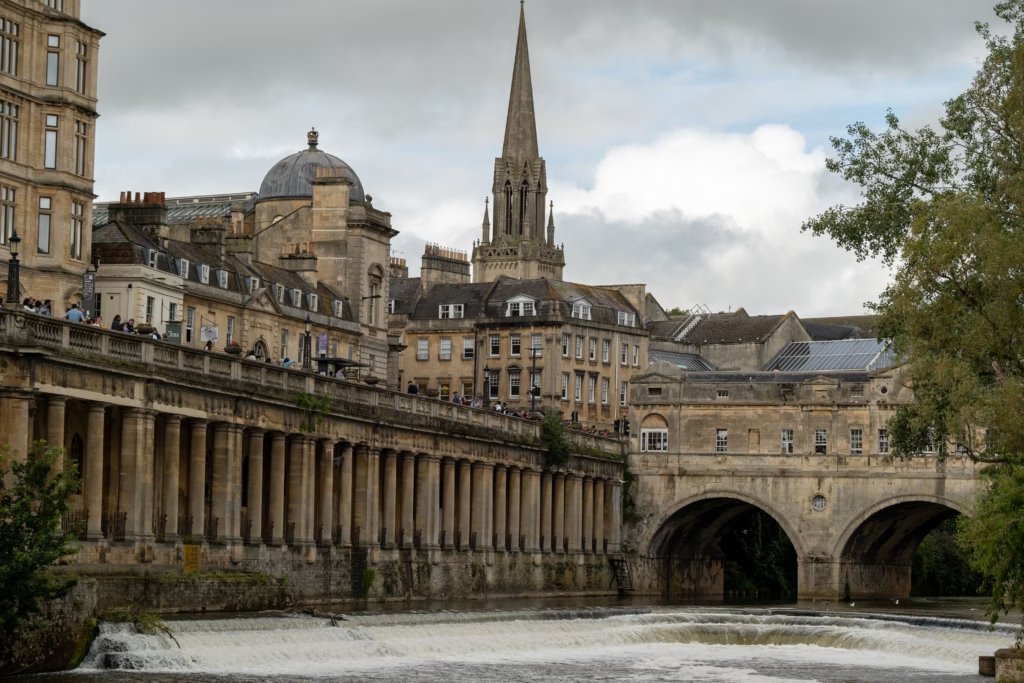
Bath is easy to appreciate at walking pace. The streets, buildings, and public spaces invite you to slow down, but the city is not only about looking at grand architecture. Spend time in local shops, choose a café, explore a museum or historic site, and leave an afternoon open for simply wandering.
The city can be popular, so advance planning may matter for attractions and accommodation during busy periods. Still, overplanning can take away some of its appeal. I’d book the experiences that are central to your visit and keep the rest flexible. Early or later-in-the-day exploration can also help you experience the city with a calmer rhythm.
Bath suits travelers who want culture without nightlife being the main event. It can be a good pause in a longer route through southern England, especially if you’ve been moving quickly between larger cities. If you’re traveling alone, a small walking tour or a locally run history experience adds context and gives you an easy way to meet fellow visitors.
York: medieval streets and living history
York is one of the best cities in UK for travelers who want historic streets, museums, independent shops, atmospheric walks, and a destination that feels easy to explore on foot.
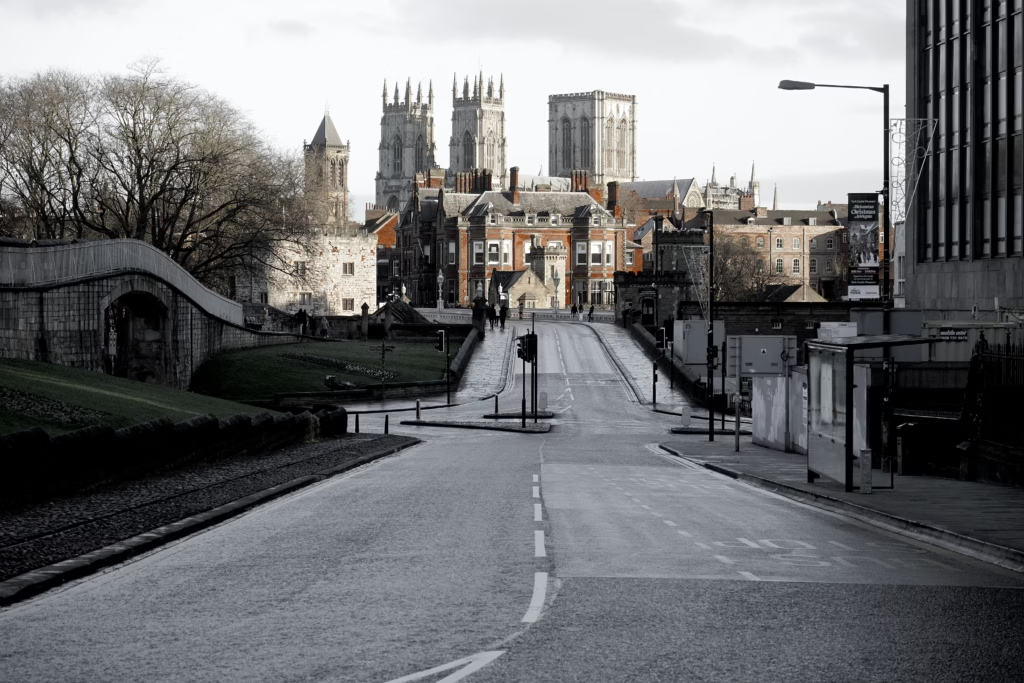
York’s historic character is obvious, but the city is more enjoyable when you look beyond the most photographed lanes. Walk without rushing, stop for local food, browse small businesses, and look for the layers of modern life alongside the older buildings. History becomes more engaging when it is part of an active city rather than something sealed away from everyday life.
This is a particularly good choice for travelers who enjoy self-guided exploration. You can make your own route around architecture, stories, food, or independent shops, then join a tour if you want a richer explanation. Solo travelers may find the compact feel reassuring, while still having plenty of opportunities for conversation in cafés, hostels, and group activities.
York is also a place where pacing matters. A full day of walking on historic streets can be tiring, so build in breaks. Choose accommodation based on location and atmosphere rather than headline price alone, and remember to include food, local transport, and any paid experiences in your budget.
Oxford: books, history, and youthful energy
Oxford is one of the best cities in UK for travelers drawn to historic architecture, libraries, academic traditions, independent bookshops, and a city shaped by student life.
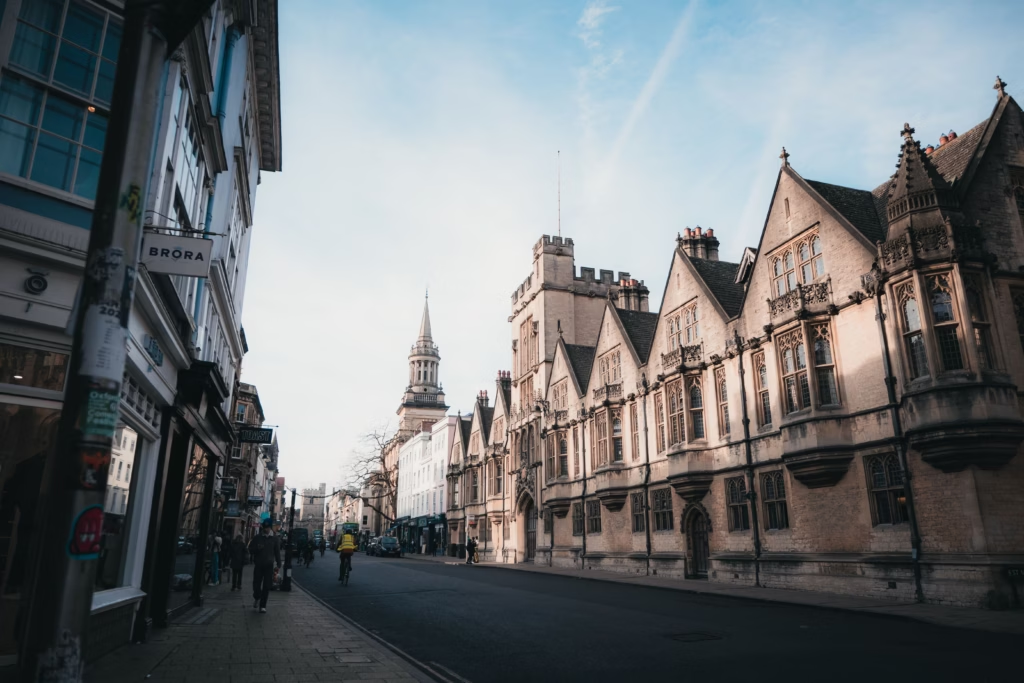
The best way to experience Oxford is to combine its famous academic character with ordinary city life. Explore historic streets, browse a bookshop, sit in a café, visit a museum, and look for green spaces where you can slow down. The contrast between tradition and youthful energy gives Oxford more texture than a quick photograph outside an old building.
Because Oxford’s appeal is spread through its streets and institutions, check current access arrangements for any colleges, libraries, museums, or tours you particularly want to visit. Opening details and entry arrangements can change, and a little research can prevent disappointment.
Oxford suits travelers who like a quieter social scene. A literary walk, walking tour, lecture, pub conversation, or small cultural event can create connections without requiring a noisy nightlife itinerary. I’d give the city enough time for its details to emerge rather than treating it as a rushed stop between larger destinations.
Brighton: sea air, creativity, and relaxed city breaks
Brighton is one of the best cities in UK for travelers who want the coast, independent shops, creative culture, nightlife, cafés, and a city break with a more informal mood.

Brighton works because it offers different versions of a good day. You can walk near the sea, explore independent businesses, look for local art, eat casually, spend time in a park, or stay out for music and nightlife. It’s a useful option when your group has different interests because not everyone needs to follow the same plan.
I’d let the weather influence the rhythm without allowing it to control the entire trip. Have an outdoor idea and an indoor alternative ready, then keep the schedule loose. Brighton is more enjoyable when you can linger over food, browse a shop, or change direction because something catches your attention.
For solo travelers, the city offers plenty of natural social settings: cafés, shared accommodation, creative events, walking tours, and casual venues. It can also be a good place to stay a little longer if you want a city with energy but don’t want the intensity of London.
How should you choose your UK city route?
The best UK city route is the one that matches your interests and keeps travel days reasonable, so begin with a short list of experiences rather than a map full of pins.
For a first visit, London and Edinburgh give you two very different introductions to the country. If music and nightlife matter most, Manchester, Liverpool, and Glasgow create a strong northern route. For history and slower days, consider York, Bath, and Oxford. Bristol and Brighton suit travelers who want independent culture, creative energy, and less formal sightseeing.
Transport connections can make some combinations more convenient than others, but schedules and fares change. Confirm current details for your travel year before booking nonrefundable accommodation or activities. I’d also avoid moving cities every night. Two or three nights in one place usually gives you a better chance to meet people, find a favorite café, and explore beyond the center.
If you’re planning a family trip rather than a solo adventure, our guide to where to travel with family offers useful advice about choosing destinations around energy levels, transport, accommodation, and flexible daily plans. Those principles help adult travelers too.
How can you travel through UK cities on a budget?
You can make a UK city trip more affordable by choosing fewer bases, comparing accommodation locations, mixing paid experiences with free exploration, and protecting your budget for the activities you care about most.
- Choose location carefully. A cheaper room far from the center may cost more in transport and time.
- Use shared accommodation strategically. Hostels can reduce costs and create easy social opportunities.
- Plan food flexibly. Mix markets, supermarkets, cafés, takeaway meals, and one or two special dinners.
- Look beyond headline attractions. Neighborhood walks, public spaces, independent shops, and free cultural areas can fill a day.
- Book only what matters most. Keep some room for spontaneous plans and changing weather.
- Check current prices and schedules. Transport, attraction access, and accommodation details should be confirmed for your dates.
Social travel doesn’t need to mean a packed party itinerary. Join one walking tour, take a cooking or creative class, attend a local performance, or choose a shared meal. Then keep the rest of the day for yourself. That balance is one of my favorite ways to travel alone: connected when I want company, independent when I want quiet.
When comparing the scale and pace of a UK trip with other destinations, our guide to the best time to visit South Africa is a useful reminder to plan around regions, seasons, and travel priorities rather than assuming one itinerary suits everyone.
What should you do next?
Start by choosing three cities from this list and write down what attracts you to each one. Is it music, history, food, architecture, nightlife, museums, coast, or the chance to meet other travelers? If two cities offer the same experience, keep the one that creates the simpler route.
Then build a loose itinerary with one main idea for each day and enough open space to explore. Reserve accommodation and limited-capacity experiences after checking current information for your travel year, but don’t book every hour. The most memorable part of a city often begins after the planned sightseeing ends.
The best cities in UK are not simply the ones with the longest attraction lists. They’re the places that fit your pace, encourage curiosity, and give you enough room to notice how people actually live. Choose a couple, stay a little longer, and let the journey become more than a checklist.






3 Comments