
Best Places to Visit in the USA: 10 Incredible Places to See
The Best Places to Visit in the USA range from energetic cities and historic neighborhoods to enormous national parks, tropical islands, desert landscapes, and remote northern wilderness. That variety is exciting, but it can also make planning your first trip feel slightly impossible. Where do you even begin?
I’d start with the kind of travel experience you want. The United States can be a city break built around food and culture, a road trip through changing landscapes, a hiking holiday, a beach escape, or a mix of all four. You don’t need to cross the whole country to have a memorable trip. Choosing two or three regions and exploring them properly is usually more rewarding than collecting rushed stops.
This guide highlights ten destinations with distinct personalities. I’ve included famous cities and landscapes, but also practical advice for choosing between them, planning transport, and finding ways to connect with local life. If you’re comparing long-haul ideas, our guides to the best places to visit in Thailand, the best places to visit in Croatia, the best places to visit in Argentina, and the best places to visit in Jordan offer more inspiration for varied itineraries.
Table of Contents
How to choose among the best places to visit in the USA
The best US destination for you depends on the pace and landscape you want. New York City, Chicago, and New Orleans suit travelers who want food, music, architecture, and neighborhood culture. Washington, DC adds museums and American history, while the national parks are better for hiking, wildlife watching, scenic drives, and time away from city noise.
Geography matters more here than many first-time visitors expect. A route that looks simple on a map may involve long travel days, so I’d avoid combining distant regions unless you have plenty of time. For a shorter trip, choose one city and one nearby outdoor area, or focus on a single state or region.
The USA can work well for solo travelers, although the experience varies by destination. Hostels, walking tours, food halls, live music venues, group hikes, and organized excursions make it easier to meet people. In rural areas, however, you’ll need more independence and careful planning, particularly if you’re relying on limited public transport.
10 incredible places to see in the USA
1. New York City: Big-city energy and endless neighborhoods
New York City is one of the best places to visit in the USA if you want museums, architecture, food, nightlife, public parks, and a city that keeps changing from one block to the next. The famous landmarks are worth seeing, but I think the city becomes more interesting when you move beyond a short checklist.

Spend time in different neighborhoods rather than treating Manhattan as the entire destination. Walk through local markets, sit in a public park, visit a small gallery, and choose restaurants for the food rather than the view. A neighborhood-focused day often tells you more about New York than racing between major attractions.
Solo travelers have plenty of options here. Join a walking tour, take yourself to a museum, eat at a counter, or attend a live performance. New York is also a useful starting point for a longer US trip, with broad transport connections and a huge range of accommodation.
The trade-off is cost and intensity. Accommodation in central areas can be expensive, and the scale of the city may feel tiring at first. I’d plan fewer major activities each day and leave room for the unexpected: a street festival, a bookshop, a free exhibition, or a meal recommended by someone you meet.
2. Grand Canyon: A landscape that rewards patience
The Grand Canyon is one of the best places to visit in the USA for travelers who want a dramatic natural landscape and a strong sense of scale. The canyon is not something I’d reduce to a single viewpoint or quick photograph. Its colors, shadows, weather, and depth change throughout the day.
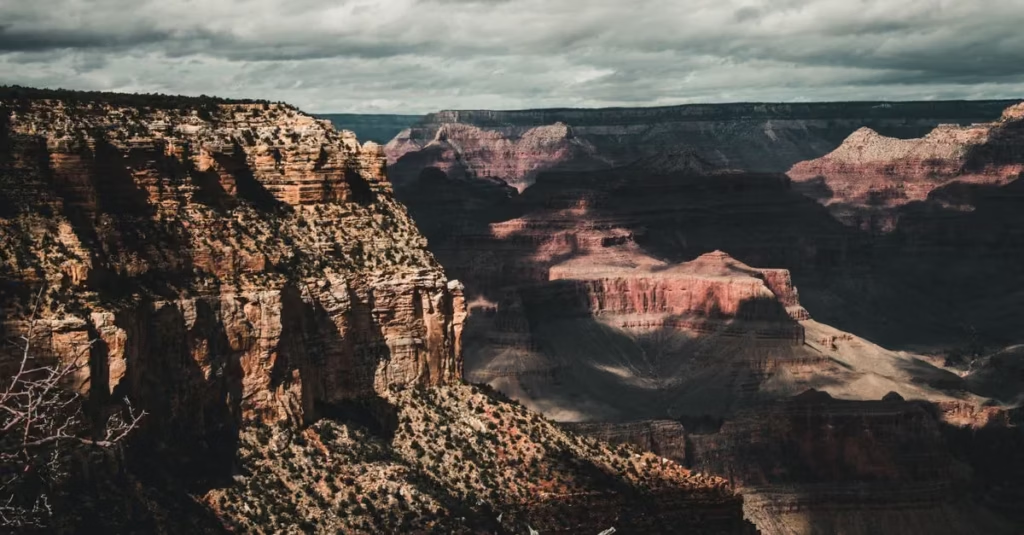
Choose your experience carefully. A viewpoint-based visit can suit a shorter itinerary, while hikers need to prepare for heat, elevation changes, water needs, and the physical demands of descending and climbing back out. Don’t estimate a trail’s difficulty from photographs alone, and check current park information before setting off.
Give yourself time to stand quietly and look. That sounds simple, but large landscapes can be surprisingly difficult to absorb when every stop becomes a race for the next view. Sunrise and sunset plans may be popular, but a quieter period during the day can be just as rewarding.
The Grand Canyon works especially well as part of a wider Southwest route. Combine it with desert towns, other protected landscapes, or a road trip through Arizona and Utah, but avoid building a schedule so tight that one delayed drive affects everything afterward.
3. Yellowstone National Park: Geothermal landscapes and wildlife
Yellowstone National Park is one of the best places to visit in the USA for travelers who want geysers, hot springs, forests, lakes, and opportunities to observe wildlife in a large protected landscape. It feels unlike a typical city or beach destination and deserves a slower, practical approach.
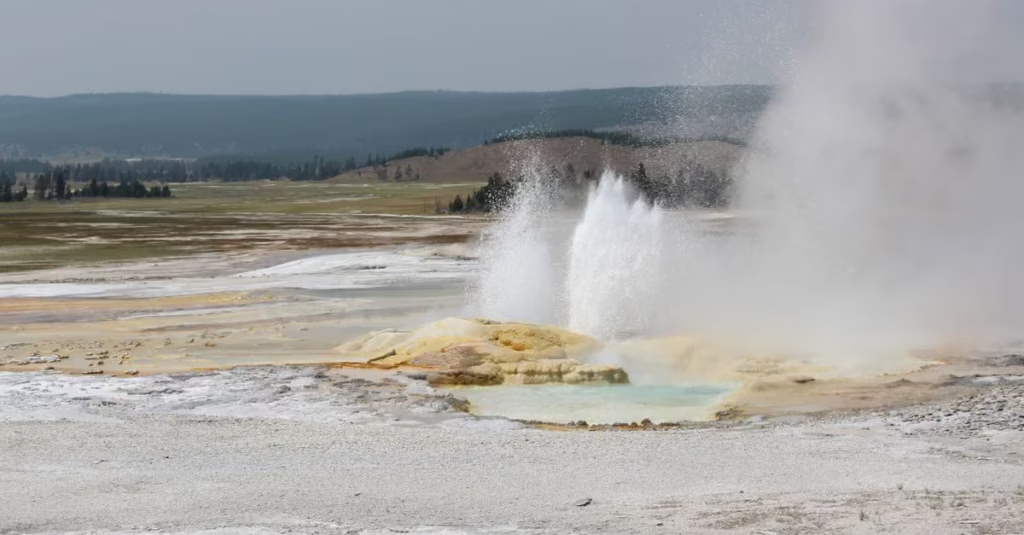
Plan around the areas you most want to see, then check current roads, trail conditions, closures, and visitor guidance. The park is vast, and moving between highlights can take longer than expected. I’d rather focus on a smaller part of Yellowstone than spend the entire day driving between brief stops.
Wildlife viewing requires patience and respect. Keep your distance, follow park instructions, and never let a photograph become more important than the animal’s space. Binoculars are often more useful than trying to get close.
Yellowstone suits travelers who enjoy early starts, long scenic drives, hiking, and quiet observation. Solo visitors should share plans for hikes, carry suitable supplies, and avoid assuming that mobile connectivity or immediate assistance will be available everywhere.
4. New Orleans: Food, music, and layered history
New Orleans is one of the best places to visit in the USA for travelers drawn to live music, distinctive food, historic neighborhoods, and a strong local sense of place. Its appeal goes far beyond one famous street or festival season.
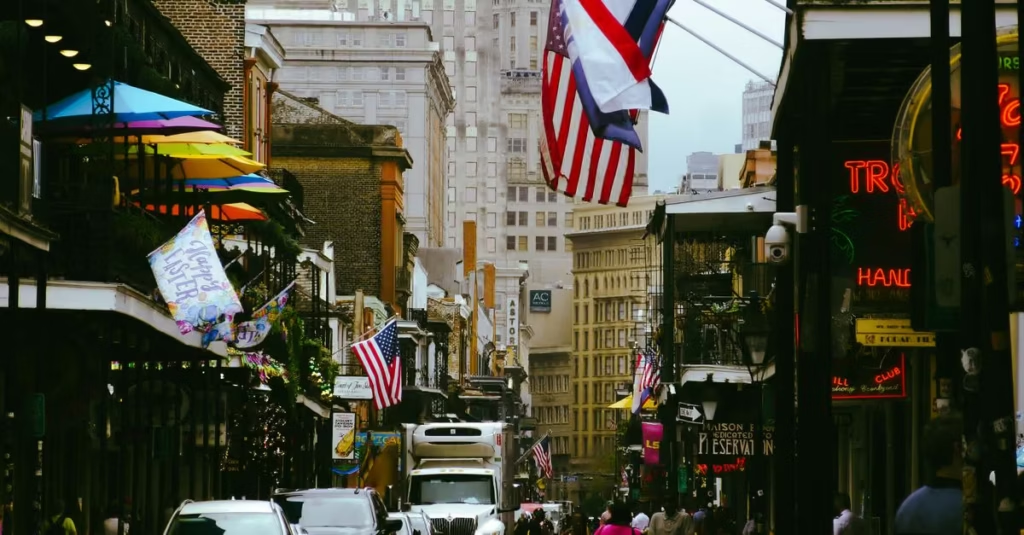
Explore the French Quarter, but make time for other neighborhoods and cultural spaces too. Listen to local musicians, seek out regional dishes, and learn about the city’s complicated history through museums, tours, and conversations with people who live there. The best days here are often built around wandering, eating, and following the sound of music.
Food should be central to your plans. Try dishes associated with New Orleans, but also look for everyday restaurants, bakeries, markets, and places where local residents gather. A food tour or cooking class can be a natural way to meet people when you’re traveling alone.
New Orleans is lively, but it also deserves thoughtful travel. Respect local communities, pay attention to current advice about transport and neighborhoods, and don’t assume the city’s party reputation represents every part of its culture.
5. Yosemite National Park: Granite cliffs and mountain trails
Yosemite National Park is one of the best places to visit in the USA for travelers who want granite cliffs, waterfalls, forests, and accessible mountain scenery. It is a strong choice for both first-time national park visitors and experienced hikers, provided you plan around current conditions.
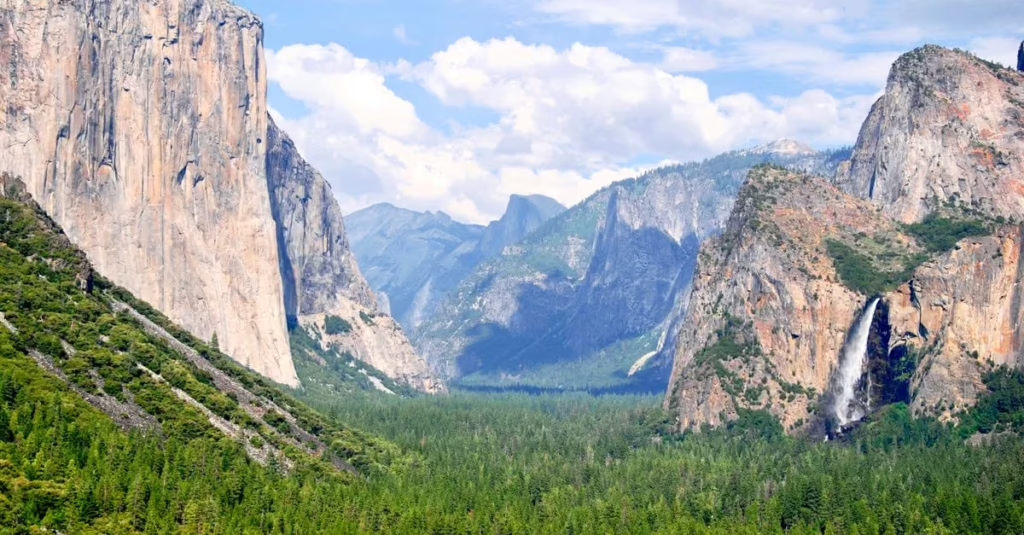
There’s a wide difference between a short valley walk and a demanding mountain route, so match your itinerary to your fitness and experience. Check current trail information, road access, weather, and any visitor requirements before you travel. Conditions can change, especially in high-elevation areas.
The park rewards early starts and flexible thinking. Popular viewpoints can become busy, while a less famous trail or a longer picnic beside the river may provide a more personal experience. Carry water, protect yourself from the sun, and leave no trace.
Yosemite fits naturally into a California road trip, but don’t treat it as a quick stop between cities. The landscape deserves at least enough time to settle into its scale, sounds, and changing light.
6. Washington, DC: Museums, monuments, and American history
Washington, DC is one of the best places to visit in the USA for travelers interested in museums, politics, architecture, memorials, and the complex stories behind the country’s public life. It offers a surprisingly strong destination for budget-conscious travelers because many major cultural institutions provide free admission, though you should check current arrangements before visiting.
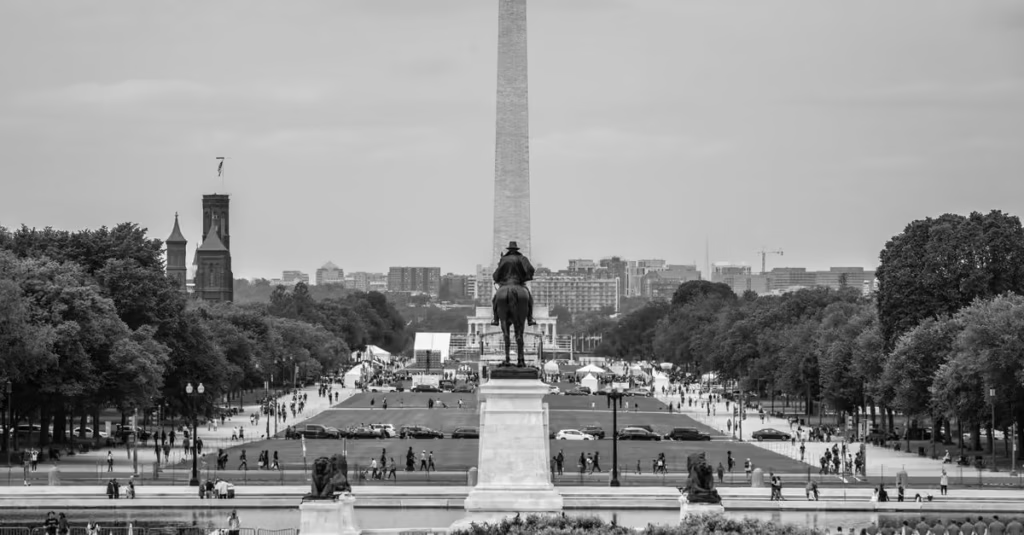
Start with the National Mall and major museums, then move into neighborhoods where cafés, bookstores, restaurants, and local businesses show a less formal side of the capital. The city is best understood through both its grand public spaces and its everyday communities.
History deserves context here. Read beyond the polished language of monuments, visit museums that address different experiences, and allow yourself time to think about what you’re seeing. A guided walking tour can add useful perspective and create an easy social opportunity for solo travelers.
Washington, DC is practical for an independent trip because you can fill several days without needing a car. Wear comfortable shoes, plan your museum days realistically, and leave room for neighborhoods beyond the central landmarks.
7. Hawaii: Island landscapes and Pacific culture
Hawaii is one of the best places to visit in the USA for travelers who want beaches, volcanic landscapes, rainforest, ocean activities, and a strong regional identity. The islands are not interchangeable, so choose one according to the experience you want rather than trying to see several in a rushed trip.
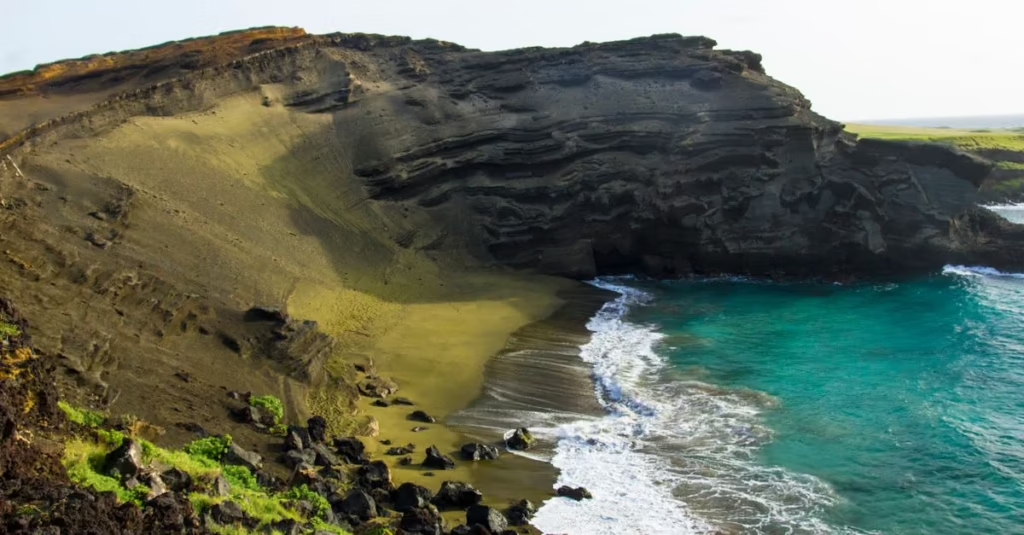
Some islands suit travelers who want developed beach towns and a broad range of activities, while others appeal more to hikers, surfers, or visitors looking for quieter rural landscapes. Research the character of each island and consider how much time you’ll spend driving, transferring, or waiting between activities.
Hawaii is more than scenery. Learn about Native Hawaiian history and culture, support local businesses, and follow guidance around sacred sites and fragile environments. Responsible choices matter in places where water, land, and housing resources are under pressure.
Solo travelers can join snorkeling trips, hikes, cultural activities, and food tours, but ocean conditions deserve respect. Check local guidance before swimming or hiking, and never treat a beautiful setting as proof that conditions are easy.
8. Alaska: Wilderness, mountains, and a different sense of scale
Alaska is one of the best places to visit in the USA for travelers who want mountains, glaciers, forests, coastal communities, and a strong feeling of distance from ordinary routines. It is a destination for people who enjoy outdoor travel and are comfortable planning around weather, transport, and changing conditions.
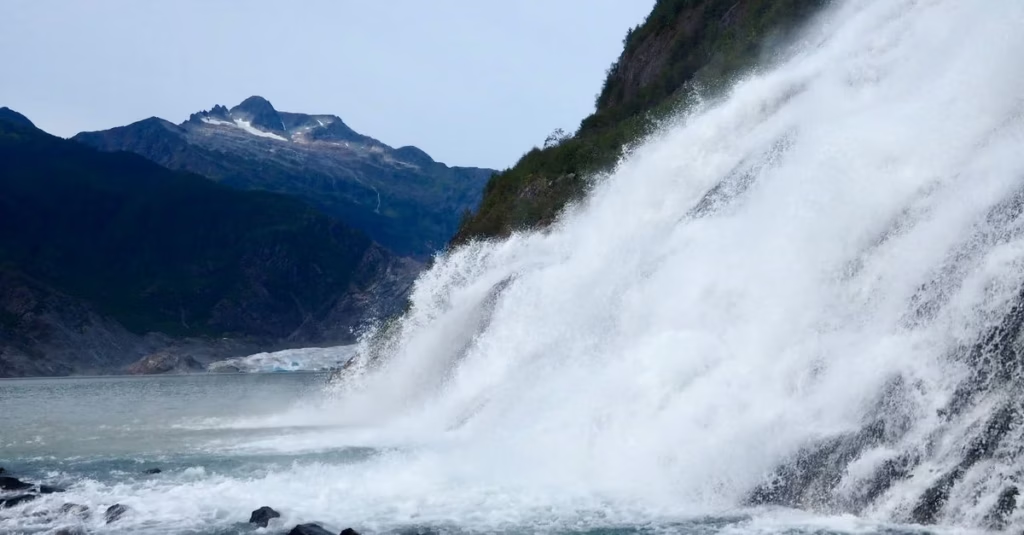
Decide whether your priority is wildlife, hiking, glaciers, coastal scenery, Indigenous culture, or a road trip before choosing your route. Alaska is too large to experience casually in one short visit, and travel between communities can shape the itinerary as much as the attractions themselves.
Bring layers, reliable outdoor gear, and realistic expectations. Weather can affect boats, flights, trails, and wildlife excursions, so keep buffer time wherever possible. A guided activity can be worthwhile when it provides local knowledge and handles complex logistics.
Alaska is rewarding for solo travelers who are prepared, but remote travel calls for extra care. Tell someone your plans, understand the limits of connectivity, and choose hikes or excursions that match your experience rather than your ambitions.
9. Chicago: Architecture, neighborhoods, and serious food
Chicago is one of the best places to visit in the USA for travelers who want impressive architecture, museums, lakefront walks, live music, and a food scene with plenty of personality. It offers the scale and cultural variety of a major American city without requiring you to follow the same itinerary as New York or Los Angeles.
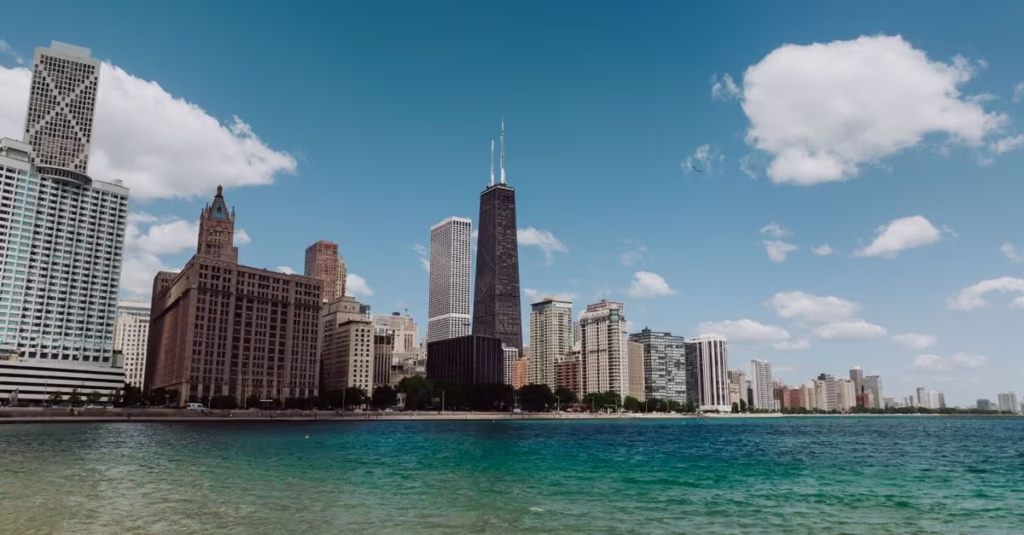
Take an architecture-focused tour, explore neighborhood restaurants, visit museums, and spend time beside the lake. Chicago’s public spaces make it easy to balance indoor culture with long walks, and the city’s neighborhoods each add a different rhythm to a visit.
Food travelers have plenty to explore, from famous local specialties to immigrant cuisines and independent restaurants. Ask residents for recommendations and look beyond the most obvious tourist addresses. A food tour can be useful for solo travelers who want both context and company.
Chicago works well for a long weekend or as part of a wider Midwest route. I’d choose accommodation near the transport and neighborhoods you actually want to explore rather than assuming every attraction is close together.
10. Utah’s national parks: Desert roads and outdoor adventure
Utah’s national parks are among the best places to visit in the USA for travelers who want red-rock landscapes, canyons, arches, natural bridges, and memorable road-trip scenery. The region is ideal for outdoor travelers, but it rewards preparation rather than spontaneity alone.
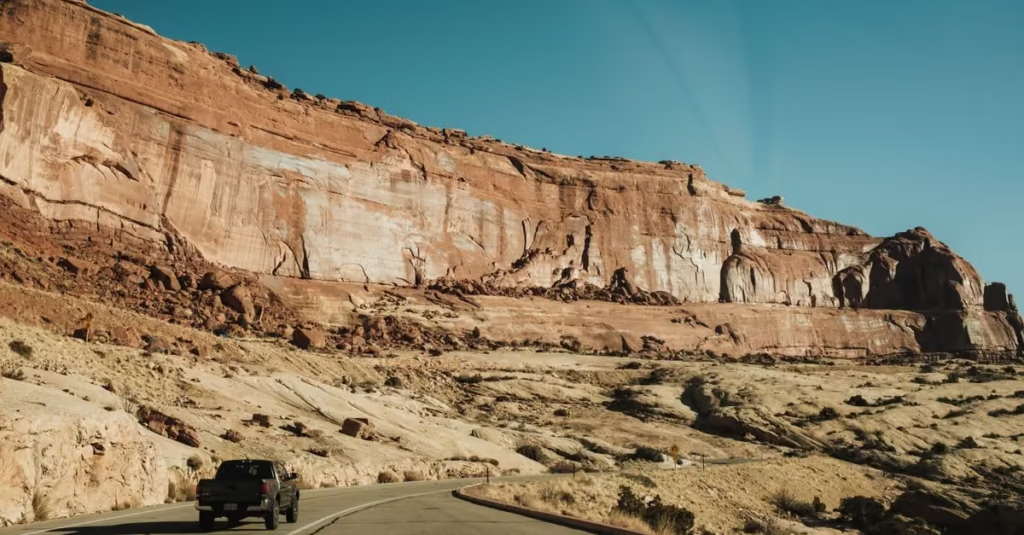
Arches, Zion, Bryce Canyon, Canyonlands, and Capitol Reef each have their own character. You don’t need to visit every park to have a strong trip. Choose one or two, check current access and trail guidance, and give yourself enough time to experience them beyond the main viewpoint.
Heat, sun, water needs, elevation, and uneven trails can shape the day. Start with realistic routes, carry what local guidance recommends, and don’t underestimate the effort required by a trail simply because it looks short on a map.
This region is particularly good for independent travelers who enjoy driving, hiking, and changing plans around light and weather. If you’re traveling without a car, research transport options carefully or consider a reputable small-group trip.
How to build a USA itinerary
A good USA itinerary begins with regional logic. For a first trip, combine one major city with nearby nature rather than trying to connect destinations scattered across the country. New York City can stand alone as a city break, while a Southwest route could focus on the Grand Canyon and Utah’s parks. California works well for a mix of cities, coast, and mountains, provided you leave enough time for driving.
- For city culture: choose New York City, Chicago, New Orleans, or Washington, DC.
- For national parks: focus on Yellowstone, Yosemite, the Grand Canyon, or Utah.
- For beaches and ocean landscapes: compare Hawaii with Alaska’s coastal communities according to the kind of adventure you want.
- For a road trip: select one region and build in time for scenic stops, rest, and weather changes.
- For solo travel: combine an easy city base with a guided outdoor activity.
Transport deserves attention from the beginning. Public transit is useful in major cities, but a car may be necessary for many national parks and rural areas. Check current road conditions, park access, rental requirements, and accommodation locations before committing to a route. Avoid planning a long drive immediately before an important flight or activity.
Practical tips for visiting the USA
Pack for the region rather than relying on one general forecast. The USA includes hot deserts, humid cities, cool mountains, tropical islands, and windy coastal areas. Comfortable walking shoes, layers, sun protection, a reusable water bottle, and a small day bag are useful almost everywhere.
National parks require a different mindset from city sightseeing. Check current official information for access, trail conditions, weather, closures, and visitor rules. Carry out your rubbish, stay on marked trails, and keep wildlife at a respectful distance. The landscape may look open and inviting, but conditions can change quickly.
Food is one of the best ways to understand the country’s regional differences. Try local specialties, immigrant cuisines, farmers’ markets, diners, food trucks, and neighborhood restaurants rather than relying only on national chains. If you have allergies or dietary restrictions, explain them clearly and confirm ingredients.
Solo travel doesn’t have to mean isolation. Hostels, walking tours, cooking classes, music venues, group hikes, and organized excursions create easy opportunities to meet people. At the same time, keep some days quiet. A solo museum visit, a long walk, or a meal at a counter can be exactly the reset you need.
Costs vary widely, so compare the whole trip rather than looking only at accommodation. Transport, parking, park access, food, and activity fees can change the budget significantly. Check current prices and policies for your travel dates before booking, and keep a little room for unexpected costs.
What to do next
Start by choosing your main American experience. Do you want a city filled with food and culture, a desert road trip, mountain trails, tropical beaches, or a quieter journey through smaller communities? Once you know that, select two or three destinations that fit the same region and travel rhythm.
Then check current transport, weather, park access, and accommodation information for your dates. Leave space between major connections, and don’t judge the success of your trip by how many state lines you cross. The USA is at its best when you have time to linger: at a neighborhood café, beside a canyon, on a forest trail, or in conversation with someone who gives you a reason to change your plans.