

Best Places to Visit in Jordan: 10 Top Rated Destinations
The best places to visit in Jordan bring together ancient cities, desert landscapes, warm-water coastlines, dramatic canyons, and some of the most memorable archaeological sites in the Middle East. Jordan is compact enough for an independent trip, yet every region feels distinct. One day might involve wandering through a busy capital, the next exploring Nabataean ruins or sleeping beneath a sky full of stars.
I like the way Jordan rewards travelers who leave room for both major landmarks and slower moments. Petra deserves serious time, but so do the conversations over tea, the roadside views between towns, and the chance to learn how different communities connect with the country’s landscapes. You don’t need to rush from one famous stop to the next to have a rich experience here.
This guide covers ten destinations worth considering, with practical ideas for choosing between them. I’ve included the celebrated highlights, such as Petra and Wadi Rum, alongside places that add nature, history, swimming, hiking, and local culture to a Jordan itinerary.
Table of Contents
How to choose among the best places to visit in Jordan
The best Jordan itinerary depends on the kind of travel day you want. Amman is the natural choice for urban culture, food, museums, and a lively introduction to the country. Petra is essential for travelers drawn to archaeology and dramatic historic landscapes, while Wadi Rum is the place to choose for desert scenery, outdoor activities, and a night away from city lights.
Travelers interested in history can add Jerash and Madaba, while nature lovers should look closely at Dana, Wadi Mujib, and Ajloun. The Dead Sea suits a slower day focused on floating, views, and rest, and Aqaba brings a different mood with Red Sea coast, water activities, and easy opportunities to spend time outdoors.
Jordan also works well for solo travelers. Shared tours, hostels, guided walks, desert camps, cooking experiences, and canyon excursions create natural opportunities to meet people. At the same time, you can build quiet days around a café, a viewpoint, an archaeological site, or a long meal. I’d avoid trying to see everything in one short visit. A route with fewer bases usually leaves more time for the places that make you curious.
10 top-rated destinations in Jordan
1. Amman: Jordan’s energetic starting point
Amman is one of the best places to visit in Jordan if you want food, history, neighborhood wandering, and a practical base for exploring the country. Built across a series of hills, the capital has a layered character: ancient ruins and traditional markets sit alongside cafés, galleries, restaurants, and modern streets.
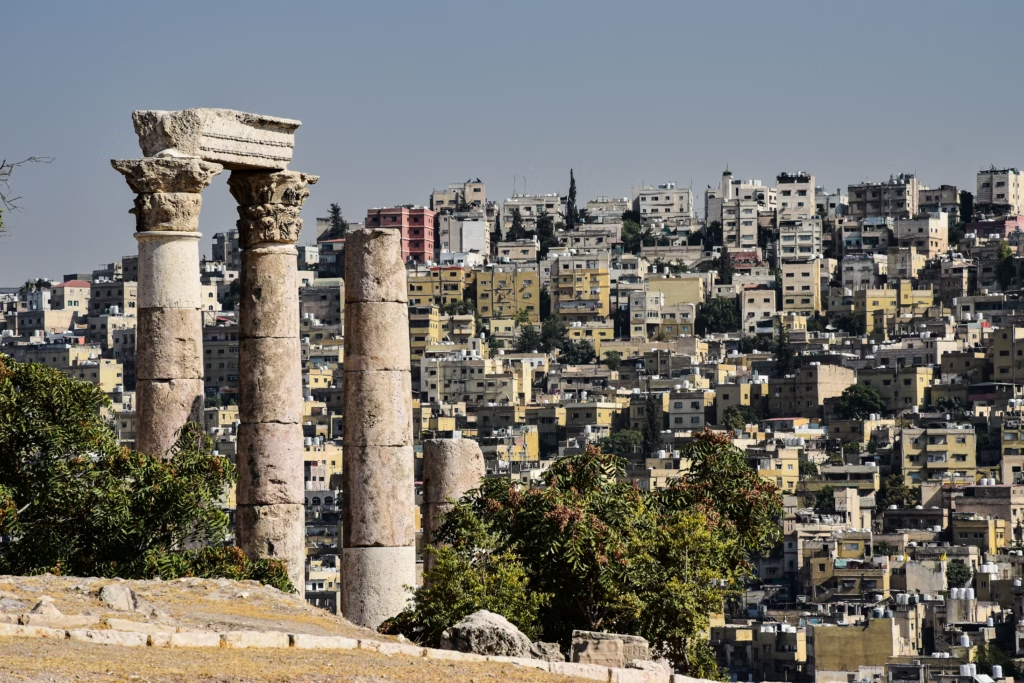
Start with the historic center and allow yourself time to explore beyond a short list of landmarks. The Citadel gives you a sense of the city’s long history and its elevated setting, while the Roman Theatre connects the archaeological center with the busy streets below. After sightseeing, wander through downtown shops and restaurants, or settle into a café and watch the city move around you.
Food should be central to your Amman plans. Look for hummus, falafel, grilled dishes, pastries, fresh juices, and meals designed for sharing. A food walk or cooking activity can be a useful way to understand local ingredients while meeting other travelers. If you’re traveling alone, these shared experiences can make the capital feel more welcoming without requiring you to join a party-focused itinerary.
Amman can feel hilly and busy, so wear comfortable shoes and leave extra energy for moving between neighborhoods. I’d spend more than one rushed night here if you want to understand the city rather than using it only as an arrival point. It also makes a good base for day trips to Jerash, Ajloun, and Madaba, provided you check current transport and access arrangements before setting out.
2. Petra: Jordan’s archaeological centerpiece
Petra is one of the best places to visit in Jordan for travelers interested in archaeology, architecture, and dramatic natural settings. The ancient Nabataean city is reached through a narrow passage before opening into a landscape of carved façades, tombs, temples, trails, and sandstone cliffs.
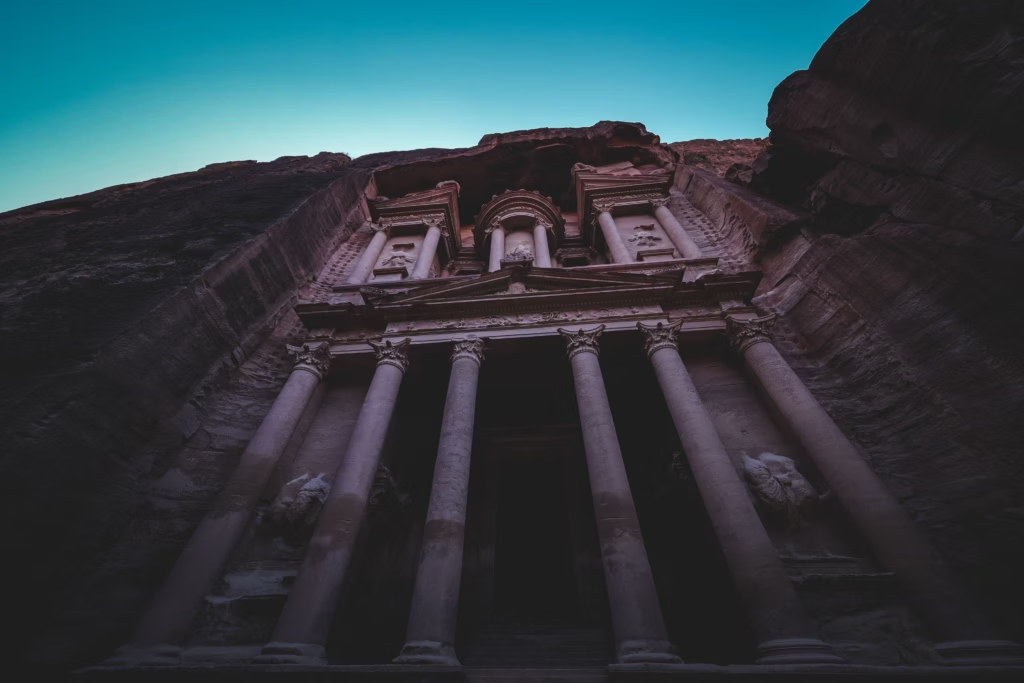
The Treasury is the image most visitors recognize, but it is only one part of Petra. Give yourself time to continue beyond the first viewpoint and explore the wider site. The ancient theater, Royal Tombs, colonnaded street, monastery route, and high viewpoints each offer a different perspective on the city. The scale becomes clearer when you stop treating Petra as a single monument and start seeing it as a whole landscape shaped by people, water, trade, and stone.
Good footwear matters. You’ll be walking over uneven ground, steps, and exposed paths, and the experience is much better when you’re not distracted by sore feet. Carry water, sun protection, and a layer for changing conditions. Check official information for current access, trail arrangements, conservation work, and guidance before your visit because conditions can change.
Petra suits independent travelers, history lovers, photographers, and curious first-time visitors, but it rewards patience more than speed. I’d plan enough time for a full day of exploration and consider staying in the nearby town so you’re not forced into a rushed visit. A local guide can add context to the ruins and help you notice details that are easy to miss when walking alone.
3. Wadi Rum: Desert landscapes and Bedouin hospitality
Wadi Rum is one of the best places to visit in Jordan for travelers who want open desert scenery, sandstone mountains, and a night away from the rhythm of cities. The landscape is broad and quiet, with changing colors, rock formations, valleys, and wide horizons that make the journey feel larger than the map suggests.
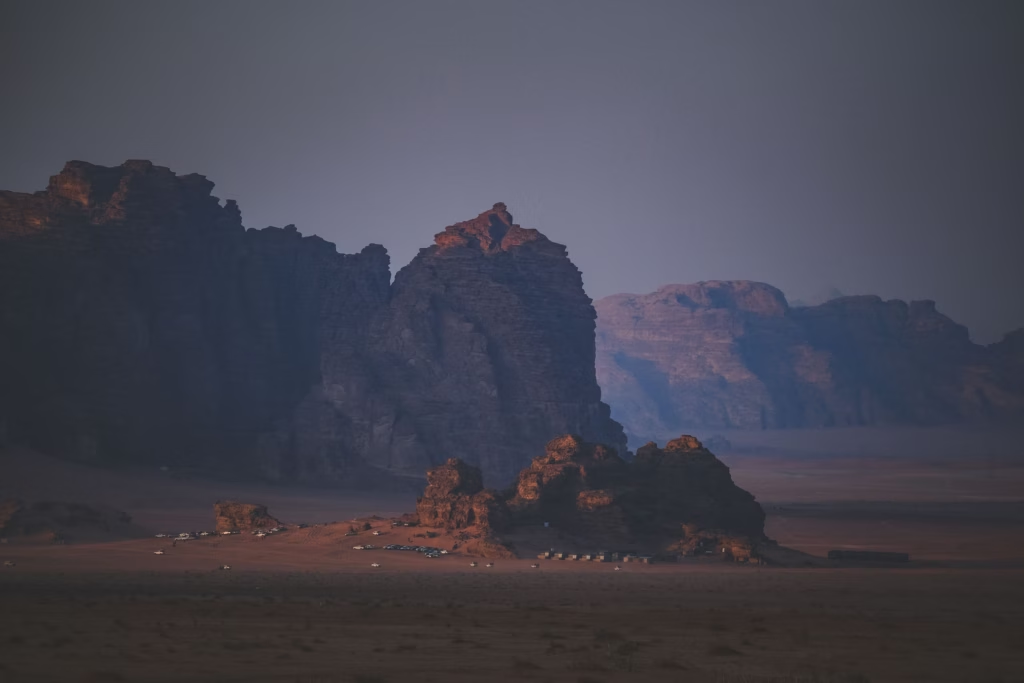
Most visitors explore with a local guide or camp provider, often combining a desert drive with walking, climbing, sunset views, or a night in a traditional-style camp. Before booking, ask what the experience includes, how long you’ll spend moving through the desert, what kind of accommodation is provided, and whether meals and transport are part of the arrangement. Comparing the itinerary is more useful than comparing only the headline price.
The desert can be hot in direct sun and surprisingly cool after dark, so pack layers, sun protection, and a reusable water bottle. Keep your belongings secure during vehicle transfers and follow guidance from your local hosts. Responsible travel also means respecting the desert environment, avoiding litter, and treating Bedouin culture as a living community rather than a performance arranged only for visitors.
Wadi Rum is especially appealing to solo travelers because shared camps and guided excursions create easy social opportunities. It also makes a strong contrast with Petra: Petra is concentrated and archaeological, while Wadi Rum is spacious and shaped by natural scenery. Combining the two gives a Jordan trip a satisfying change of pace.
4. The Dead Sea: A slow day beside unusually buoyant water
The Dead Sea is one of the best places to visit in Jordan when you want rest, striking landscapes, and a slower break between active sightseeing days. The shoreline sits in a dramatic low-lying landscape, with dry hills and wide water views creating a setting unlike the country’s inland cities.
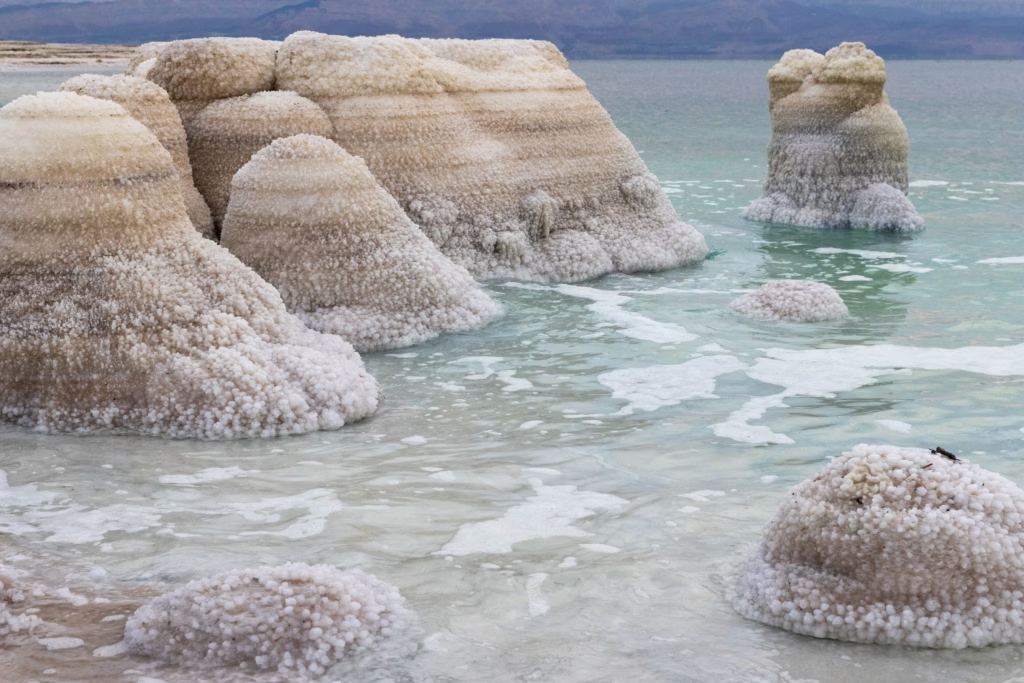
Most travelers come for the floating experience, but the surrounding scenery deserves attention too. Give yourself time to look across the water, watch the colors change on the hills, and enjoy a quiet meal or rest period. Follow local instructions around entering the water, protect your eyes and any cuts, and rinse thoroughly afterward. The high salt content can be uncomfortable if you treat the experience like an ordinary swim.
The Dead Sea is not the place I’d choose for a packed schedule of attractions. It works better as a recovery stop after Petra or Wadi Rum, particularly if you’ve been walking in the heat. Accommodation choices range from resort-style stays to options in nearby areas, so compare locations carefully and check current facilities before booking.
Independent travelers can visit as part of a wider road trip or arrange transport from another Jordanian base. Because transport options and access arrangements may change, verify the practical details for your travel dates. A little planning helps you spend more time enjoying the landscape and less time solving logistics.
5. Jerash: Roman history beyond the capital
Jerash is one of the best places to visit in Jordan for travelers who want to explore a remarkably extensive Roman-era city. Colonnaded streets, plazas, theaters, temples, and monumental gateways spread across an archaeological landscape that makes it easier to imagine how the city once functioned.
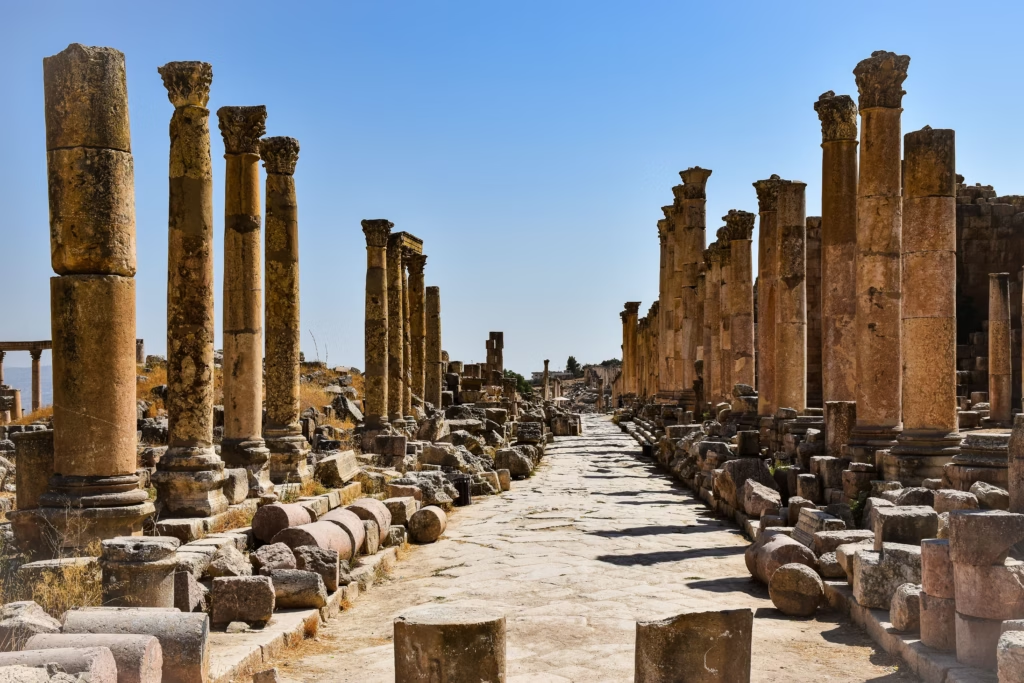
What I find most rewarding about Jerash is the sense of movement through space. Rather than seeing one isolated ruin, you can follow streets and notice how the architecture changes from one part of the site to another. Look closely at the stonework, columns, paving, and traces of later use. The details help turn a collection of ruins into a place with layers of human activity.
Jerash is often visited from Amman, but don’t underestimate the value of giving the site enough time. Wear comfortable shoes, bring water, and prepare for sun exposure. Check current information before visiting because access routes, conservation work, and visitor arrangements can change.
History-focused travelers can combine Jerash with Amman and Madaba, while those with more time might add Ajloun for a greener northern contrast. The region is also useful for solo travelers who prefer an organized day trip, since shared excursions can make transport simpler and create opportunities to meet other visitors.
6. Aqaba: Red Sea coast and an outdoor change of pace
Aqaba is one of the best places to visit in Jordan for travelers who want sea views, warm-weather downtime, and water-based activities. Set on the Red Sea, the city offers a different atmosphere from the country’s archaeological and desert destinations.
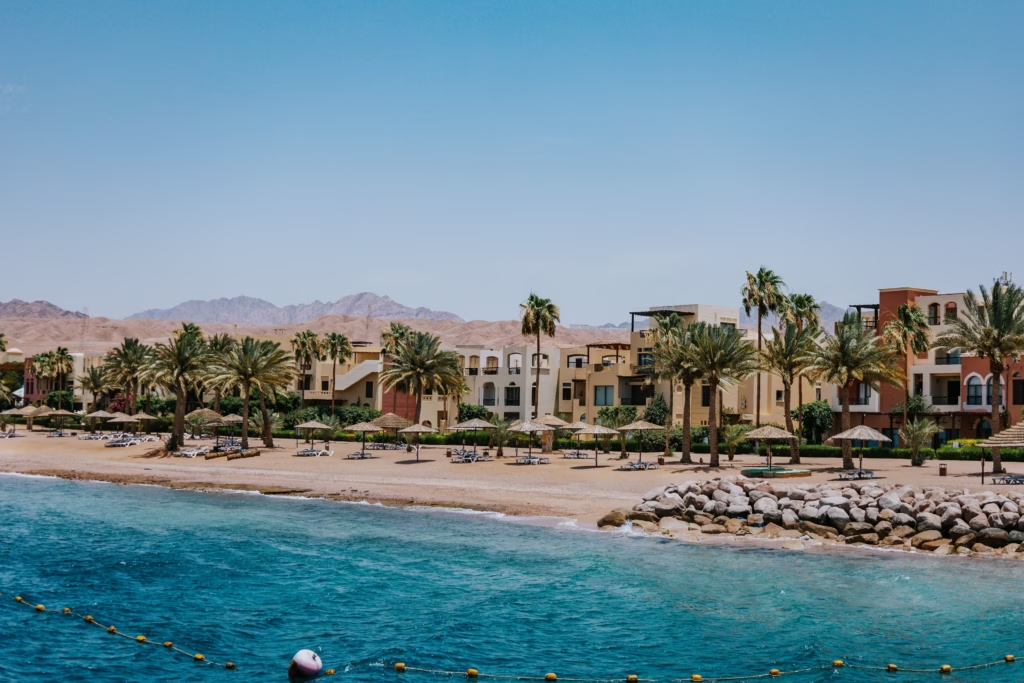
You can build a relaxed itinerary around swimming, snorkeling, diving, boat outings, waterfront meals, and walks through the city. If you’re arranging a water activity, compare providers carefully and ask about equipment, instructor qualifications, group size, weather procedures, and what happens if conditions change. Good planning matters more than finding the cheapest option.
Aqaba also has its own local life beyond the coast. Try seafood and regional dishes, explore markets, and give yourself time away from the most visitor-focused areas. The city can work as a social base for solo travelers because group excursions and shared activities make conversation easy, while quiet beach time remains available when you want it.
Aqaba is a natural addition to an itinerary that already includes Petra and Wadi Rum, but leave room between long transfers and boat-based activities. Check current transport and marine conditions before relying on a tight connection. The best coastal days are flexible, especially when weather affects the water.
7. Madaba: Mosaics, churches, and a compact cultural stop
Madaba is one of the best places to visit in Jordan for travelers interested in religious history, mosaics, and a smaller city atmosphere. The town is known for its historic churches and detailed mosaic traditions, which make it a rewarding stop for visitors who enjoy looking closely rather than rushing between large monuments.

Spend time examining the mosaics and learning about the communities and artistic traditions connected with them. Madaba is compact enough for a gentle walking day, with cafés and local restaurants providing natural pauses between cultural visits. Ask permission before photographing people and follow any restrictions inside religious buildings.
The town works well as part of a route between Amman and the Dead Sea, although you should check current transport options and site access before setting out. It can also be paired with nearby viewpoints and religiously significant locations, depending on your interests and the time available.
Madaba suits travelers who want a less intense stop after the capital. It is particularly appealing to solo travelers interested in architecture, craft, and local history because the town is manageable without needing an elaborate schedule. I’d treat it as a place to observe and ask questions, not simply a quick photograph beside a famous floor.
8. Dana Nature Reserve: Jordan’s strongest choice for hiking
Dana Nature Reserve is one of the best places to visit in Jordan for travelers who want hiking, changing landscapes, and time in a more rural setting. The reserve brings together rocky terrain, valleys, villages, and varied plant and animal life across a broad landscape.
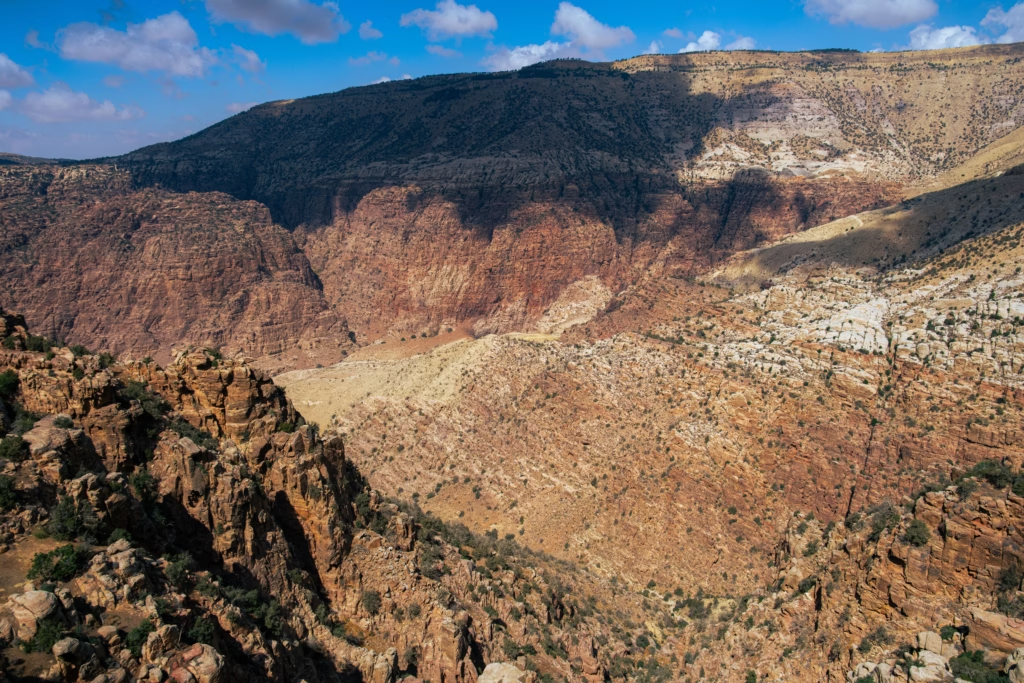
Choose your walks according to your fitness, available time, the season, and current trail information. Some routes are suitable for shorter outings, while others require more preparation or a local guide. Don’t estimate difficulty from photographs alone. Ask accommodation staff or local operators about the conditions before setting out, particularly if weather has recently changed.
Pack water, sun protection, sturdy footwear, layers, and a charged phone or reliable navigation information. If you’re hiking alone, tell someone your route and expected return. You don’t need to turn every walk into a difficult challenge; a slower trail with time to notice the landscape can be more rewarding than an ambitious plan that leaves you exhausted.
Dana is a strong choice for independent travelers who want to experience a different side of Jordan. Staying in or near a local community can also create more meaningful interactions than moving constantly between major attractions. Look for accommodation and guides that support local livelihoods and respect the reserve’s environmental priorities.
9. Wadi Mujib: Canyon adventures beside the Dead Sea
Wadi Mujib is one of the best places to visit in Jordan for travelers who want an active canyon experience. The dramatic landscape allows visitors to combine water, rock, and physical movement in a way that feels completely different from Petra’s archaeological trails or Wadi Rum’s open desert.
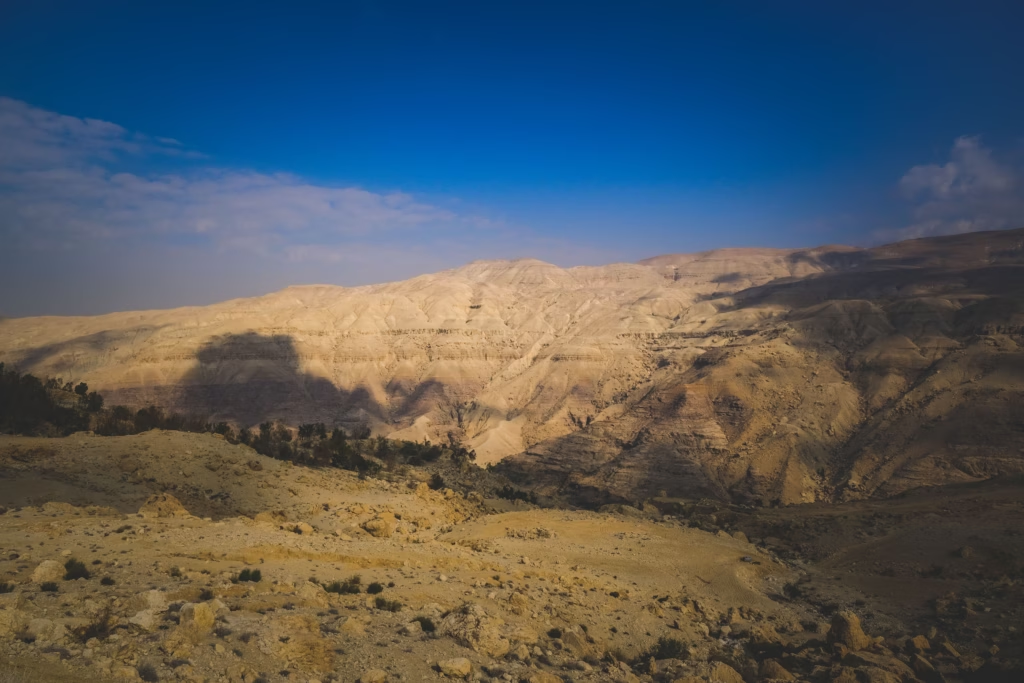
Before planning a canyon route, check current access, seasonal operation, weather, water levels, age or ability requirements, and equipment guidance. Canyon conditions can change quickly, and a route that looks manageable online may not suit every traveler. Follow local instructions and do not continue if conditions exceed your experience or comfort level.
Wear clothing and footwear appropriate for water and uneven rock, and protect anything electronic in a genuinely waterproof container. Leave valuables behind when possible. If you’re traveling alone, joining an organized group may be a practical way to manage the activity and meet other travelers.
Wadi Mujib fits naturally with a Dead Sea stay, but avoid booking the most demanding activity immediately before a long transfer. Give yourself time to recover, dry out, and enjoy the surrounding landscape. Adventure travel is more enjoyable when you leave a little margin for changing conditions.
10. Ajloun: Forested hills and northern Jordan
Ajloun is one of the best places to visit in Jordan for travelers who want green hills, a historic castle, and a slower northern experience. The region provides a useful contrast to the dry landscapes associated with Petra, Wadi Rum, and the Dead Sea.
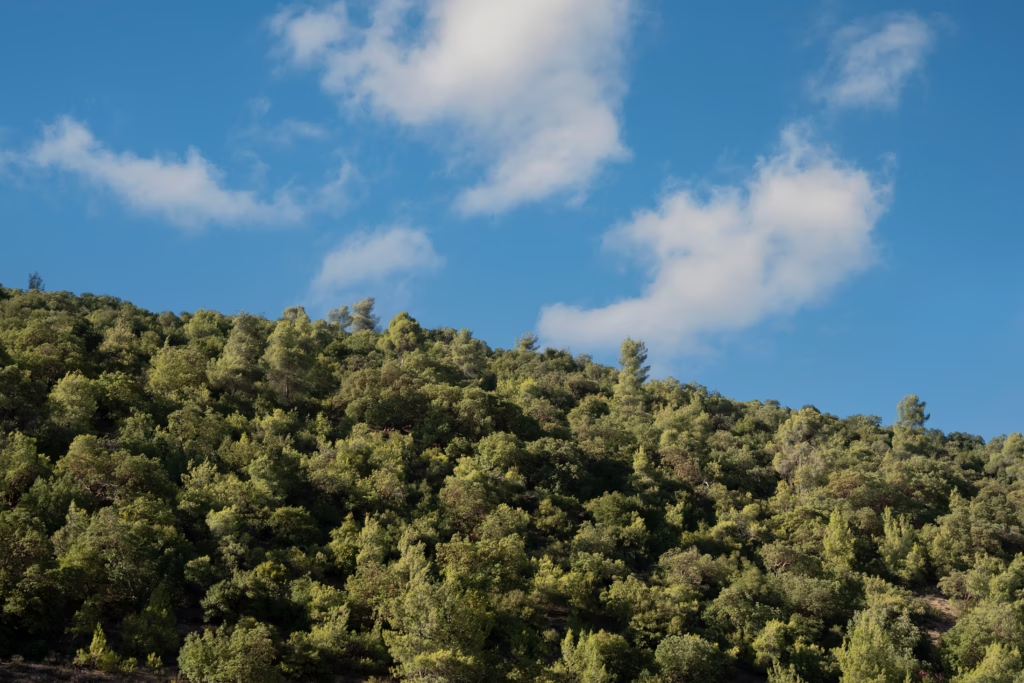
Explore the castle and surrounding countryside, then allow time for local food, village scenery, and walks through the hills. The area is a good reminder that Jordan’s landscapes are more varied than many first-time visitors expect. In the right season, the northern countryside can feel especially different from the desert south, so check conditions for your travel year rather than relying on a generic seasonal description.
Ajloun is easiest to include when you’re already spending time around Amman or Jerash. Transport may require more planning than a major tourist center, so check current routes or arrange a reputable local driver if necessary. If you prefer independent travel, use the slower logistics as a reason to spend more time in the area rather than forcing it into a few hours.
Solo travelers who enjoy quieter destinations may appreciate Ajloun’s pace. A local guide or community-based experience can add useful context about the landscape, food, and history while supporting people who live in the region.
How to build a Jordan itinerary
A good Jordan itinerary combines one city base, one major historic site, one desert or nature destination, and time near water. For a first trip, Amman, Petra, Wadi Rum, and the Dead Sea create a strong foundation. Add Jerash or Madaba for more history, Aqaba for the Red Sea, and Dana or Wadi Mujib if outdoor activities are central to your plans.
- For history and archaeology: combine Amman, Jerash, Madaba, and Petra.
- For desert landscapes: choose Petra and Wadi Rum, allowing enough time for overland travel.
- For hiking and adventure: compare Dana Nature Reserve and Wadi Mujib with your fitness and the current conditions.
- For rest and water: add the Dead Sea or Aqaba rather than filling every day with ruins.
- For a slower northern route: consider Amman, Jerash, Ajloun, and Madaba.
Transport should shape your plan from the beginning. Check current road conditions, public transport, guided excursion options, site access, and seasonal arrangements before booking. Jordan is much easier to enjoy when you avoid unnecessary backtracking. I’d rather spend an extra night in Petra or Wadi Rum than turn the trip into a sequence of exhausting transfers.
If you’re comparing Jordan with other destinations, our guides to the best places to visit in Morocco, the best places to visit in Croatia, the best places to visit in Argentina, and the best places to visit in Thailand offer more ideas for building trips around regional contrasts.
Practical tips for visiting Jordan
Pack for heat, sun, uneven paths, cool evenings, and changing landscapes. Comfortable walking shoes, a light layer, sun protection, a reusable water bottle, and a small day bag are useful across the country. For desert and hiking trips, take layers and footwear seriously rather than relying on casual city clothes.
Dress respectfully, particularly when visiting religious sites and smaller communities. Lightweight clothing that covers shoulders and knees is a practical choice in many settings, and a scarf can be useful for sun protection and cultural sensitivity. Always follow local guidance at religious buildings, archaeological sites, and protected areas.
Food is one of the easiest ways to connect with Jordan. Try falafel, hummus, flatbreads, grilled dishes, rice-based meals, sweets, tea, and regional specialties. If you have allergies or dietary restrictions, explain them clearly and confirm ingredients rather than assuming a dish is suitable.
Check current information before every outdoor activity. Trail access, weather, water levels, road conditions, entry arrangements, and transport schedules can change. Use reputable guides for canyoning, desert excursions, diving, and demanding hikes, and don’t let another traveler’s confidence push you into something beyond your preparation.
Solo travel can be social without being exhausting. Hostels, group tours, cooking classes, desert camps, walking tours, and shared transfers offer easy ways to meet people. At the same time, it’s perfectly reasonable to keep some mornings quiet. A solo breakfast, a slow walk through an old city, or an unplanned conversation with a local can become one of the most meaningful parts of the trip.
What to do next
Start by choosing your main Jordan experience. If you’re drawn to ancient history, build around Petra, Jerash, Madaba, and Amman. If desert scenery is the priority, pair Petra with Wadi Rum. For a more active trip, look at Dana and Wadi Mujib, while the Dead Sea and Aqaba offer space to slow down beside the water.
Once you’ve chosen two or three anchors, check current transport, access, weather, and activity information for your travel dates. Then leave some room between major plans. Jordan is at its best when you have time to look up from the itinerary: to share tea, linger over a meal, follow a local recommendation, or stay a little longer in a place that feels worth discovering.






One Comment