
Best Places to Visit in Thailand: 10 Amazing Destinations
The best places to visit in Thailand are spread across a country with a remarkable range of experiences: busy city streets, ancient temples, jungle-covered hills, quiet islands, limestone cliffs, and beaches that invite you to slow down. That variety is exciting, but it can make your first itinerary feel impossible to choose.
I’d start by deciding what kind of trip you want. Thailand can be a social backpacking destination, a food-focused city break, a cultural journey, an island escape, or an outdoor adventure. You don’t need to see every famous place to have a rewarding trip. In fact, choosing three or four bases and giving yourself time to settle in usually creates a better experience than rushing across the country.
This guide introduces ten destinations with distinct personalities. Some are classic stops, while others are especially appealing if you want more time outdoors or a slower connection with local life. I’ve also included practical ways to combine them, so you can turn inspiration into a realistic route.
Table of Contents
How to choose among the best places to visit in Thailand
The best Thai destination for you depends on the rhythm you want from your trip. Bangkok is the obvious choice for food, neighborhoods, markets, museums, and major temples. Chiang Mai and Pai are better suited to travelers who want northern culture and mountain scenery, while Ayutthaya and Kanchanaburi add history and landscapes within easier reach of the capital.
For beaches, you’ll need to choose between different coastal regions rather than assuming all islands feel the same. Phuket offers the widest range of transport, accommodation, and activities. Krabi brings dramatic limestone scenery and access to several coastal communities. Koh Samui works well for a comfortable island base, while Koh Tao is especially popular with travelers drawn to snorkeling, diving, and a social atmosphere.
Thailand is also a good country for solo travel. Hostels, group excursions, cooking classes, walking tours, and shared transfers create natural opportunities to meet people, but you can still build quiet days around cafés, temples, beaches, and independent wandering. I’d leave a little space in your plan for recommendations you hear after arriving. The most interesting stop isn’t always the one you expected to love.
10 amazing destinations in Thailand
1. Bangkok: Thailand’s energetic starting point
Bangkok is one of the best places to visit in Thailand if you want a concentrated introduction to the country’s food, history, temples, shopping, and modern city life. It can feel intense when you first arrive, but that energy is part of its appeal. Give yourself time to adjust rather than trying to see every major attraction immediately.
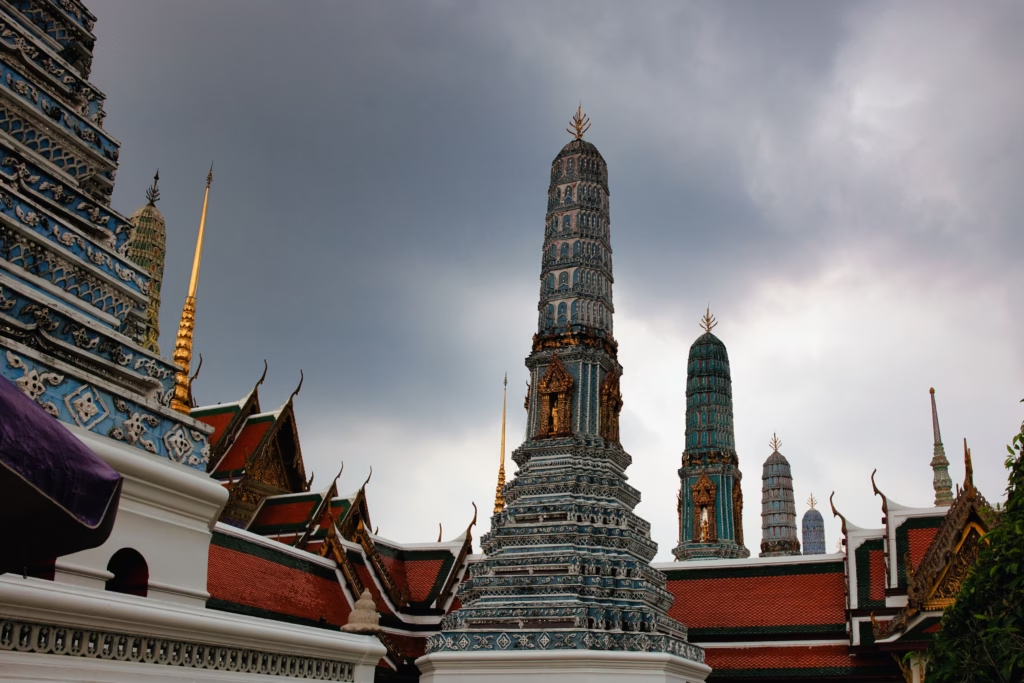
Begin with the historic riverside areas and major temple complexes, then make time for neighborhoods where daily life is less polished for visitors. Bangkok rewards travelers who wander without treating every street as a route between landmarks. Look for small restaurants, local markets, independent cafés, and canalside areas that show a different side of the city.
Food should be central to your time here. Try familiar Thai dishes, but also pay attention to regional specialties and casual places busy with local diners. A food tour or cooking class can be a useful way to understand ingredients and techniques while meeting other travelers.
Bangkok is a strong choice for solo travelers because you can structure each day independently while still finding plenty of social activities. It’s also a practical arrival point for a longer route. I’d spend enough time here to move beyond the first impressions; Bangkok often becomes more enjoyable once the noise and scale begin to feel familiar.
2. Chiang Mai: Temples, food, and northern culture
Chiang Mai is one of the best places to visit in Thailand for travelers who want a calmer city base with historic temples, creative spaces, local food, and access to northern landscapes. The old city is easy to explore at a gentle pace, but the surrounding area gives you plenty of reasons to stay longer.
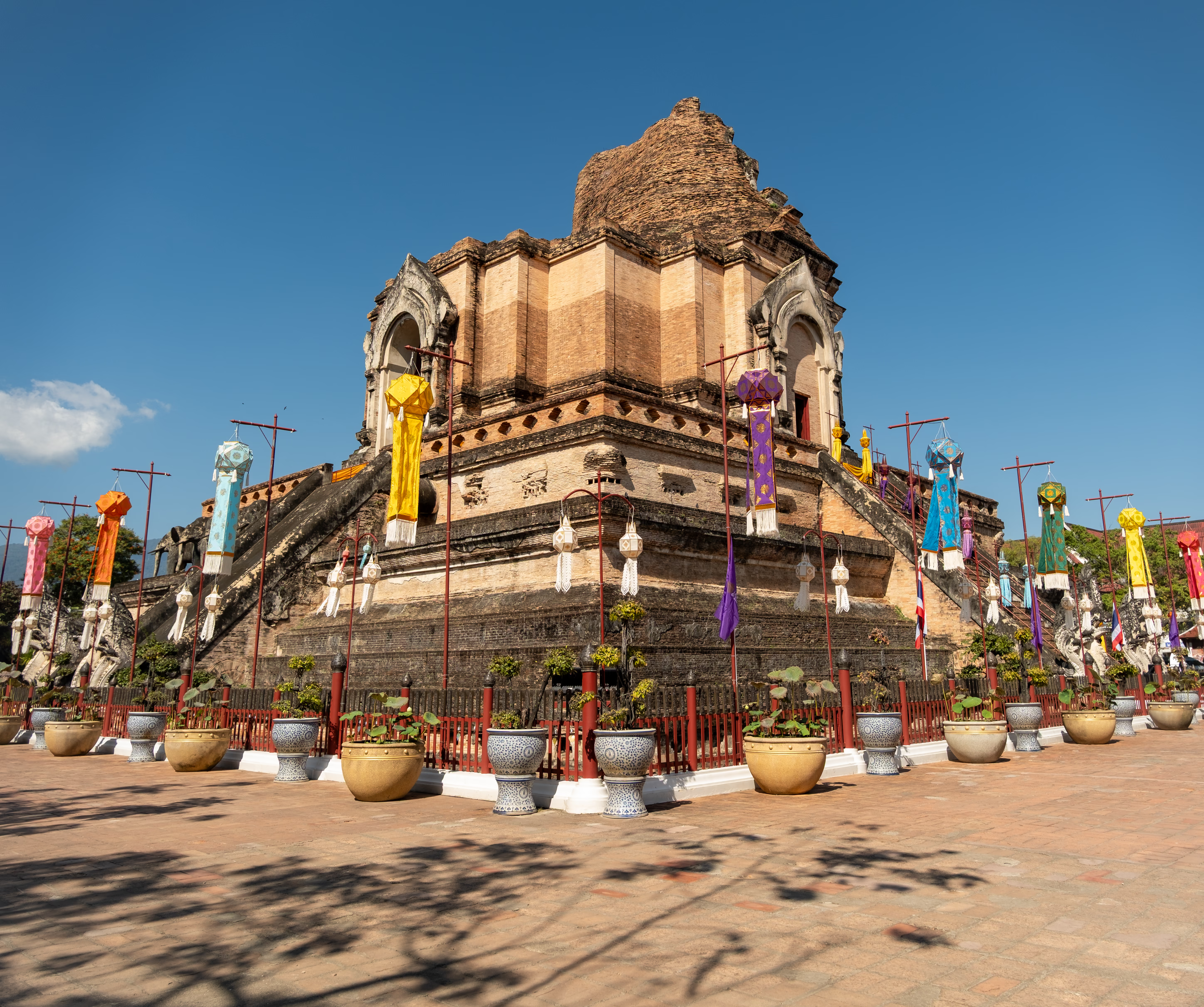
Spend time visiting temples, walking through markets, and trying northern dishes that differ from the food commonly served in the country’s beach destinations. Chiang Mai’s cafés and small creative businesses make it easy to build an unhurried afternoon around a meal, a book, or a conversation with another traveler.
Outside the city, you can arrange nature-focused excursions, cultural activities, and visits to mountain communities. Choose operators carefully and look for experiences that treat local communities and animals with respect. Avoid activities that rely on handling wildlife or presenting local culture as a quick performance for visitors.
Chiang Mai suits first-time visitors, solo travelers, digital nomads, and anyone who prefers a destination with many options but less pressure than Bangkok. It also works as a northern base before continuing to Pai or other mountain areas.
3. Pai: A relaxed mountain stop
Pai is one of the best places to visit in Thailand for travelers who want a smaller town, mountain scenery, relaxed cafés, and a sociable backpacker atmosphere. It has become well known, but its appeal remains connected to the pleasure of slowing down and exploring the surrounding countryside.
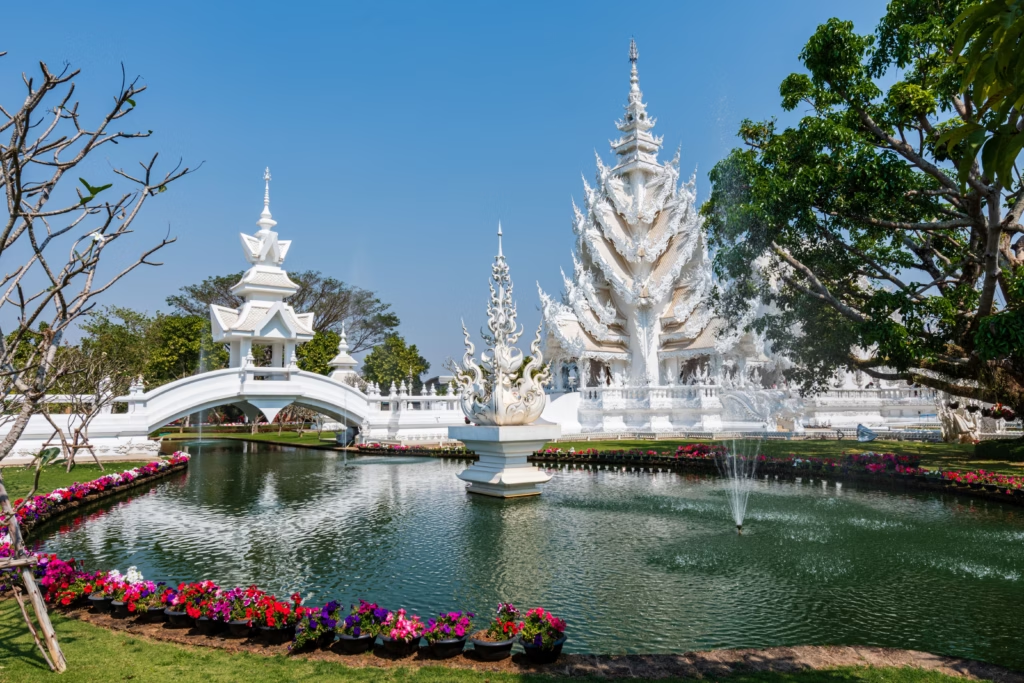
The town is compact enough for easy wandering, while renting transport or joining an organized excursion can open up viewpoints, waterfalls, rural roads, and nearby natural attractions. If you’re not experienced on a motorbike, don’t feel pressured to ride one simply because other travelers do. Walking, hiring local transport, or joining a group can be better choices.
Pai works particularly well for solo travelers because shared accommodation and casual evening spots make conversation easy. At the same time, it’s possible to find quieter corners if you stay slightly away from the busiest streets. I’d avoid filling every day with activities. The destination’s appeal is partly in having nowhere urgent to be.
Travel between northern destinations can be winding and tiring, so build some recovery time into your route. Pai is most enjoyable when you arrive with enough time to stay a few nights rather than treating it as a rushed detour.
4. Ayutthaya: Ancient ruins near the capital
Ayutthaya is one of the best places to visit in Thailand for travelers interested in history, architecture, and the remains of an important former capital. Its temple ruins are spread across a broader landscape than a single compact historic center, which makes the visit feel different from exploring Bangkok’s major temples.
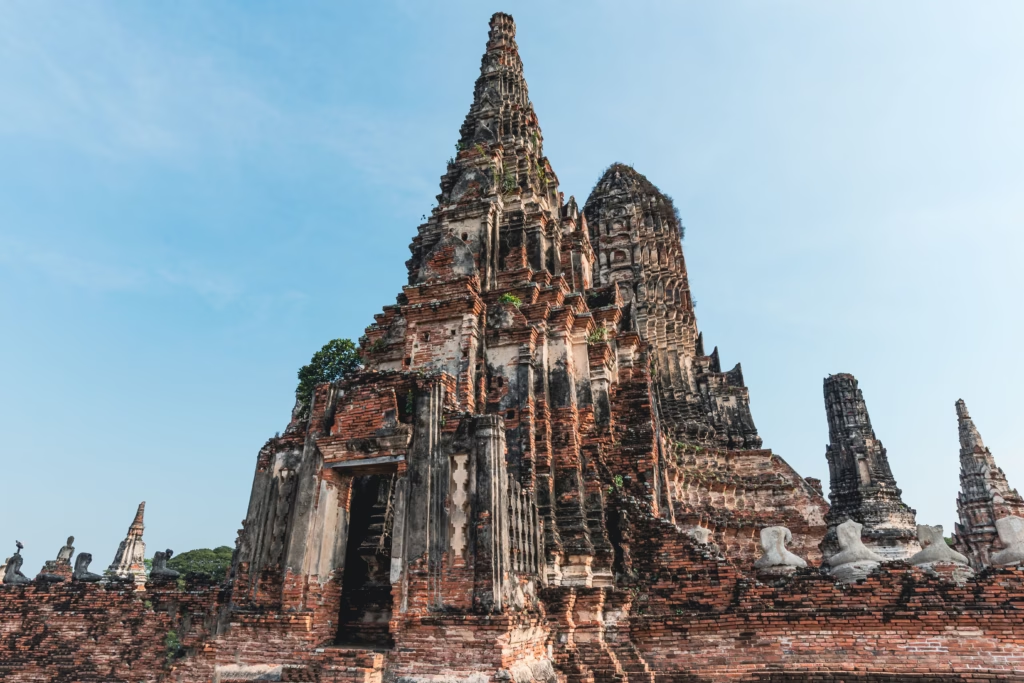
You can spend the day moving between brick stupas, ruined halls, Buddha images, and quiet paths. A bicycle can be a practical way to explore if the weather and your comfort level suit it, although walking or arranging local transport may be more enjoyable for travelers who prefer not to cycle in traffic or heat.
Ayutthaya is often visited as a short trip from Bangkok, but staying overnight can change the experience. Once the busiest part of the day passes, the ruins can feel more spacious and atmospheric. If you’re interested in photography, history, or slower travel, give yourself more time than the standard quick stop.
Bring water, sun protection, and comfortable footwear. The sites are outdoors, and heat can make a packed sightseeing plan exhausting. Check current information before visiting specific monuments, since access arrangements and conservation work can change.
5. Kanchanaburi: Rivers, history, and green landscapes
Kanchanaburi is one of the best places to visit in Thailand for travelers who want a combination of wartime history, rivers, waterfalls, and access to greener landscapes. It offers a different experience from Bangkok while remaining a practical addition to a central Thailand itinerary.
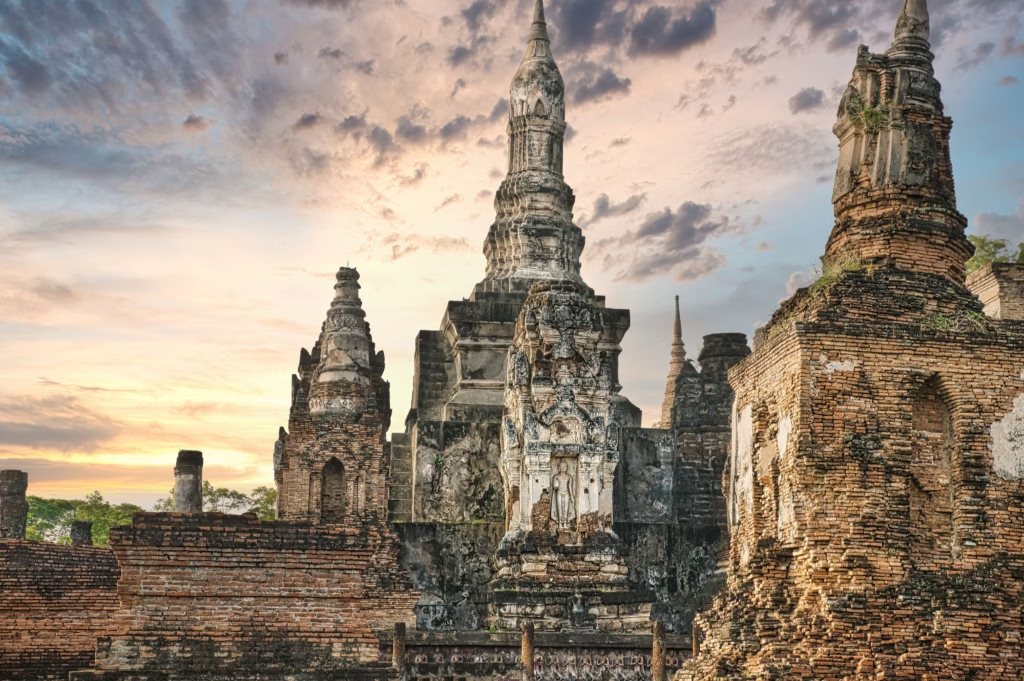
History is an important part of the destination, and museums, memorials, and railway-related sites can help visitors understand the region’s difficult past. Approach these places with attention and respect rather than treating them as background for photographs.
The surrounding area adds an outdoor dimension. You can plan time around national park landscapes, waterfalls, river activities, or stays outside the central town. Ask local providers about current conditions before arranging activities, particularly if your plans depend on weather or water levels.
Kanchanaburi suits travelers who want a few days that feel varied. It can also be a good alternative to adding another beach destination when you’d rather mix history and nature. Solo travelers may find organized excursions useful for reaching sites beyond town and meeting other visitors.
6. Phuket: A flexible southern base
Phuket is one of the best places to visit in Thailand if you want a southern base with extensive accommodation, beaches, restaurants, excursions, and transport connections. The island is not one uniform resort, so choosing the right area matters as much as choosing Phuket itself.
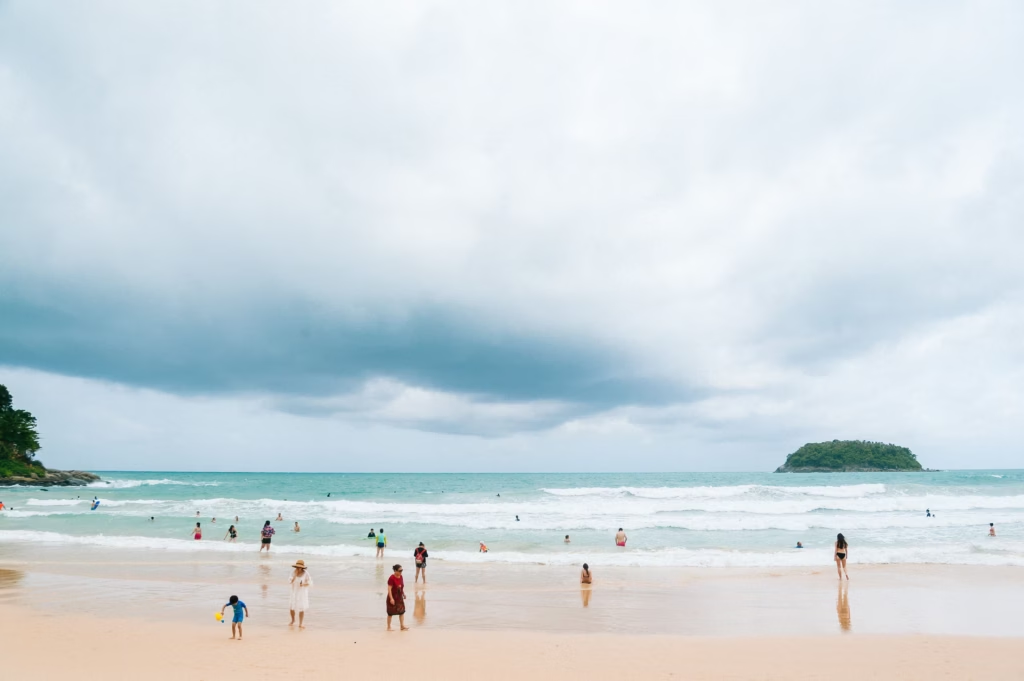
Some parts of the island are busy and entertainment-focused, while others feel more residential or relaxed. Look beyond the beach strip and make time for Phuket Old Town, local food, viewpoints, and quieter coastal areas. You’ll get more from the island if you treat it as a place with its own culture rather than only as a departure point for boat trips.
Phuket works for many travel styles, but it may not suit everyone. Travelers looking for a small-island atmosphere could find it too developed, while people who want convenience may appreciate the wide range of choices. Compare accommodation locations carefully; a low room rate may not be useful if you spend much of your budget and time moving around the island.
Use Phuket as a base for exploring nearby islands or coastal areas, but don’t book every excursion in advance. Leaving open days gives you flexibility when the weather changes or you discover that a quieter beach day is more appealing than another organized tour.
7. Krabi and Railay: Limestone cliffs and coastal adventure
Krabi and Railay are among the best places to visit in Thailand for travelers drawn to limestone cliffs, beaches, rock climbing, sea kayaking, and dramatic coastal scenery. The landscape is the main attraction, but the area also offers enough restaurants and accommodation choices to support independent travel.
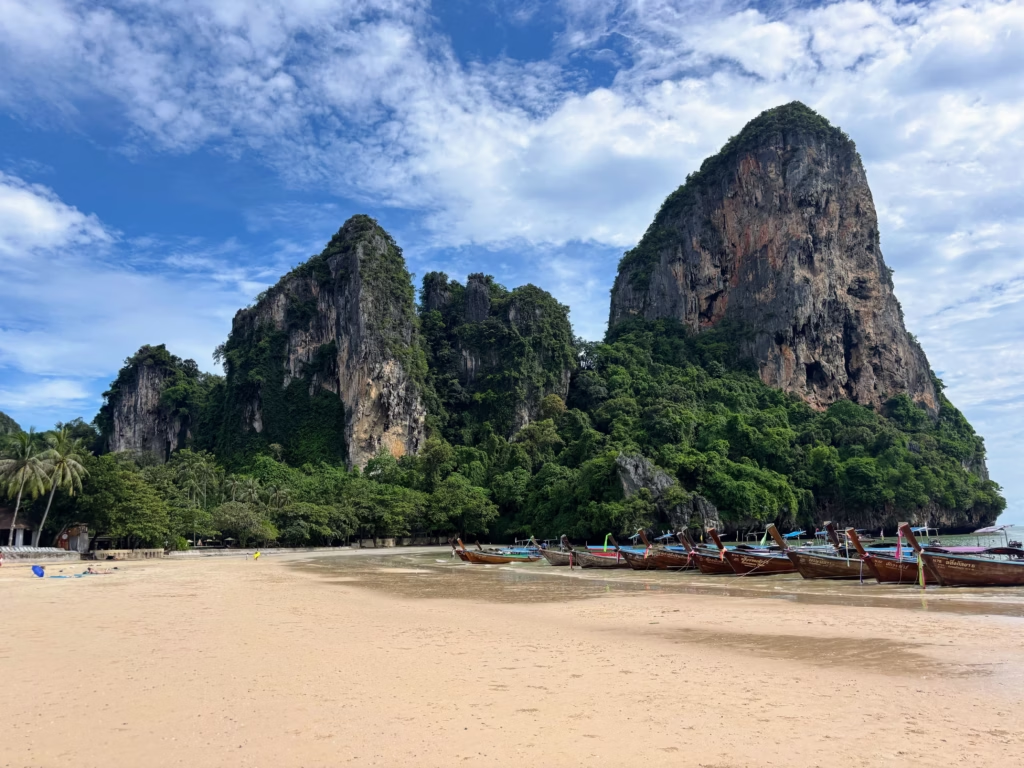
Railay is known for its striking cliffs and beach setting, while Krabi provides a more practical town base. Ao Nang is another common base for boat trips and coastal excursions, although travelers who prefer a quieter atmosphere should compare different areas before booking.
You can build an active itinerary around climbing, paddling, hiking, snorkeling, or island trips. You can also do very little beyond swimming and watching the light change on the cliffs. That flexibility makes the region appealing to mixed groups and solo travelers with different energy levels.
Sea conditions can affect boat travel and water activities, so check current local advice rather than assuming a planned excursion will operate exactly as advertised. Bring footwear suitable for uneven paths and protect your belongings around sand, saltwater, and sudden rain.
8. Koh Samui: An easy island base
Koh Samui is one of the best places to visit in Thailand for travelers who want island scenery with a broad choice of accommodation, restaurants, wellness activities, beaches, and day trips. It can feel more developed than smaller islands, but that infrastructure is useful if you want comfort and flexibility.
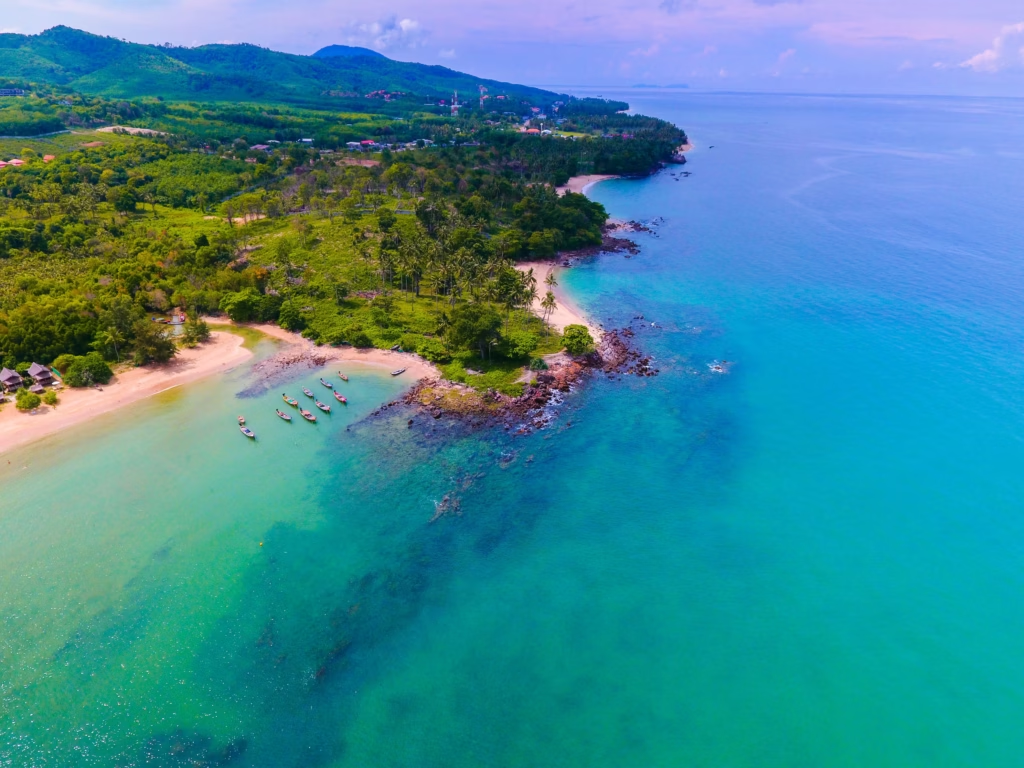
Choose your base according to the mood you want. Some areas are known for nightlife and activity, while others are better suited to quiet mornings, swimming, or long dinners. I’d spend time exploring beyond the part of the island closest to your accommodation, since different beaches and communities can feel surprisingly distinct.
Koh Samui can work for solo travelers, couples, and longer stays. Group boat trips and classes create easy social opportunities, while the island is large enough for independent days. If you’re planning onward travel to nearby islands, check current transport arrangements before relying on tight connections.
The island is a good choice when you want a comfortable beach base without sacrificing access to activities. If your priority is a less developed setting, compare it with Koh Tao or a smaller coastal destination before deciding.
9. Koh Tao: Diving and a social island atmosphere
Koh Tao is one of the best places to visit in Thailand for travelers interested in diving, snorkeling, and a friendly island atmosphere. Many visitors come specifically to learn or improve their diving skills, but you don’t need to be a diver to enjoy the beaches, viewpoints, and relaxed social scene.
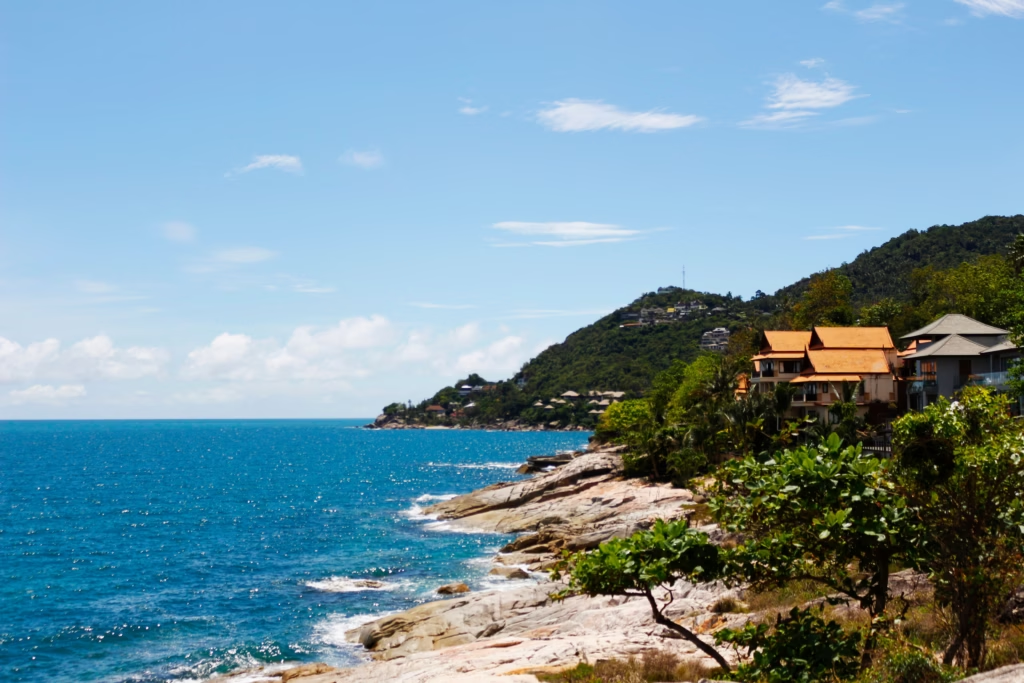
If you’re considering a course, compare schools carefully. Ask about instructor-to-student ratios, certification details, equipment, safety procedures, and what happens if weather disrupts the plan. The cheapest option is not automatically the best value when you’re learning a technical activity in open water.
Outside organized courses, Koh Tao offers simple island days: swimming, exploring coves, watching sunsets, and meeting other travelers over meals. The island’s social side can be appealing when you’re traveling alone, though you can find quieter accommodation away from the most active areas.
Boat connections and sea conditions should shape your planning. Keep some flexibility around arrival and departure days, and avoid arranging an important onward connection immediately after a water-based activity.
10. Koh Lanta: A slower island escape
Koh Lanta is one of the best places to visit in Thailand for travelers who want beaches, sunsets, local restaurants, and a more relaxed island rhythm. It offers enough space to explore without feeling as concentrated or party-oriented as some better-known stops.
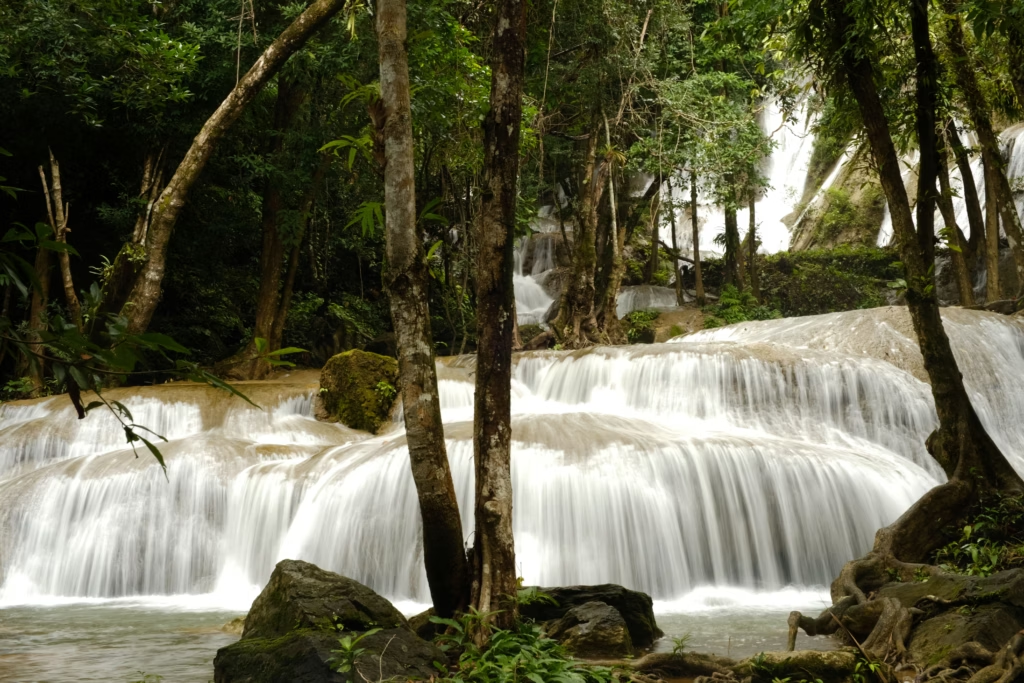
The island suits travelers who like unstructured days. You can spend a morning swimming, visit a local community, explore coastal roads, or join a boat trip when conditions allow. It’s also a comfortable choice for solo travelers who want social opportunities without being surrounded by nightlife every evening.
Accommodation location matters here. Staying near a busy beach can make it easier to find restaurants and meet people, while a quieter base may offer a slower experience but require more planning for meals and transport. Think about your normal travel habits before booking.
Koh Lanta is especially useful in an itinerary that already includes busier destinations. Add it when you want a few days to reset, read, swim, and let the country feel less like a sequence of check-ins.
How to build a Thailand itinerary
A good Thailand itinerary usually combines one major city, one cultural or nature-focused destination, and one coastal region. For a first trip, Bangkok, Chiang Mai, and either the Andaman coast or the Gulf islands create a strong balance of city life, northern culture, and beach time.
- For culture and history: combine Bangkok, Ayutthaya, Chiang Mai, and Kanchanaburi.
- For northern landscapes: choose Chiang Mai and Pai, allowing time for slower travel between them.
- For beaches and convenience: consider Phuket, Krabi, or Koh Samui.
- For diving and social travel: look at Koh Tao, with time for conditions and course schedules.
- For a quieter island finish: compare Koh Lanta with the busier southern bases.
Transport should shape your route from the beginning. Thailand is easier to enjoy when you avoid crossing the country repeatedly. Choose one coast for a shorter trip rather than trying to combine every island group. Before booking, check current flights, trains, buses, ferries, and park information for your travel dates.
If you’re still comparing destinations for a longer trip, our guides to the best places to visit in Croatia, the best places to visit in Morocco, and the best places to visit in Argentina offer ideas for building itineraries around regional contrasts rather than trying to see everything at once.
Practical tips for visiting Thailand
Pack for heat, humidity, rain, temples, beaches, and air-conditioned transport. Lightweight clothing, comfortable walking shoes, sun protection, and a small waterproof bag are useful almost everywhere. A light layer can also help on long journeys and in heavily cooled indoor spaces.
When visiting temples or religious sites, dress respectfully and follow posted guidance. Keep your voice low where appropriate, ask before photographing people, and treat religious objects as more than travel props. A little awareness goes a long way.
Food is one of the strongest reasons to travel through Thailand, so make room for regional differences. Street food, market snacks, northern dishes, seafood, curries, noodle soups, and fresh fruit can all become part of the journey. If you have allergies or dietary restrictions, learn how to explain them clearly and confirm ingredients rather than relying on guesswork.
For outdoor activities, use current local information. Weather, sea conditions, trail access, and park rules can change. Choose reputable operators for diving, climbing, boat trips, and wildlife experiences, and don’t let a group’s enthusiasm push you into an activity beyond your experience or comfort level.
Solo travelers will find many ways to connect with others, especially through hostels, cooking classes, walking tours, shared transfers, and island excursions. Still, independent travel doesn’t need to become nonstop socializing. Some of my favorite kinds of travel days are built around a quiet breakfast, an aimless walk, and a meal chosen at the last minute.
What to do next
Start by choosing your main Thailand experience. Do you want city food and temples, northern mountain culture, historic ruins, jungle landscapes, diving, or a relaxed beach stay? Once you know that, choose two or three destinations that support the same travel rhythm.
Then check current transport and seasonal information, especially for islands and outdoor activities. Keep at least a little space between major connections, and resist the temptation to turn the country into a checklist. Thailand rewards travelers who leave room for one more bowl of noodles, a conversation with another traveler, a local recommendation, or an extra day in a place that feels right.






3 Comments