

7 Best Places to Work Remotely Abroad
Finding the best places to work remotely is about more than locating a pretty café with a laptop-friendly table. I look for destinations that make ordinary weekdays manageable: reliable places to stay, practical transport, food options, things to do after logging off, and enough social energy that working alone doesn’t feel isolating.
The right base depends on your priorities. You might want a compact city with museums and neighborhoods to explore, a coastal town where evenings feel slower, or a larger journey that lets you work between outdoor adventures. You also need to think honestly about your routine. A destination can be wonderful for a week of sightseeing but frustrating for a month of deadlines.
This guide compares seven strong remote-work bases across different travel styles. I’m focusing on independent travelers, budget-conscious professionals, freelancers, and solo travelers who want meaningful experiences beyond a screen. Before committing to a longer stay, check current entry requirements, internet availability at your accommodation, workspace conditions, local transport, seasonal schedules, and any rules that apply to working from abroad.
Table of Contents
What makes the best places to work remotely?
The best places to work remotely combine a practical daily routine with a rewarding life outside work. I’d assess each destination using five questions before booking a longer stay.
- Can I work comfortably? Confirm the accommodation’s internet arrangement, desk or table, noise level, power access, and backup options. Never rely only on attractive photos.
- Can I manage the cost? Compare accommodation, food, local transport, laundry, workspace fees, and activities rather than looking at the room rate alone.
- Can I build a routine? A good base should offer places to shop, eat, exercise, walk, and take breaks without requiring a complicated journey every day.
- Can I meet people naturally? Hostels, shared accommodation, walking tours, food experiences, events, and group activities can make solo remote work more social.
- Will I still enjoy the destination after work? Look for neighborhoods, parks, museums, food culture, waterfronts, or outdoor experiences that fit your available time.
I’d also separate a short workation from a serious working trip. For a few days, you might tolerate a small room or changing bases. For several weeks, those details become part of your quality of life. Choose one main base, test your routine during the first few days, and move only when the benefit is worth the disruption.
1. Singapore delivers a polished city workation
Singapore is one of the best places to work remotely if you want a compact urban base with food, culture, green spaces, public attractions, and plenty to do after closing your laptop.
Planning to explore Singapore outside working hours? Explore Singapore tours and activities to find experiences that fit around your work schedule, from sightseeing to guided city tours.
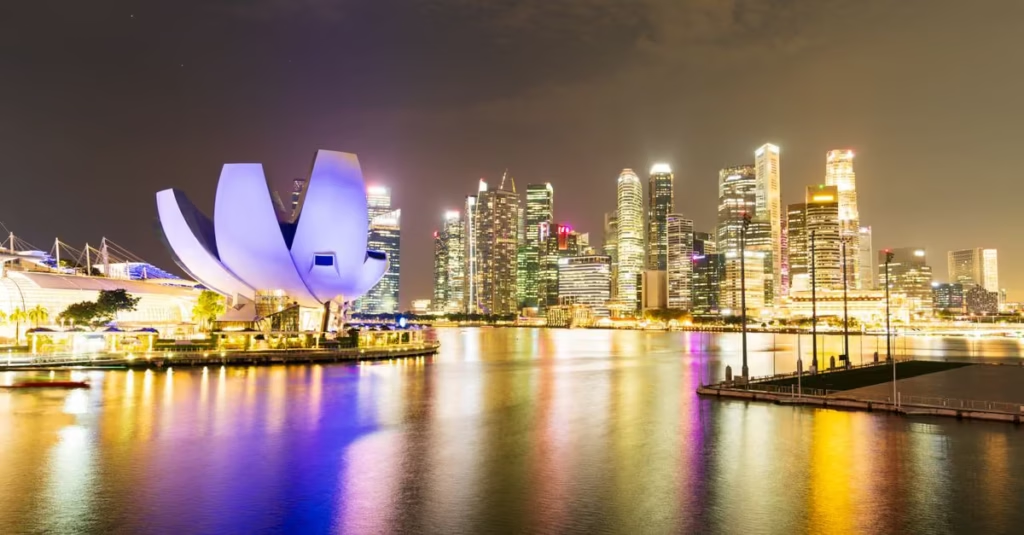
The city works well for remote travelers who enjoy structure. You can build a weekday around focused work, a nearby food stop, and an evening walk rather than spending hours organizing a complicated excursion. Marina Bay, the Civic District, Chinatown, Little India, and Kampong Gelam each offer different ways to spend your free time, from museums and historic streets to hawker food and cultural sites.
Food is a major advantage for a remote-work routine. Hawker centers and food courts give solo travelers an easy way to eat without planning a formal restaurant meal every night. They also make it simpler to try different dishes and neighborhoods while keeping your schedule flexible. For a fuller introduction, see our guide to the best things to do in Singapore.
I’d choose Singapore when I wanted a city with reliable daily structure and a broad range of after-work options. The trade-off is that it can become expensive if every evening revolves around major attractions, restaurants, or paid experiences. Balance one or two priority activities with neighborhood walks, public spaces, local food, and green areas such as the Botanic Gardens, subject to current access arrangements.
How to make Singapore work remotely
Stay near the transport connections and neighborhoods you genuinely plan to use. A cheaper room far from your preferred food, workspace, or social life may not be a saving once daily travel is added. Ask accommodation hosts about the actual working setup, including internet reliability, quiet hours, seating, and backup arrangements.
Singapore also suits solo workers who want occasional connection rather than constant company. Book a food walk, cultural tour, cooking class, or guided nature activity near the beginning of your stay. Then keep some evenings completely free. That balance helps remote work feel like part of a life rather than a restriction on travel.
2. Montenegro combines workdays with coastal discovery
Montenegro is one of the best places to work remotely for travelers who want a compact Adriatic base, historic towns, local food, mountain scenery, and a noticeable change of pace after work.
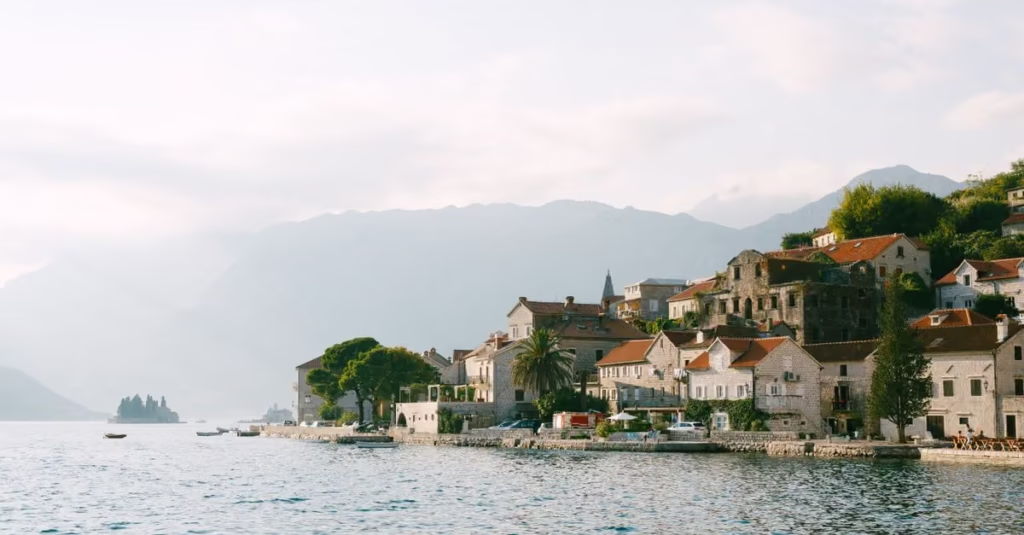
Planning a workation in Montenegro? Compare places to stay in Montenegro before booking, and check Wi-Fi availability, workspace options, transport connections, and seasonal prices.
The Bay of Kotor is the most obvious starting point. Kotor offers old-town streets, waterfront scenery, restaurants, and opportunities for walking tours or organized excursions. Nearby Perast brings a quieter historic setting, while Budva offers a livelier combination of an old town, beaches, restaurants, and evening activity. Bar and Ulcinj can provide a different southern-coast experience.
What appeals to me about Montenegro as a workation idea is the contrast between a normal workday and a short escape afterward. You could work in the morning, take a waterfront walk later, and reserve a longer excursion for a non-working day. Lake Skadar and the northern mountains add further possibilities, although they require more careful planning around transport, weather, roads, and seasonal services.
Read our guide to the best time to visit Montenegro before choosing your dates. The coast, lowlands, and mountains can offer very different conditions, and not every boat trip, restaurant, attraction, or outdoor activity operates in the same way year-round.
How to make Montenegro work remotely
Choose your base according to your weekday needs, not only the view. Confirm the internet setup, power access, workspace, heating or cooling arrangements, food options, and transport before booking. If you need frequent video calls, ask specific questions instead of assuming that advertised Wi-Fi will suit your work.
Montenegro is better suited to travelers who can work with some flexibility. I wouldn’t build a demanding work schedule around daily mountain transfers or weather-dependent excursions. Stay in one place long enough to establish a routine, then use free days for the landscapes that attracted you in the first place.
3. Dublin offers culture, community, and easy evenings
Dublin is one of the best places to work remotely when you want a social city base with museums, neighborhoods, food, live culture, and straightforward ways to fill a few hours after work.
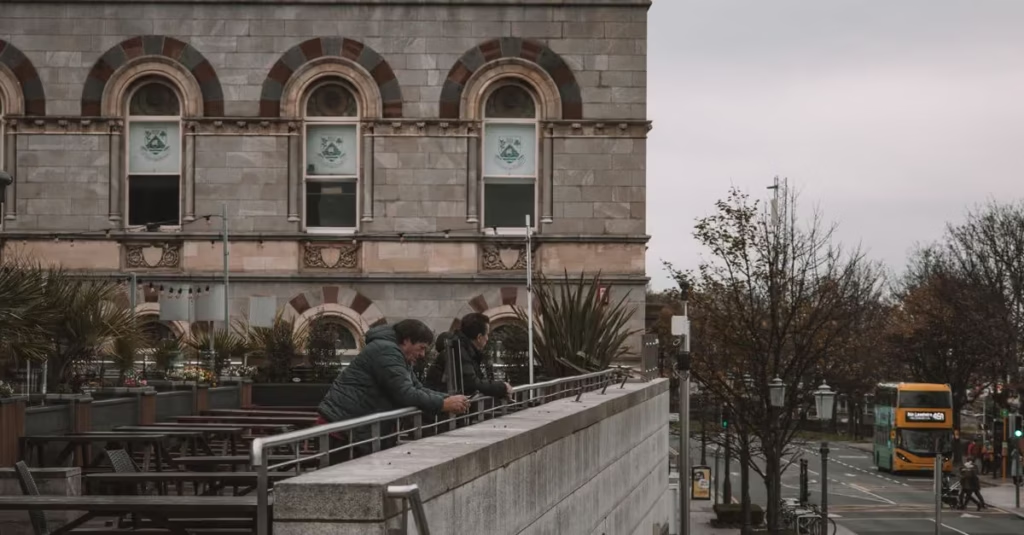
A city like Dublin gives remote workers useful variety. On a busy day, you can stay close to your accommodation and choose a nearby café, meal, bookshop, or walk. On a lighter day, you can explore museums, galleries, parks, historic streets, and local neighborhoods. You don’t need to turn every free hour into a major excursion.
Dublin can also feel accessible for solo travelers because group activities create easy openings for conversation. A walking tour, food experience, hostel common room, or live event gives your day a social element without forcing you to travel with the same people constantly.
The main challenge is managing the total cost. Accommodation and eating out can place pressure on a remote-work budget, so compare a kitchen, laundry access, central location, and shared spaces alongside the headline room rate. A slightly less central base may work if it offers a comfortable place to work and practical food options.
How to make Dublin work remotely
Build your week around neighborhoods rather than attractions. Keep workdays close to home, choose one cultural activity for a free afternoon, and reserve longer excursions for days when you can disconnect properly. Weather can change your plans, so keep an indoor alternative ready.
If you want to combine Dublin with a smaller Irish base, our guide to the best places to visit in Ireland can help you compare cities, coastal areas, and landscape-led routes. I’d avoid changing accommodation too often while working. Every move costs time that could otherwise go toward settling into your routine.
4. Galway suits a slower, more social workation
Galway is one of the best places to work remotely for travelers who prefer a compact base with independent businesses, food, music, riverside walks, and access to western Irish landscapes.
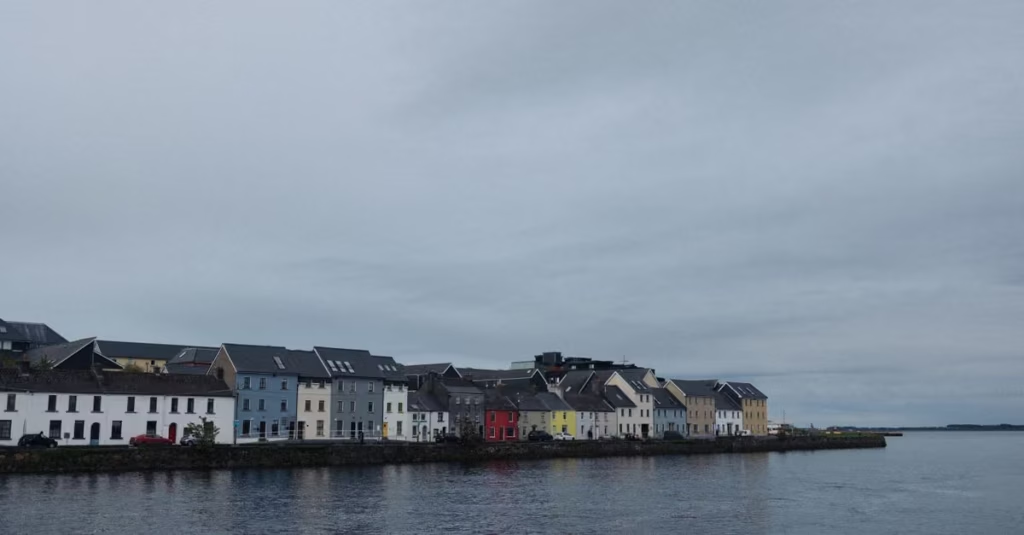
The city’s smaller scale can make a workation feel less frantic than a capital-city stay. You can explore central streets, stop for food, find an evening event, and return to your accommodation without planning an entire day around transport. That simplicity matters when your work schedule is unpredictable.
Galway also gives you the option of making your free time more ambitious. Depending on current transport, weather, and tour arrangements, you could plan an excursion toward Connemara, County Clare, or the Aran Islands. I’d treat these as carefully chosen days away rather than trying to squeeze them between meetings.
For solo workers, a compact destination can make repeated encounters more likely. Returning to a neighborhood food business or joining a local walking or cultural activity may feel more natural than trying to socialize in a large, spread-out city. Still, check your accommodation’s working conditions carefully. A sociable guesthouse is useful only if you can also find quiet when deadlines arrive.
5. Belfast balances focused work with layered culture
Belfast is one of the best places to work remotely if you want a manageable city base with museums, maritime history, parks, food, street art, and access to a dramatic coastal region.
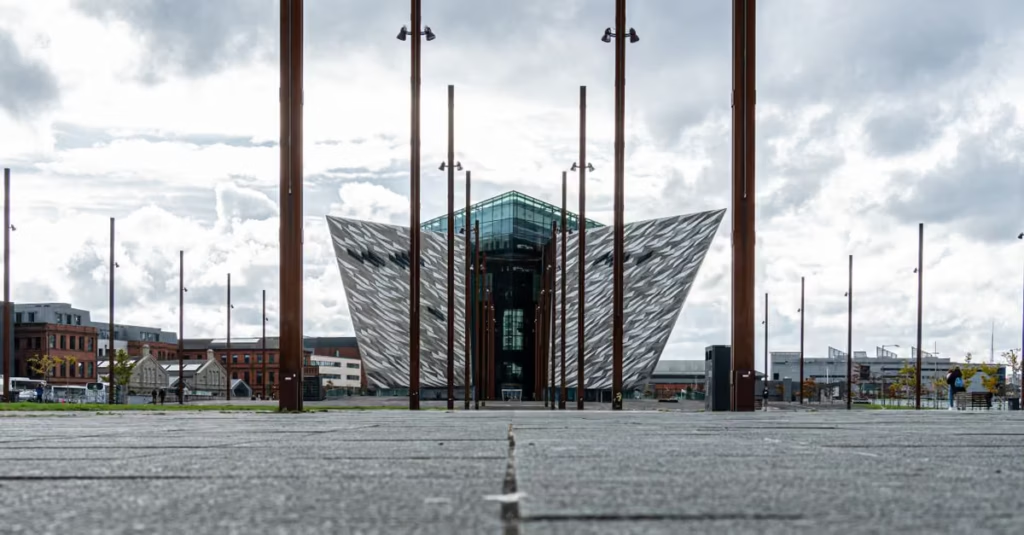
The city offers plenty for short after-work explorations. You might choose a museum, stroll through a neighborhood, visit Botanic Gardens, look for local food, or join a thoughtful history tour. Titanic Belfast and the Ulster Museum can add depth to a stay, while the city’s varied neighborhoods give you reasons to leave the most obvious sightseeing areas.
Belfast is especially useful for remote workers who want a city-and-coast combination. A Causeway Coast day can provide a significant change of scenery, but I’d schedule it on a full day away from work. Check current transport, access, walking conditions, weather, and tour arrangements rather than assuming a coastal itinerary will run exactly as expected.
Travelers who want more family-friendly ideas can use our guide to things to do in Belfast with kids. Its advice about museums, parks, food, and manageable pacing also works well for solo adults who want a varied but unhurried workation.
6. Auckland gives remote workers a flexible urban start
Auckland is one of the best places to work remotely for travelers who want an urban base with harbor scenery, food, museums, neighborhoods, and access to beaches or islands.
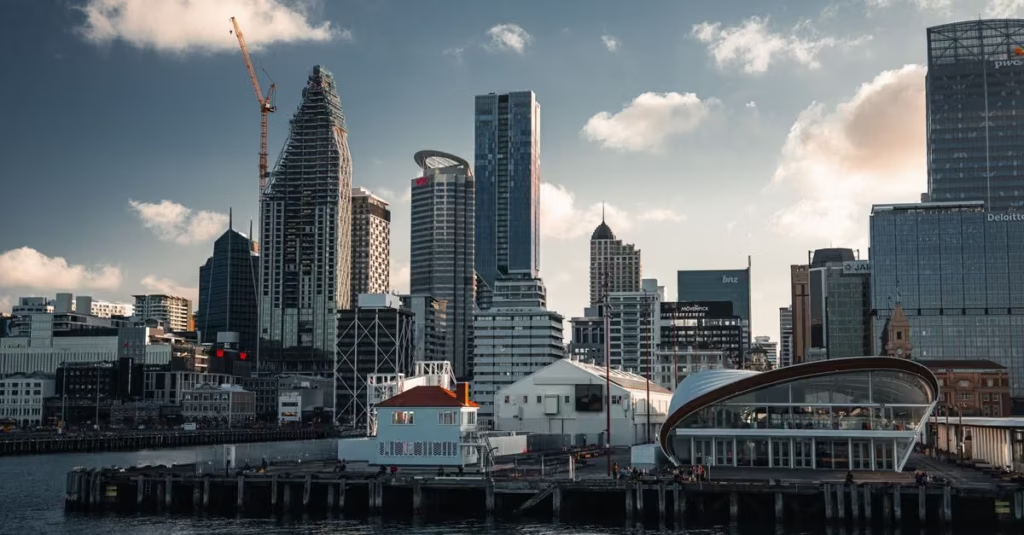
The city is a useful choice when you want to begin a longer New Zealand journey without immediately committing to a demanding road trip. Give yourself time to adjust, establish a work routine, and explore nearby areas before moving on. Auckland is spread out, so grouping activities by neighborhood or region will make your free time more rewarding.
If you plan to explore beyond central Auckland, compare car rental options in Auckland and check pickup locations, insurance terms, and mileage limits before booking.
A remote worker can create several different rhythms here. A heavy workday might involve a short local walk and simple meal. A lighter day could include a museum, market, waterfront area, or nearby excursion, subject to current transport and access. The city also leaves room to decide later whether you want to continue toward Rotorua, Wellington, or the South Island.
New Zealand is a large destination, so avoid assuming that a workation can cover the whole country without sacrificing your routine. Our guide to the best places to visit in New Zealand compares different city, mountain, lake, and outdoor bases. I’d choose one region that fits your available time rather than turning every weekend into a long transfer.
How to make Auckland work remotely
Check transport and accommodation details carefully, especially if you plan to work from a neighborhood outside the central area. Ask whether the internet is suitable for your work, whether there is a proper table, and how noise changes during the day. If outdoor activities are important, check current weather, access, and local guidance before setting out.
7. Rotorua adds nature and cultural learning after work
Rotorua is one of the best places to work remotely for travelers who want a smaller base with geothermal landscapes, forest activities, lake experiences, and opportunities to learn about Māori culture.
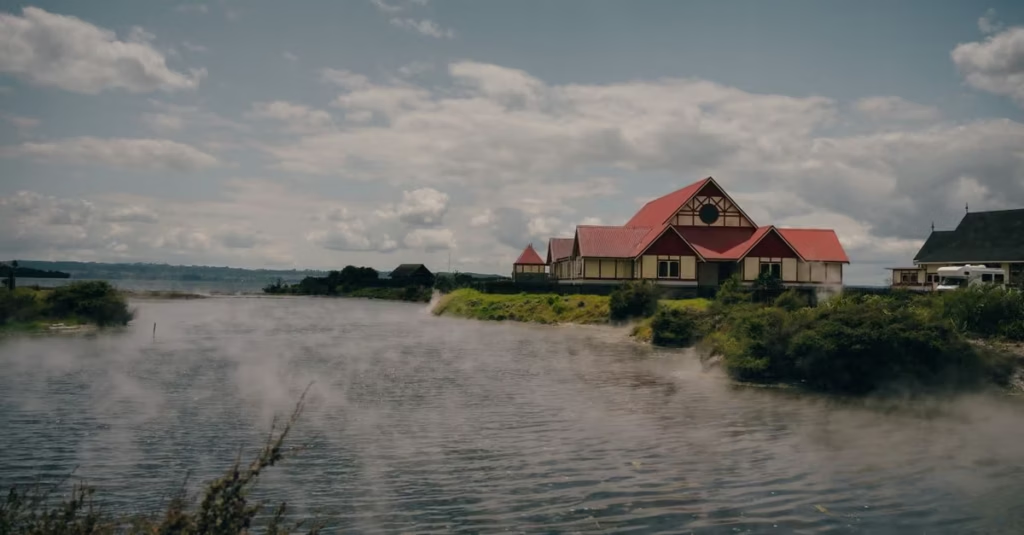
Rotorua is not a conventional city workation in the same way as Singapore or Dublin. Its appeal comes from the contrast between work blocks and memorable free days. You might keep ordinary weekdays simple, then use a free afternoon for a designated geothermal route, a forest walk, or a carefully chosen cultural experience.
Respect matters here. Geothermal areas are active and fragile, so remain on designated routes and follow local instructions. Cultural experiences should provide context and treat Māori culture as living culture rather than a performance added to a sightseeing checklist. Guided activities can be valuable for both learning and meeting other travelers.
Rotorua is best for remote workers who can plan around their obligations and don’t need a dense calendar of urban entertainment. Before booking a longer stay, confirm accommodation conditions, transport, food options, workspace suitability, and the current operation of activities you care about.
How to choose your remote-work base
Choosing among the best places to work remotely becomes easier when you match the destination to your actual working style.
For the most convenient city routine
Choose Singapore, Dublin, or Belfast if you want museums, food, neighborhoods, and indoor alternatives close at hand. These bases are useful when your work hours vary and you need activities that don’t require a full-day commitment.
For a slower coastal or regional rhythm
Choose Montenegro or Galway if you want a smaller sense of place and a stronger contrast between work hours and free time. Confirm seasonal services and internet conditions before committing to a long stay.
For a nature-led workation
Choose Auckland or Rotorua if the destination itself is part of your motivation to work abroad. Plan outdoor experiences for days when you can focus fully on them, and check weather, transport, access, and local guidance before heading out.
For better social connection
Choose accommodation with a shared lounge, kitchen, organized activities, or a location near food and public transport. Book one group experience early in your stay, then decide how much social time feels right. Remote work can be lonely when every day happens in the same room, but constant socializing can be just as exhausting.
How to build a sustainable remote-work routine
A successful workation needs boundaries. I’d set up the practical details before trying to maximize sightseeing.
- Test the workspace immediately. Check the internet, chair, table, power access, lighting, and noise before an important workday.
- Choose a backup. Identify another place to work and a way to stay connected if your accommodation becomes unsuitable.
- Group your free time. Pick nearby activities for busy days and save longer trips for full days off.
- Protect recovery time. Travel, work, and sightseeing every day can quickly become another form of burnout.
- Keep your route simple. Moving between bases is disruptive, especially when you need to unpack, reconnect, and rebuild your routine.
- Respect local life. Work quietly in shared spaces, support local businesses, and treat cultural sites as places with meaning beyond tourism.
Seasonality should also influence your choice. If you’re considering an autumn trip, compare these ideas with our guide to where to travel in October. For a later-year journey, our guide to where to visit in December compares warm Southern Hemisphere options with winter city and coastal trips.
If you need mobile data while travelling between destinations, compare travel eSIM plans before departure. Check country coverage, data limits, and device compatibility to choose a plan that fits your trip.
What should you do next?
Start by writing down the kind of workation you actually want: a focused city routine, a social solo base, a coastal escape, or a nature-led trip. Then choose one destination and test whether its practical details support your work.
Before booking, confirm current entry requirements, accommodation internet, workspace arrangements, transport, seasonal access, cancellation terms, and any rules that apply to working from abroad. If your work is meeting-heavy, prioritize a dependable setup over a dramatic view. If your schedule is flexible, you can give more weight to local culture, outdoor activities, and social opportunities.
The best remote-work destination is not necessarily the most fashionable one. It’s the place where you can finish your work, eat well, meet people when you want to, and still feel curious when the day ends. Choose a realistic base, stay long enough to settle in, and let the destination become part of your routine rather than a backdrop behind your laptop.





2 Comments