
Where to Travel in October Top Incredible Places
Deciding where to travel in October gets much easier when you stop searching for one universally perfect destination. October brings autumn to Ireland, Belfast, and Montenegro, while New Zealand moves through spring. That contrast gives you plenty of choice: atmospheric cities, coastal routes, cultural breaks, mountain bases, or a bigger outdoor journey on the other side of the world.
I’ve chosen nine escapes that suit independent travelers, backpackers, and solo explorers particularly well. Each offers a different balance of culture, scenery, social opportunities, and practical planning. Before booking, check official weather guidance, transport, entry requirements, road conditions, accommodation availability, and attraction access for your exact October dates.
Table of Contents
Where to Travel in October: The Quick Answer
The best October destination is the one that matches your preferred pace, budget, and tolerance for changing conditions.
- For an easy cultural break: choose Dublin, Galway, Belfast, or Wellington.
- For landscapes and road trips: consider County Kerry, New Zealand’s South Island, or Montenegro.
- For geothermal scenery and cultural learning: look at Rotorua.
- For a city-and-nature combination: base yourself in Auckland or Belfast.
- For solo travel: prioritize a walkable base with hostels, tours, shared kitchens, and group activities.
I’d rather choose two compatible places and explore them properly than spend an October trip constantly packing. Fewer bases leave more room for neighborhood cafés, local recommendations, relaxed walks, and the conversations that make independent travel memorable.
Dublin and Galway for Irish Culture
Dublin and Galway are strong October choices for travelers who want museums, music, food, walkable areas, and easy ways to meet people.
Dublin: museums, neighborhoods, and lively evenings
Dublin works especially well as the beginning or end of an Ireland itinerary. Instead of racing through every major attraction, build each day around one cultural visit, one neighborhood, and one flexible evening plan. Museums, galleries, bookshops, parks, food businesses, and live performances give you alternatives when outdoor plans no longer appeal.
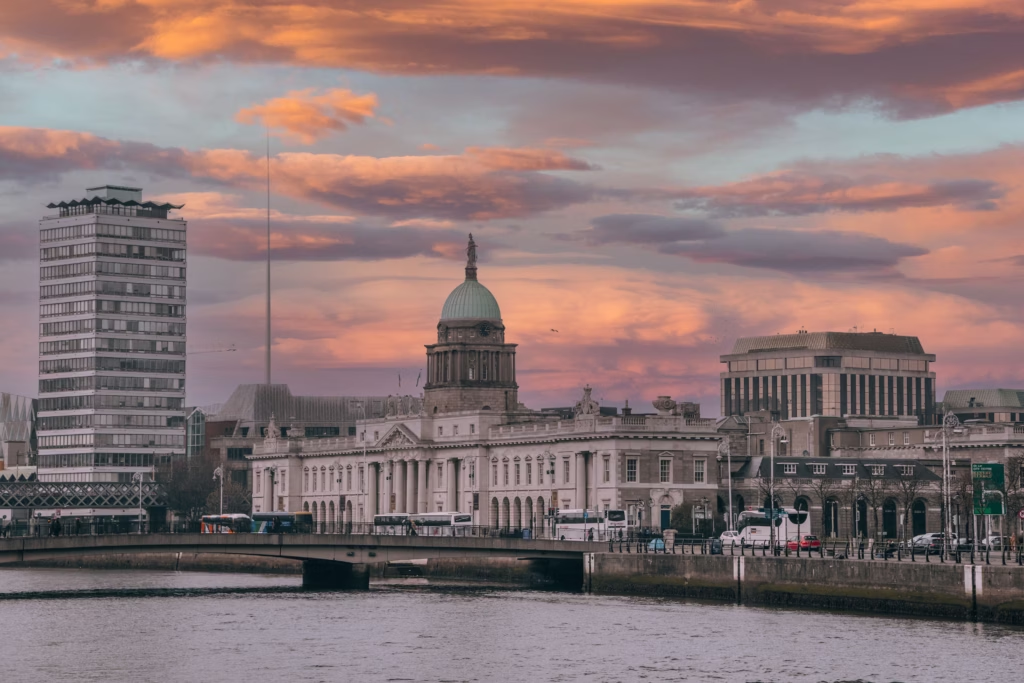
The capital is also approachable for solo travelers. A walking tour, hostel common room, food experience, or live event can provide a first conversation without committing you to a group for the entire trip. Accommodation can place pressure on a limited budget, so compare location as carefully as the room rate. A base near the places you genuinely want to explore may reduce daily transport and make evenings simpler.
Galway: a smaller base with Atlantic character
Galway suits travelers who want a compact city atmosphere alongside access to western landscapes. Its central streets, independent businesses, music culture, and casual food options support an unhurried stay. Give the city its own day rather than treating it only as a departure point for tours.
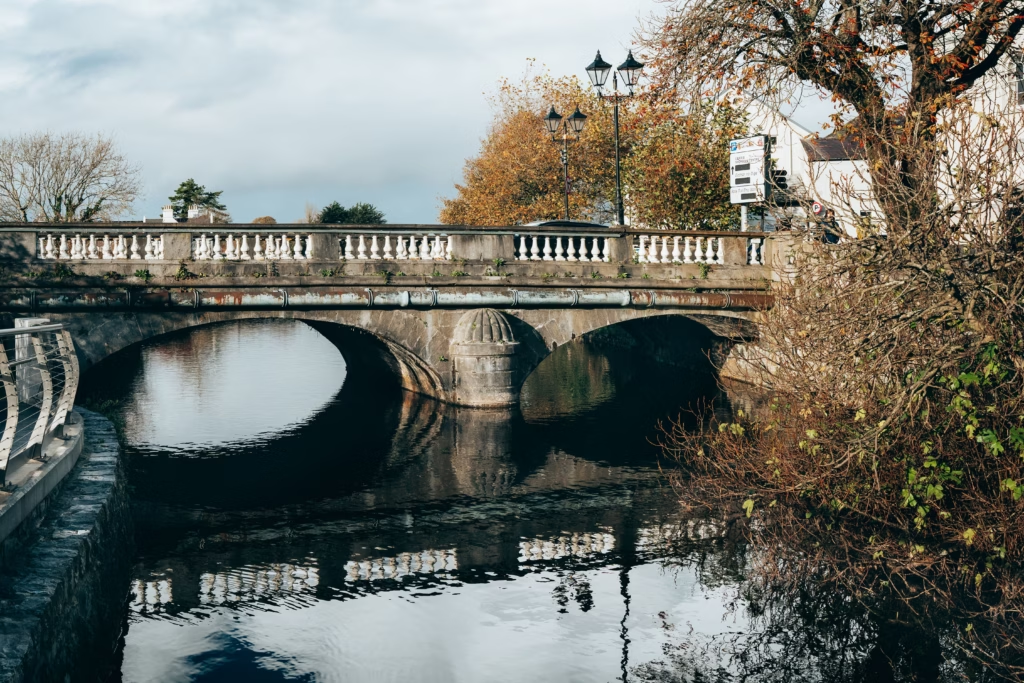
Galway can also anchor excursions toward Connemara, County Clare, or the Aran Islands, subject to current transport and weather conditions. Pick one wider region instead of booking a different long outing every morning. Our guide to the best places to visit in Ireland can help you compare these landscapes with Dublin, Cork, Donegal, and other possible bases.
For either city, pack adaptable layers and keep a worthwhile indoor alternative. October plans are more enjoyable when a changed forecast leads to a museum, long lunch, or neighborhood wander rather than a ruined day.
County Kerry and Belfast for Contrasting Adventures
County Kerry and Belfast offer two very different October trips: one centered on lakes, mountains, and coastal roads, and the other on urban history, maritime culture, and access to the Causeway Coast.
County Kerry: a slower landscape-led route
County Kerry is for travelers who want the journey to matter as much as the destination. Killarney can serve as a practical base for lakes, walking routes, historic places, and wider county excursions. Roads, stops, and conditions can make a route more demanding than it appears on a map, so don’t overload each day.
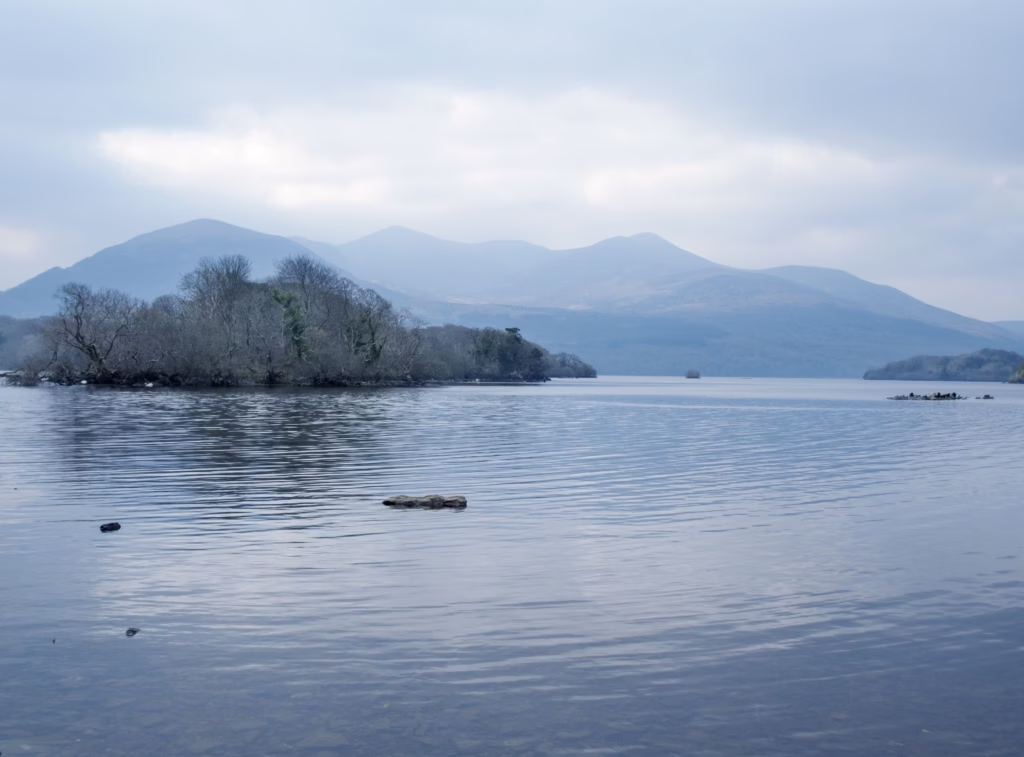
I’d plan one substantial outing, then protect the following day for a shorter walk, a local meal, or time around your base. If you aren’t driving, research current tours and public transport before choosing accommodation. A beautiful rural room isn’t necessarily a bargain if it leaves you disconnected from every activity.
Belfast: layered history with a coastal option
Belfast makes sense when you want cultural depth without the scale of a huge capital. Titanic Belfast, the Ulster Museum, Botanic Gardens, street art, food, and carefully guided history experiences can support several varied days. Approach the city’s political and social history thoughtfully; choose guides who provide context rather than turning difficult experiences into entertainment.
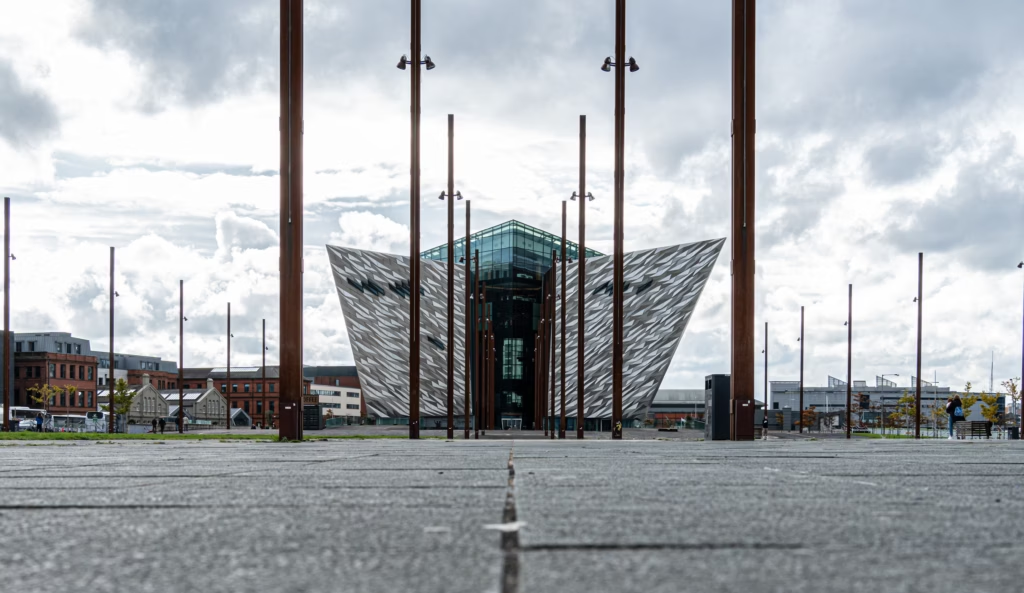
A Causeway Coast excursion can add geological scenery and open landscapes, but check current transport, path access, and conditions before committing. Keep enough flexibility to spend an extra city day if a coastal plan becomes unsuitable.
Travelers bringing younger relatives can use this guide to things to do in Belfast with kids for ideas on museums, parks, food, and manageable pacing. Much of its planning advice also helps adults who prefer relaxed, weather-flexible days.
Auckland and Rotorua for a North Island Journey
Auckland and Rotorua create a varied New Zealand itinerary combining city life, harbors, volcanic landscapes, forests, and opportunities to learn about Māori culture.
Auckland: an urban start with room to adjust
Auckland deserves more than a rushed arrival day. Its waterfront areas, neighborhoods, museums, markets, food, viewpoints, and access to nearby islands or beaches give you several ways to recover from a long journey before continuing elsewhere. Because the city is spread out, group each day by area rather than crossing it repeatedly.
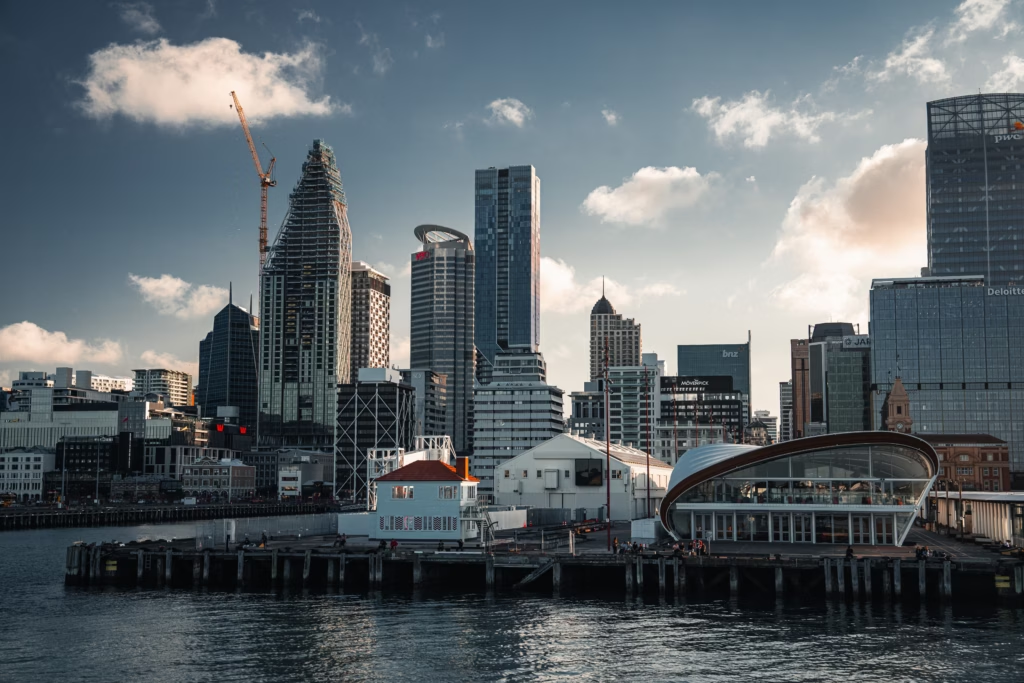
Budget travelers can balance a selected museum or harbor activity with parks, viewpoints, markets, and self-guided neighborhood walks. If an island or coastal excursion matters to you, confirm current ferry arrangements and access before building the whole day around it.
Rotorua: geothermal landscapes and cultural context
Rotorua is a compelling next stop for geothermal environments, forest activities, lake-based experiences, and Māori cultural learning. Around geothermal areas, remain on designated routes and follow local instructions. These are active, fragile environments rather than outdoor theme parks.
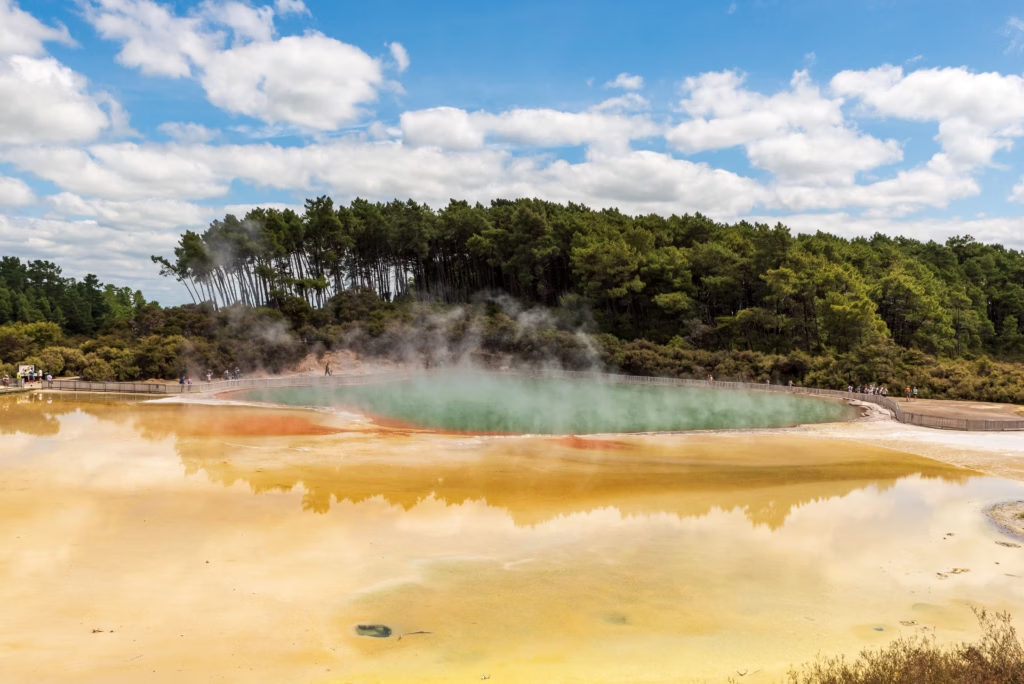
Choose cultural experiences that explain the people, context, and meaning behind what visitors encounter. Responsible providers should help you understand Māori culture as living culture, not as a decorative addition to an itinerary. Guided activities can also be useful for solo travelers who want local knowledge and a natural way to meet others.
Auckland and Rotorua can form a focused North Island trip without trying to cover the whole country. For more options, the site’s guide to the best places to visit in New Zealand compares these bases with Wellington, the Coromandel Peninsula, Abel Tasman, Christchurch, Queenstown, Fiordland, Wanaka, the West Coast, and Dunedin.
Wellington and The South Island Outdoors
Wellington and New Zealand’s South Island suit travelers who want creative city culture followed by a more ambitious landscape-focused journey.
Wellington: compact, creative, and sociable
Wellington is appealing for museums, independent cafés, galleries, waterfront wandering, and live events. Its compact center makes it easier to shift between cultural attractions and outdoor viewpoints without rebuilding your whole itinerary. Pick one major attraction, then leave time for surrounding streets and local businesses.

This is also a comfortable social stop. Walking tours, events, shared accommodation, and food experiences create openings for conversation, while cafés and the waterfront make solo time feel natural. That mix is valuable if you enjoy meeting people but don’t want a party-centered trip.
Queenstown and Wanaka: active days with different rhythms
Queenstown and Wanaka both provide access to mountain and lake landscapes, but they offer different travel moods. Queenstown has a lively adventure scene and plenty of organized activities. Wanaka can suit travelers looking for a slower base built around walking, cycling, lake time, and rest between bigger outings.
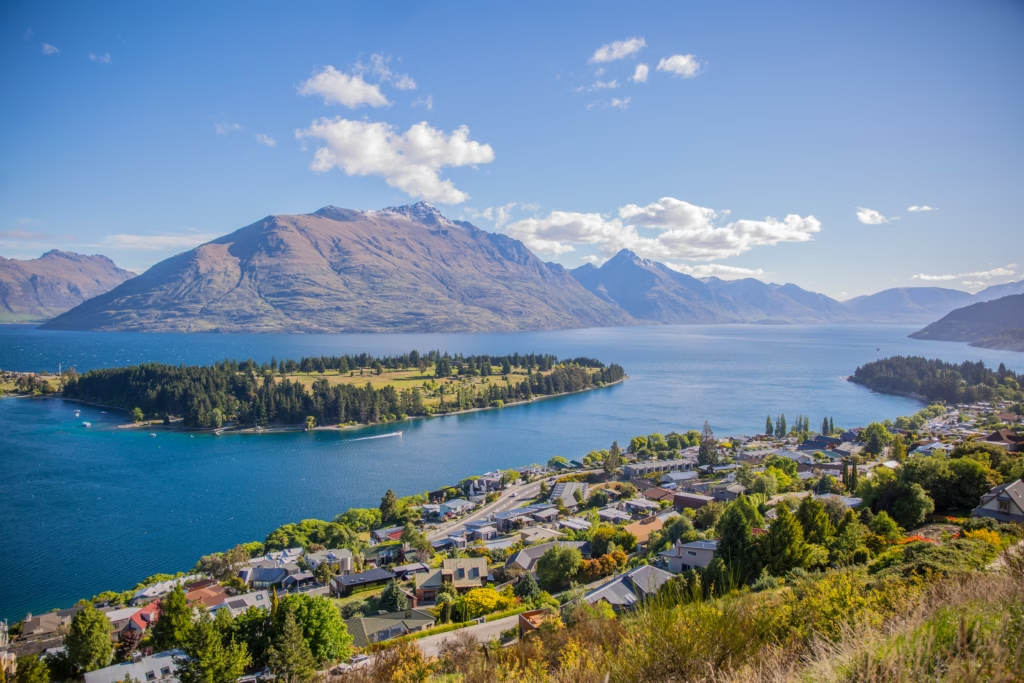
Adventure activities can quickly dominate a budget, so decide which one or two matter before you arrive. Compare operator requirements, equipment, cancellation terms, and transport. Fill the rest of the itinerary with suitable self-guided walks, relaxed lake time, and simple meals.
Spring conditions in New Zealand during October may affect roads, trails, and mountain plans differently across regions. Check official local information shortly before every outdoor day, carry suitable equipment, and avoid treating a popular route as automatically appropriate for your experience.
Montenegro for Coast, Towns, and Mountains
Montenegro is a rewarding October option for travelers who want historic towns, Adriatic scenery, local food, lakes, and mountain regions within one compact itinerary.
The Bay of Kotor is a natural starting point. Kotor offers old streets, waterfront scenery, restaurants, and a base for tours or independent exploring, while Perast provides a quieter historic setting. Farther along the coast, Budva has a different pace, and Bar or Ulcinj can broaden the trip beyond the best-known bay.
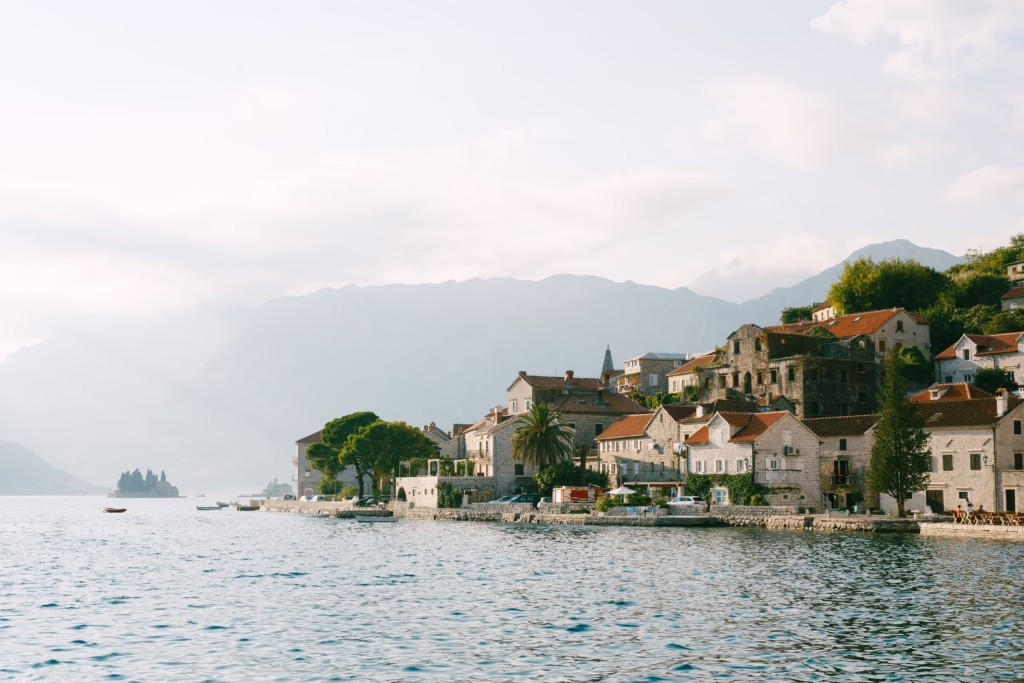
Lake Skadar or the northern mountain regions can add a complete change of landscape. That variety is Montenegro’s appeal, but it also creates planning trade-offs. Mountain conditions, seasonal services, roads, and transport can shape the route, so check each region separately instead of assuming the coast and highlands operate in the same way.
I’d choose one coastal base and one inland or mountain base rather than moving nightly. Confirm accommodation, food options, transport, activity operations, and current road guidance before departure. October conditions and services should be checked close to travel, especially for hiking, boat trips, or remote routes.
How to Plan an October Trip on a Budget
An affordable October trip starts with a focused route, not with chasing the lowest advertised flight or room.
- Compare the total journey. Include airport transfers, local transport, food, luggage, parking, equipment, and planned activities.
- Use fewer bases. Every move can add tickets, booking fees, wasted food, and lost sightseeing time.
- Choose accommodation by function. A kitchen, shared lounge, central location, or nearby supermarket may be worth more than a minor saving.
- Protect one priority experience. Budget first for the museum, guided walk, cultural visit, boat trip, or outdoor activity you care about most.
- Keep weather-dependent bookings flexible. Read cancellation and change terms before paying.
- Mix restaurant meals with simple food. Bakeries, markets, supermarkets, and self-catering help preserve money for local experiences.
If your dates can move, compare the entire trip across several October departures rather than looking only at airfare. Accommodation demand, local events, transport, and activity availability can change the real cost. If you ultimately postpone the journey, this guide to where to visit in December offers a useful contrast between winter city breaks and Southern Hemisphere summer ideas.
How Solo Travelers Can Make October More Social
Solo travelers can create connection in October by choosing the right base and arranging one shared activity early in the trip.
Look for accommodation with a common room, shared kitchen, organized activity, or location near evening venues and public transport. A cheap bed with no social space can feel isolating, while a well-designed hostel or guesthouse can make conversation effortless. If dorms aren’t your style, a private room in social accommodation can offer a useful middle ground.
Walking tours, food experiences, guided hikes, museum events, group transport, and cooking activities are all practical conversation starters. Book one near the beginning, then use the recommendations you collect to shape later days. You don’t need constant company. A satisfying solo trip might combine a group excursion, a quiet gallery, an independent walk, and dinner with someone you met that morning.
For outdoor plans, share your broad route with someone you trust, follow local guidance, and use an activity suited to your equipment and experience. Social travel should add confidence and enjoyment, not pressure you into a plan that doesn’t feel right.
Choose Your October Escape and Start Planning
Your next step is to choose the feeling you want from October: Irish music and city culture, Belfast history and coastline, New Zealand’s spring landscapes, or Montenegro’s compact mix of old towns and outdoor possibilities.
Write down three priorities, select one or two bases, and check official information for October. Confirm entry requirements, transport, accommodation, road or trail conditions, and any attraction you would be disappointed to miss. Keep at least one day flexible.
The most rewarding answer to where to travel in October won’t necessarily be the place with the longest list of sights. Choose the destination that supports your pace, protects your budget, and gives you room to connect with local culture, other travelers, and the place itself.






2 Comments