

Best Time to Visit South Africa? For Every Season
The best time to visit South Africa depends on the kind of trip you want to build. Wildlife viewing, Cape Town city breaks, whale watching, coastal road trips, hiking, and beach time all have different seasonal sweet spots. That’s what makes planning South Africa so exciting and occasionally confusing.
My favorite broad answer is the shoulder season, especially when your route combines several regions. But there isn’t one perfect month for the whole country. South Africa stretches across a remarkable range of landscapes, and conditions in Cape Town can feel very different from those in Kruger, KwaZulu-Natal, the Drakensberg, or the Garden Route.
Rather than chasing a universal answer, choose your priority first. Then use the season to shape a realistic route, budget, and packing list. Here’s how I’d think through the decision as an independent traveler.
Table of Contents
What is the best time to visit South Africa?
The best time to visit South Africa for a balanced first trip is usually one of the shoulder seasons, when travelers can combine city sightseeing, outdoor activities, and wildlife without committing to the busiest period everywhere. Spring and autumn can be particularly useful starting points, although the ideal choice depends on the regions you plan to visit.
South Africa is in the Southern Hemisphere, so its seasons are opposite those in Europe and North America. Summer generally falls from December to February, autumn from March to May, winter from June to August, and spring from September to November. Treat those dates as a planning framework rather than a guarantee: regional weather, elevation, rainfall, and coastal conditions can alter the experience.
Before booking anything, answer these questions:
- Is a safari the main reason for the trip?
- Do you want to spend substantial time in Cape Town and along the coast?
- Are hiking, beaches, or whale watching central to your plans?
- Can you travel outside school holidays and other busy periods?
- How much flexibility do you have if rain or wind affects an outdoor day?
If this is part of a longer journey, compare the seasonal logic with our guides to the best time to visit Argentina and the best time to visit Jordan. Both destinations also reward travelers who plan around regions instead of treating an entire country as one climate zone.
South Africa by season: what changes throughout the year?
Each season can work well for a different style of South Africa trip, so the right choice depends on your route, activities, and tolerance for crowds or changeable conditions.
Summer: December to February
Summer is an appealing season for Cape Town, coastal travel, outdoor dining, and many road-trip itineraries. Longer daylight can give you more time for sightseeing, while the atmosphere in popular cities and beach destinations can feel lively.
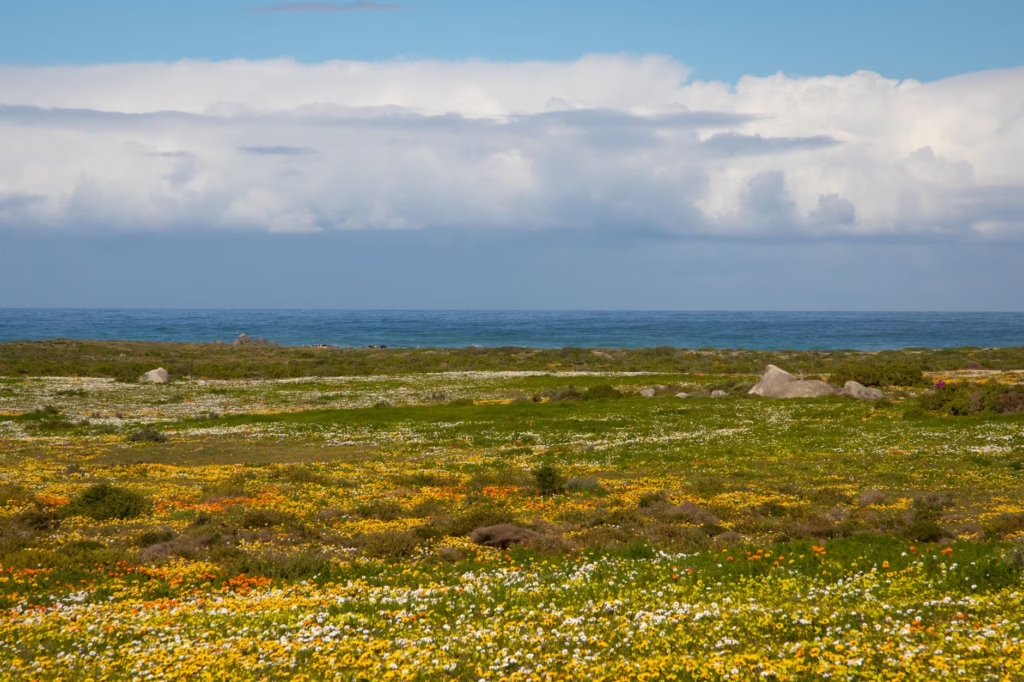
Summer is not equally straightforward everywhere. Some inland and northeastern areas can experience more rain, which may affect wildlife visibility and the look of the landscape. If you’re planning a safari, ask your lodge or operator how the seasonal conditions affect game drives, roads, and viewing expectations.
Summer can also bring higher demand around the end-of-year holiday period. If your dates are fixed, reserve accommodation and activities that are difficult to replace. Budget travelers may find that a supposedly flexible trip becomes expensive when popular rooms, rental cars, or domestic connections are limited.
Autumn: March to May
Autumn is one of my favorite planning windows for a varied itinerary because it can offer a useful balance between city travel, road trips, nature, and wildlife. Conditions vary across the country, but many travelers appreciate the possibility of a more relaxed pace after the main summer rush.
This season can suit a route that combines Cape Town with the Garden Route, a wildlife reserve, or KwaZulu-Natal. Don’t try to cover all of those areas simply because the calendar looks favorable, though. South Africa is a country where distances and transfers can quietly consume a large part of a trip.
Autumn also works well for solo travelers who want both independence and social opportunities. A small-group safari, hostel stay, cooking class, or guided hike can provide easy conversation without turning the entire journey into an organized tour.
Winter: June to August
Winter is often a strong season for wildlife travel in several safari regions because vegetation can be thinner and animals may be easier to spot around water sources. The exact experience depends on the reserve, current conditions, and the style of safari you choose, so confirm details directly with your operator.
Winter can also be a good time for a city-and-wildlife trip, but Cape Town may bring cooler, wetter, and windier conditions than travelers expect. Pack layers and keep a flexible plan for days when a mountain, beach, or boat outing is affected by weather.
Mountain areas can be cold, and some routes may require more careful planning. If hiking is a priority, check current trail access, local guidance, transport, and weather for the exact area rather than relying on a national seasonal label.
Spring: September to November
Spring brings a fresh feel to many South African landscapes and can be an excellent compromise for travelers who want outdoor activities, wildlife, and coastal exploration. It’s also a useful season for building a route with some flexibility, although conditions can shift between regions.
Spring can suit travelers interested in wildflowers in the Western and Northern Cape, but displays are highly dependent on location and seasonal conditions. Research the exact area and travel year before making flowers the sole reason for booking a long journey.
Late spring can also be attractive for coastal wildlife experiences in parts of the country. If whale watching is on your list, check current local information and operating arrangements instead of assuming every coastal town offers the same sightings or excursions.
What is the best time for a South Africa safari?
The best time for a South Africa safari depends on whether you care most about wildlife visibility, warm weather, lower demand, lush scenery, or a particular reserve. Winter and the shoulder seasons are common planning choices, but every reserve has its own geography and operating pattern.
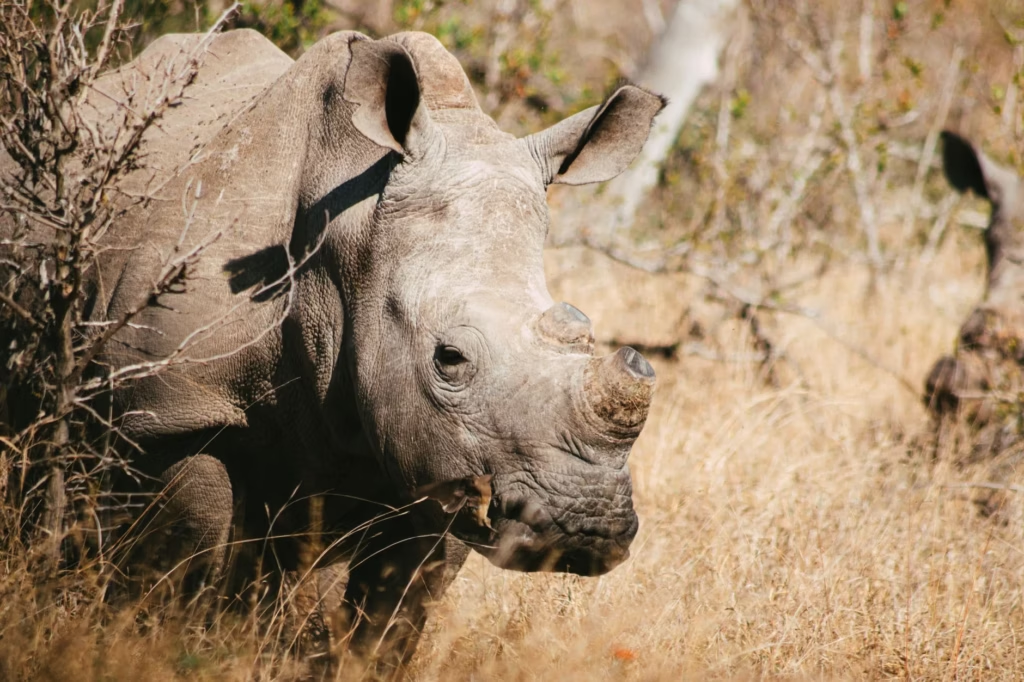
During drier periods, animals may gather more predictably around remaining water sources, and thinner vegetation can make some sightings easier. The landscape may look less green, though, and mornings can be cold. If you choose this period, bring warm layers for early drives and ask the lodge what equipment is provided.
Summer and the wetter months can create greener landscapes, newborn animals in some areas, and dramatic skies. On the other hand, thicker vegetation can make wildlife harder to see in certain locations. Rain may also affect roads or alter the rhythm of game drives.
There is no need to treat safari as a single standardized product. Compare the reserve, accommodation style, group size, guide experience, vehicle setup, transfer arrangements, and included activities. A small, locally operated experience may suit you better than the cheapest available package or the most luxurious one.
Solo travelers should think about the social format as well as the wildlife. Shared game drives and communal meals can make it easy to meet people, while a private vehicle offers more control but may change the cost considerably. Ask for a complete list of inclusions before paying a deposit.
For more inspiration about planning around contrasting landscapes and cultural experiences, you can browse our guide to the best time to visit Morocco. The climate is different, but the planning lesson is similar: cities, mountains, desert, and coast rarely share one perfect season.
When should you visit Cape Town and the coast?
Cape Town and South Africa’s coastal regions are best planned around the activities you want to do there. Summer is popular for sunny city days, beaches, outdoor meals, and coastal drives, while the shoulder seasons can offer a calmer balance for sightseeing and hiking.
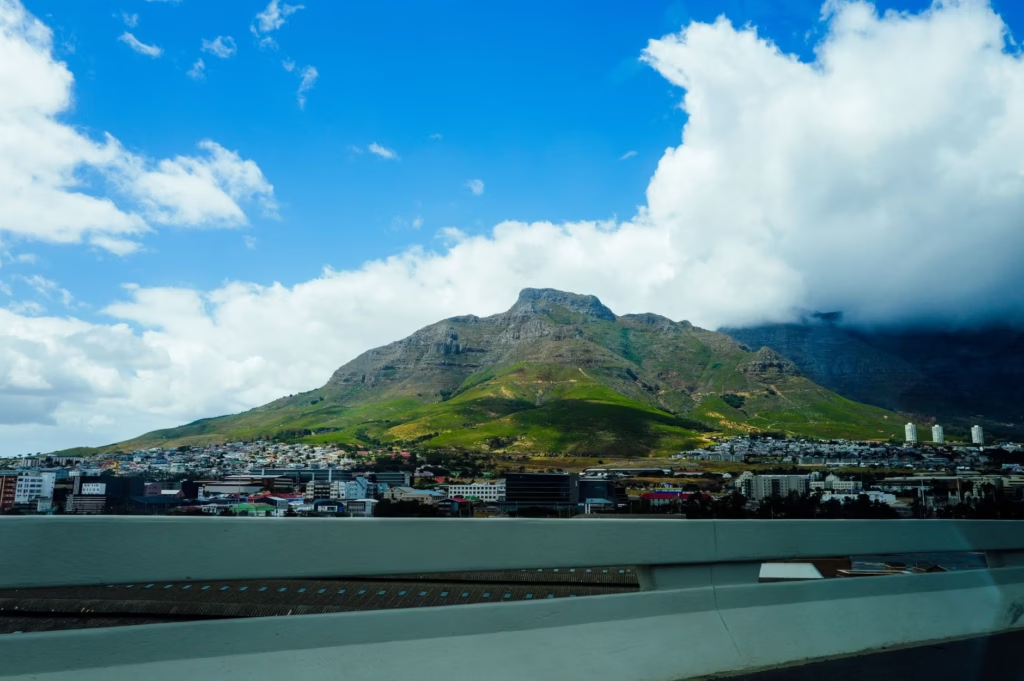
Cape Town is not only a beach destination. Museums, food markets, neighborhoods, gardens, galleries, and restaurants give you options when the weather changes. That makes it easier to visit outside the peak summer period, especially if you enjoy a city trip with a flexible schedule.
If you want to hike, check the current forecast and trail information before setting out. Wind can matter as much as temperature, particularly on exposed routes. Carry water, wear suitable shoes, and avoid treating a demanding hike as a last-minute add-on after a long travel day.
The Garden Route and other coastal road trips can work across more than one season, but driving conditions, accommodation demand, and outdoor activities vary. Build in time for unplanned stops, local cafés, viewpoints, and weather delays rather than arranging every night around a rigid checklist.
For a slower comparison, our guide to the best places to visit in the UK explores another destination where coasts, cities, countryside, and changeable weather need to be balanced in one itinerary. South Africa offers more dramatic distance, so leave even more breathing room.
How should you plan a budget-friendly South Africa trip?
A budget-friendly South Africa trip starts with a route that does not demand constant flights, rushed transfers, or expensive last-minute bookings. The cheapest room or airfare is not always the cheapest overall choice if it leaves you far from transport, activities, or your next destination.
Choose two or three main bases and compare the full cost of moving between them. Depending on your route, you may consider shared transfers, public transport, car rental, domestic flights, or small-group tours. Check current arrangements for your dates and compare luggage rules, pickup points, fuel, insurance, and overnight stops where relevant.
Accommodation can shape the social side of the trip. Hostels and guesthouses may make it easier to meet other independent travelers, while self-catering rooms can help control food costs. A locally run stay may also connect you with useful recommendations that are difficult to find in a generic booking description.
Spend deliberately on experiences that matter to you. If wildlife is your priority, I’d rather reduce the number of city stops than remove the safari entirely. If culture and food are more important, a cooking class, neighborhood food walk, or local guide may offer more value than adding another long-distance transfer.
When you’re comparing destination styles, our guides to the best places to visit in Albania and the best places to visit in Scotland can help you think about how different countries reward slower, region-focused travel.
What should you pack for South Africa in any season?
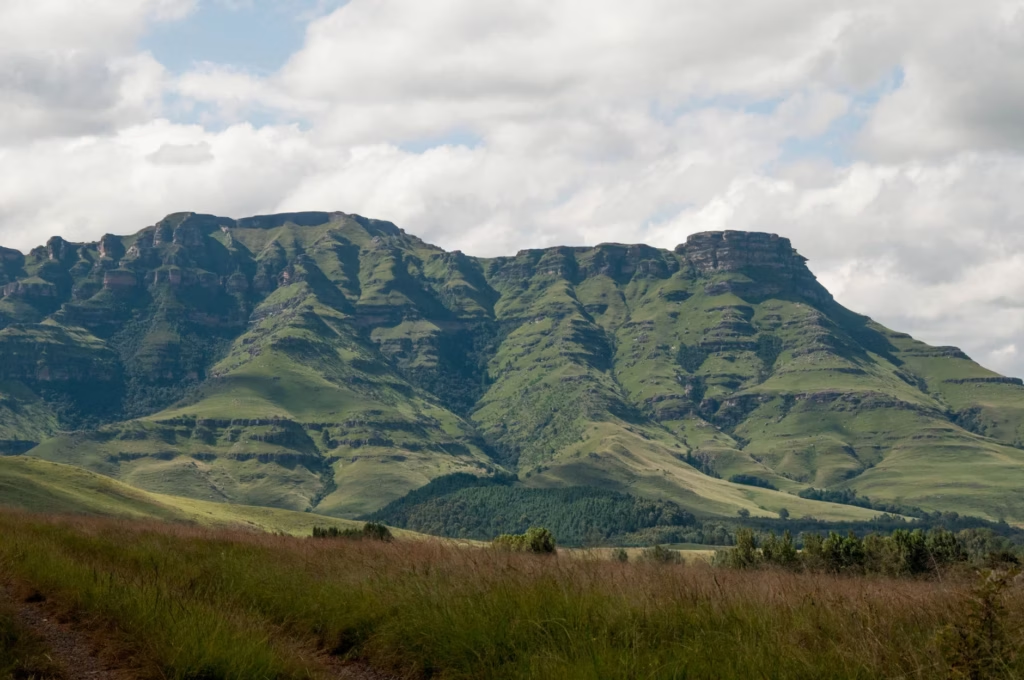
Pack for the regions on your itinerary rather than for one national average. A Cape Town city break, a winter safari, a coastal road trip, and a mountain hike can require very different clothing, even during the same month.
- Comfortable shoes for city walks, uneven paths, and light hikes.
- Layers for cool mornings, warm afternoons, and changing coastal conditions.
- Sun protection, including a hat, sunglasses, and sunscreen.
- A lightweight rain layer if your itinerary includes wetter regions or outdoor activities.
- Warm clothing for winter mornings, high elevations, and open safari vehicles.
- A small day bag, refillable bottle, and offline copies of key travel details.
- Respectful clothing for religious, rural, and community settings.
Before departure, check current entry requirements, travel advisories from your government, weather forecasts, trail conditions, park access, transport arrangements, and activity details for your nationality and dates. Anything involving schedules, prices, opening arrangements, or entry conditions should be confirmed close to travel.
South Africa is a rewarding place to travel independently, but flexibility should not mean a lack of preparation. Keep someone informed when heading into remote areas, follow local guidance, and choose activities that match your experience and the current conditions.
How can you build a better South Africa itinerary?
A strong itinerary begins with one clear priority. Wildlife lovers might combine a safari with Johannesburg or a nearby cultural stop and then add a manageable coastal section. Food and city travelers could focus on Cape Town, the Winelands, and a shorter road trip. Hikers may prefer to build the journey around one mountain region rather than collecting several demanding walks.

Try not to copy a route designed for someone with a different budget, travel pace, or transport arrangement. South Africa can look deceptively easy to cover on a map. Give yourself buffer time before important departures, and avoid booking a nonrefundable connection immediately after a weather-dependent activity.
For ideas beyond South Africa, our guide to the best places to visit in Australia offers a useful comparison for planning a large country around regional priorities. You can also explore our guide to the best things to do in Morocco or the best places to visit in Morocco if you’re comparing long-haul destinations with strong food, culture, and landscape experiences.
Keep space for the moments that don’t fit neatly into an itinerary: a long meal, a conversation in a hostel kitchen, a local market, an unexpected viewpoint, or an extra night in a place that feels worth staying. That flexibility is especially valuable when you’re traveling alone. You can remain independent while still joining a group activity or accepting a recommendation from someone you meet.
What to do next
Start by choosing your main reason for going. For safari, compare dry-season and shoulder-season options by reserve. For Cape Town and the coast, look at summer alongside the quieter shoulder seasons. For hiking, research the exact region, route, and elevation. For a broad first trip, compare autumn and spring before considering a more specialized itinerary.
Then choose a few strong bases, check the full logistics, and reserve the parts with limited availability. Leave room around outdoor activities, especially when a missed connection or weather change could affect the rest of the trip.
The best time to visit South Africa is ultimately the season that matches the experience you care about and the pace you can enjoy. Plan with regional differences in mind, stay open to changing the order of your route, and give yourself enough time to connect with the places and people along the way.




3 Comments