

Best Places to Visit in the UK: 10 Must-See
The best places to visit in the UK depends on the kind of trip you want, but the country’s biggest strength is variety. Within a relatively compact area, you can move from busy cities and medieval streets to rugged coastlines, mountain trails, green valleys, and island landscapes. I’d choose a region that matches your interests rather than trying to see every famous landmark in one rushed itinerary.
This guide brings together ten of the best places to visit in the UK for independent travelers, solo adventurers, backpackers, and anyone who wants more than a quick photo stop. Some destinations are easy to reach without a car, while others reward a slower road trip. The key is to leave room for local cafés, neighborhood pubs, market towns, coastal walks, and the unplanned discoveries that make travel feel personal.
Table of Contents
How to choose the best places to visit in the UK
The best places to visit in the UK for you comes down to your travel style, available time, and preferred landscape. London suits first-time visitors who want museums, food, neighborhoods, and major cultural attractions. Edinburgh and York offer layers of history in walkable cities, while Cornwall and the Jurassic Coast are better for beaches, cliffs, and coastal walks.
For mountains and outdoor adventure, look toward the Lake District, Snowdonia, or the Scottish Highlands. Northern Ireland offers a particularly rewarding combination of dramatic coast, lively cities, and deep cultural history. The Cotswolds, meanwhile, work well for travelers who want village walks, country scenery, and a slower pace.
Transport should shape your plan from the beginning. Major cities are generally easier to explore by public transport, while rural areas may require a car, local buses, or an organized day trip. Check current train, bus, road, ferry, attraction, and accommodation information for your dates. A map can make the UK look easy to cross, but winding roads and multiple connections can turn a short-looking journey into a full travel day.
If you’re comparing this trip with long-haul ideas, our guides to the best places to visit in Australia, the best places to visit in China, and the best places to visit in the USA offer very different approaches to planning around distance and regional variety.
10 must-see places in the UK
1. London: Museums, neighborhoods, and endless energy
London is one of the best places to visit in the UK for travelers who want world-class museums, historic buildings, diverse food, live music, theater, and neighborhoods that each feel like a separate destination. The city can be overwhelming at first, so I’d resist trying to cover it all in a single sweep.

Choose a few areas and explore them properly. You might combine a museum morning with a walk through a market, a riverside route, or a small gallery away from the busiest streets. London’s famous sights deserve attention, but the city’s character often appears in its independent cafés, community markets, bookshops, public parks, and local restaurants.
It’s a strong choice for solo travelers because walking tours, hostels, food halls, museums, and cultural events make it easy to meet people without committing to a full group itinerary. The trade-off is cost and scale. Accommodation can be expensive, and crossing the city takes time, so choose a base near the areas you most want to explore. Build in quieter moments too; a long walk through a park can be a useful reset after a crowded day.
2. Edinburgh: Historic streets and a dramatic city setting
Edinburgh is one of the best places to visit in the UK for travelers drawn to history, architecture, literature, museums, festivals, and a cityscape shaped by hills and old stone buildings. The capital is compact enough for walking, yet varied enough to fill several days without relying on a car.

Start in the Old Town, then give yourself time to explore beyond its busiest streets. The contrast between the Old Town and New Town is part of the city’s appeal, while viewpoints, public gardens, independent bookshops, and neighborhood restaurants provide a more relaxed rhythm. I’d avoid turning every hour into a ticketed attraction. Leave room for a quiet café, live music, or an unplanned walk uphill.
Edinburgh also makes a useful starting point for exploring more of Scotland. If you want to continue north, our guide to the best places to visit in Scotland covers destinations ranging from Glasgow and the Highlands to Skye, Orkney, and the Cairngorms.
3. The Lake District: Lakes, fells, and rewarding walks
The Lake District is one of the best places to visit in the UK for travelers who want mountain scenery, lakeside paths, villages, and outdoor time without leaving England. It suits both experienced hikers and visitors who prefer short walks followed by a warm meal in a local pub.

Choose your base carefully and plan around the kind of walking you enjoy. Some routes are gentle and accessible, while others involve steep paths, exposed terrain, and demanding conditions. Check current weather, trail, parking, and public transport information before setting out, and don’t judge a route’s difficulty from a photograph or a line on a map.
The Lake District is especially good for slowing down. You can spend one day on a longer hike, another beside a lake, and a third exploring a village or literary site. Solo travelers should share their route when heading into the hills, carry suitable layers and water, and understand that phone coverage may not be consistent in every area.
4. Cornwall: Coastal paths, beaches, and local character
Cornwall is one of the best places to visit in the UK for travelers who want dramatic coastline, beaches, fishing harbors, surfing, art, and a strong regional identity. The landscape is most rewarding when you move slowly, whether that means walking a section of the South West Coast Path or spending an afternoon in a small harbor town.
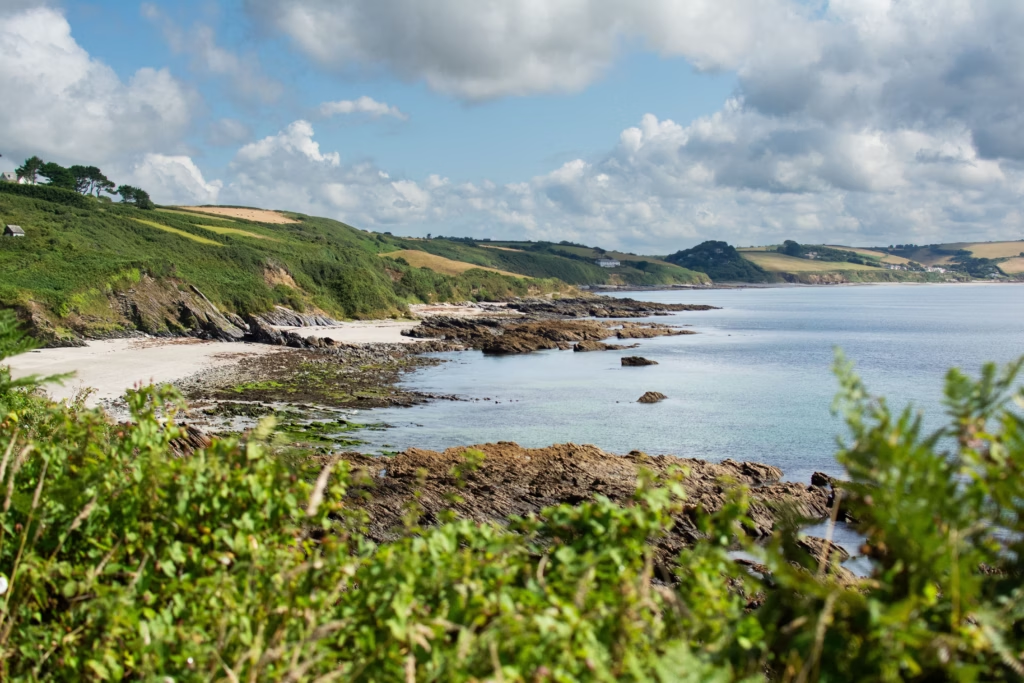
Popular places can become crowded during school holidays and warm weather, so consider staying in a smaller community and exploring nearby areas rather than concentrating only on the most famous beach. Coastal paths can include steep sections and uneven surfaces, so bring proper footwear and check conditions before walking.
Cornwall is possible without a car if you plan around train and bus connections, but a vehicle may make remote beaches and villages easier to reach. Either way, avoid packing too many stops into one day. The best moments may come from a bakery, a conversation with a local shopkeeper, or a quiet stretch of coast between headline attractions.
5. York: Medieval history and walkable city life
York is one of the best places to visit in the UK for travelers interested in medieval architecture, museums, city walls, independent shops, and a destination that is easy to explore on foot. Its historic center is compact, making it a comfortable choice for a solo city break or a slower stop between larger destinations.

Walk through the old streets, explore the city’s historic buildings, and make time for museums that explain York’s changing identity rather than focusing only on its most photographed lanes. The city also has a lively food and café scene, with plenty of opportunities to take a break without needing a formal itinerary.
York works well as a base for travelers who prefer public transport. You can fill a day with history and architecture, then spend an evening in a small restaurant or pub. If you’re traveling during a particularly busy period, book accommodation ahead and start popular walks early, when the city feels less crowded.
6. Snowdonia and North Wales: Mountains, castles, and Welsh culture
Snowdonia, also known as Eryri, is one of the best places to visit in the UK for mountain landscapes, hiking, lakes, castles, and a chance to experience Welsh language and culture. The area is broader than one famous summit, so build your trip around several types of experience rather than one climb.

Experienced hikers may plan a demanding mountain route, while other travelers can choose woodland walks, lakeside paths, villages, and historic sites. Check current trail, weather, parking, and access information before setting out. Mountain conditions can change quickly, and a route that looks manageable from below may require more preparation than expected.
North Wales is particularly rewarding by car, although selected areas can be reached by train and bus with careful planning. If you’re traveling independently, consider staying more than one night in a local community. That gives you time to support small cafés and shops, learn about the region, and explore without treating the landscape as a race to the next viewpoint.
7. The Scottish Highlands: Wide landscapes and outdoor adventure
The Scottish Highlands are one of the best places to visit in the UK for travelers who want lochs, glens, mountains, castles, wildlife, and long-distance views. The region is not a single attraction, and choosing a manageable route is more important than trying to cover every famous landscape.
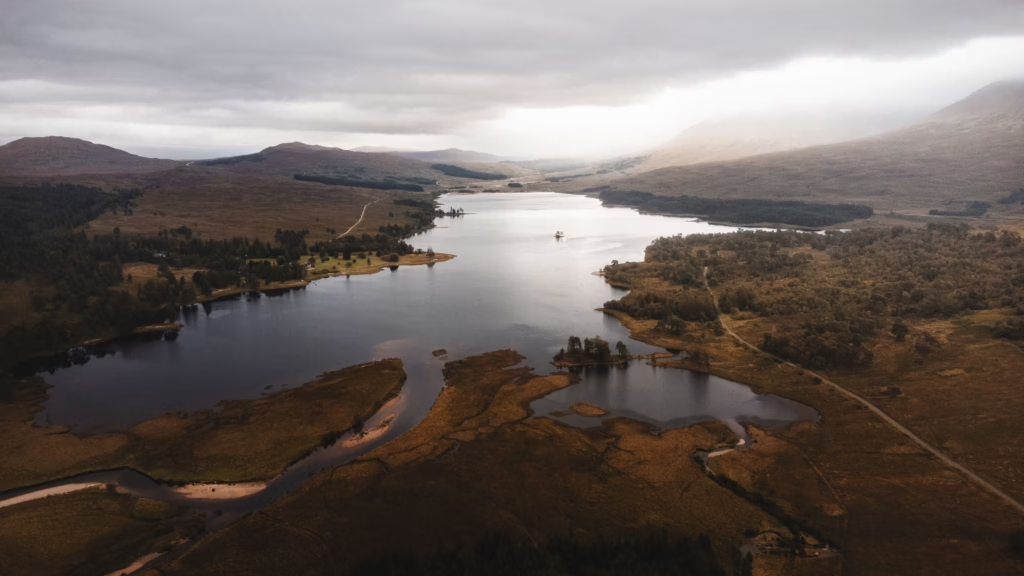
Pick one or two bases and explore the surrounding area. Scenic roads can be narrow and winding, and weather may change your walking plans, so allow extra time and check current road and trail information. A guided small-group tour can suit solo travelers who don’t want to rent a car, while self-driving offers more freedom to stop when a landscape catches your attention.
The Highlands reward travelers who leave space in the schedule. A village café, a short shoreline walk, or a local recommendation can become more memorable than another long driving day. Pack waterproof layers and comfortable shoes, and remember that remote areas may have limited shops, services, and phone signal.
8. Belfast and the Causeway Coast: History and dramatic shores
Belfast and the Causeway Coast are among the best places to visit in the UK for travelers who want urban culture, maritime history, coastal scenery, and a destination with a distinctive local voice. Belfast offers museums, food, music, and neighborhoods with stories that deserve more than a quick stop.

Spend time in the city before heading toward the coast. A guided history tour can provide helpful context, while local restaurants, markets, and cultural venues offer a more contemporary view of Belfast. Along the Causeway Coast, combine famous geological landscapes with smaller towns, cliff walks, beaches, and viewpoints.
Check current access, weather, road, and public transport information before planning a coastal day. Wind and rain can affect exposed paths, and some locations may require more time to reach than expected. A small-group tour is a practical choice for solo travelers who want company and local insight without managing every connection themselves.
9. The Cotswolds: Village walks and a slower pace
The Cotswolds are one of the best places to visit in the UK for travelers who want stone villages, countryside walks, historic market towns, gardens, and a gentler travel rhythm. The region is best approached as a collection of communities rather than a single attraction.
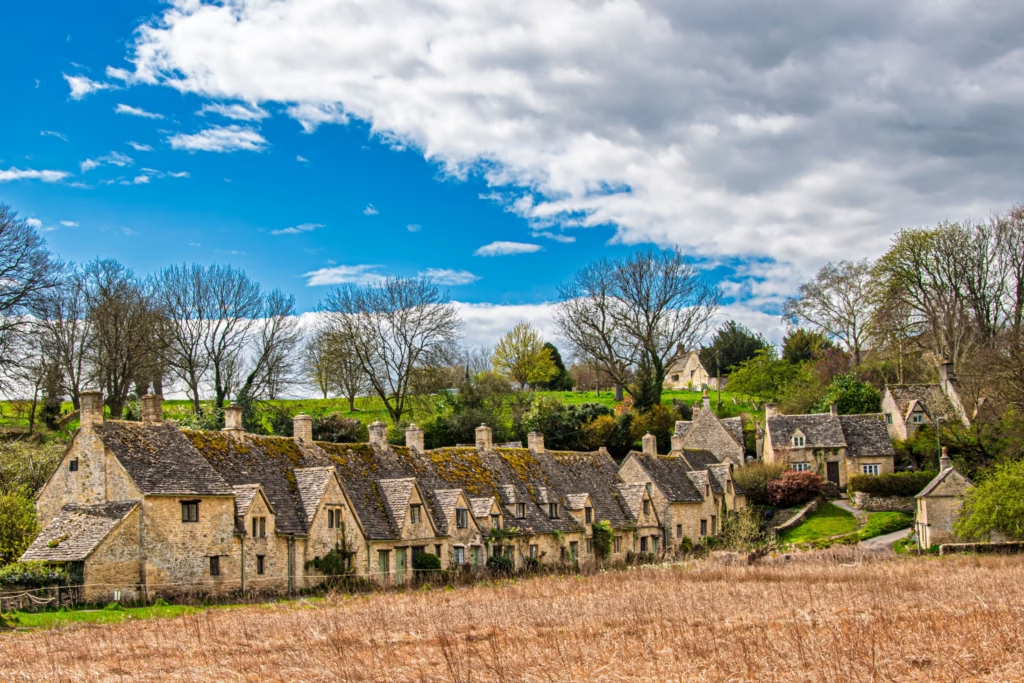
Choose a base with access to the villages and walks that interest you, then explore beyond the most photographed streets. Independent shops, local cafés, farm shops, and small museums can reveal more of the region’s character than a quick circuit of famous buildings. Walking routes vary, so check maps, weather, and access guidance before leaving.
Public transport is available in parts of the Cotswolds, but connections may be less frequent than in major cities. A car provides flexibility, although narrow roads and busy village centers require patience. If you’re driving, park considerately and remember that these are lived-in communities, not just visitor backdrops.
10. The Jurassic Coast: Cliffs, fossils, and seaside towns
The Jurassic Coast is one of the best places to visit in the UK for travelers interested in geology, coastal walks, beaches, fossils, and seaside communities. Stretching along the coast of southern England, it offers a varied route rather than one single viewpoint.

Plan around the type of day you want. You can walk a section of the coast, explore a harbor town, visit a museum, or spend time on a beach when conditions allow. Cliffs and coastal paths require care, so stay on marked routes, keep away from unstable edges, and check current weather and access information.
The region can fit into a longer southwest England itinerary, but I’d avoid racing from one end to the other. Choose a few areas and allow time for local food, small shops, and the changing light over the sea. For solo travelers, guided geology walks and boat trips can add context and make the landscape more social.
How to build a UK itinerary
A good UK itinerary is built around regions, transport connections, and a realistic pace. For a first trip, London can combine with York or the Cotswolds, while Edinburgh can lead into the Highlands. Cornwall and the Jurassic Coast work naturally in a southwest route, and North Wales deserves enough time for both mountains and cultural stops.
- For history and culture: choose London, Edinburgh, York, and Belfast.
- For mountains and hiking: focus on the Lake District, Snowdonia, or the Scottish Highlands.
- For coastal scenery: consider Cornwall, the Jurassic Coast, or the Causeway Coast.
- For a slower rural trip: choose the Cotswolds and one nearby historic city.
- For solo travel: combine a walkable city with a guided hike, food tour, or coastal excursion.
Give yourself fewer bases than you think you need. Changing accommodation every night can make a short trip feel like a logistics exercise, especially when trains, buses, ferries, and weather are involved. Check current schedules and accommodation availability for your dates, then leave some flexibility around important connections.
Practical tips for visiting the UK
Pack for changeable weather rather than a single forecast. Waterproof layers, comfortable walking shoes, warm clothing, and a small day bag are useful whether you’re exploring a city or heading into the hills. Coastal wind and mountain rain can make conditions feel very different from what you experienced earlier in the day.
Check current information before hiking, driving rural roads, visiting islands, or planning a coastal walk. Follow signs, keep gates closed, stay on marked paths where requested, and take rubbish with you. In remote areas, don’t assume that shops, toilets, transport, or mobile signal will be available when you need them.
Food is one of the easiest ways to connect with local life. Try regional dishes, independent bakeries, markets, seafood, pub meals, and restaurants shaped by the UK’s many communities. If you have allergies or dietary restrictions, explain them clearly and confirm ingredients rather than relying on assumptions.
The UK can suit a range of budgets, but costs vary considerably between cities, rural areas, and busy travel periods. Compare hostels, guesthouses, self-catering accommodation, rail or bus travel, and organized day trips for your dates. Free museums, public parks, walking routes, and local markets can help balance more expensive activities.
Solo travel doesn’t have to mean isolation. Join a walking tour in London, a food experience in Edinburgh, a guided hike in Snowdonia, or a small-group coastal trip in Cornwall or Northern Ireland. Then protect your quiet time too. A solo museum visit, a long train ride, or a warm seat in a village pub can be part of the pleasure.
What to do next
Start by choosing the experience you most want from the UK. If city culture comes first, compare London, Edinburgh, York, and Belfast. If landscapes are the priority, look at the Lake District, Snowdonia, Cornwall, the Jurassic Coast, or the Scottish Highlands. For a slower rural journey, consider the Cotswolds.
Once you’ve selected two or three anchors, check current transport, weather, trail, access, and accommodation information for your dates. Then leave space between major plans. The UK is at its best when you have time to stop for a local recommendation, follow a coastal path, linger over a meal, or stay an extra day somewhere that feels worth exploring.






6 Comments