
Best Places to Visit in Australia: 10 Must-See
The best places to visit in Australia stretch from lively coastal cities and ancient desert landscapes to tropical reefs, eucalyptus forests, and rugged island wilderness. Australia is so large that trying to cover everything in one trip usually creates more time on the move than time enjoying the places you came to see.
I’d begin by choosing the kind of journey you want. Do you want city culture and food, a long road trip, wildlife, hiking, beaches, Indigenous heritage, or a slower escape into nature? Once you have that answer, planning becomes much easier. You can also compare the scale and variety of Australia with our guides to the best places to visit in Thailand, the best places to visit in Jordan, the best places to visit in China, and the best places to visit in the USA.
Table of Contents
How to choose among the best places to visit in Australia
The right Australian destination depends on your available time, transport, budget, and preferred travel experience. Sydney and Melbourne are natural choices for first-time visitors who want culture, food, neighborhoods, and easy access to urban attractions. Queensland suits travelers drawn to reefs, tropical forests, and warm coastal landscapes, while the Northern Territory offers a stronger focus on ancient geology and Indigenous cultural experiences.
Australia is also a rewarding country for independent travel, although its distances can be misleading. A route that looks simple on a map may involve long driving days or an additional flight. For a shorter trip, I’d choose one region and explore it properly. Solo travelers can meet people through hostels, walking tours, group hikes, dive trips, cooking classes, and organized road journeys, then return to quieter days when they need a break.
10 must-see places in Australia
1. Sydney: Harbourside energy and coastal walks
Sydney is one of the best places to visit in Australia for travelers who want iconic architecture, beaches, galleries, food, and a lively introduction to the country. The harbour is the obvious starting point, but the city becomes more interesting when you give equal attention to its neighborhoods and coastline.
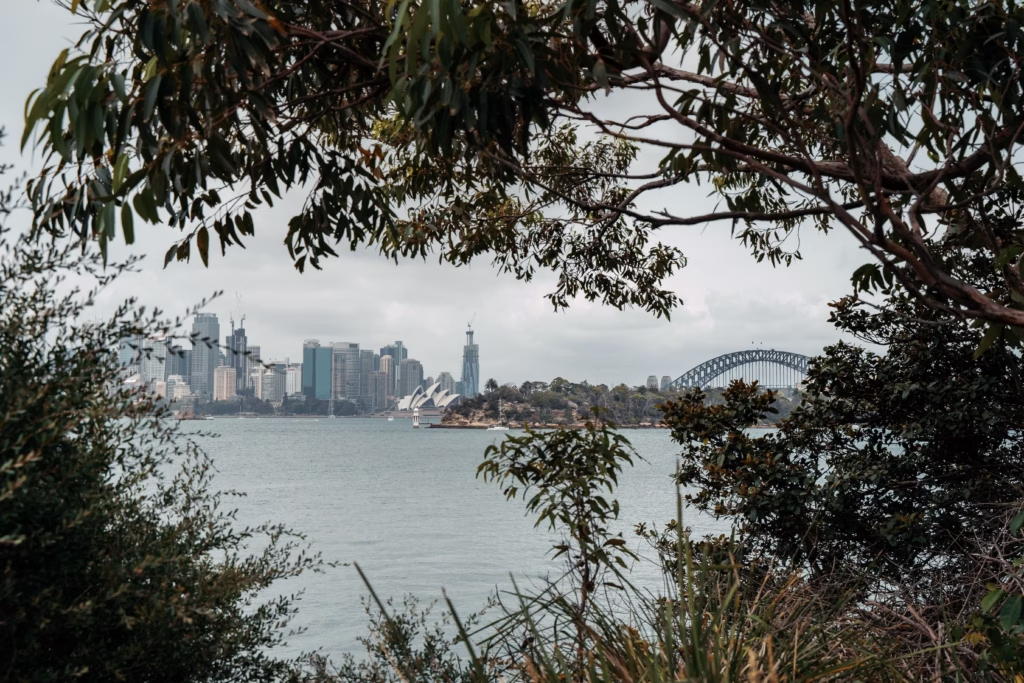
Spend time around the harbour, then explore areas with independent cafés, markets, restaurants, and local cultural venues. Sydney is particularly easy to enjoy without a car, making it practical for solo travelers and first-time visitors. A coastal walk can add fresh air to a city itinerary, while the beaches offer a completely different rhythm from the central business district.
The trade-off is cost. Accommodation and dining can put pressure on a backpacker budget, so compare different neighborhoods rather than assuming the center is your only option. I’d also avoid filling every day with major attractions. A long lunch, a public garden, or an unplanned ferry ride can make the city feel less like a checklist.
2. Melbourne: Food, art, and neighborhood culture
Melbourne is one of the best places to visit in Australia for travelers who enjoy independent restaurants, coffee, live music, street art, galleries, design, and neighborhoods with strong personalities. It has a more layered urban feel than a traditional sightseeing city, and that makes wandering one of the best ways to experience it.
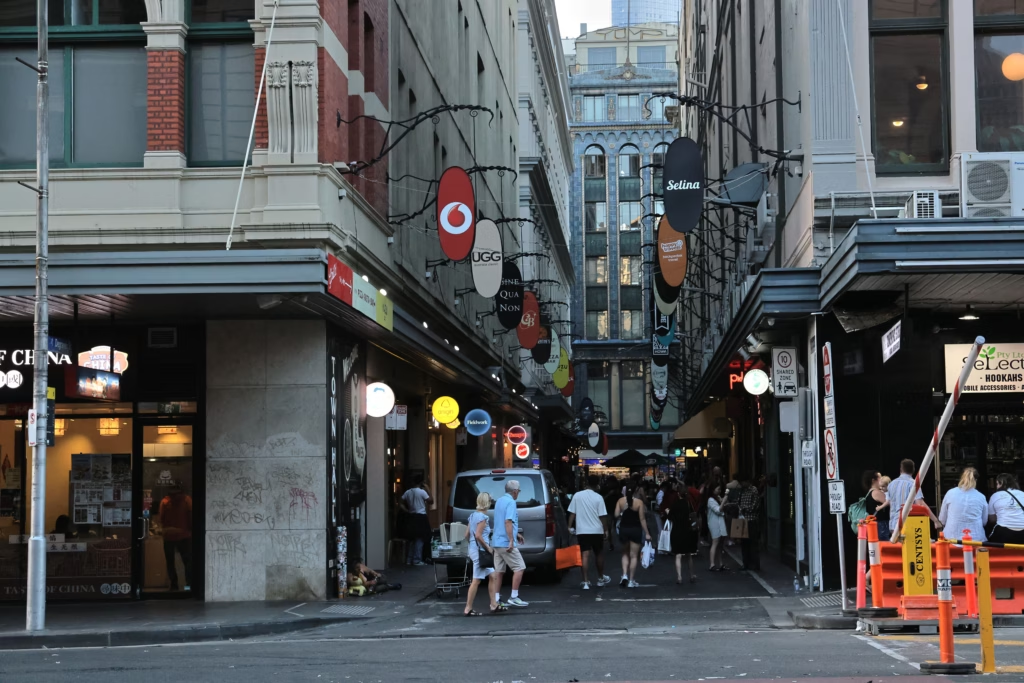
Build your days around a few cultural stops, then leave room for side streets, markets, bookshops, and small restaurants. Melbourne rewards curiosity more than a rigid schedule. Its food scene also makes it a comfortable destination for solo travelers: counter seating, food halls, and guided tastings create opportunities to eat well without needing a group.
Melbourne is a useful base for exploring southern Victoria, but don’t automatically turn a city stay into a rushed road trip. If the city’s creative and social side appeals to you, give it enough time to settle into different neighborhoods. Travelers who want a major road journey can add the Great Ocean Road separately rather than trying to squeeze it into one overpacked day.
3. The Great Barrier Reef: A living underwater world
The Great Barrier Reef is one of the best places to visit in Australia for travelers interested in snorkeling, diving, marine life, and tropical coastlines. The reef is not one single tourist attraction, so the experience depends heavily on where you base yourself and which operator you choose.
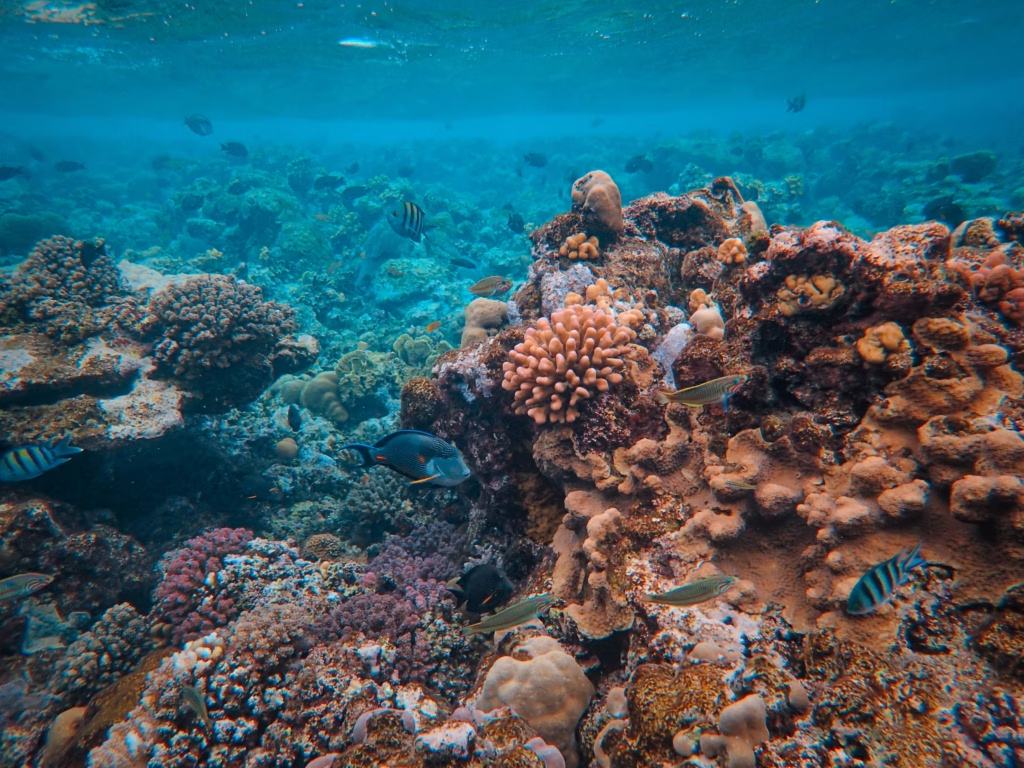
Cairns and Port Douglas are common starting points for reef trips, while other coastal areas offer different access and atmospheres. Before booking, compare group size, time on the water, equipment, environmental practices, and weather procedures. The cheapest excursion may not give you the longest or most thoughtful reef experience.
Choose an operator that explains how it protects marine environments and follows responsible wildlife guidelines. Never touch coral or marine animals, and remember that sea conditions can change. A reef trip works well for solo travelers because shared boats and guided snorkeling create an easy social setting, but you should still leave flexibility around other transport connections.
4. Uluru-Kata Tjuta National Park: Ancient desert landscapes
Uluru-Kata Tjuta National Park is one of the best places to visit in Australia for travelers drawn to desert scenery, geology, and living Indigenous culture. Uluru is visually powerful, but the most meaningful visit goes beyond viewing it as a solitary landmark.
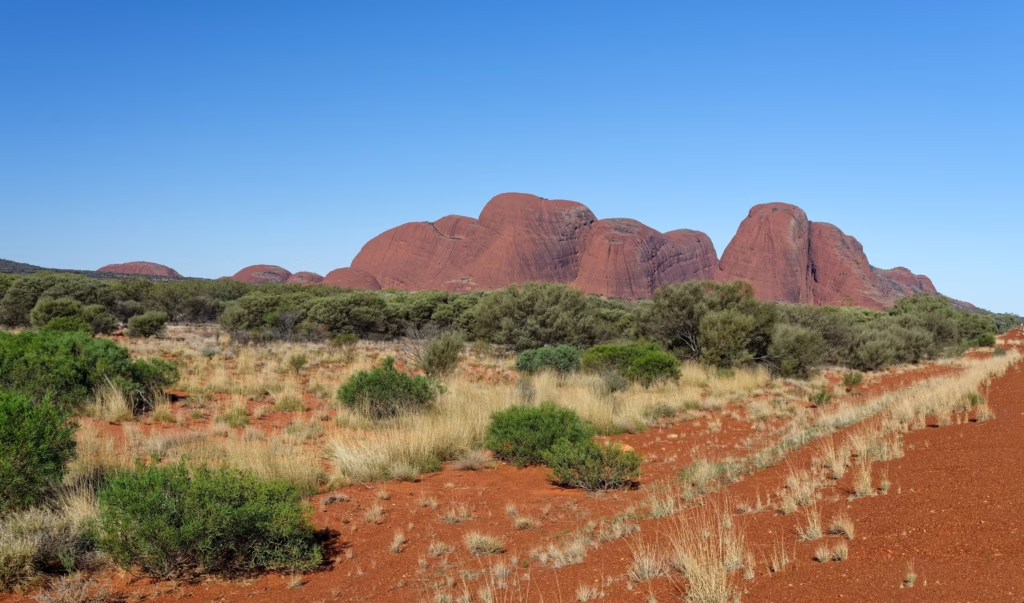
Learn about the Anangu connection to the land and follow all guidance around photography, walking routes, and culturally significant areas. Guided experiences can add context that is difficult to gain from a quick viewpoint stop. Sunrise and sunset are popular times to visit, although the desert landscape deserves attention throughout the day.
Plan carefully for heat, water, sun exposure, and the remoteness of the region. Check current park access, walking conditions, transport, and cultural guidance before setting out. Uluru fits naturally into a dedicated Red Centre trip; it is not a casual side trip to add between distant cities.
5. Tasmania: Wilderness, food, and a slower pace
Tasmania is one of the best places to visit in Australia for travelers who want national parks, rugged coastlines, cool-climate food, historic towns, and a less hurried travel rhythm. The island’s variety makes it appealing to hikers, road trippers, photographers, and independent travelers who enjoy changing landscapes.
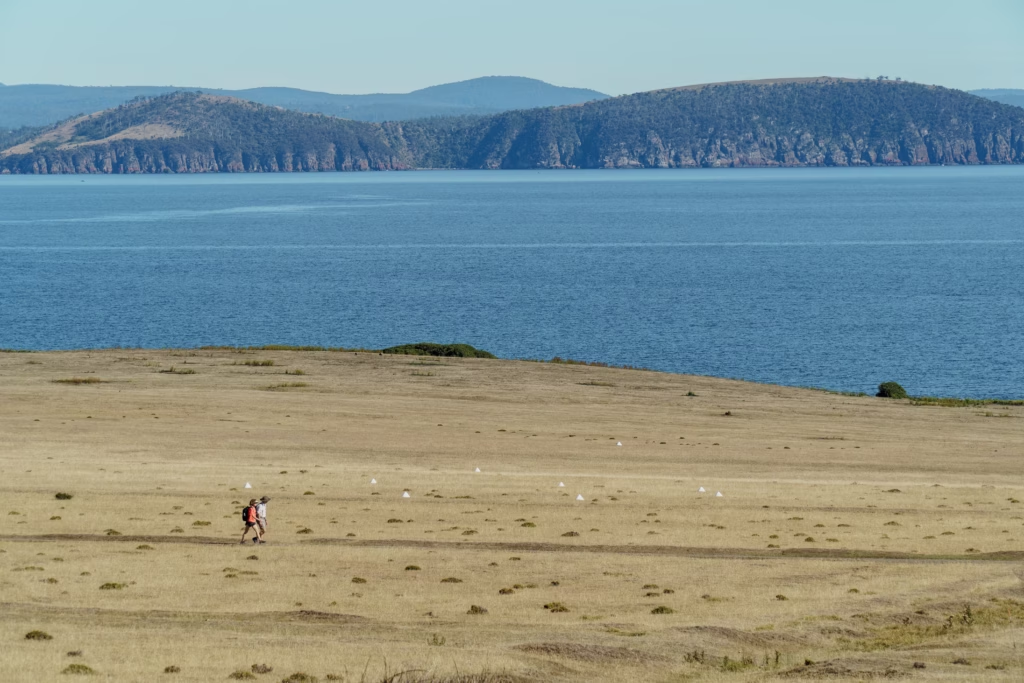
Hobart makes a strong starting point for food, art, history, and access to southern landscapes. Beyond the capital, you can shape a route around mountain walks, coastal scenery, forests, local produce, and small communities. I’d choose a few areas rather than attempting to circle the entire island on a tight schedule.
Weather can influence hiking and driving plans, so build in flexibility and pack layers. Tasmania is particularly rewarding when you allow time for local recommendations and longer stops. A quiet town, farm shop, or short trail may become more memorable than another major attraction.
6. The Great Ocean Road: A classic coastal road trip
The Great Ocean Road is one of the best places to visit in Australia for travelers who want coastal cliffs, beaches, rainforest, small towns, and a memorable self-drive route. Its appeal comes from the changing scenery along the way, not only from one famous viewpoint.
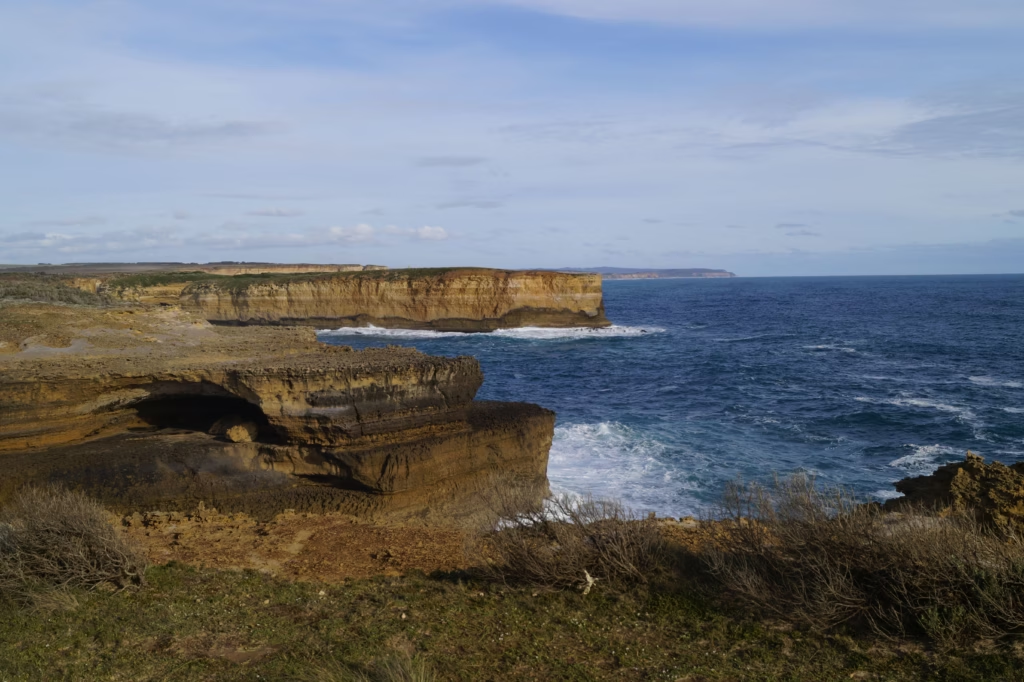
You can approach the journey as a short road trip or take more time for walks, local food, beaches, and inland detours. Driving yourself offers flexibility, while a small-group tour may suit solo travelers who would rather not rent a car or navigate alone. Either way, avoid judging the route only by the number of stops you can fit into a day.
Check current road conditions, weather, parking arrangements, and walking access before leaving. Coastal roads deserve patience, and fatigue can quickly turn a beautiful drive into an uncomfortable one. I’d plan fewer stops and allow time to pull over when the landscape catches your attention.
7. Daintree Rainforest and the Far North Queensland coast
The Daintree Rainforest and Far North Queensland coast are among the best places to visit in Australia for travelers who want tropical forest, wildlife, beaches, and a stronger sense of ecological diversity. The region makes a useful contrast with the reef because it encourages you to look inland as well as out to sea.
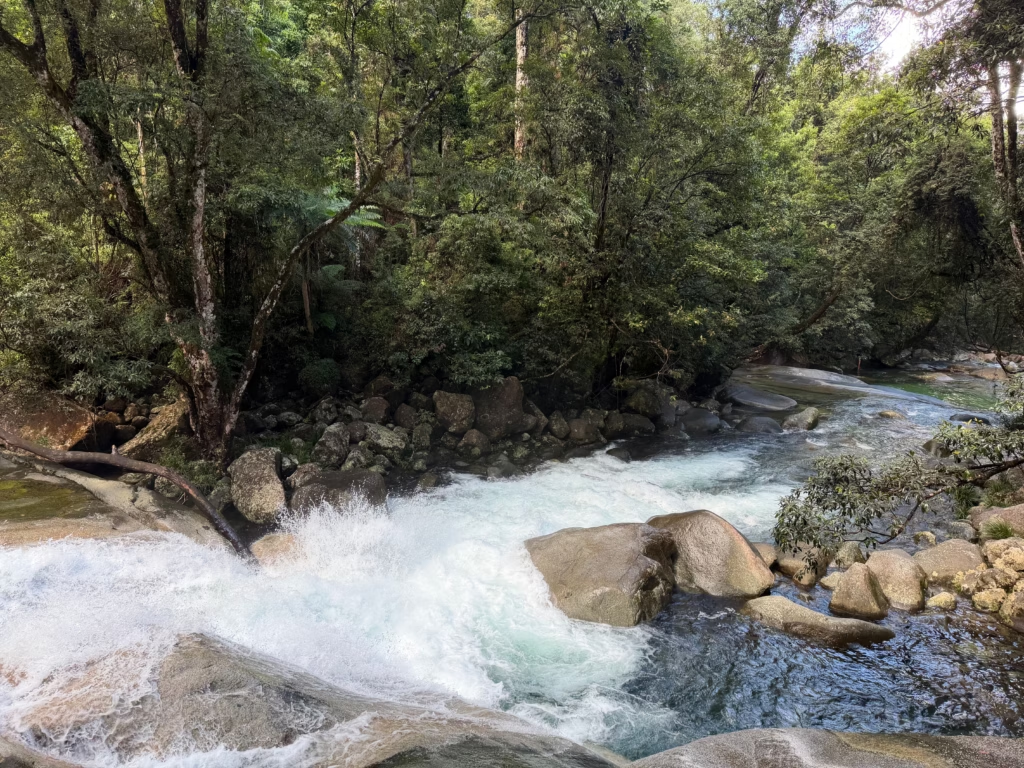
Choose guided walks, river experiences, and local tours that explain the forest’s ecology and support conservation. Follow guidance about marked routes, weather, water, and wildlife. Tropical environments can be demanding even when a trail appears short, so carry suitable supplies and avoid treating the rainforest like an ordinary city park.
This area is a good choice for travelers who enjoy combining outdoor activities with slower days in coastal communities. Stay long enough to experience more than one landscape, and avoid booking every activity in advance. Rain and changing conditions are part of the environment, not necessarily a reason to abandon the region.
8. Kakadu National Park: Wetlands, rock art, and living culture
Kakadu National Park is one of the best places to visit in Australia for travelers interested in wetlands, escarpments, wildlife, ancient rock art, and Indigenous heritage. It is a destination that rewards preparation because access, weather, and road conditions can shape what is possible.
Use official park information and local guidance when choosing walks, lookouts, cultural sites, and water-based activities. Rock art galleries and other significant places should be visited respectfully, with attention to photography rules and cultural protocols. A knowledgeable guide can help connect the landscape with the stories and traditions that continue to shape it.
Kakadu is not best experienced as a rushed day trip. Give yourself time to travel between areas and pause at wetlands, trails, and viewpoints. If you are traveling alone, a guided excursion can make logistics easier while providing company in a large and remote environment.
9. The Whitsundays: Islands, sailing, and clear-water scenery
The Whitsundays are among the best places to visit in Australia for travelers who want sailing, island scenery, snorkeling, beaches, and time on the water. The region can work for both active travelers and people who simply want a few days of coastal relaxation.
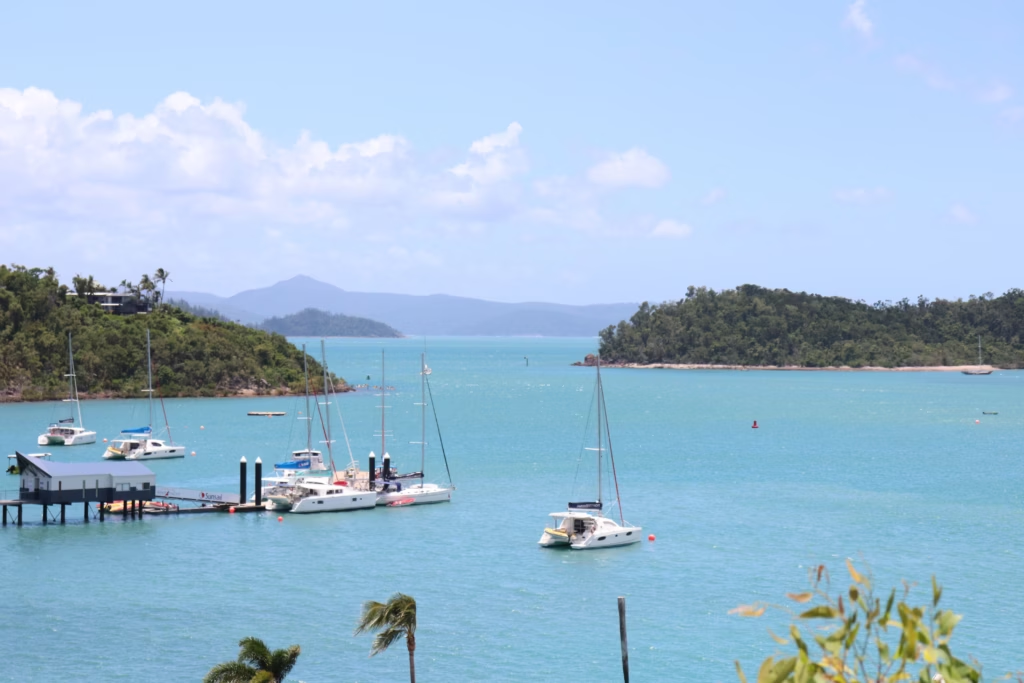
Airlie Beach is a practical base for arranging boat trips and island excursions, while overnight sailing creates a more immersive experience. Compare operators carefully, paying attention to group size, environmental practices, meals, equipment, and what happens if weather affects the route. A smaller trip may offer more personal interaction, while a larger boat can suit travelers looking for a social atmosphere.
Solo travelers can meet people easily on shared sailing and snorkeling trips, but protect your own time too. A quiet beach day or an unplanned afternoon in town may be more enjoyable than another scheduled excursion. Check current marine conditions before relying on a tight onward connection.
10. Perth and Rottnest Island: Western Australia’s relaxed edge
Perth and Rottnest Island are among the best places to visit in Australia for travelers who want beaches, cycling, urban parks, outdoor cafés, and a western coastal base. Perth is geographically separated from many of Australia’s better-known destinations, but that distance is part of its appeal if you want a trip with its own identity.
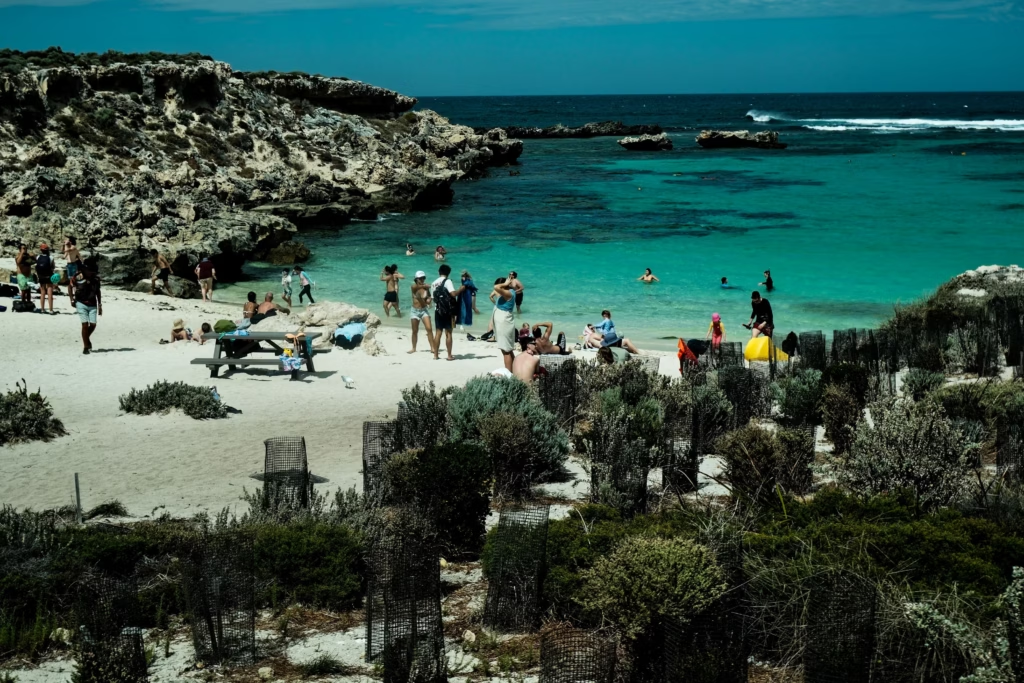
Explore Perth’s neighborhoods, riverside spaces, markets, and nearby beaches before heading to Rottnest Island for a slower day outdoors. Cycling and walking are popular ways to experience the island, but follow local guidance, carry water, and respect wildlife. Quokkas are wild animals, so admire them without feeding or handling them.
Western Australia also opens the door to much longer journeys, including coastal and inland routes. Don’t add them casually to a short city itinerary. If you have the time and enjoy road travel, the region can become the central focus of an entire trip rather than an afterthought.
How to build an Australia itinerary
A good Australia itinerary is built around one region rather than a long list of distant destinations. For a first trip, Sydney and Melbourne can provide a strong city-focused route, while Queensland suits travelers who want the Great Barrier Reef, tropical forests, and islands. Tasmania works best as its own slower journey, and Uluru or Kakadu deserve dedicated planning rather than rushed add-ons.
- For cities and food: choose Sydney and Melbourne, with time for neighborhood exploration.
- For reefs and tropical landscapes: focus on the Cairns, Daintree, and Whitsundays region.
- For road trips: compare the Great Ocean Road, Tasmania, and Western Australia according to your available time.
- For Indigenous heritage and ancient landscapes: consider Uluru-Kata Tjuta and Kakadu with respectful guided experiences.
- For a slower nature-focused trip: choose Tasmania or one carefully planned Queensland route.
Transport should shape the plan from the start. Australia has major cities with useful public transport, but many national parks, beaches, and rural areas require a car, organized tour, or domestic flight. Check current road conditions, park access, vehicle requirements, and accommodation locations before booking. Leave buffer time around flights and long drives; a delayed connection can have a bigger effect here than you might expect.
Practical tips for visiting Australia
Pack for the region, not for an imaginary single Australian climate. The country includes tropical humidity, desert heat, cool mountain areas, windy coasts, and changeable city weather. Comfortable walking shoes, sun protection, layers, a reusable water bottle, and a small day bag are useful almost everywhere.
Take outdoor guidance seriously. Check current information before hiking, swimming, driving remote roads, joining boat trips, or entering national parks. Stay on marked trails, follow signs around wildlife, carry enough water for the activity, and never assume that a beautiful landscape is automatically easy to navigate.
Food is a rewarding way to explore Australia’s cultural variety. Try local markets, neighborhood cafés, regional produce, seafood, Indigenous-led food experiences, and restaurants shaped by the country’s many migrant communities. If you have allergies or dietary restrictions, explain them clearly and confirm ingredients.
Australia can be expensive, but independent travelers have ways to manage the budget. Compare hostel kitchens, public transport, free walking routes, self-catering, campsites, and group tours against the cost of renting a car alone. Check current prices and policies for your dates rather than relying on old budget figures.
Solo travel doesn’t have to mean isolation. Hostels, shared road trips, food tours, dive boats, guided hikes, and small-group cultural experiences make it easy to meet people. At the same time, Australia is ideal for quiet travel days: a beach walk, a museum, a long drive with good music, or a conversation at a country café can all become part of the story.
What to do next
Start by choosing your main Australian experience. If you want city culture, compare Sydney and Melbourne. If reefs and tropical forests appeal to you, look at Queensland. For dramatic road trips, consider Tasmania or the Great Ocean Road, while Uluru and Kakadu suit travelers ready to plan around ancient landscapes and Indigenous heritage.
Once you’ve selected two or three anchors, check current transport, park access, weather, and activity information for your travel dates. Then leave space between major plans. Australia rewards travelers who slow down enough to stop at a coastal lookout, ask a local for a recommendation, watch wildlife from a respectful distance, or stay an extra day in a place that feels worth exploring.






6 Comments