
Best Places to Visit in Morocco: 10 Stunning Places
The best places to visit in Morocco are spread across a surprisingly varied landscape: lively imperial cities, mountain valleys, cedar forests, wide desert plateaus, and a breezy Atlantic coast. That variety is what makes planning a trip here so rewarding, and occasionally difficult. There’s a lot to choose from.
I’d encourage you to resist building an itinerary around one famous city alone. Marrakech is a natural starting point, but Morocco becomes more interesting when you combine it with the blue streets of Chefchaouen, the old lanes of Fes, a few days by the ocean, or a journey into the south. Each place has a distinct rhythm, and the contrast between them is part of the experience.
This guide covers ten of the best places to visit in Morocco, with practical ideas for deciding where to go, how long to stay, and what kind of traveler each destination suits. Explore more Morocco travel guides
Table of Contents
How to choose the best places to visit in Morocco
The best route depends on what you want from your trip. First-time visitors often combine Marrakech with a desert region and one Atlantic coast town. Travelers who enjoy history and architecture may prefer a city-focused journey through Fes, Meknes, and Rabat. If you’d rather slow down, Essaouira, the High Atlas, and the south offer more space between major sightseeing stops.
Morocco is not a destination I’d approach as a checklist. The medinas can be intense, journeys between regions can take patience, and some places feel much better when you leave room for unplanned wandering. A little flexibility also gives you more chances to eat locally, speak with residents, and notice the differences between regions.
For a first trip, I’d usually choose three or four bases rather than trying to cover the whole country. Marrakech, Fes, Chefchaouen, and Essaouira create a strong city-and-coast route. Adding the Atlas Mountains or the Sahara makes the trip more adventurous, but it also means more travel days.
1. Marrakech
Marrakech is one of the best places to visit in Morocco if you want a concentrated introduction to the country’s food, crafts, architecture, and street life. Its old medina is full of narrow lanes, market stalls, courtyards, and small workshops, while the newer parts of the city offer gardens, cafés, and a different pace.
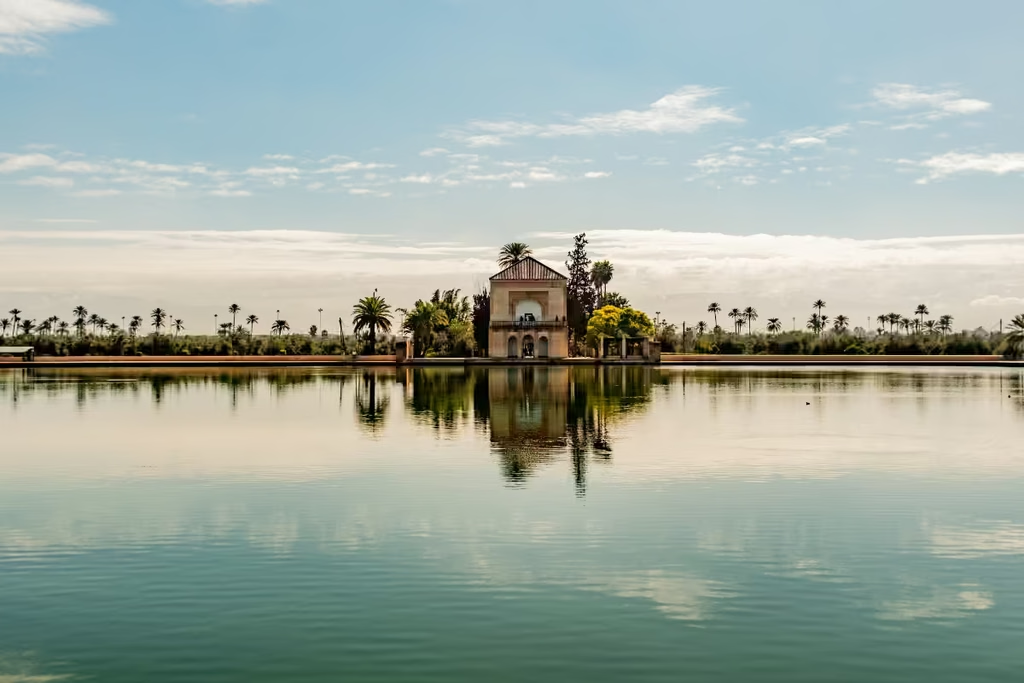
The medina is where many visitors spend most of their time. I’d explore it slowly rather than trying to see everything in one morning. Look for traditional doors, tiled courtyards, woven textiles, leather goods, and the small details of everyday life between the better-known sights. The central square is lively, but the surrounding lanes often provide a more layered sense of the city.
Marrakech is also a useful base for travelers who want plenty of accommodation and transport choices. It suits first-time visitors, food-focused travelers, and people who enjoy a busy atmosphere. The trade-off is that it can feel overwhelming, particularly if you arrive expecting a quiet introduction to Morocco. Give yourself time to adjust, keep your plans light on the first day, and don’t feel obliged to buy anything in the markets.
2. Fes
Fes is one of the best places to visit in Morocco for travelers drawn to historic streets, traditional craft, and a more immersive medina experience. The city is widely associated with its old quarter, where lanes lead past workshops, small shops, religious buildings, homes, and food stalls.
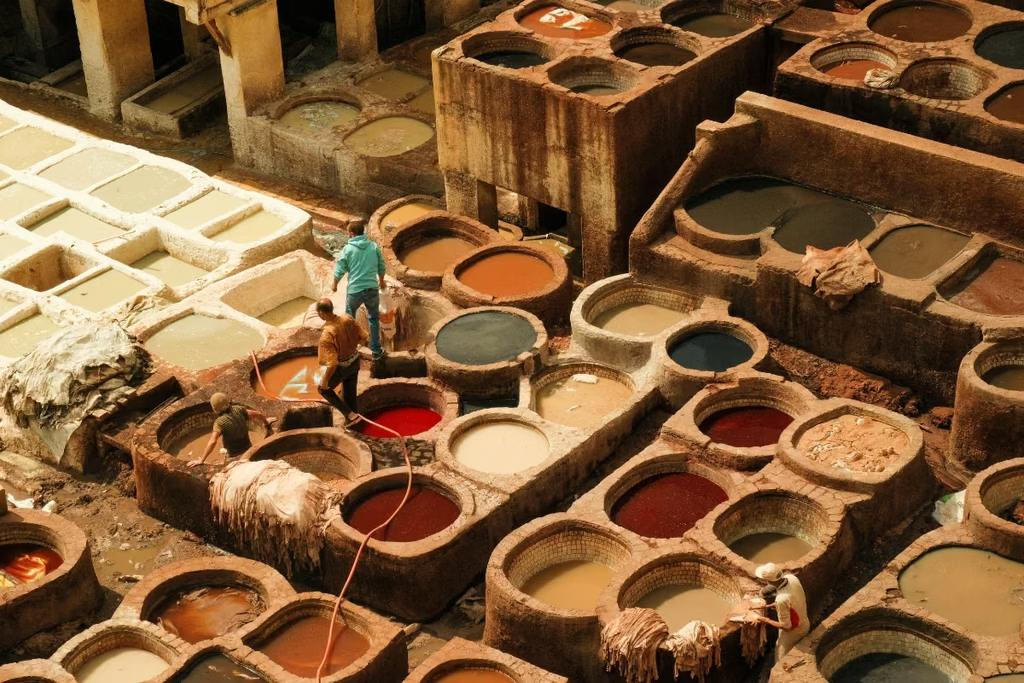
What I find appealing about Fes as a travel choice is that it rewards curiosity. You don’t need to rush from one attraction to the next. Instead, pay attention to the craftspeople at work, the changing sounds as you move through different parts of the medina, and the contrast between grand architectural details and ordinary neighborhood scenes.
Fes can feel less immediately easy than Marrakech. The layout is complex, and the narrow streets may be confusing at first. That is part of its character, but independent travelers should plan a little more carefully and use a reliable map or a guide when needed. I’d allow at least two full days here, especially if you want time for both the major historic areas and quieter exploration.
3. Chefchaouen
Chefchaouen is one of the best places to visit in Morocco for travelers who want a smaller town, mountain scenery, and a slower alternative to the larger imperial cities. Its old streets are known for blue-painted walls and stairways, but the town offers more than a photogenic backdrop.
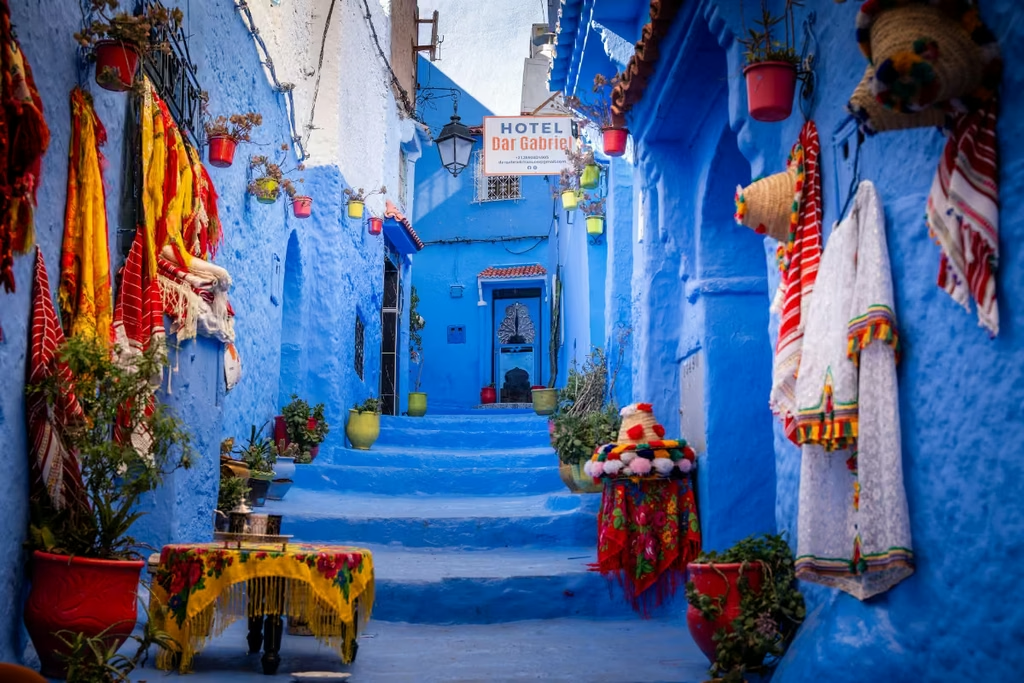
Spend time walking without a rigid route. The medina is compact compared with those of Marrakech and Fes, and the sloping streets create frequent views over rooftops and surrounding hills. Small shops sell woven goods, clothing, and local crafts, while cafés provide easy places to pause.
Chefchaouen works especially well for solo travelers who want a sociable setting without the scale of a major city. It’s also a good place to add a little walking to your itinerary. The surrounding Rif landscape offers opportunities for hikes and countryside excursions, but I would check local conditions and arrange transport or a guide for routes beyond town.
The main thing to remember is that Chefchaouen’s charm is tied to its pace. Try not to treat it as a quick photo stop. An extra night can make the visit feel much less hurried.
4. The Sahara
The Sahara is one of the best places to visit in Morocco for a change of scale. After the busy medinas and crowded roads of the north, the open desert landscape can feel wonderfully spacious. Travelers usually visit the desert as part of a longer journey through southern Morocco rather than as a standalone stop.
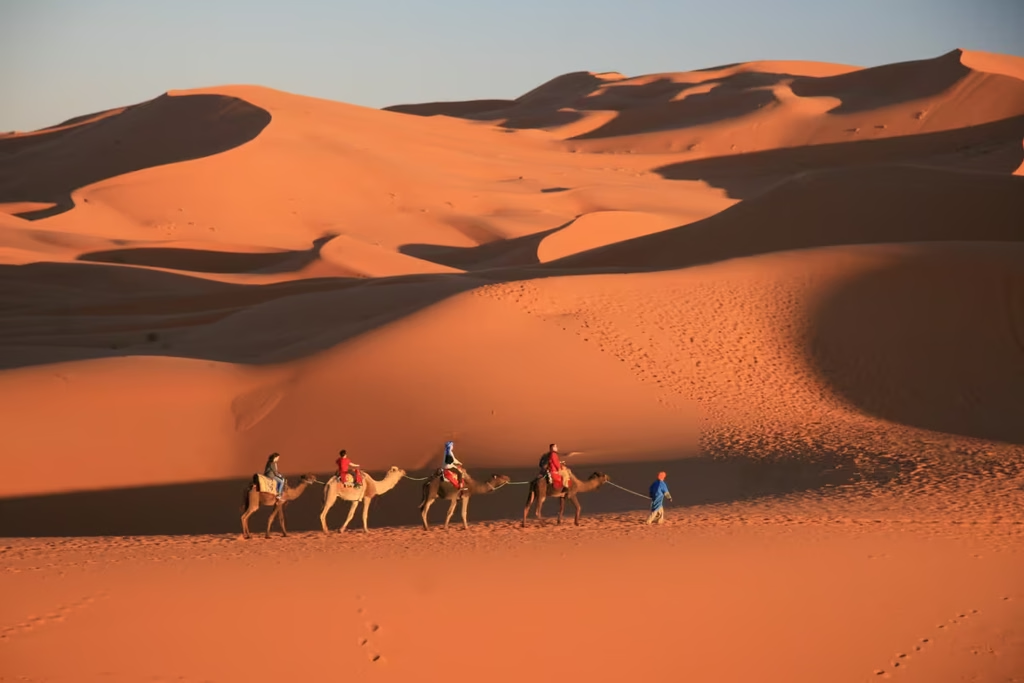
A desert trip is about more than reaching a particular dune. The route through the south can include changing landscapes, old villages, rocky plateaus, and mountain passes. That journey is often the most memorable part because the scenery develops gradually instead of appearing all at once.
Before booking, check exactly what an excursion includes. Ask how transportation is arranged, where you’ll sleep, how much time is spent traveling, and whether the group size suits you. Budget travelers should compare the full itinerary rather than choosing only by the headline price. A low-cost trip can be poor value if it leaves little time at the destinations that interest you.
Desert conditions can be demanding, so pack light, bring sun protection, and carry water. Nights may feel very different from daytime, depending on the season and the style of camp. I’d also avoid cramming a desert excursion into an already rushed itinerary; the long overland sections deserve breathing room.
5. Essaouira
Essaouira is one of the best places to visit in Morocco when you want ocean views, seafood, creative energy, and a break from the intensity of the inland cities. Its medina is easier to explore at a relaxed pace, and the Atlantic setting brings a noticeable change in atmosphere.
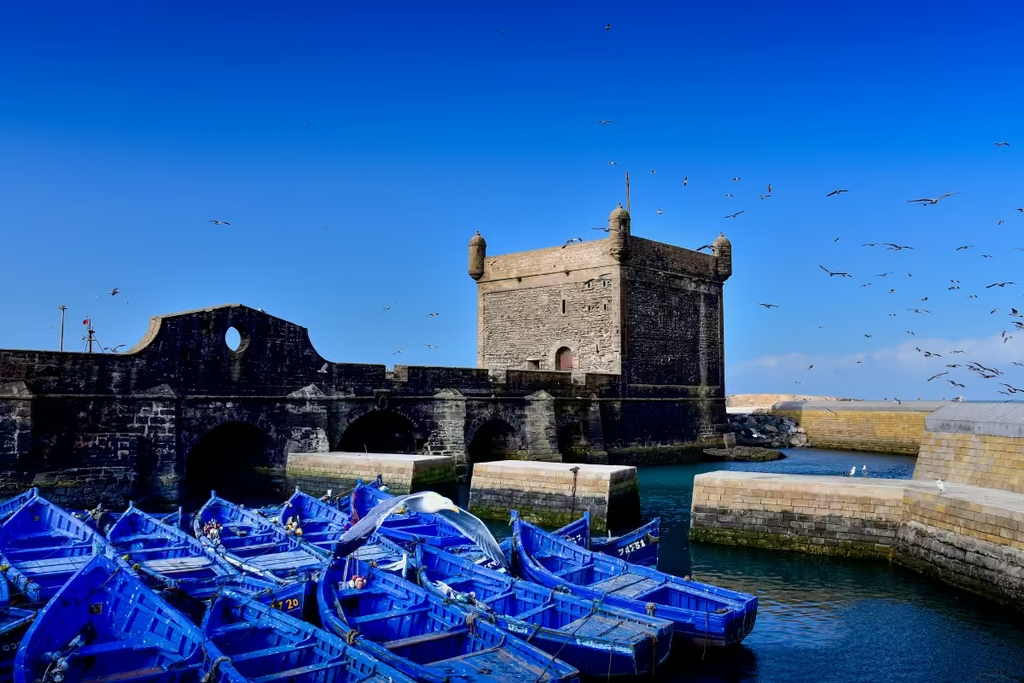
Walk along the waterfront, explore the old city walls, and spend time in the medina’s shops and cafés. The town is known for its fishing activity and coastal winds, so it appeals to travelers who enjoy a more open landscape as well as urban wandering. The combination makes it a particularly good stop after Marrakech.
Essaouira suits independent travelers who like to build days around simple pleasures: a long walk, a meal near the harbor, browsing local crafts, and watching the light change over the water. It also works well for solo visitors because the town is compact and has a strong traveler community without feeling defined only by tourism.
I’d give Essaouira at least two nights if your schedule allows. A short visit can show you the medina, but staying longer lets you experience the slower rhythm that makes the town appealing.
6. The Atlas Mountains
The Atlas Mountains are among the best places to visit in Morocco for travelers who want outdoor activity, village life, and a break from city sightseeing. The mountain region is not one single destination, so choose your base according to the kind of walking, scenery, and travel pace you want.
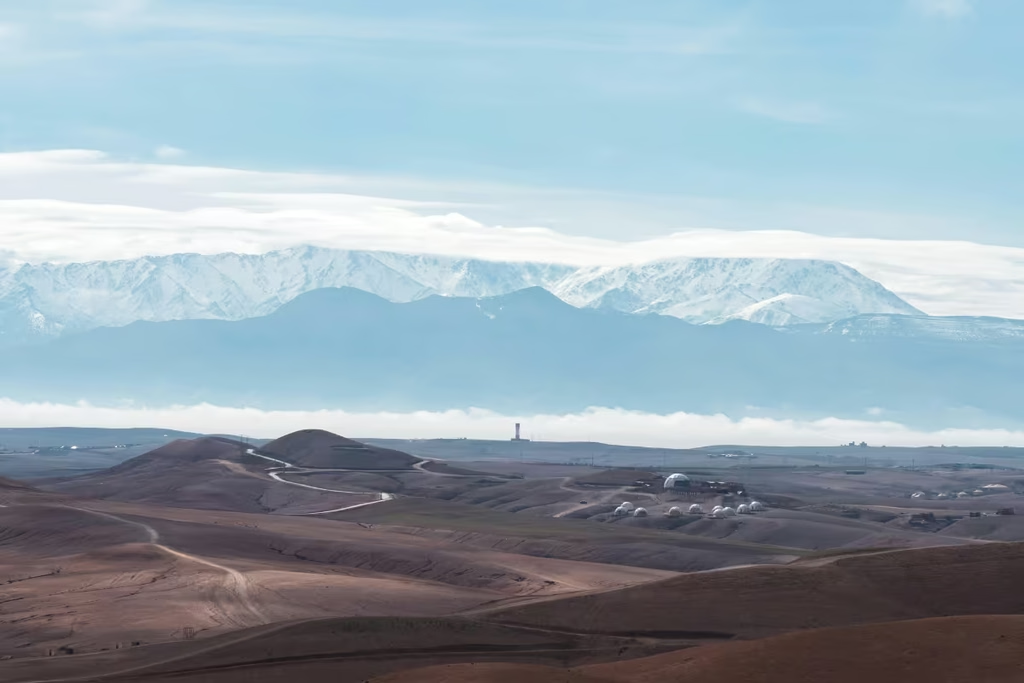
Some visitors come for challenging hikes, while others prefer shorter walks, views, and time in mountain communities. Either approach can work. The important thing is to match the route to your fitness, the season, and your experience with mountain travel rather than assuming every excursion will be straightforward.
A local guide can add real value, particularly for longer routes or visits to smaller villages. Guides can help with navigation, communication, and cultural context, while also making it easier to adjust plans when weather or trail conditions change. If you’re traveling independently, ask accommodation staff or a reputable local operator about current conditions before setting out.
The mountains are a good reminder that Morocco’s culture is not limited to the medinas. Allow time to notice building styles, farming landscapes, local food, and the different pace of village life.
7. Rabat
Rabat is one of the best places to visit in Morocco for travelers who want history and architecture without the constant intensity of the largest tourist centers. As the capital, it combines official buildings and broad urban spaces with historic quarters, gardens, and a coastal setting.
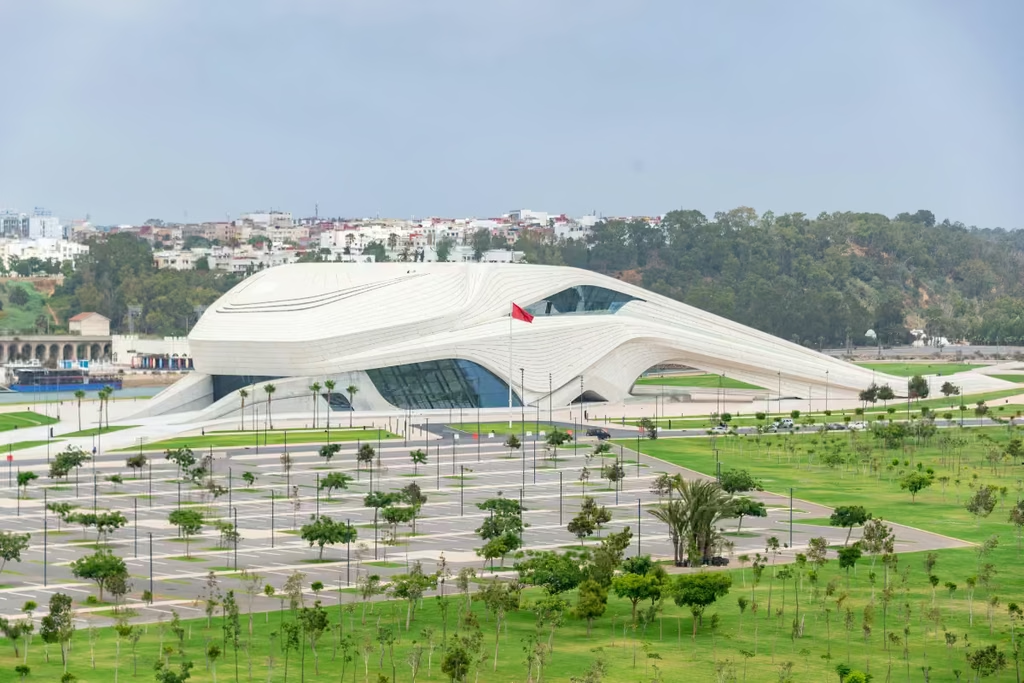
The city is a useful choice for travelers who prefer a more orderly base or want to understand a different side of Morocco. Explore its historic areas, walk near the water, and leave time for the Kasbah of the Udayas and the city’s other major cultural sites. Rabat’s appeal is cumulative: individual stops are interesting, but the overall experience comes from moving between old and modern parts of the city.
Rabat is also a sensible addition to a route that includes Casablanca or northern Morocco. I’d choose it when I wanted a city with cultural depth but less pressure to fill every hour. It can be especially appealing near the beginning or end of a trip, when a gentler pace helps you settle in or decompress.
8. Meknes
Meknes is one of the best places to visit in Morocco for travelers interested in imperial history, while nearby Volubilis adds the remains of an ancient Roman settlement to the itinerary. Together, they make a strong detour for people who want more than the most famous city stops.
Meknes has a less hectic feel than some of Morocco’s larger visitor hubs. Its historic areas, gates, markets, and monumental architecture are best approached with time to wander and observe. I’d treat the city as a place to slow down rather than simply a base for checking off nearby sights.
Volubilis offers a striking contrast. Ancient ruins, mosaics, and open countryside replace the dense lanes of the medina. Because the site is outside the main urban centers, plan your transport in advance and check the practical details before leaving. The visit is most enjoyable when you can give yourself enough time to take in the setting rather than rushing through it between connections.
9. Tangier
Tangier is one of the best places to visit in Morocco for travelers interested in port-city history, northern landscapes, and the meeting point of different cultural influences. Its location gives it an atmosphere distinct from inland Morocco, and it can work well as an entry point or final stop.
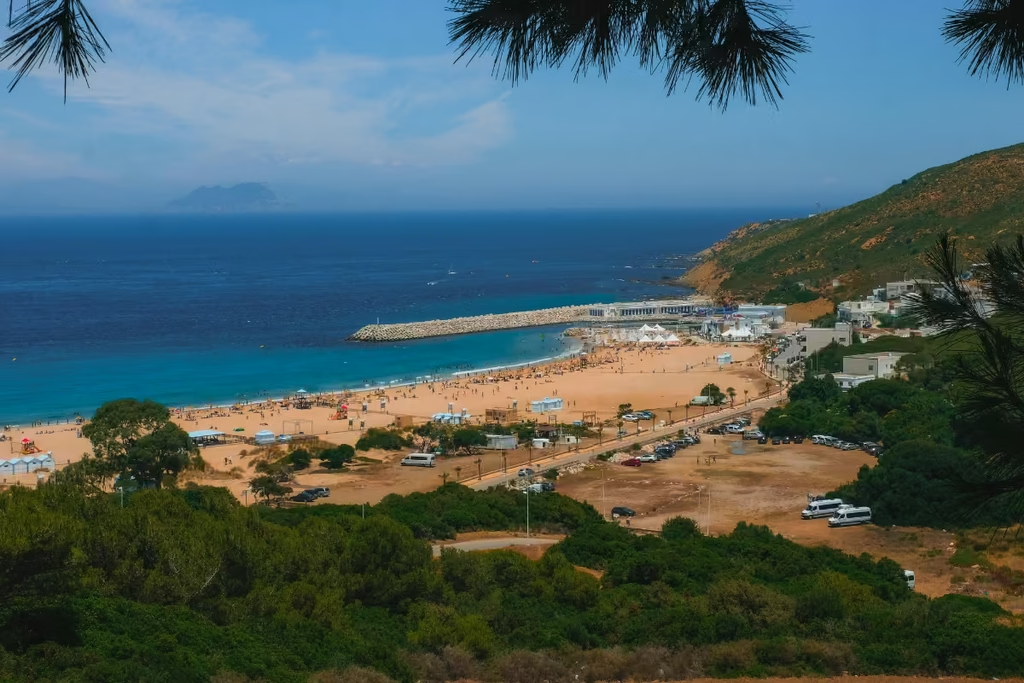
Explore the old city, spend time near the waterfront, and look beyond the postcard version of Tangier. The city has long attracted artists, traders, and travelers, but its everyday neighborhoods matter just as much as its historic associations. I’d keep my schedule flexible here and use the city as a base for understanding northern Morocco.
Tangier suits travelers who like cities with a slightly rougher, more layered personality. It may not deliver the same concentrated visual impact as Chefchaouen or the same market intensity as Marrakech, but that is exactly why it deserves space on a longer route.
10. Ouarzazate
Ouarzazate and the surrounding southern valleys are among the best places to visit in Morocco for travelers who want dramatic dry landscapes, fortified villages, and a strong sense of the country’s southern geography. The area is often connected with routes toward the desert, but it deserves attention in its own right.
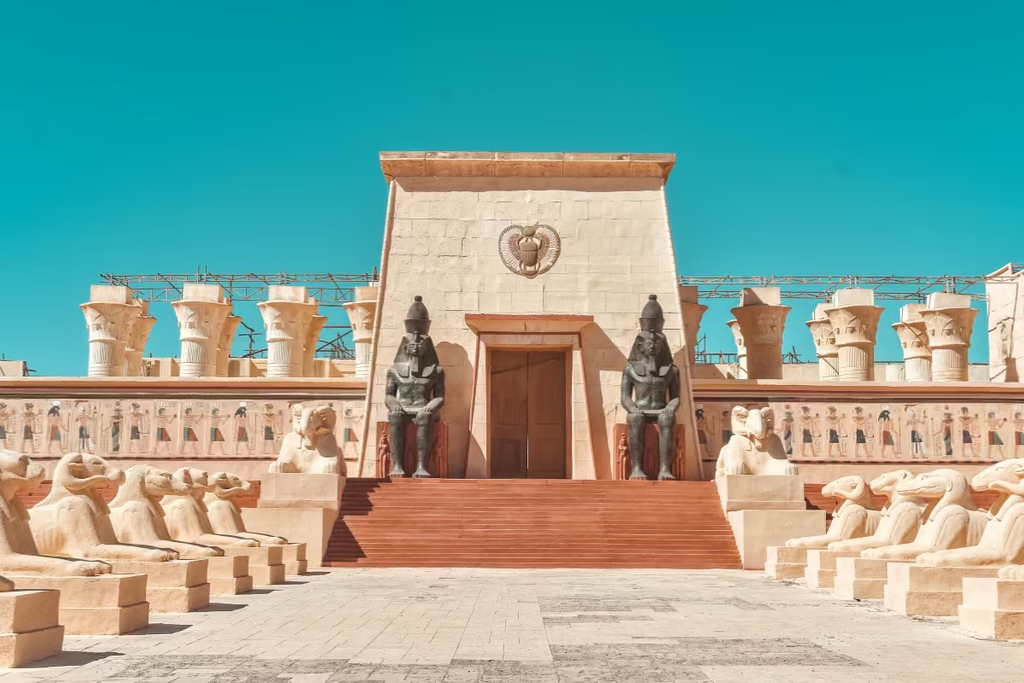
Use the town as a starting point for exploring nearby valleys and historic settlements. The landscape changes quickly, moving between rocky terrain, cultivated areas, and architecture made from earth-colored materials. That contrast makes the journey feel different from both the northern cities and the Atlantic coast.
This region is best for travelers who don’t mind longer overland journeys and who enjoy scenery unfolding from a vehicle window. Build in extra time rather than trying to combine every southern stop in one rushed transfer. If you’re interested in architecture, photography, or landscape, this is a place where slowing down pays off.
How to build a Morocco itinerary
A good Morocco itinerary balances variety with realistic travel days. For a week, I’d choose two major bases and one contrasting destination. Marrakech plus Essaouira is a manageable combination for city and coast, while Marrakech plus a southern route offers more dramatic landscape changes.
With ten days to two weeks, you can add Fes, Chefchaouen, the Atlas Mountains, or a desert region. I’d still avoid trying to include all ten destinations. Every new stop brings another transfer, another check-in, and less time to settle into local rhythms.
- For cities and culture: combine Marrakech, Fes, Rabat, and Meknes.
- For mountains and desert landscapes: choose the Atlas Mountains, Ouarzazate, and a Sahara route.
- For a slower trip: focus on Essaouira, Chefchaouen, and one larger city.
- For first-time travelers: begin with Marrakech or Fes, then add a destination with a different atmosphere.
When planning transport, leave room for delays and changing energy levels. Morocco is rewarding precisely because it engages all your senses, but that can become tiring if every day is tightly scheduled. I’d rather return home having explored four places properly than having briefly touched ten.
Practical tips for visiting Morocco
Dress with the local setting in mind, especially when visiting religious or rural areas. Comfortable shoes matter in medinas, where uneven paving and stairs are common. A small day bag, refillable water bottle, sun protection, and a layer for cooler evenings are useful across different regions.
Keep some cash available for small purchases and local transport, while also asking your accommodation about the easiest way to reach it. Medina addresses can be difficult to locate from a vehicle, and the final walk may involve narrow lanes that cars cannot enter.
Food is a major part of the journey, so try more than the dishes most commonly associated with Morocco. Eat where there is steady local activity, begin cautiously if you have a sensitive stomach, and carry any medication you personally need. I also recommend learning a few basic greetings and polite phrases. Even a small effort can make everyday interactions feel warmer.
Most importantly, travel with patience. Market conversations may be persistent, roads may take longer than expected, and the difference between a planned experience and the one you actually have can be substantial. That unpredictability is not always convenient, but it often leads to the moments you remember most clearly.
What to do next
Start by choosing the kind of Morocco you want to experience: medinas and architecture, mountains and hiking, desert landscapes, or ocean air. Then select two or three destinations that support that idea instead of building a route from every famous name.
Once you’ve chosen your anchors, check the current transport options, allow space between long journeys, and book only the experiences that genuinely need advance planning. Morocco is at its best when you leave a little room to follow your curiosity, whether that means staying longer over tea, taking a slower road through the countryside, or adding one more night to a town that feels right.




4 Comments