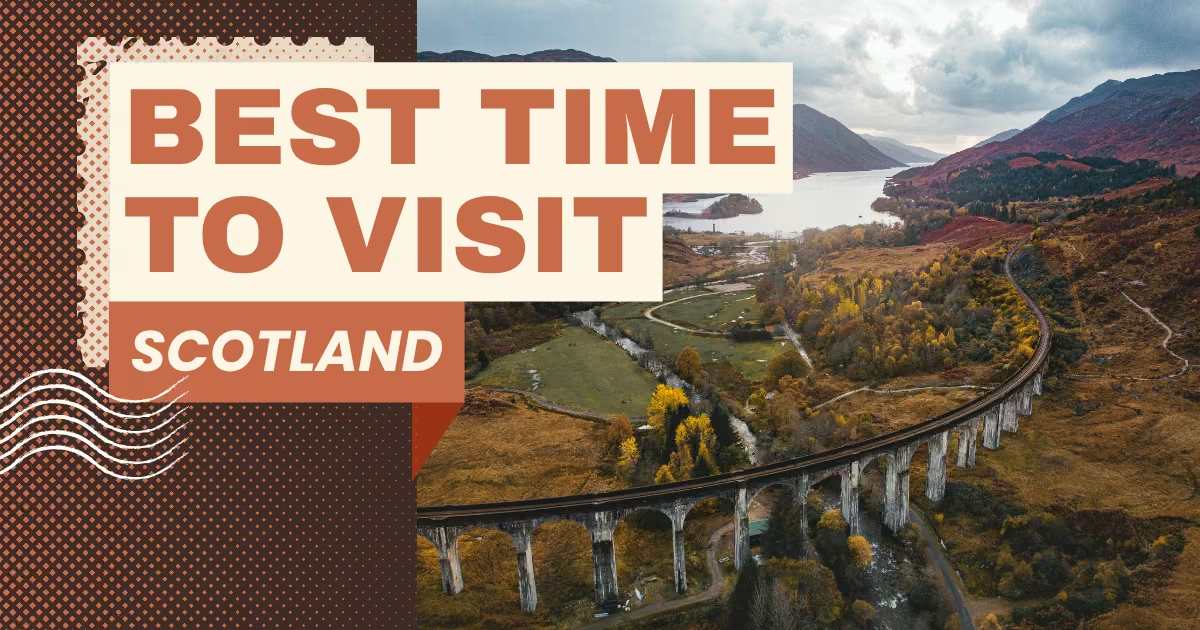
Best Time to Visit Scotland: Month-by-Month Guide
The best time to visit Scotland depends on what you want to do once you arrive. May and September usually offer the strongest balance of mild weather, long daylight, manageable crowds, and reasonable prices. July and August are better for festivals and long summer evenings, while April gives you fresh landscapes and fewer visitors. Winter brings short days and colder weather, but Edinburgh’s Christmas season and Hogmanay can make December a memorable choice.
Scotland’s weather can change quickly in any season. A sunny morning may turn wet by lunchtime, especially in the Highlands and on the islands. Pack waterproof layers, plan flexible outdoor days, and reserve popular lodging early if your trip falls between June and August.
Table of Contents
Best time to visit Scotland at a glance
- Best overall months: May, early June, and September
- Best for festivals: July and August
- Best for hiking and long days: June through August
- Best for fewer crowds: April, May, late September, and October
- Best for lower prices: November through March, excluding Christmas and New Year
- Best for fall color: October, especially in Perthshire and the Cairngorms
- Best for winter celebrations: December and early January
For a broader itinerary, pair your seasonal planning with this guide to the best places to visit in Scotland. It can help you decide whether your route should focus on cities, castles, lochs, islands, or the Highlands.
Scotland by season
Spring, April through May
Spring is one of the most pleasant periods for a Scotland trip. April often brings cool temperatures, crisp air, and noticeably longer days. You may see daffodils in city parks, lambs in rural areas, and snow still sitting on higher Highland peaks. May usually feels more settled, although rain remains possible.
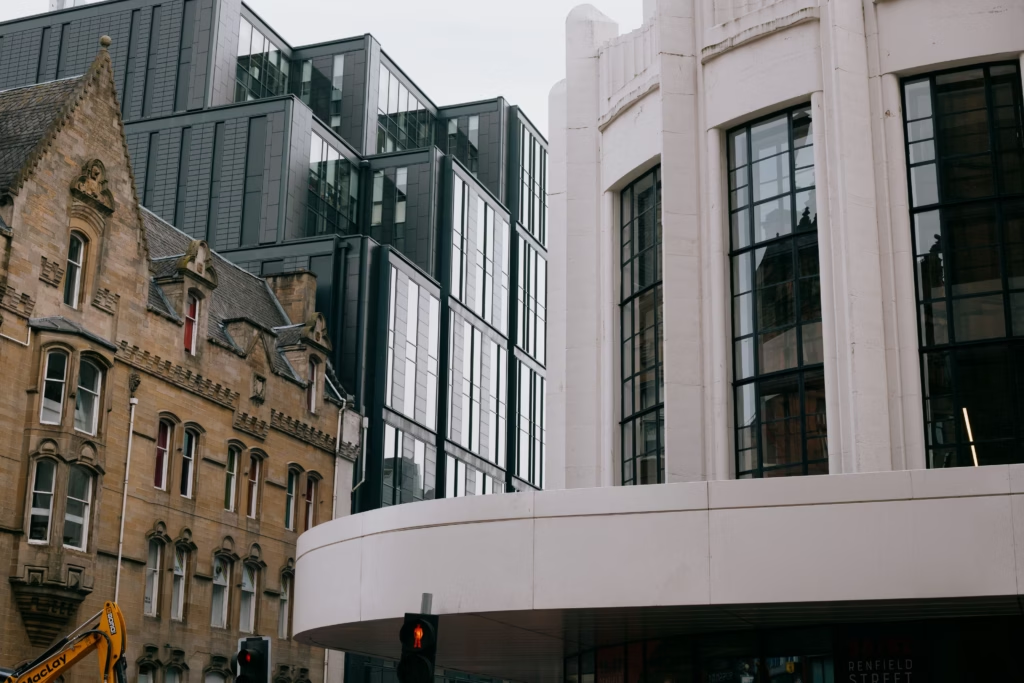
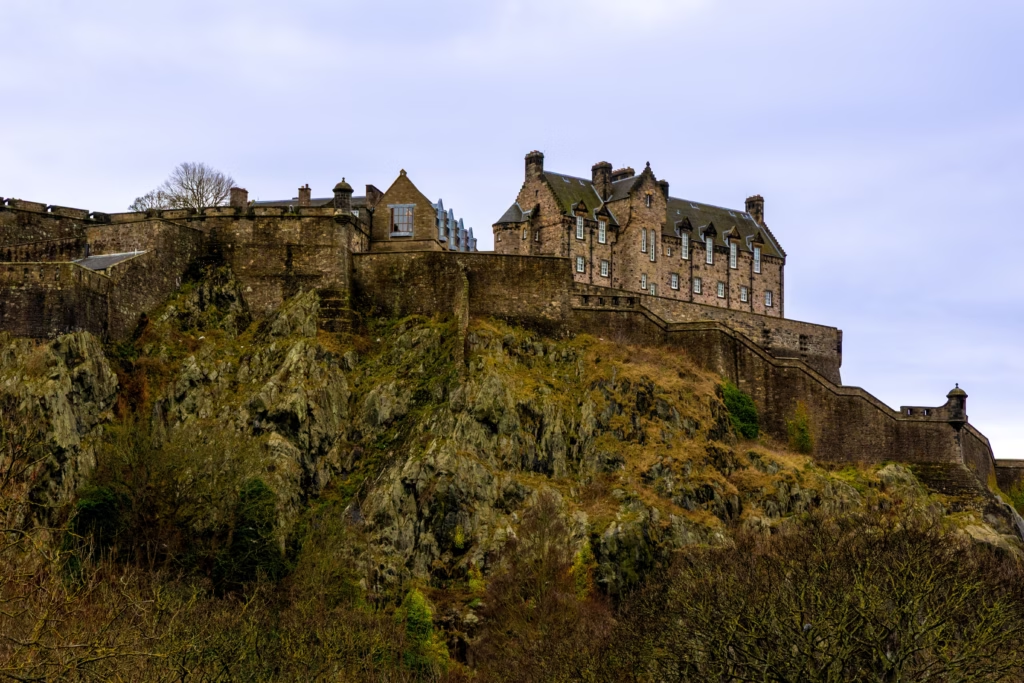
Edinburgh and Glasgow are comfortable for sightseeing in spring, and major attractions tend to feel less crowded than they do in July. The Isle of Skye, Glencoe, and Loch Lomond are also easier to explore without peak season traffic. May is particularly useful for a road trip because many seasonal businesses are open, but hotel demand has not reached its summer level.
Average daytime temperatures often sit around 50 to 59 degrees Fahrenheit in the Lowlands, with cooler conditions in the Highlands. April can be windier, and the higher parts of the country may still feel wintry. Bring a waterproof jacket, warm layers, and shoes with good grip.
Summer, June through August
Summer gives you Scotland’s longest days and the best odds for comfortable outdoor sightseeing. In June, daylight can last well into the evening, especially in the north. That extra light makes it easier to visit castles, take scenic drives, and fit in a hike without rushing.
July and August are the busiest months. Edinburgh hosts the Edinburgh International Festival and the Edinburgh Festival Fringe in August, along with the Royal Edinburgh Military Tattoo. Highland games, concerts, local agricultural shows, and cultural events take place throughout the country during summer.
Book your Scotland hotels several months ahead for July and August, particularly in Edinburgh, Skye, Inverness, and the Cairngorms. Prices rise sharply during the Edinburgh festivals, and last-minute rooms can be difficult to find.
Summer weather is usually mild rather than hot. Daytime highs often reach the upper 50s or low 60s Fahrenheit, though warmer spells happen. Rain, wind, and cloud can arrive without much warning. Midges are most active in damp, still conditions, especially near lochs and wooded areas in the Highlands and west coast. Carry repellent and wear long sleeves when you are outdoors in the evening.
Autumn, September through October
September is a strong choice for travelers who want outdoor access without the height of summer demand. The weather can remain mild during the first half of the month, and the crowds usually thin after the Edinburgh festivals. You will still have enough daylight for scenic drives and many hikes, although evenings become noticeably shorter.
October brings richer fall color in Perthshire, the Trossachs, the Cairngorms, and parts of the Highlands. It also brings cooler temperatures, more frequent rain, and shorter opening hours at some rural attractions. The west coast may feel particularly wet and windy, while Edinburgh and the eastern Lowlands often provide a slightly drier base.
Early autumn works well for a city and countryside combination. Spend several days in Edinburgh, then continue to Stirling, Loch Lomond, Glencoe, or Inverness. If you plan to drive, check ferry schedules and accommodation availability before leaving the main cities. Some island services reduce their frequency after the summer season.
Winter, November through March
Winter is Scotland’s quietest season for general tourism. November can feel gray and wet, but it is a good time for museums, historic houses, whisky tastings, and city restaurants. December adds Christmas markets, seasonal concerts, and festive lights in Edinburgh and Glasgow.
Hogmanay, Scotland’s New Year celebration, brings large crowds and higher rates to Edinburgh. Reserve accommodation and event tickets well in advance if you want to attend. January and February are usually calmer after the holiday period, but daylight is limited. In Edinburgh, expect roughly seven to nine hours of daylight in the middle of winter. The Highlands have even less usable light for long drives and hikes.
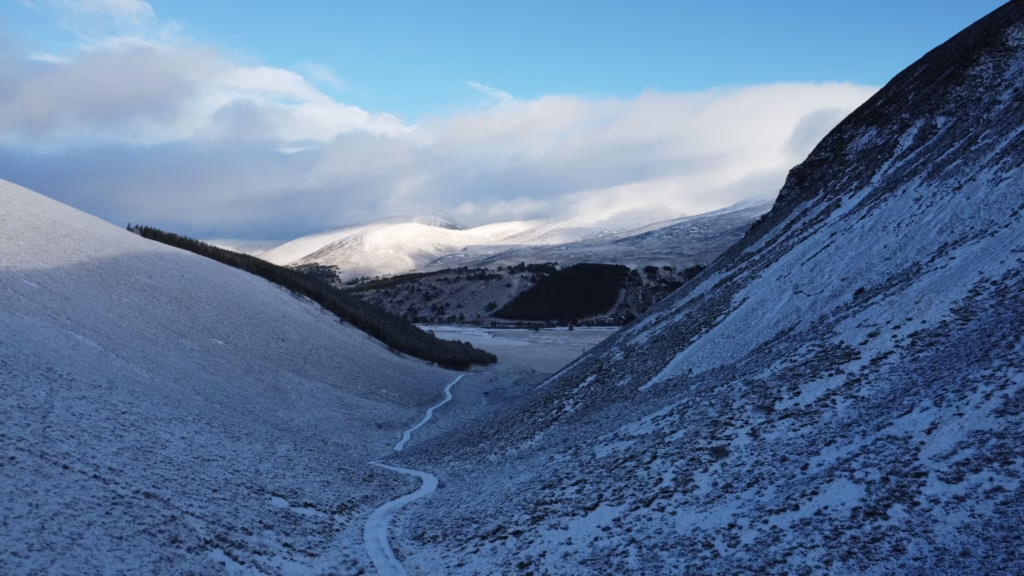
Snow is possible, particularly in the Cairngorms and higher Highland areas, but lowland cities often see rain instead. Winter driving requires care because roads can be icy, windy, or affected by closures. A rental car is useful for rural routes, but you should check weather warnings before setting out.
How each month feels in Scotland
January and February
These are the coldest, darkest months, with short days and a strong chance of rain or wind. The Cairngorms may offer skiing when conditions cooperate. Edinburgh and Glasgow are better choices if you prefer museums, galleries, food, music, and historic interiors. Expect lower hotel rates outside school holidays and major events.
March
March brings longer days and the first signs of spring, but it still feels unsettled. Higher elevations may have snow, and ferry or mountain plans can change with the weather. It is a practical month for a city break and a budget-conscious trip.
April
April is a good month for quieter sightseeing, especially in Edinburgh, Stirling, and the Lowlands. Landscapes begin to look greener, and many attractions return to longer seasonal hours. Bring warm clothing because temperatures can shift quickly.
May
May offers a useful mix of longer days, fresh scenery, and moderate visitor numbers. Roads and trails are usually easier to enjoy than in midsummer, and many Highland businesses are operating on their main seasonal schedule. For many travelers, this is the most balanced month for a first visit.
June
June provides excellent daylight for outdoor plans and road trips. The north has especially long evenings. Crowds begin to increase, but they are generally easier to manage than in July and August. Reserve lodging early for Skye, the Outer Hebrides, and popular national park areas.
July
July is warm by Scottish standards and busy in major tourist areas. It works well for hiking, island trips, boat tours, and Highland games. Allow extra driving time on popular routes, and make reservations for restaurants and ferries.
August
August combines long days, many events, and peak demand. Edinburgh is especially busy during the festivals. If you want festival access, reserve a room near your preferred venue and expect higher prices. If you prefer quiet scenery, consider the northeast, the Borders, or a smaller town outside Edinburgh.
September
September often gives you mild days, thinner crowds, and good access to walking routes. The first half can still feel like summer, while the second half brings cooler evenings. This is an excellent month for travelers who want a flexible mix of cities, castles, and outdoor scenery.
October
October is a good choice for fall color, cozy restaurants, and quieter attractions. Rain and wind are more common, so plan shorter outdoor outings with indoor alternatives. The days are shorter, but you can still build a rewarding itinerary around Edinburgh, Stirling, Perth, and the central Highlands.
November and December
November is quiet and often inexpensive, with limited daylight for long scenic routes. December becomes more active around Christmas and Hogmanay. Edinburgh’s festive events can be enjoyable, but book well ahead and expect busy streets during the main celebrations.
When should you visit Scotland for your type of trip?
For a first visit
Choose May, June, or September. These months make it easier to combine Edinburgh, the Highlands, and a few scenic drives without dealing with the highest summer demand. You will still need to prepare for rain, but your itinerary can include both outdoor and indoor activities.
For the Scottish Highlands
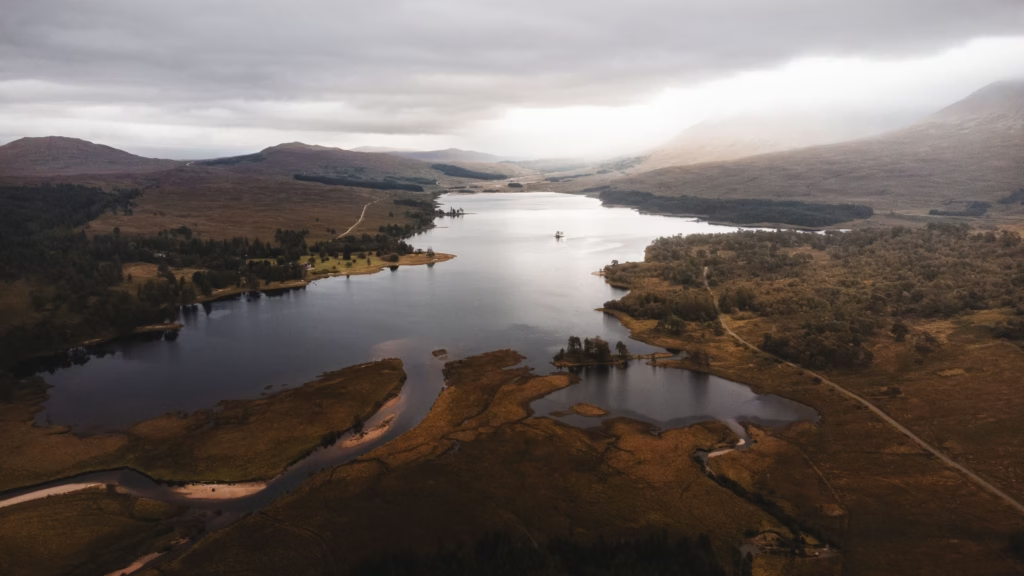
June through September offers the most reliable access to hiking trails, scenic roads, and boat excursions. June provides the longest light, while September usually feels calmer. If you want fall scenery, visit in October, but keep your daily drives shorter and check local conditions.
For festivals and live events
Visit in July or August. Edinburgh’s August festivals are the headline events, but smaller Highland games and local celebrations take place throughout the summer. Lodging near Edinburgh fills quickly, so make reservations before booking flights.
Compare flights to Scotland early if your schedule is fixed around the Edinburgh festivals. Flying into Edinburgh is convenient for the capital, while Glasgow can work well for the west coast and some Highland routes.
For hiking
June through early September generally gives you the longest days and the most open services. Conditions can still be wet and windy on exposed mountains. Bring navigation equipment, waterproof layers, and enough food and water for the route. Check the forecast before leaving because conditions can change quickly at elevation.
For a road trip
May, June, and September are usually the easiest months for a driving itinerary. July and August bring more traffic on the North Coast 500, the road to Skye, and routes around Glencoe. On narrow single-track roads, use passing places, let faster drivers pass, and avoid stopping in the road for photographs.
For lower prices
November through March usually offers the best rates, except during Christmas, Hogmanay, and school holidays. April and late October can also provide good value. A winter city break is usually simpler than a winter Highlands road trip because rural transport and attraction schedules may be limited.
Weather and daylight tips for planning
Scotland’s regional weather matters as much as the season. Edinburgh and the east coast are often drier than the western Highlands, although no area is guaranteed sunshine. The west coast and islands can receive heavy rain and strong winds, particularly in autumn and winter.
Daylight changes dramatically through the year. In June, you can have usable light late into the evening, which helps with long scenic drives. In December, daylight is limited, so schedule hikes and rural travel early. Do not assume a clear morning guarantees safe mountain conditions later in the day.
Use a waterproof outer layer rather than relying on an umbrella. Wind can make umbrellas awkward, especially on exposed viewpoints and coastal paths. Pack quick-drying clothing, comfortable walking shoes, a small daypack, sunscreen, and insect repellent for summer trips.
Where to go in Scotland by season
- Spring: Edinburgh, Stirling, Loch Lomond, the Borders, and the Lowlands
- Summer: Isle of Skye, the Outer Hebrides, Cairngorms, Glencoe, and the North Coast 500
- Autumn: Perthshire, the Trossachs, Cairngorms, Edinburgh, and the central Highlands
- Winter: Edinburgh, Glasgow, St Andrews, whisky regions, and ski areas when conditions allow
If you want several days in the capital, this guide to things to do in Edinburgh can help you build an itinerary that works in wet weather as well as sunshine.
Practical booking advice
Reserve popular accommodations early for June through September, especially on Skye, Mull, and in small Highland towns. Check ferry reservations before finalizing an island route. Some services have limited capacity, and missing a sailing can disrupt an entire day.
For a driving trip, avoid planning every day around a long distance. Scenic roads take longer than a map suggests, and you will want time for viewpoints, short walks, castles, and unexpected weather delays. Two or three bases usually make a trip more comfortable than changing hotels every night.
Check opening dates for castles, gardens, visitor centers, and mountain lifts before you travel. Seasonal hours vary, especially between October and Easter. If your plans depend on a specific attraction, confirm its schedule directly before booking transportation.
Final recommendation
For most travelers, the best time to visit Scotland is May, early June, or September. May gives you fresh landscapes and moderate crowds, June offers exceptional daylight, and September balances outdoor access with a calmer feel. Choose July or August for festivals, October for fall color, or winter for lower rates and seasonal events. Whatever month you pick, pack for rain, leave room for weather changes, and book popular regions early.