
Best Things to Do in Singapore: Top Attractions
Looking for the best things to do in Singapore? I’d start by forgetting the idea that this is only a quick stop between flights. Singapore rewards curious travelers who slow down, eat locally, explore beyond the postcard skyline, and allow time for both polished attractions and everyday neighborhoods.
This city-state gives you an unusual mix in a compact trip: futuristic architecture, historic shophouses, tropical gardens, hawker food, island escapes, art, shopping, and lively evening streets. It can feel expensive if you plan every day around major attractions, but it becomes much more manageable when you combine free public spaces, local food courts, self-guided walks, and one or two carefully chosen paid experiences. If you’re planning a trip, compare flights to Singapore to find an option that fits your travel dates and budget.
I’ve put together this guide for independent travelers, backpackers, and solo visitors who want a practical route with plenty of room for discovery. Before you travel, check official attraction pages for current access, transport arrangements, seasonal events, and booking requirements.
Table of Contents
What are the best things to do in Singapore?
The best things to do in Singapore include exploring Marina Bay, eating at hawker centers, wandering Chinatown and Little India, visiting Gardens by the Bay, discovering Kampong Gelam, spending time on Sentosa, and looking beyond the central attractions for local neighborhoods and nature.
- For first-time sightseeing: combine Marina Bay, Gardens by the Bay, and the Civic District.
- For food: spend time at hawker centers and explore different neighborhoods rather than eating only near major attractions.
- For culture: visit Chinatown, Little India, Kampong Gelam, museums, temples, and historic streets with respect.
- For nature: choose the Botanic Gardens, Southern Ridges, MacRitchie Reservoir, or an island day depending on current access and your energy.
- For solo travel: join a food walk, walking tour, cooking class, or small-group excursion early in your stay.
The key is to group your days by area. Singapore’s public transport makes moving around straightforward, but crossing the city repeatedly still wastes time and energy. I’d rather explore one neighborhood properly, stop for a drink or snack, and notice the details than rush between a dozen landmarks.
1. See Singapore’s modern side around Marina Bay
Marina Bay is the natural starting point for Singapore’s modern skyline, waterfront promenades, museums, public art, and evening atmosphere.
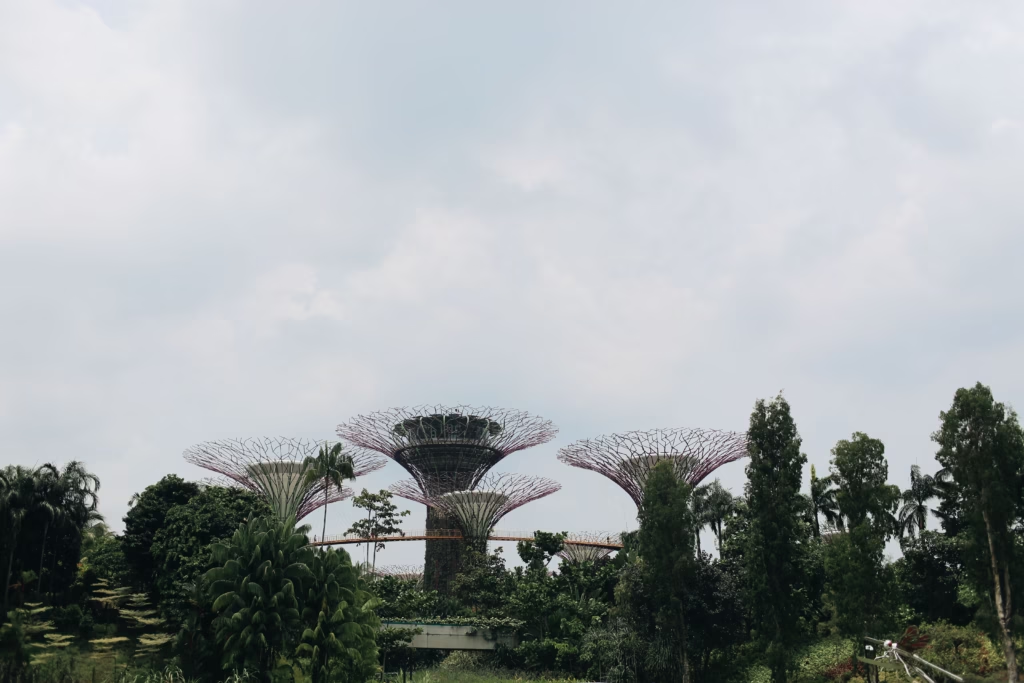
Begin with a walk around the bay and take your time looking at how the city combines water, gardens, public buildings, and dramatic architecture. The area is easy to photograph, but it’s more interesting when you pay attention to the details: shaded paths, changing views across the water, and the contrast between older civic buildings and newer towers.
Gardens by the Bay is one of the city’s signature attractions, with large horticultural spaces and striking structures that make it appealing even to travelers who don’t usually plan their trips around gardens. Check the current access arrangements and attraction schedules before visiting, especially if a particular conservatory, exhibition, or evening event matters to you. Planning to visit the city’s main attractions? Check available Singapore attraction tickets and experiences before your trip.
Afterward, continue toward the Civic District for museums, galleries, and historic architecture. This makes a good weather-flexible day because you can shift between outdoor walking and indoor culture. I’d avoid scheduling too many formal attractions in a row. Choose one museum that genuinely interests you, then leave time for the riverfront or a nearby meal.
Marina Bay is also an excellent place to begin a solo trip. A self-guided walk gives you independence, while a museum, food stop, or organized tour creates an easy opportunity to meet other travelers without committing to a full day with strangers.
2. Eat your way through Singapore’s hawker culture
Eating at hawker centers is one of the most rewarding things to do in Singapore because it brings together local food, everyday conversation, variety, and a budget-friendly way to explore the city.
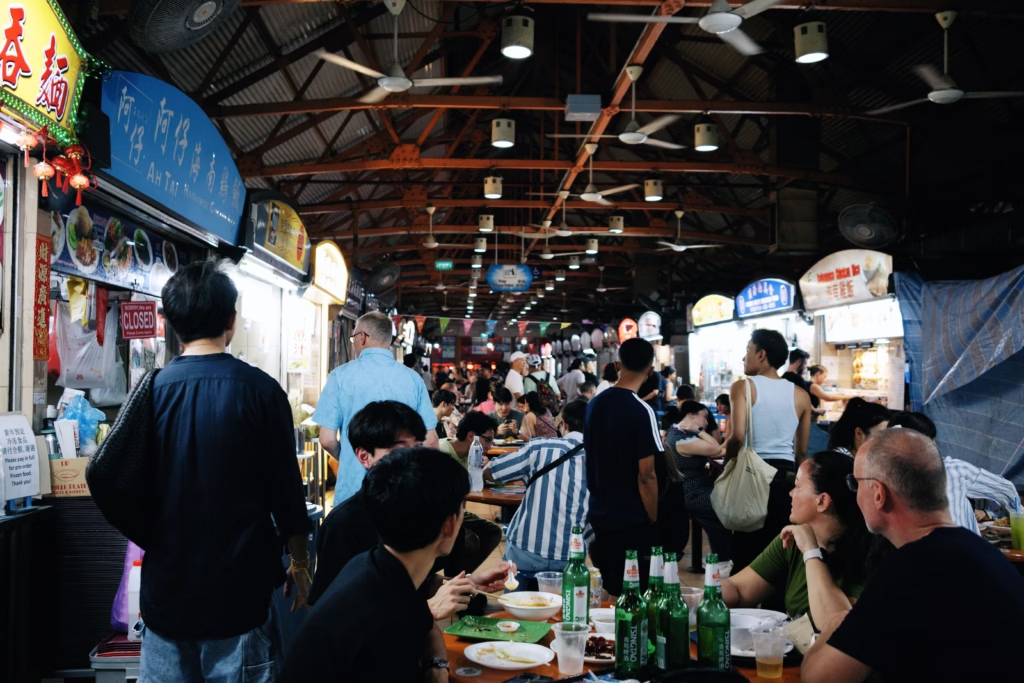
Rather than searching for one supposedly perfect meal, try several small experiences across different neighborhoods. Look for busy food centers, observe how locals order, and ask vendors or other diners what they recommend when you’re unsure. You don’t need to understand every dish immediately; curiosity is part of the fun.
Singapore’s food culture reflects several communities and traditions, so make time for more than one neighborhood. Chinatown, Little India, and Kampong Gelam each offer different surroundings and flavors, while other residential districts can provide a more everyday view of the city.
Hawker centers are also useful for solo travelers. You can eat alone without feeling conspicuous, try something new without committing to an expensive restaurant, and often start a conversation simply by asking what a dish is. Bring an open mind, but be clear about allergies or dietary restrictions and check current information when you need certainty about ingredients.
For a deeper experience, consider a food tour, cooking class, or market-focused walk. These activities can explain the history behind familiar dishes and make the city more social. I’d book one early in the trip, then use the recommendations to decide which neighborhoods deserve a second visit.
3. Explore Chinatown, Little India, and Kampong Gelam
Singapore’s historic districts are best explored on foot, with time for temples, mosques, colorful façades, independent shops, museums, cafés, and the ordinary rhythm of local streets.
Chinatown
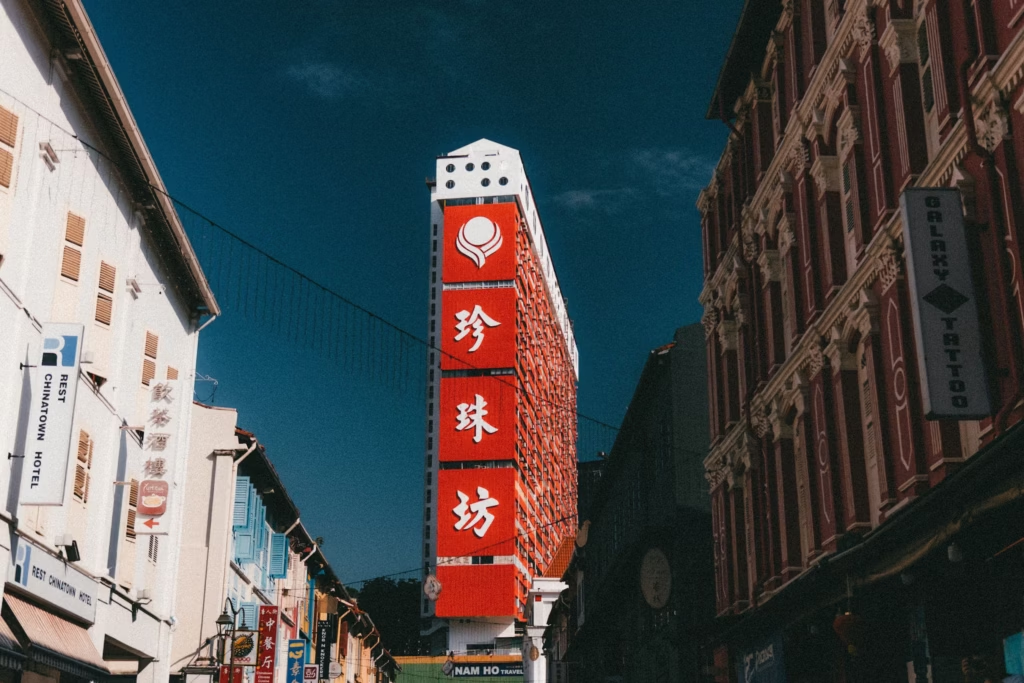
Chinatown offers a useful introduction to Singapore’s heritage, food, and religious diversity. You can combine a temple visit with a market or hawker meal, but remember that places of worship are active religious spaces. Dress appropriately, follow photography rules, and avoid blocking people who are there to pray.
I’d also look beyond the busiest lanes. Historic shophouses, small galleries, cafés, and side streets can tell you more about the neighborhood than a quick checklist of major sights. Give yourself permission to stop when something catches your attention.
Little India
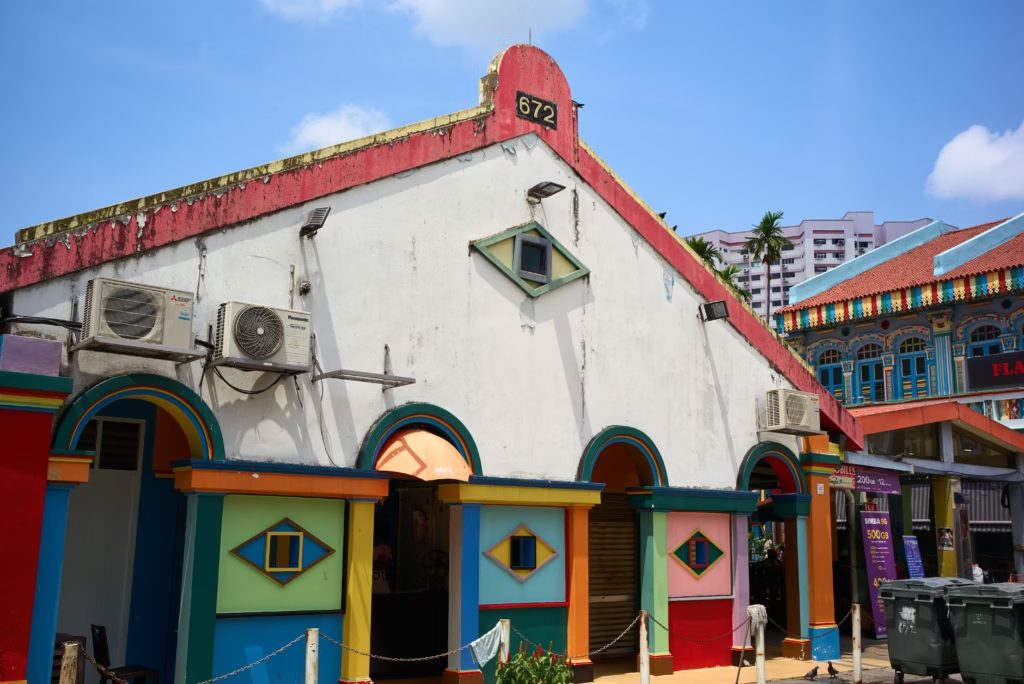
Little India is full of color, aromas, food, and layered history. Spend time browsing shops, noticing architectural details, and trying a meal that differs from what you usually eat at home. The district is especially rewarding when you treat it as a living neighborhood rather than a backdrop for photographs.
Keep your pace relaxed around temples and other cultural sites. Learn the basic visitor etiquette before entering, and ask permission before photographing people. A respectful approach usually leads to a richer experience than rushing through with a camera raised.
Kampong Gelam

Kampong Gelam combines heritage streets, the Sultan Mosque area, independent businesses, cafés, restaurants, and contemporary murals. It works well in the late afternoon, when you can walk through the district, pause for food, and continue into the evening.
These neighborhoods are among the best places for travelers who want local connections. Join a guided cultural walk, chat with shopkeepers when appropriate, or ask a café owner what to explore next. Meaningful travel doesn’t require a dramatic encounter; sometimes it begins with paying attention and showing respect.
4. Find green space and outdoor adventures
Singapore’s green spaces give you a welcome break from dense urban sightseeing, and they are among the best things to do in Singapore when you want a slower day.

The Botanic Gardens are an obvious choice for a leisurely walk, especially if you want plants, shaded paths, and a calmer setting without leaving the city. For a more active outing, consider the Southern Ridges or a forested route around MacRitchie, subject to current trail conditions and your own preparation.
Outdoor plans require a little realism. Singapore’s heat and humidity can make a short walk feel more demanding than it appears on a map. Carry water, wear breathable clothing, use sun protection, and schedule longer walks for a time that suits your energy. Check current weather and access information before setting out.
Nature-focused travelers can also look beyond the central districts. Pulau Ubin offers a different pace and a chance to experience a less urban side of Singapore, while the Southern Islands can provide a change of scenery. Confirm current ferry or transport arrangements before building a full day around an island visit.
Outdoor activities are particularly good for solo travelers because you can enjoy quiet time without feeling isolated. If you prefer company, join a guided nature walk, cycling activity, or small-group excursion. Choose a route that matches your experience rather than joining a demanding activity simply because other travelers are doing it.
5. Choose the right island and waterfront escape
Sentosa is the easiest island escape for travelers who want beaches, attractions, restaurants, and organized activities in one accessible area.
Sentosa can suit very different travel styles. You might spend the day on the beach, choose one major attraction, walk between viewpoints, or simply use the island as a change of pace from the central city. I’d decide what you actually want before arriving because trying to fit every attraction into one day can make the experience feel more like a queue schedule than a holiday.
Check current operating information, entry arrangements, transport, and weather before booking activities. Prices and schedules can change, and not every attraction will suit every traveler. If you’re traveling on a budget, compare a full paid attraction day with a simpler plan built around walking, public spaces, and food.
For a quieter alternative, look into the Southern Islands or Pulau Ubin after checking current transport. These places require more planning and may have fewer facilities, but that can be part of the appeal. Pack what you need, respect the environment, and avoid assuming that a remote-feeling setting has the same services as the city center.

Waterfront areas such as Robertson Quay, Clarke Quay, and the Singapore River can also add an easy evening walk to your itinerary. You’ll find restaurants and nightlife, but you don’t need to spend heavily to enjoy the river and architecture. I’d combine a riverside stroll with a hawker meal elsewhere if you’re trying to keep costs under control.
6. Discover museums, art, and Singapore after dark
Museums, galleries, performances, and evening neighborhoods make Singapore a strong city-break destination when the weather is difficult or you want more depth than landmark sightseeing.

The National Gallery Singapore and other museums around the Civic District can help you understand the region’s art, history, and cultural conversations. Choose exhibitions that genuinely interest you instead of trying to visit every institution. Current exhibitions, access arrangements, and opening schedules should always be checked before you go.
Art lovers can also look for independent galleries, design stores, public murals, and creative spaces in neighborhoods such as Gillman Barracks or Kampong Gelam, depending on what is operating during your dates. These places may require extra planning, so confirm transport and current access rather than relying on an old itinerary.
Singapore after dark offers more than nightlife. You can explore illuminated public spaces, eat at a late-running food center, listen to live music, join an evening walking tour, or sit by the river. Solo travelers often find evenings easier when they choose an activity with a natural structure: a food tour, performance, group walk, or shared dinner.
If you enjoy nightlife, choose a district that fits your mood. Clarke Quay is geared toward an energetic evening, while other neighborhoods offer bars, cafés, and restaurants with a more local or relaxed feel. Check venue policies and transport options before staying out late, and keep your plans flexible rather than assuming every venue will suit you.
How to plan Singapore on a budget
You can experience Singapore on a budget by prioritizing local food, using public transport, choosing accommodation carefully, and limiting expensive attractions to the experiences you genuinely value.
- Stay near useful transport. A lower room rate is not necessarily a saving if it creates long daily journeys or expensive transfers.
- Eat locally. Hawker centers, food courts, bakeries, and supermarkets can balance occasional restaurant meals.
- Mix paid and free experiences. Combine one major attraction with neighborhood walks, public gardens, museums, and waterfront areas.
- Plan by district. Group Chinatown, Little India, Kampong Gelam, Marina Bay, and other areas into separate days.
- Protect your activity budget. Choose the attraction you would genuinely regret missing and build the rest of the day around lower-cost experiences.
For broader route planning, compare Singapore with other destination ideas in our guide to where to travel in October. It’s useful when you’re deciding whether you want a dense city break, a coastal trip, or a larger outdoor itinerary.
Seasonal planning matters too. If you’re considering a later-year trip, our guide to where to visit in December compares warm-weather journeys and winter city breaks. Singapore can fit neatly into a longer regional itinerary, but check the conditions and schedules for your exact dates.
How solo travelers can make Singapore more social
Solo travel in Singapore becomes more social when you choose accommodation with shared spaces and book one group experience near the beginning of your stay.
Food tours, walking tours, cooking classes, guided hikes, museum events, and small-group day trips all give you a natural reason to talk to people. You don’t need to join a party hostel or organize every hour around strangers. A good rhythm might include a group food walk, a quiet museum afternoon, and an independent evening by the river.
Hostels can be helpful, but compare them by location, common areas, kitchen access, and the kind of atmosphere they create. A private room in social accommodation may suit travelers who want conversation without sacrificing sleep.
Singapore is also a good place to practice independent decision-making. Use the first day to understand your neighborhood, try a nearby food center, and ask staff or fellow travelers what they’ve enjoyed. Then build your itinerary from those conversations rather than following a rigid list.
If you plan an outdoor activity, tell someone your broad route and check current weather and access information. Social travel should help you explore with confidence, not push you into activities that don’t suit your preparation.
Build a practical Singapore itinerary
A first Singapore itinerary works best when it combines one landmark day, two neighborhood days, one nature or island day, and flexible time for food and rest.
For two days
Use one day for Marina Bay, Gardens by the Bay, and the Civic District. Spend the second exploring Chinatown, Little India, or Kampong Gelam, with a hawker meal and an evening walk. Don’t try to include every neighborhood.
For three to four days
Add a green-space day or Sentosa, then choose a museum, gallery, or food tour. This length gives you more room to change plans when the weather is uncomfortable or an area deserves longer than expected.
For five days or more
Slow down. Explore residential neighborhoods, revisit a favorite food center, join a guided activity, and consider Pulau Ubin or another island option after checking transport. Longer stays are ideal for travelers who want to understand Singapore beyond its central attractions.
If you’re combining Singapore with New Zealand, our guide to the best places to visit in New Zealand can help you compare a dense, food-focused city break with a much larger landscape-led journey. And if Belfast is part of your wider plans, use this guide to things to do in Belfast with kids for family-friendly pacing ideas that also work when adults want a relaxed itinerary.
What should you do next?
Start by choosing the kind of Singapore trip you want: food-focused, cultural, outdoorsy, social, or a little of everything. Then select two or three neighborhoods and one major attraction rather than filling every day with famous sights.
Before booking, check current entry requirements, transport, attraction access, event dates, weather, and accommodation conditions for your travel dates. Plan a loose route, pack for heat and sudden rain, and leave space for a meal recommendation or an unplanned neighborhood wander.
The best things to do in Singapore aren’t limited to the skyline attractions. They’re also found in the conversations over food, the quiet details of old streets, the unexpected museum, and the green spaces between busy districts. Stay curious, travel respectfully, and let the city reveal itself one neighborhood at a time.






2 Comments