
Where to Travel with Family: 8 Amazing Destinations
Wondering where to travel with family can feel like trying to solve a puzzle with too many pieces. You need enough to entertain the kids, but not so much that every day becomes a race between attractions. You want memorable food and culture, yet you also need practical transport, comfortable accommodation, and a realistic plan for tired legs.
My best advice is to choose a destination that gives your family different ways to enjoy the same day. A child might want a beach, a market, animals, a train ride, or a place to run around, while adults are looking for history, good food, and a little breathing space. The eight destinations below each offer that balance in a different way. None is perfect for every family, and that’s the useful part.
Table of Contents
Where to travel with family: 8 honest picks
These eight destinations are strong family choices because they combine child-friendly experiences with enough variety for adults, although the best match depends on your children’s ages, interests, and tolerance for long travel days.
1. Singapore: an easy first city adventure
Singapore is a compelling family destination when you want a clean, organized city break with food, green spaces, modern attractions, and plenty of variety in a relatively compact trip.

It works especially well for families who want the excitement of a big city without planning a complicated route between several bases. You can mix outdoor time, cultural neighborhoods, markets, gardens, museums, and indoor activities when the weather is uncomfortable. That flexibility matters with children. A day that begins with sightseeing can change into an easy meal and a quieter afternoon without feeling like the itinerary has failed.
The honest drawback is that Singapore can feel expensive compared with other choices on this list, particularly when you add paid attractions and family-sized accommodation. I’d make a short list of the experiences that matter most, then build free or low-cost time around them. Food courts and casual local meals can also make the daily rhythm easier than formal dining with tired children.
2. Japan: trains, food, and constant discovery
Japan is a rewarding family choice for children who enjoy trains, unusual snacks, technology, animals, animation, history, or simply discovering how daily life works somewhere different.

The destination offers a strong sense of discovery at almost every age. Younger children may remember the trains, vending machines, colorful shops, and playful food, while older children can connect with temples, pop culture, design, and city life. Adults get architecture, restaurants, craft traditions, and neighborhoods that reward wandering.
The challenge is pace. A family route that includes too many cities can become exhausting, especially when luggage and check-in days are involved. I’d choose a small number of bases and plan fewer activities than you think you can manage. Build in laundry time, familiar food, and an occasional unstructured afternoon. A slower Japan trip is usually more enjoyable than a checklist of famous stops.
Japan also suits families who want to encourage independence. Older children can help read signs, choose snacks, or navigate a station with support. Those small responsibilities can turn a holiday into a shared adventure rather than an adult-managed schedule.
3. Portugal: culture and coast without overcomplicating things
Portugal is a flexible family destination for travelers who want historic cities, beaches, food, and a route that can be adapted to different energy levels.

Families can combine city exploration with time near the coast, or keep the itinerary focused on one region instead of moving constantly. That flexibility is the main attraction. One day might include tiled streets and a museum; another can be built around a beach, a long lunch, or a walk through a smaller town. Children don’t need every moment to be educational for the trip to be meaningful.
The honest catch is that historic centers can include steep streets, uneven paving, and busy walking days. A lightweight stroller may not be ideal for every route, and older children may complain if every day is another hill. Keep the sightseeing blocks short, use public spaces as reset points, and choose accommodation with enough room for everyone to recover.
I’d also avoid treating Portugal as one quick loop. Choose a city-and-coast combination that suits your transport plans, then leave space for weather and spontaneous stops. The country works best when the family has time to sit down and enjoy it.
4. Costa Rica: wildlife and outdoor curiosity
Costa Rica is a strong pick for families who want animals, forests, beaches, and hands-on outdoor experiences rather than a traditional sightseeing holiday.
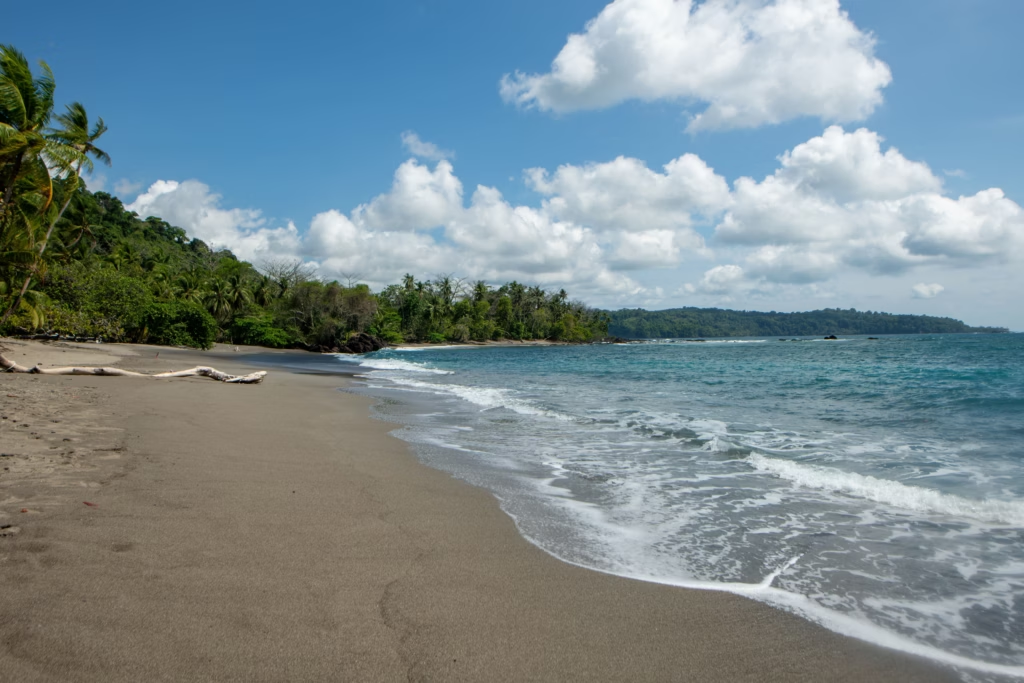
The appeal is easy to understand: children can encounter unfamiliar landscapes and learn to notice birds, insects, plants, and animal tracks. Adults get adventure, scenery, and a chance to spend more time outdoors. You can choose a gentler version of the trip with short walks and wildlife-focused activities, or add more active experiences if your children are older and comfortable with them.
The practical reality is that Costa Rica needs a little patience. Road travel can take longer than it appears on a map, and a route with too many regions can leave the family spending more time in transit than in nature. Choose a couple of bases and check the full journey between them before booking accommodation.
Weather can also change outdoor plans, so avoid making every day depend on one particular excursion. I’d book the activities that are genuinely important, then keep easy alternatives ready: a pool, a local meal, a short walk, or a quiet afternoon. That approach protects everyone’s mood when the sky has other plans.
5. Denmark: a gentle introduction to independent travel
Denmark is a comfortable family choice for travelers who want design, cycling, parks, museums, and city experiences without an overstuffed itinerary.

It can suit families who are testing international travel for the first time. You can spend time in a city, take easy day trips, explore food markets, or look for activities that let children move around rather than sit through long explanations. The overall style of travel can feel calm and manageable, especially when the family agrees to keep each day focused on one or two main ideas.
The main drawback for budget travelers is cost. Accommodation, eating out, and attractions can add up quickly. I’d compare apartment-style stays with hotels, plan some self-catered meals, and prioritize experiences rather than trying to pay for every attraction. A picnic, playground, harbor walk, or free public space can be just as valuable as another ticketed activity.
Denmark is also a good place to let children participate in planning. Give them a choice between two museums, parks, or neighborhoods. Small decisions make a family trip feel shared, and they can reduce the resistance that appears when adults schedule every hour.
6. Thailand: food, beaches, and a lively change of scene
Thailand is a lively choice for families who want beaches, tropical scenery, memorable food, markets, and cultural experiences in one trip.
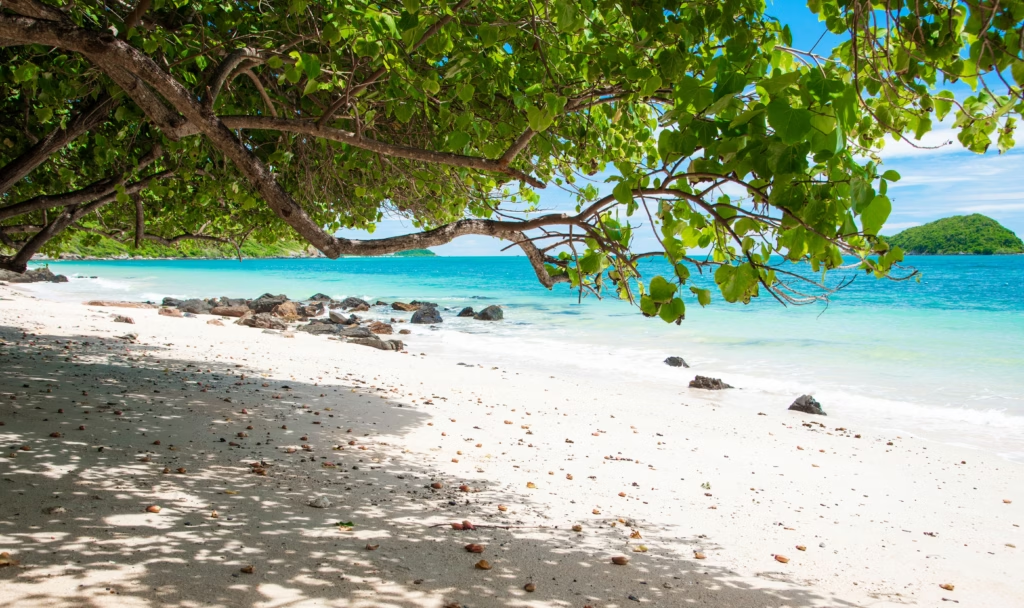
It can work for families with different interests because the holiday doesn’t need to revolve around a single activity. You might combine a city stay with time near the coast, or choose a quieter base and make the trip mostly about food, swimming, and local life. Older children may enjoy a cooking experience, a guided cultural visit, or learning a few local phrases.
The honest warning is that heat, noise, traffic, and long transfer days can challenge younger children. I’d resist the temptation to cover too many islands or cities. Pick fewer stops, protect midday rest, and choose accommodation that makes the daily logistics simple. A family room near the activities you care about can be better value than a cheaper place that requires complicated journeys every day.
Food is part of the fun, but give children a few familiar options while introducing new flavors gradually. The goal is curiosity, not a battle over dinner. Shared meals can become one of the easiest ways to connect with local culture when everyone feels comfortable.
7. South Africa: wildlife, coast, and big experiences
South Africa is a memorable family destination for travelers who want wildlife, coast, mountains, food, and city culture in one country, provided they keep the route realistic.

A family trip might combine a city stay with a wildlife experience, or focus on a coastal region and add outdoor activities. The variety gives children different ways to stay interested, while adults can build in history, food, landscapes, and quieter days. For route ideas, our guide to the best places to visit in South Africa is a useful starting point.
The honest catch is scale. Trying to combine every famous region can turn a family holiday into a sequence of airports, vehicle transfers, and early starts. I’d choose two or three strong bases rather than chase a complete national tour. Check current transport, accommodation, park access, and activity arrangements for your travel dates before committing to a tight route.
Wildlife experiences also require patience. Children may expect constant action, but animals don’t follow a timetable. Prepare them for quiet observation, changing plans, and the possibility that a sighting may not happen. That lesson can become part of the adventure rather than a disappointment.
8. Australia: space for a family trip with different personalities
Australia is a good family choice when your group wants beaches, wildlife, cities, outdoor time, and the freedom to build a trip around different interests.

It can suit families with older children who enjoy road trips, nature, and active days, as well as families who prefer a city-and-coast combination. You can include cultural experiences, animal encounters, swimming, walks, museums, and relaxed meals without expecting everyone to enjoy exactly the same thing.
The major issue is distance. Australia rewards regional planning, and a trip that tries to cover too much can become expensive and tiring. Our guide to the best places to visit in Australia can help you compare regions before you book flights or transport. I’d choose one area and explore it properly rather than collecting far-apart highlights.
Road trips need particular honesty about driving time, rest breaks, weather, and the amount of luggage in the vehicle. If the children are young, shorter travel days and accommodation with space to unwind may matter more than reaching one extra viewpoint.
How to choose the right family destination
The right family destination is the one that matches your children’s needs and your family’s realistic travel pace, not necessarily the place with the longest attraction list.
Start with age, energy, and interests. Toddlers usually need easy food options, predictable sleep arrangements, short transfers, and room to move. School-age children may enjoy animals, trains, beaches, hands-on museums, and simple challenges. Teenagers often appreciate destinations where they can make choices, take photographs, try local food, and have some independence within clear boundaries.
- For an easy city break: consider Singapore, Denmark, or a focused Japan itinerary.
- For beaches and relaxed days: Portugal or Thailand may suit your family.
- For wildlife and nature: look at Costa Rica or South Africa.
- For a flexible longer trip: Australia can work if you choose one region.
- For culture without constant movement: choose one city and its surrounding area rather than a multi-country route.
Ask what your family dislikes as well as what everyone wants. Do long car rides cause conflict? Does anyone struggle with heat? Will a packed schedule make the youngest traveler miserable? Honest answers at the planning stage can save money and protect the mood of the trip.
How to plan a family trip without overplanning
A family itinerary works best when each day has one main anchor, one flexible option, and enough unplanned time for everyone to recover.
I’d avoid booking a major activity on the day you arrive or placing a demanding excursion immediately before an important departure. Leave room for delays, naps, laundry, weather changes, and the simple fact that children often need longer to get ready than adults expect.
Accommodation can make more difference than an extra attraction. Look for a location that reduces daily transport, sleeping arrangements that suit your family, and somewhere with a shared or outdoor space when possible. Families may also benefit from a kitchen or simple breakfast setup, particularly when children wake hungry or need familiar food.
Transport deserves the same attention. Compare the full journey, not just the headline fare or room price. Include transfers, luggage, car seats where relevant, fuel, parking, and the time spent getting between places. A slightly more convenient option may give the family an extra half-day together and be worth the cost.
Making family travel social and meaningful
Family travel becomes more meaningful when children meet local people, see ordinary daily life, and take part in experiences rather than only observing landmarks.
Choose locally run food walks, craft experiences, cooking activities, nature guides, or small-group tours where the format suits your children. These can add context and create natural conversations without forcing anyone into a formal cultural lesson. Let children ask questions, learn greetings, choose a snack, or help navigate a short part of the route.
I also like leaving space for ordinary experiences: buying breakfast from a neighborhood shop, visiting a playground, riding local transport, or sitting in a public square. Those moments often become the stories families tell later because they feel shared rather than staged.
If your family is comparing long-haul options, you may also enjoy our guides to the best places to visit in the UK and the best places to visit in Argentina. They offer different ideas for combining cities, landscapes, and regional travel without assuming that every family wants the same kind of holiday.
What to do next
Choose three destinations from this list and test them against your family’s actual needs: travel time, budget, food, weather, accommodation, transport, and the activities your children will genuinely enjoy.
Then remove one or two stops from your first draft. That may sound unexciting, but fewer bases usually mean more time for swimming, wandering, resting, and discovering a place beyond its headline attractions. Reserve the experiences that are difficult to replace, but leave room for slow mornings and changes of plan.
The best answer to where to travel with family is not the destination that promises the most. It’s the one that gives everyone something to look forward to, enough space to be themselves, and a realistic chance to enjoy the journey together.






3 Comments