

Best Time to Visit Jordan? 5 Easy Tips You’ll Love
The best time to visit Jordan depends on what you want from the trip: comfortable walks through Petra, desert nights in Wadi Rum, time beside the Dead Sea, or a few relaxed days discovering local food and history. Jordan is compact enough for a focused itinerary, but its landscapes and elevations can feel very different from one stop to the next.
My simplest advice is to choose your main experience first, then select your travel season around it. These five practical tips will help you plan with fewer surprises, whether you’re traveling solo, backpacking, or putting together your first independent Jordan itinerary.
Table of Contents
1. Choose the best time to visit Jordan around your route
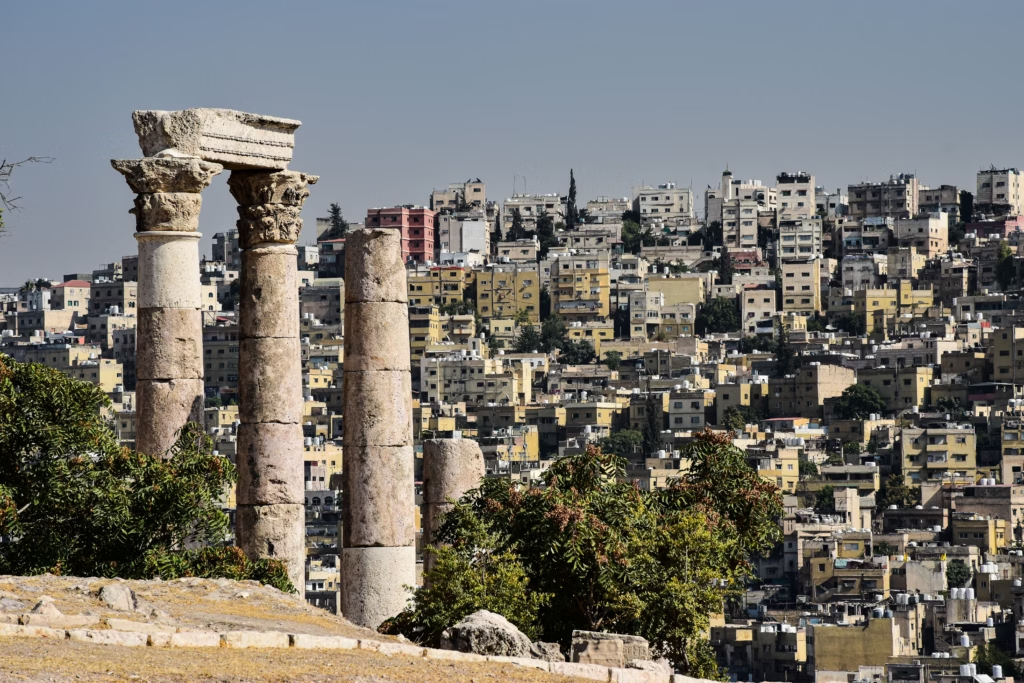
The best time to visit Jordan for a balanced first trip is usually a shoulder-season period, especially spring or autumn, when travelers often aim to combine archaeological sites, desert landscapes, and outdoor sightseeing. That broad answer is useful, but it shouldn’t replace route-specific planning.
Amman, Petra, Wadi Rum, Aqaba, and the Dead Sea do not offer identical travel conditions. Elevation, wind, sun exposure, and the amount of walking involved can change how a day feels. A season that works beautifully for city exploration may not be the ideal choice for a long desert excursion or a demanding walk through a rocky landscape.
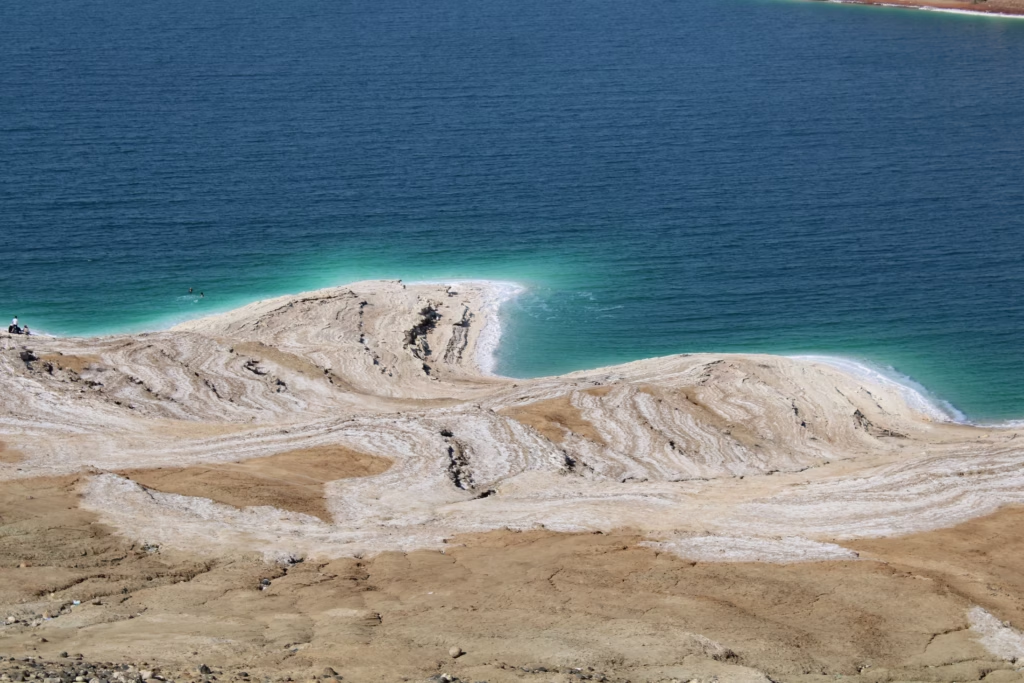
Before booking flights, write down your non-negotiables. Is Petra the main reason you’re going? Do you want to spend a night in the desert? Are you hoping to swim, snorkel, hike, or focus mainly on history and food? Once you know that, the calendar becomes much easier to read.
- For a varied first trip: compare spring and autumn dates.
- For city and cultural travel: choose a season that suits long walking days and outdoor sightseeing.
- For desert travel: prepare for strong sun during the day and cooler conditions after dark.
- For a quieter itinerary: research lower-demand periods, while confirming which tours and accommodation services operate then.
If you’re still comparing destinations, our guide to the best time to visit Morocco is useful for thinking through another region where cities, desert, mountains, and coast all have different seasonal patterns.
2. Understand Jordan’s seasons before you book
Jordan’s four broad seasons provide a helpful starting point, but regional conditions matter more than a label on the calendar. Spring and autumn are popular planning windows for travelers who want a mixture of sightseeing and outdoor activities. Summer can suit travelers who organize their days carefully, while winter may offer a different experience with cooler conditions and more changeable weather.
Spring
Spring can be an appealing time for a multi-stop route. Many independent travelers use it to combine Amman, Petra, Wadi Rum, and the Dead Sea without making the entire trip about one activity. Pack layers rather than assuming every day will feel the same, and check current conditions for any hiking or desert plans.
Spring can also bring periods of higher demand. If your dates are fixed, reserve the accommodation and excursions that are difficult to replace. I’d leave some flexibility around outdoor activities instead of booking every day back-to-back.
Summer
Summer requires more deliberate pacing, particularly if your itinerary includes long walks or exposed archaeological sites. Start sightseeing early, carry water, take breaks, and avoid treating the hottest part of the day as a test of endurance. A slower schedule often makes the trip more enjoyable and gives you time to appreciate places rather than rushing through them.
Summer can still work well for travelers who prefer flexible days, early starts, and quieter indoor breaks. If you’re traveling alone, a sociable hostel, small-group excursion, or cooking experience can add company without turning the whole trip into an organized tour.
Autumn
Autumn is another strong choice for a broad Jordan itinerary. It can suit travelers who want a comfortable balance of history, landscapes, and local food, although conditions can vary by region and by the exact month. Confirm current information for trails, desert excursions, transport, and accommodation before departure.
Winter
Winter can bring cooler days and cold nights, particularly in elevated areas and desert camps. It may suit travelers who prefer a quieter cultural trip, but your packing list should include warm layers, and your itinerary should allow for changing conditions. Ask accommodation providers what heating and bedding are available rather than assuming every property offers the same setup.
3. Plan Petra and Wadi Rum as separate experiences
Petra and Wadi Rum are often combined in one Jordan itinerary, but they deserve different kinds of preparation. Petra is a walking-heavy archaeological experience, while Wadi Rum is a desert journey shaped by open terrain, sun, wind, transfers, and overnight arrangements.
Make Petra a full day, not a rushed stop
Petra is easier to enjoy when you don’t squeeze it between a late arrival and an early departure. Wear comfortable shoes, carry water, and plan for uneven ground. The most famous approach is only part of the experience; the wider site includes routes that require time, energy, and realistic expectations.

Check current entry arrangements, opening details, access information, and local guidance for your travel dates. Conditions and operating arrangements can change, so don’t rely on an old itinerary copied from a forum. If you want historical context, consider a qualified local guide or an official interpretive resource rather than seeing the site only through quick photographs.
Research your Wadi Rum camp carefully
Wadi Rum experiences vary considerably. Before booking, ask what the trip includes, where the camp is located, how transfers work, what sleeping arrangements are provided, and how the operator handles meals, water, waste, and changes in weather.

Bring layers even if the daytime forecast looks warm. Desert temperatures can feel very different after sunset, and a remote camp may not provide every item you would expect from a conventional hotel. A small bag, sun protection, a refillable bottle, comfortable footwear, and a way to protect your phone from dust are practical additions.
A desert excursion can also be one of the easiest ways to meet other travelers. Shared jeep trips, communal meals, and group activities create natural conversations, which is useful if you’re exploring Jordan alone.
4. Build a flexible Jordan itinerary
A flexible Jordan itinerary is usually more enjoyable and can protect your budget. Rather than trying to include every possible stop, choose two or three anchors and give yourself enough time to experience them properly.

A first route might focus on Amman, Petra, Wadi Rum, and the Dead Sea. Another traveler may prefer more time around food, history, and local neighborhoods, with fewer long transfers. If swimming or the Red Sea is central to your plans, research Aqaba separately and check current transport and activity information for your dates.
Keep buffer time before important departures. A delayed transfer, a long archaeological walk, or a weather-affected excursion can make a tight schedule unravel quickly. I’d rather remove one ambitious stop than spend the whole trip watching the clock.
- Choose accommodation near the activities that matter most, not only the cheapest room.
- Check the full journey between stops, including transfers and luggage arrangements.
- Leave space for a slower morning, a local meal, or an unexpected recommendation.
- Confirm current transport, access, and excursion details close to departure.
Jordan is a rewarding destination for independent travelers, but independent doesn’t mean unprepared. Save accommodation details offline, carry the essentials you need for remote areas, and make sure someone knows your plans when heading into the desert or on a longer walk.
If you enjoy comparing regional travel styles, our guide to the best places to visit in Albania offers another example of how beaches, mountains, historic towns, and transport connections can shape an itinerary.
5. Keep your budget and travel style in mind
The cheapest travel season isn’t always the cheapest overall trip. A lower accommodation rate may be offset by limited transport, fewer operating excursions, additional transfers, or the need to pay for a private alternative. Compare the whole itinerary rather than looking at one booking at a time.
Budget-conscious travelers can reduce costs by staying longer in fewer places, using shared excursions, choosing local restaurants, and comparing hostels, guesthouses, and family-run accommodation. Keep some of your budget for the experiences that make Jordan distinctive, such as a guided archaeological visit, a desert trip, or a locally run food experience.
Solo travelers should also budget for connection. A shared tour or group activity may cost more than wandering alone, but it can provide transport, local knowledge, and an easy way to meet people. You don’t need to join a full group itinerary to avoid isolation; one structured activity can change the social rhythm of a trip.
For more destination comparisons, you can also browse our guides to the best time to visit Argentina and the best things to do in Morocco. They’re useful when you’re weighing desert landscapes, cultural travel, shoulder seasons, and long-distance planning.
What to pack for Jordan in any season
Pack for contrast rather than one imaginary average day. Your route may include city streets, rocky archaeological paths, open desert, cooler evenings, and a hotel or guesthouse where casual, comfortable clothing is the best choice.
- Comfortable shoes with grip for uneven paths and long sightseeing days.
- Lightweight layers for changing temperatures.
- A warm layer for winter, evenings, and desert camps.
- Sun protection, a small day bag, and a refillable water bottle.
- Clothing that is comfortable and respectful in local communities and religious settings.
- Offline copies of accommodation, transport, tour, and emergency details.
Before departure, check current entry requirements, travel advisories from your government, transport arrangements, attraction access, weather forecasts, and activity details for your nationality and dates. Anything involving prices, opening times, schedules, or entry conditions should be confirmed close to travel because those details can change.
What to do next
Start by choosing your priority: Petra, Wadi Rum, the Dead Sea, Aqaba, food, history, or a slower cultural route through Amman and beyond. Then compare spring, autumn, summer, and winter against that experience rather than searching for one universally perfect month.
Once you’ve chosen a season, build a route with a few strong anchors, check the current logistics, and reserve the parts that have limited availability. Leave room for a long meal, an unplanned conversation, and a day that doesn’t need to be optimized.
That’s the real secret to finding the best time to visit Jordan: choose the season that lets you travel at a pace you can enjoy. With a realistic plan and a little flexibility, Jordan can feel adventurous without becoming complicated.





3 Comments