

Best Places to Visit in Argentina: 10 Places You’ll Love
The best places to visit in Argentina stretch from subtropical rainforest in the north to windswept mountains and glaciers in the south. In between, you’ll find elegant city neighborhoods, vineyards, high-altitude valleys, wide-open plains, and Atlantic coast landscapes. That variety is what makes Argentina so rewarding and what makes planning a trip feel slightly overwhelming at first.
I’d avoid trying to see the whole country in one rushed itinerary. Argentina is enormous, and each region has its own climate, food traditions, landscapes, and pace. Instead, choose two or three experiences that genuinely appeal to you. You might pair Buenos Aires with Mendoza, combine Iguazú Falls with Salta, or build a longer Patagonia route around El Calafate and El Chaltén.
This guide covers ten of the best places to visit in Argentina, with practical ideas for deciding what belongs on your route. I’ve focused on destinations that offer something distinct, whether that’s culture, hiking, food, wildlife, history, or simply the pleasure of being somewhere that feels far removed from your usual routine.
Table of Contents
How to choose among the best places to visit in Argentina
The best place to visit in Argentina depends on the kind of trip you want. Buenos Aires suits travelers who like food, architecture, nightlife, museums, and neighborhood wandering. Mendoza is a natural choice for wine and mountain scenery, while Patagonia is where I’d look for serious hiking, glaciers, lakes, and large-scale landscapes.
If you’re traveling on a budget, think carefully about internal transport before committing to a route. Argentina’s regions are widely spread out, so moving between them can take a meaningful share of both your time and your budget. A slower itinerary with fewer bases often feels better than a long list of destinations connected by exhausting travel days.
It’s also worth checking current transport arrangements, entry requirements, trail conditions, and attraction information before you leave. Conditions and schedules can change, particularly in remote regions. I’d keep a little flexibility in any plan involving mountain weather or long-distance connections.
1. Buenos Aires: Argentina’s cultural starting point
Buenos Aires is one of the best places to visit in Argentina if you want to begin with culture, food, architecture, and urban energy. The city feels different from one neighborhood to the next, so I’d resist treating it as a single sightseeing area. The character of San Telmo, Palermo, Recoleta, La Boca, and other districts comes from their streets, cafés, parks, markets, and local routines as much as from individual attractions.
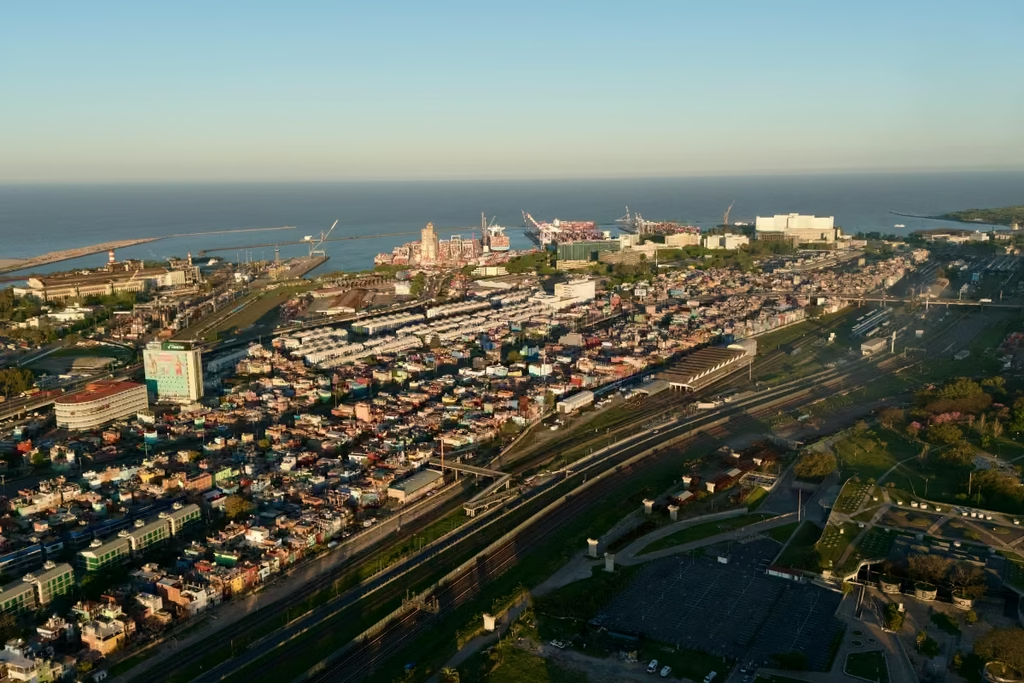
Spend time walking during the day, then make room for a long meal or an evening performance. Buenos Aires is a city where dinner can easily become the main event, and the food scene reaches well beyond the famous steak restaurants. Look for empanadas, regional dishes, bakeries, cafés, and places where residents are eating rather than building your whole experience around the most heavily promoted addresses.
For solo travelers, Buenos Aires can be an easy place to build a social trip. Walking tours, language exchanges, cooking activities, and shared accommodations offer natural ways to meet people, while the city’s neighborhoods provide plenty to explore alone. Keep the usual big-city habits in mind: protect your belongings, stay aware of your surroundings, and ask local accommodation staff about areas or transport options you’re unsure about.
Buenos Aires deserves more than a quick arrival-and-departure stop. Give yourself enough time to settle into its rhythm, because the city’s appeal grows when you move beyond a checklist of landmarks.
2. Iguazú Falls: Rainforest and rushing water
Iguazú Falls is one of the best places to visit in Argentina for travelers who want a dramatic natural spectacle without giving up the convenience of an established visitor destination. The waterfalls are set within a subtropical environment, and the surrounding forest is an important part of the experience rather than just scenery behind the main viewpoints.
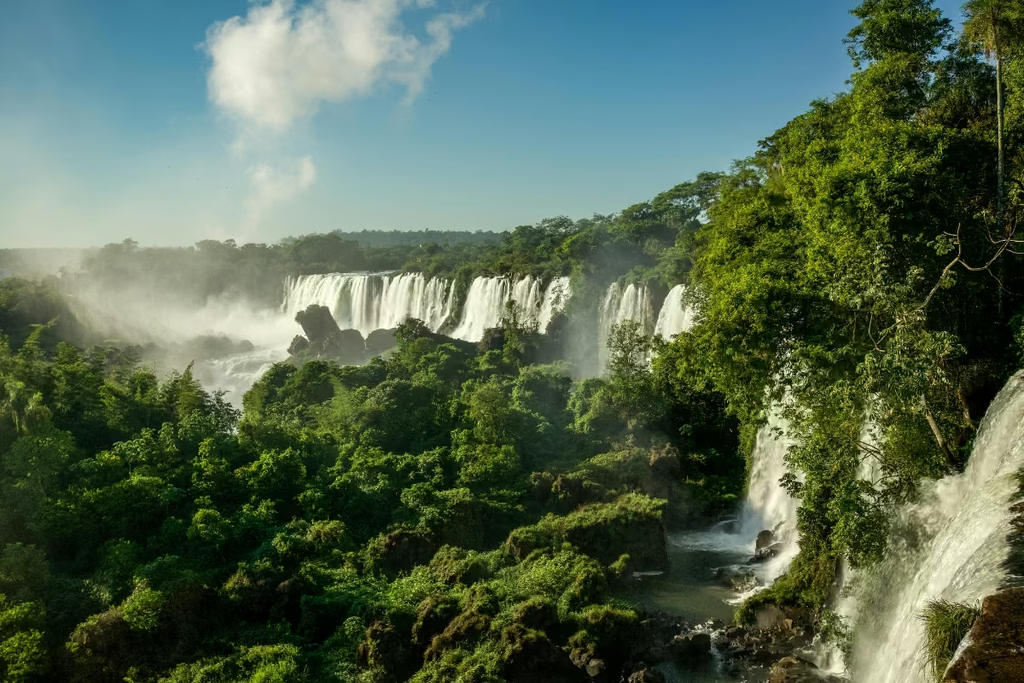
Expect a day of walking, changing viewpoints, spray, heat, and plenty of visual drama. The falls can look completely different depending on the weather and water conditions, so I’d take time to pause at more than one viewing area instead of rushing toward a single photograph. Bring practical clothing, protect electronics from moisture, and use sun protection even when the forest canopy provides shade.
The destination is especially useful for travelers building a varied first trip to Argentina. It contrasts sharply with Buenos Aires and has a completely different feel from Patagonia. That regional variety is one reason I’d include Iguazú if waterfalls, wildlife, and tropical landscapes appeal to you.
Because this is a popular destination, check current information for access routes, visitor regulations, and conditions before setting out. If your itinerary also includes the neighboring side of the falls, confirm the border and entry requirements that apply to your nationality rather than assuming the arrangements are identical.
3. Mendoza: Wine country beneath the Andes
Mendoza is one of the best places to visit in Argentina for wine, food, mountain views, and a more relaxed travel rhythm. The province is strongly associated with vineyards and Malbec, but you don’t need to be a wine expert to enjoy it. Tastings, vineyard lunches, cycling routes, and countryside landscapes make the region approachable for curious beginners as well as experienced wine travelers.
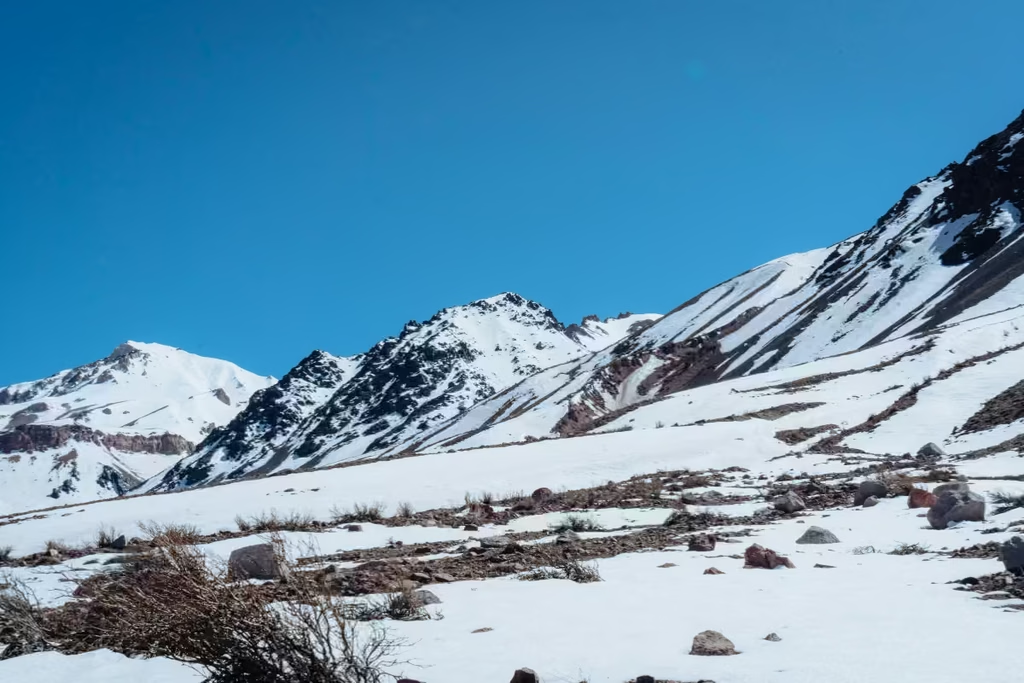
Plan your visit around the kind of day you actually enjoy. A winery-focused itinerary might include tastings and a long lunch, while an outdoors-oriented trip could combine vineyard visits with mountain excursions. You can also spend time in the city itself, where tree-lined streets, cafés, restaurants, and plazas provide a comfortable base between day trips.
Mendoza works well for couples, solo travelers, and small groups because it offers both organized activities and plenty of space for independent exploration. If you’re traveling alone, compare group tours carefully and check what transportation and tastings are included. A shared excursion can be a good way to meet other travelers without having to arrange every detail yourself.
The Andes are the region’s great visual presence, but mountain activities require sensible preparation. Conditions can change, and altitude or weather may affect plans. Use current local advice when choosing hikes or excursions, and don’t treat a mountain day as interchangeable with a casual city walk.
4. Bariloche and the Lake District: Forests, lakes, and outdoor days
Bariloche is one of the best places to visit in Argentina for travelers who want accessible outdoor adventures, lake scenery, forests, and a town with plenty of visitor infrastructure. It sits within the Lake District, a region where mountain landscapes and waterways create a strong contrast with Argentina’s more arid or urban destinations.
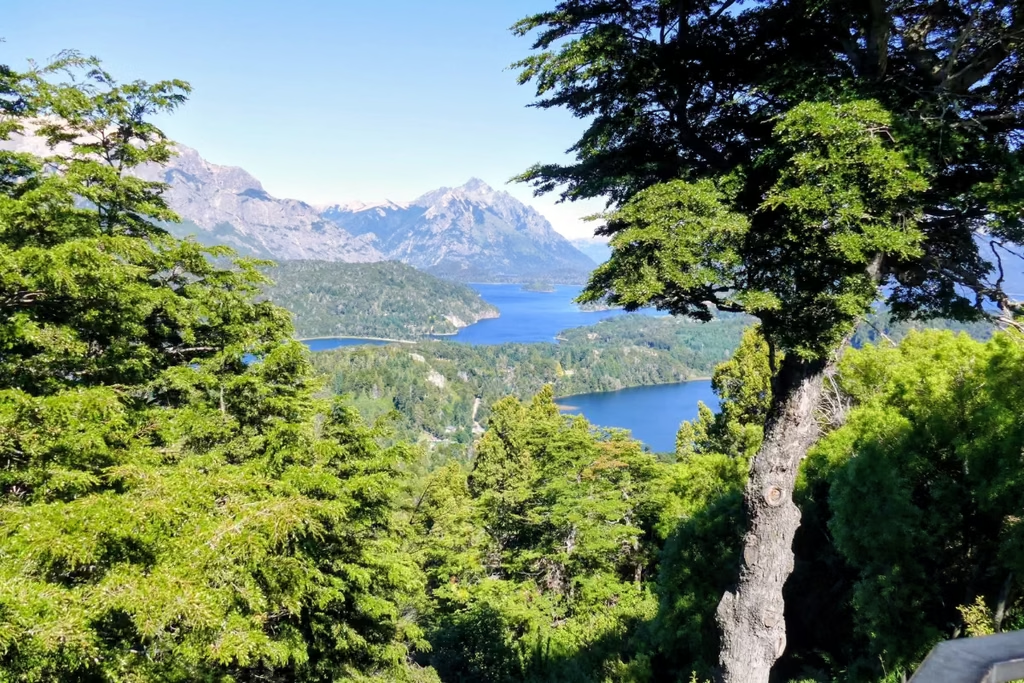
Choose Bariloche if you like having options. You can plan a day around viewpoints, walking trails, cycling, kayaking, scenic drives, or simply finding a quiet place near the water. The area also has a strong food identity, including chocolate and regional dishes, so active days can be balanced with long meals and relaxed evenings.
I’d give yourself room to adjust plans here. Weather may influence what feels enjoyable, and the best day for a trail or lake activity may not be the day you originally selected. Ask local providers or accommodation staff about current conditions, especially if you’re heading onto a longer or less familiar route.
Bariloche is a particularly good choice for travelers who want a taste of Patagonia but aren’t ready to build an itinerary around remote trekking. You can experience grand scenery while still having access to restaurants, accommodation choices, and organized activities.
5. El Calafate: Gateway to glacier country
El Calafate is one of the best places to visit in Argentina for travelers whose main goal is seeing glaciers and exploring the southern edge of Patagonia. The town is commonly used as a base for visiting Los Glaciares National Park, where ice, mountains, lakes, and open landscapes create a very different experience from northern Argentina.
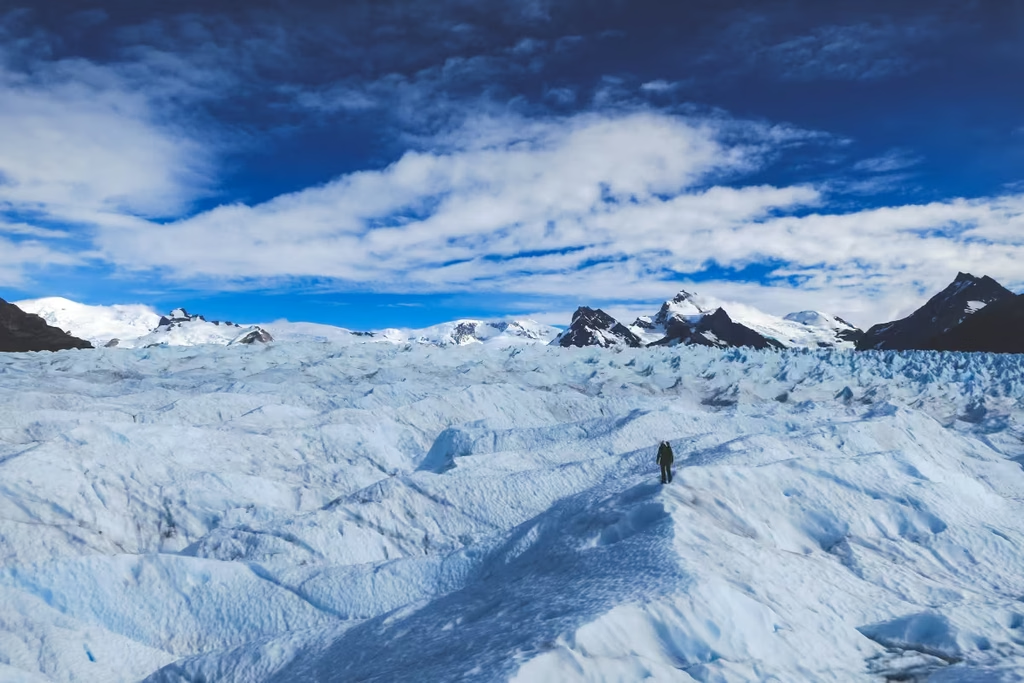
A visit here is about scale. Glaciers don’t need much embellishment from a travel writer; standing in front of a huge wall of blue-white ice is enough to reset your sense of proportion. Depending on current conditions and the activities available during your visit, you may explore by viewpoint, boat, guided walk, or another organized excursion.
Bring layers and prepare for changeable weather. Patagonia rewards practical packing more than stylish packing, especially if you plan to spend long periods outdoors. Waterproof footwear or an outer layer can make a major difference, and a small day bag is useful for carrying extra clothing, water, and sun protection.
El Calafate suits travelers who want a relatively focused Patagonia experience. It can also be paired with El Chaltén, although you should allow enough time for transport and rest rather than trying to squeeze both into a handful of rushed days.
6. El Chaltén: Argentina’s hiking capital
El Chaltén is one of the best places to visit in Argentina for independent hikers and anyone who wants to spend several days moving through mountain landscapes. The town is closely associated with trails leading into Los Glaciares National Park, with routes ranging from shorter walks to demanding full-day outings.
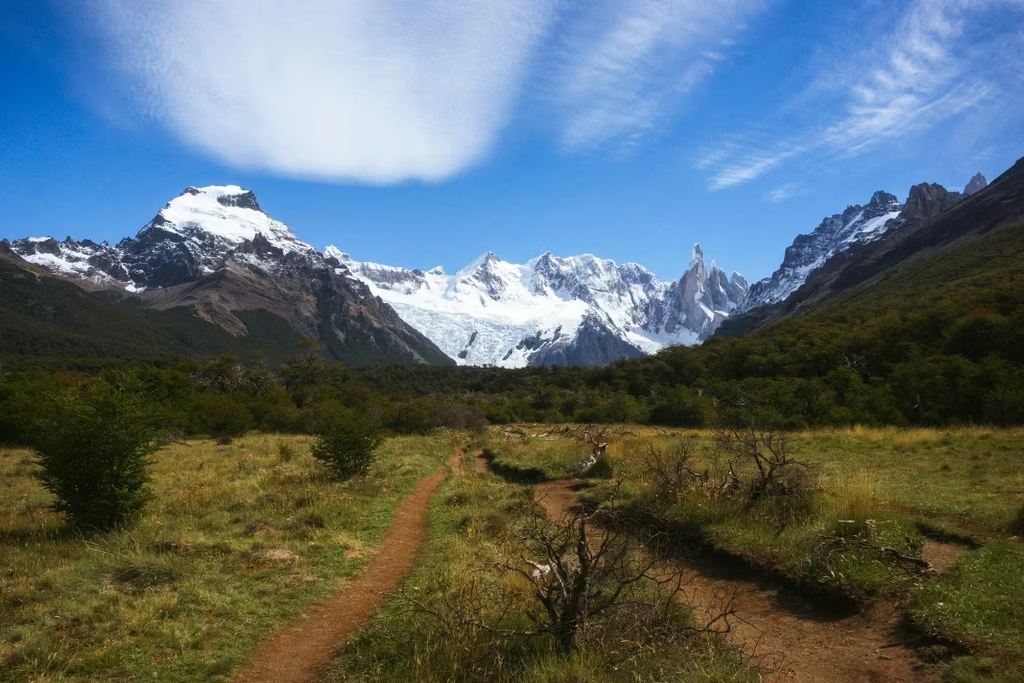
The appeal is straightforward: wake up, check the conditions, choose a trail, and spend the day outside. You don’t need to be an elite trekker to enjoy the area, but you do need to match your plans to your fitness, experience, equipment, and the weather. Trail difficulty is not something I’d estimate casually, so use current official information and local advice before setting out.
Pack food and water according to the route, carry extra layers, and download or obtain reliable navigation information. Weather can shift quickly in mountain environments, and a clear morning doesn’t guarantee an easy afternoon. Tell someone about your plans if you’re hiking alone, and don’t let a dramatic forecast or a social-media photograph pressure you into a route that doesn’t suit you.
El Chaltén is ideal for travelers who enjoy simple days and a strong outdoor focus. The town itself is smaller and less city-oriented than Buenos Aires or Mendoza, which is part of the attraction. Come here to walk, recover, compare trail stories, and watch the mountains change with the light.
7. Ushuaia: The southern edge of the map
Ushuaia is one of the best places to visit in Argentina for travelers drawn to remote-feeling geography, maritime landscapes, forests, and access to Tierra del Fuego. The city’s setting between mountains and water gives it a distinct atmosphere, and it works as a base for exploring the surrounding national park and channels.
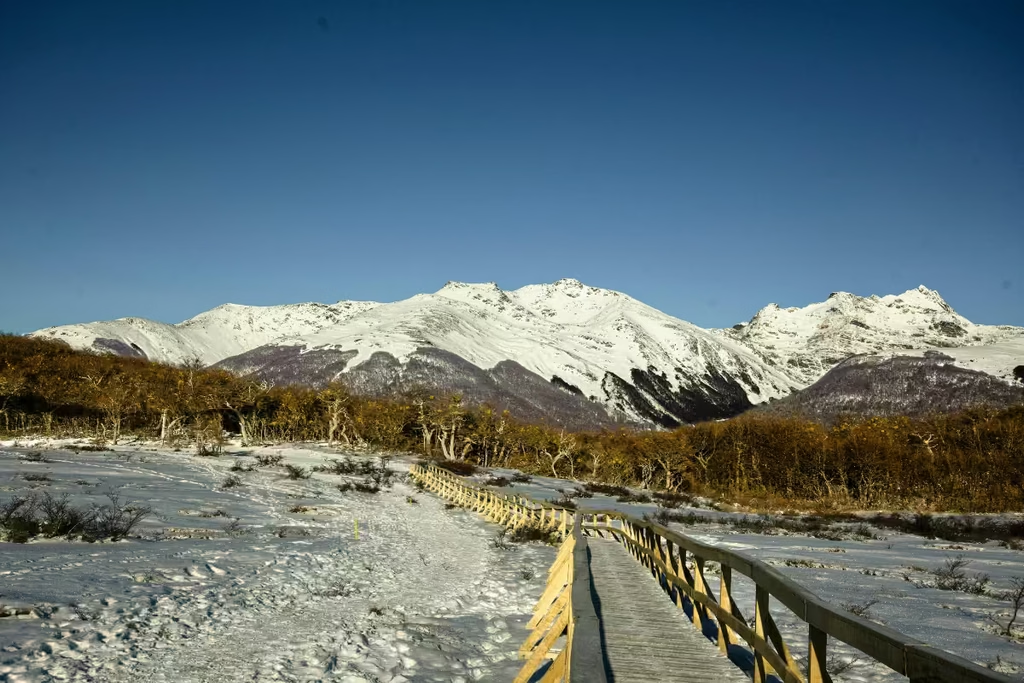
You can shape the visit around hiking, boat excursions, wildlife watching, museums, or simply experiencing a city that has become associated with the far south. The weather may be changeable, so flexible planning is useful. Bring clothing that can handle wind and rain, even if the forecast looks manageable when you leave your accommodation.
Ushuaia is a strong addition to a longer Patagonia itinerary, but it may not be the right choice if you have only a short trip and want to avoid long connections. Think about what you want from southern Argentina: if you’re primarily interested in hiking, El Chaltén may deserve more of your time; if you want a different combination of maritime history, forests, and remote geography, Ushuaia becomes more compelling.
As with any destination near protected landscapes, check current access rules and activity information before you travel. Conditions, transport, and available excursions can vary by season and year.
8. Salta and Jujuy: High-altitude landscapes and northern culture
Salta and the neighboring province of Jujuy are among the best places to visit in Argentina for travelers interested in northern culture, colonial architecture, colorful geological landscapes, and food traditions that feel distinct from Buenos Aires and the central regions.
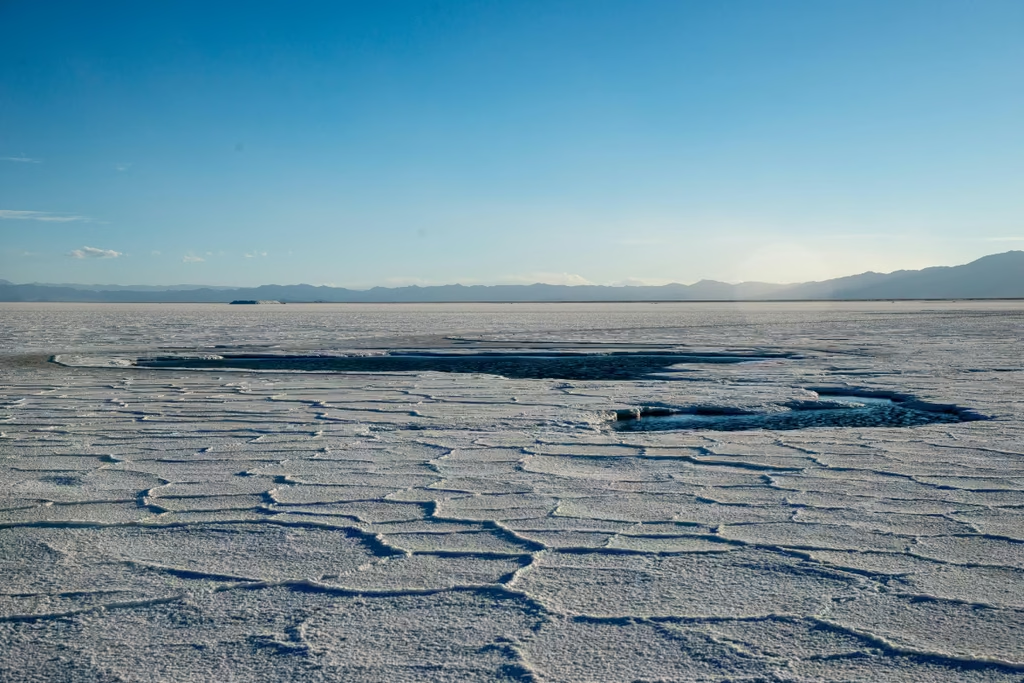
Salta makes a useful base for exploring the northwest, with historic streets, plazas, museums, restaurants, and a more relaxed urban pace. Jujuy opens the door to mountain valleys, high-altitude settlements, dramatic rock formations, and landscapes that change as you travel through the region. The best way to experience the northwest is usually to slow down and treat the journey between towns as part of the destination.
Altitude deserves respect. You may notice the effects more strongly as you travel higher, so avoid planning an intense activity immediately after arriving in a high-altitude area. Drink water, move at a sensible pace, and follow current local or medical advice if you feel unwell.
This region is a good fit for curious independent travelers because it rewards observation. Pay attention to regional dishes, textiles, music, architecture, and the relationship between towns and their surrounding landscapes. It’s also a useful reminder that Argentina is culturally and geographically much broader than its capital and southern wilderness.
9. Córdoba and the Sierras: A slower inland escape
Córdoba is one of the best places to visit in Argentina for travelers who want an inland city, student energy, history, and access to the Sierras. The province offers a combination of urban life and countryside escapes, making it a flexible choice when you want something different from both Buenos Aires and Patagonia.
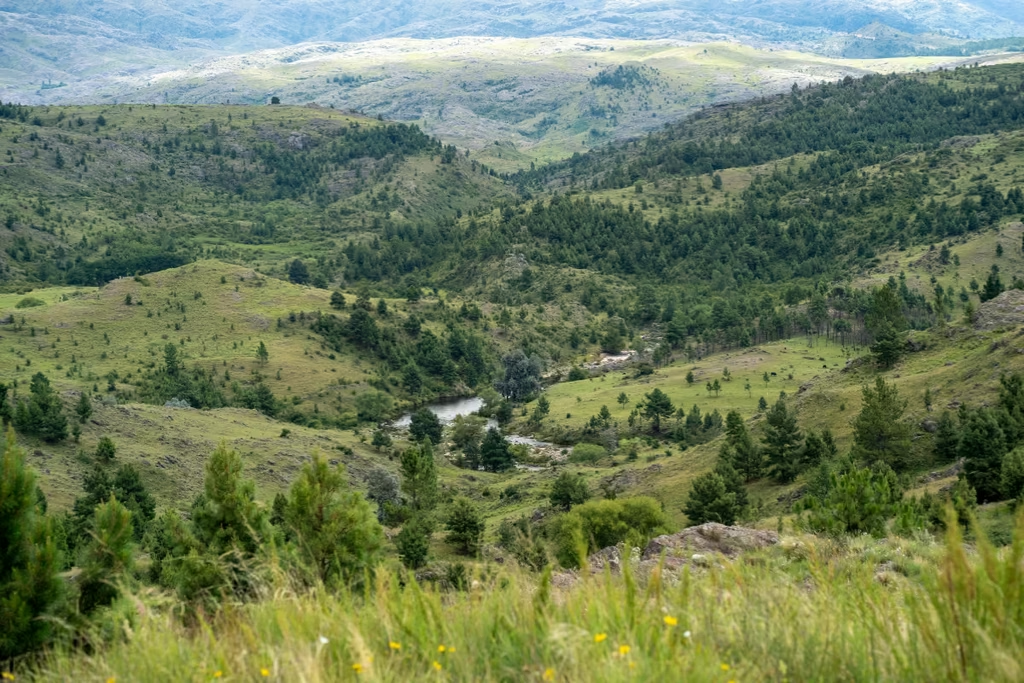
In the city, explore historic areas, cultural spaces, cafés, and restaurants. Outside the urban center, the Sierras provide opportunities for walking, swimming in natural settings, road trips, and stays in smaller towns. The exact experience depends on where you base yourself, so choose a town or area according to whether you want nightlife, quiet scenery, outdoor activities, or a mixture.
Córdoba can be especially appealing for longer trips or repeat visitors who have already seen Argentina’s most internationally recognized destinations. It gives you a chance to settle into a less obvious part of the country and experience the rhythms of domestic travel rather than following only the classic tourist circuit.
If you’re hiring transport, check the current terms carefully and plan routes conservatively. Rural roads, weather, and mountain conditions can affect a day more than a map suggests. The best road-trip days usually leave enough time for unplanned stops rather than being built around a rigid list of locations.
10. Puerto Madryn and the Valdés Peninsula: Wildlife on the Atlantic coast
Puerto Madryn and the Valdés Peninsula are among the best places to visit in Argentina for travelers interested in marine wildlife and wide Atlantic landscapes. The area offers a different kind of Patagonia, one shaped by coast, wind, beaches, cliffs, and seasonal animal activity.
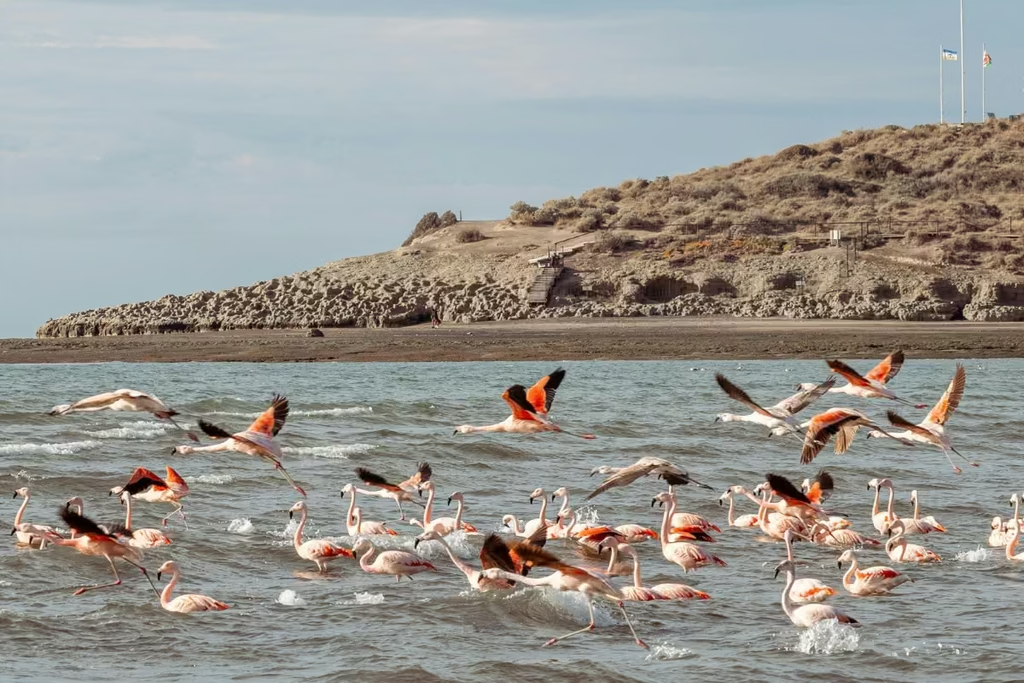
Wildlife viewing is naturally influenced by the season, so check current information for the year of your visit rather than assuming that every species or activity will be available at all times. Responsible operators should explain viewing guidelines and keep appropriate distances from animals. I’d choose a provider that treats wildlife as the priority, not simply as a photo opportunity.
Puerto Madryn can also work as a calmer coastal stop within a larger Argentina itinerary. The town provides access to excursions while giving you space to walk, eat seafood, and recover from more demanding travel days. The peninsula itself is best approached with patience: the landscapes are open, and the experience depends on conditions rather than a guaranteed sequence of sightings.
This destination suits travelers who are willing to plan around nature instead of expecting nature to follow a timetable. That uncertainty is part of the appeal, especially if you enjoy photography, birdwatching, or quiet observation.
How to build an Argentina itinerary
A good Argentina itinerary begins with regional logic. For a shorter trip, choose destinations that connect naturally rather than trying to jump between every corner of the country. Buenos Aires can pair with Mendoza, Iguazú Falls, or Córdoba. For Patagonia, decide whether your priority is glaciers, hiking, lakes, wildlife, or the far south before selecting your bases.
- For a first city-and-nature trip: combine Buenos Aires with Iguazú Falls or Mendoza.
- For hiking: focus on El Chaltén and add El Calafate if glaciers appeal to you.
- For northern culture: build around Salta and Jujuy, allowing time for altitude and overland travel.
- For wildlife: consider Puerto Madryn and the Valdés Peninsula, checking seasonal conditions for your travel year.
- For a broad Patagonia trip: choose two or three southern bases rather than trying to cover every major name.
Transport deserves as much attention as sightseeing. Check current flight, bus, road, and park information before finalizing your route, and leave buffer time around long connections. Argentina is rewarding when you give each region enough space to feel different. It becomes tiring when every day is spent getting to the next highlight.
If you’re comparing Argentina with another long-haul destination, our guide to the best places to visit in Morocco offers another example of how varied landscapes can shape an itinerary. The two countries are very different, but both reward travelers who plan around regional contrasts rather than trying to see everything.
Practical tips for visiting Argentina
Pack for the regions, not just the calendar. Argentina can include heat, rain, wind, mountain cold, and strong sun within the same trip. Layers, comfortable walking shoes, sun protection, and a reliable day bag are useful almost everywhere. For Patagonia and high-altitude areas, take outdoor clothing seriously.
Keep a record of reservations, transport details, and important contact information, especially when traveling between remote destinations. Download useful maps and confirmations before leaving dependable internet access. If you’re heading into a national park or rural region, ask about current conditions rather than relying only on old blog posts or social-media recommendations.
Food is one of the easiest ways to notice regional differences. Try more than the dishes most associated with Buenos Aires, and look for local specialties in the northwest, the wine regions, Patagonia, and the coast. Markets, bakeries, casual restaurants, and shared meals can be more revealing than a carefully staged dining experience.
Solo travelers should embrace the social opportunities available through walking tours, hostels, group excursions, cooking activities, and outdoor trips. At the same time, don’t assume that every remote hike or long transfer is a good place to improvise alone. Share plans, follow local guidance, and choose experiences that match your preparation.
What to do next
Start by choosing your main Argentina experience. Do you want city culture, wine, rainforest, mountain trails, glaciers, wildlife, or a slower journey through the northwest? Once you have that answer, select two or three destinations that support it and check the current transport and seasonal information for your travel year.
Then build in breathing room. Argentina is too large and varied to appreciate properly when every day is a transfer. Leave space for a long meal, a weather change, an unexpected conversation, or one extra walk through a neighborhood that feels worth exploring. The strongest itinerary is not the one with the most pins on a map it’s the one that gives you time to notice where you are.





2 Comments