Best Things to Do in Seward, Alaska: 10 Top Picks
Seward is one of the most rewarding stops on an Alaska itinerary, especially if you want to combine mountain scenery, marine wildlife, hiking, and time on the water. The best things to do in Seward include a Kenai Fjords cruise, a walk near Exit Glacier, a visit to the Alaska SeaLife Center, and an evening around the harbor. You can see the main sights in one busy day, but two or three days give you time to enjoy the area without rushing.
If you are planning a wider trip, see our guide to the best places to visit in the USA, where Alaska is one of the top destinations.
This guide explains what is worth your time, which activities need advance reservations, how to plan for changing weather, and how to build a practical Seward itinerary.
Table of Contents
1. Take a Kenai Fjords National Park cruise
A boat trip into Kenai Fjords National Park is the top activity for most visitors. The cruises leave from Seward Harbor and travel through Resurrection Bay before reaching the park’s rugged coastline. Depending on the route and weather, you may see tidewater glaciers, sea otters, harbor seals, Steller sea lions, Dall’s porpoises, humpback whales, orcas, and large colonies of seabirds.
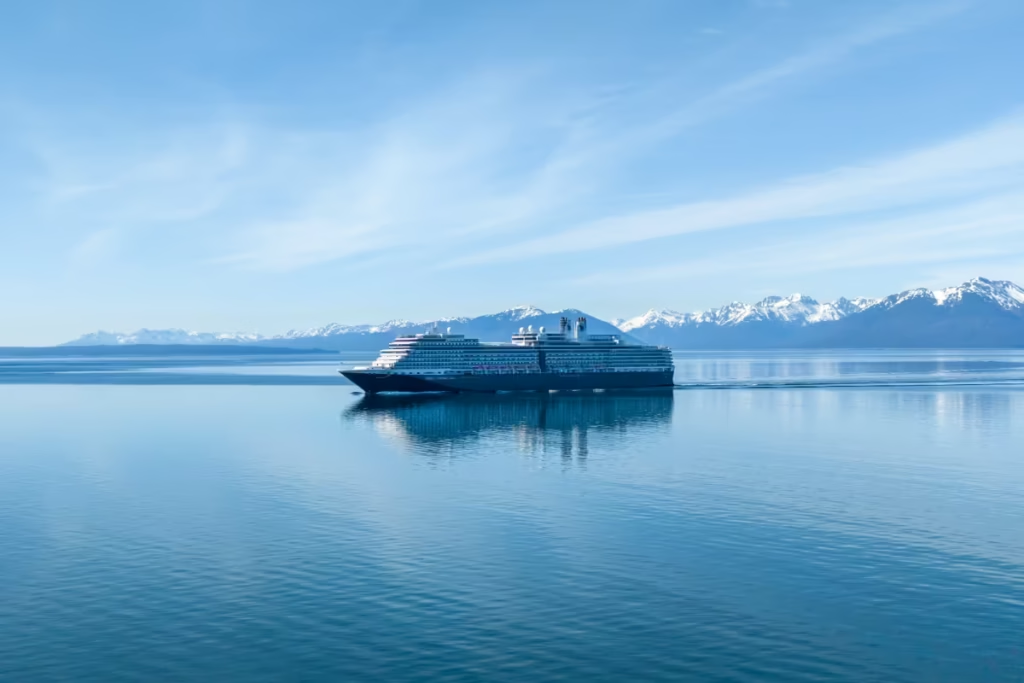
Most trips last between four and eight hours. Shorter cruises work well when you have one day in town. Longer tours usually travel farther into the park and provide more time for wildlife viewing and glacier scenery.
Book a Kenai Fjords wildlife cruise before your trip, especially for June through August. Look for a boat with an enclosed cabin, outdoor viewing decks, and a naturalist guide. Bring layers, a waterproof jacket, sunglasses, and medication if you get seasick. The water can feel cold even on a sunny summer day.
If you have limited time, make this your main Seward activity. Boat tours can sell out, and a late afternoon departure may limit your chance to add another major attraction afterward.
2. Visit Exit Glacier
Exit Glacier is the easiest part of Kenai Fjords National Park to reach by road. From downtown Seward, the drive takes about 20 minutes. The Exit Glacier area has several trails, ranging from short walks to more demanding routes with views over the glacier and surrounding valley.
The Glacier View Loop Trail is a good choice for a brief visit. It gives you a closer look at the glacier without requiring a long hike. The Moraine Trail adds a little more distance and helps you understand how far the ice has retreated over time.
For a stronger workout, consider the Harding Icefield Trail. This strenuous hike climbs steeply through forest and alpine terrain before reaching broad views of the icefield. It is roughly eight miles round trip, with substantial elevation gain. Plan several hours, carry plenty of water, and turn around if weather or trail conditions deteriorate.
Check current park conditions before driving out. Snow can remain on higher sections well into summer, and trail access may change because of weather, maintenance, or wildlife activity. You will also need an entrance pass for the national park area.
3. Explore the Alaska SeaLife Center
The Alaska SeaLife Center sits near the waterfront and is a useful stop when rain, wind, or fatigue changes your plans. Its exhibits focus on animals found in Alaska’s coastal waters, including sea lions, seals, puffins, octopuses, salmon, and other marine species.
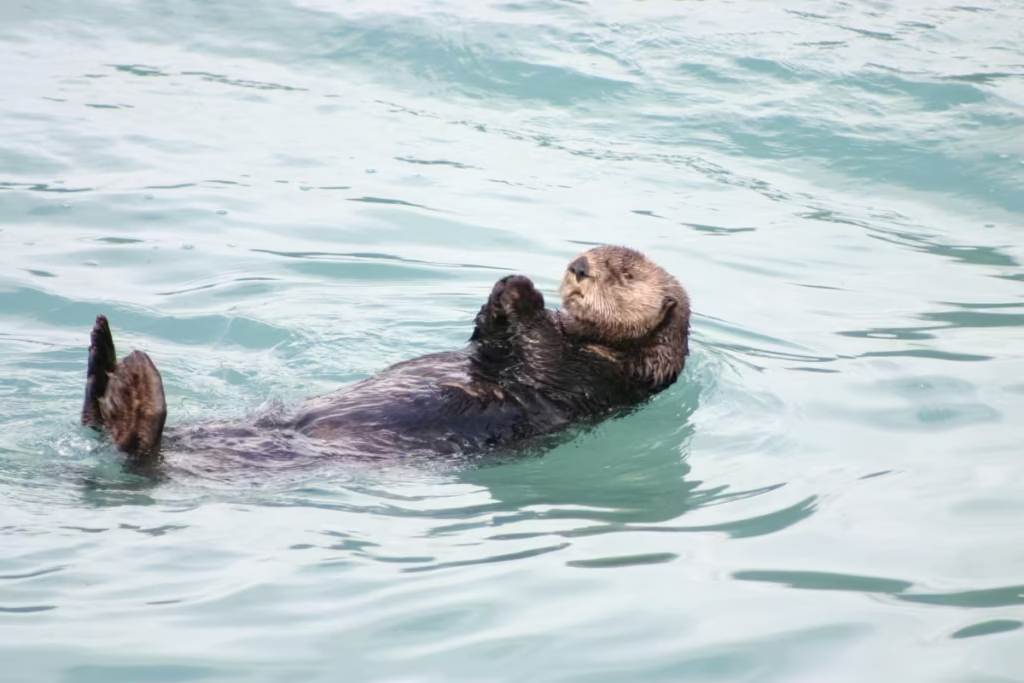
The center also supports marine research, wildlife rehabilitation, and public education. Its indoor setting makes it particularly convenient for families and cruise passengers with a few free hours in Seward.
Allow about two hours for a comfortable visit. Check the daily schedule when you arrive because animal feedings and presentations can add more value to the visit. You can pair the center with a walk through the harbor and a meal downtown.
4. Walk around Seward Harbor and the waterfront
Seward Harbor is easy to explore on foot and offers a relaxed way to see the town between larger excursions. Watch fishing boats unload their catch, look for sea otters near the docks, and check the tour operators’ departure boards. The waterfront also provides clear views toward the surrounding mountains when the weather cooperates.
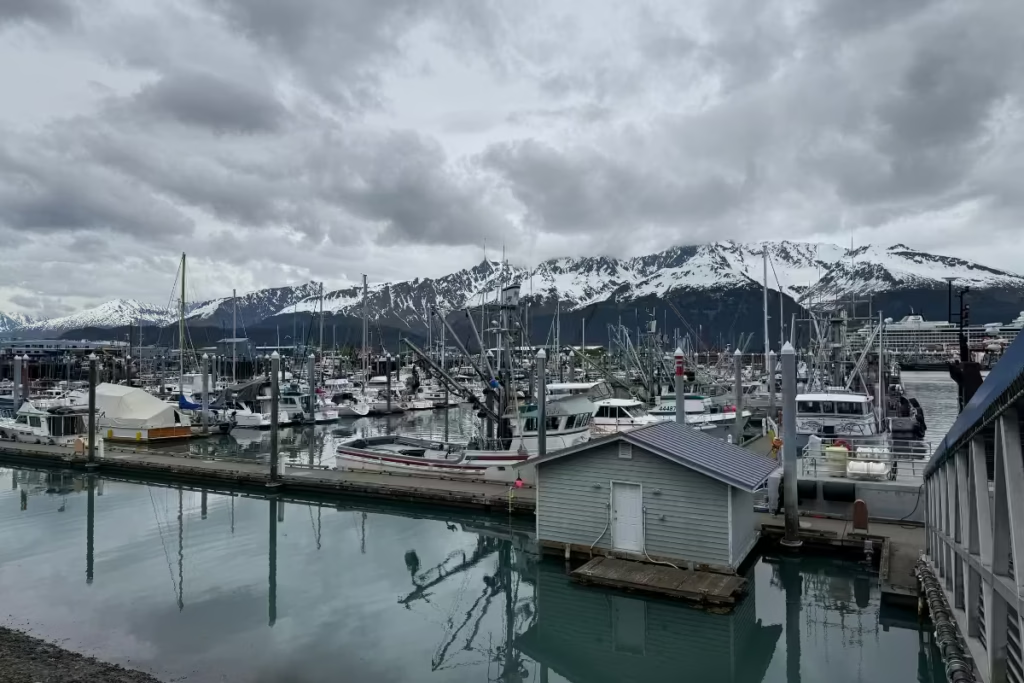
The harbor area has restaurants, coffee shops, galleries, and small stores selling local artwork and outdoor gear. It is a good place to buy snacks before a boat trip or find a casual dinner after returning from the water.
Give yourself at least an hour for a simple walk. Stay alert around working docks, keep a safe distance from wildlife, and follow signs posted by the harbor authority.
5. Go sea kayaking in Resurrection Bay
A guided sea kayaking trip offers a quieter way to experience Seward’s coastline. Tours usually leave from the harbor or nearby beaches and travel through protected sections of Resurrection Bay. Guides teach basic paddling and safety techniques, so previous kayaking experience is not always required.
You may see sea otters, seals, bald eagles, seabirds, and occasionally whales. The exact route depends on wind, waves, and visibility. Some trips last a few hours, while others combine kayaking with a boat ride to a more remote launch point.
Reserve a Seward sea kayaking tour if you want a more active day on the water. Wear the clothing supplied or recommended by the operator, and expect to get some spray on your outer layers. Children must meet the company’s age and size requirements, which vary by tour.
Kayaking is a better choice when you want close views of the shoreline and a slower pace. Choose a larger wildlife cruise if seeing glaciers and covering more coastline is your priority.
6. Hike the local trails
You do not need to drive to Exit Glacier for a good hike. Seward has several trails close to town, including routes through forested hills and paths with views over Resurrection Bay.
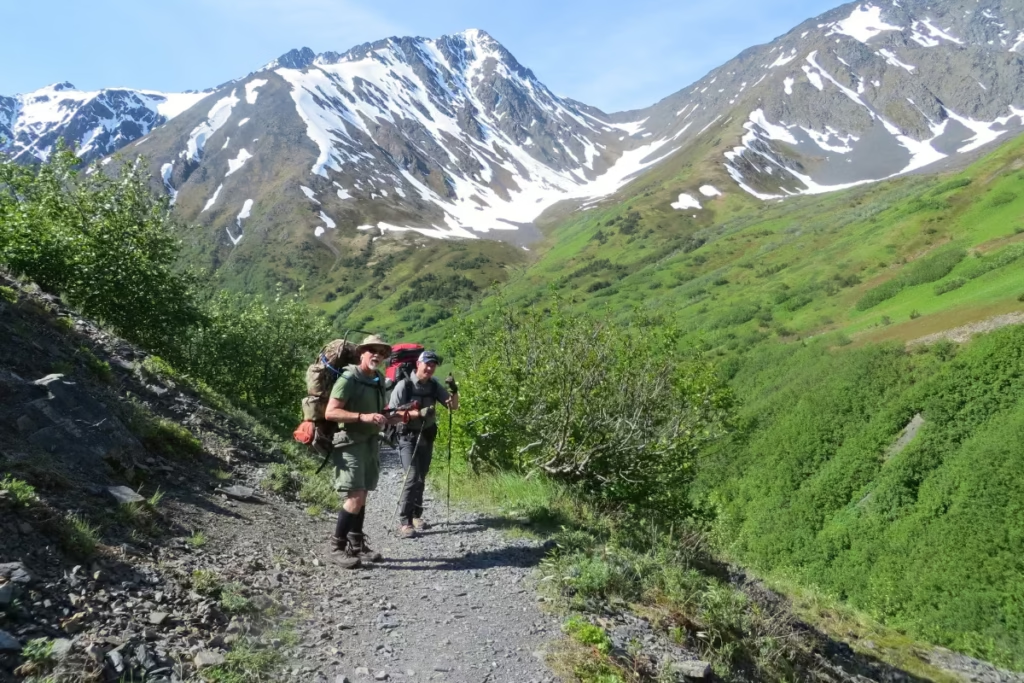
Mount Marathon is the most famous local hike. The route is steep and demanding, with loose rock and quick changes in weather. Experienced hikers may complete the main route in a few hours, but you should allow extra time and avoid treating it as a casual walk. The annual Mount Marathon Race takes place around Independence Day, and the trail can be busy during the event period.
For an easier outing, try the Seward Waterfront Park paths or look into shorter trails near Lowell Point. The Lost Lake Trail is a longer option for strong hikers who want a forest and alpine setting. Ask a local visitor center about current conditions before choosing a route.
Carry bear spray where recommended, make noise on wooded sections, and keep food sealed in your pack. Alaska’s trail conditions can change quickly, even during the main visitor season.
7. Visit Lowell Point
Lowell Point sits just south of Seward and provides access to beaches, forest trails, and views over Resurrection Bay. The area feels quieter than the downtown waterfront and works well for a short scenic drive or a half-day outdoors.
You can walk along the beach when the tide and conditions allow, look for seabirds, and enjoy views toward the mountains. Some kayaking and water-based excursions also use the area as a launch point.
Road and trail conditions can change, so check locally before heading out. Stay away from unstable slopes, avoid climbing on driftwood piles, and keep a safe distance from any marine mammals on the shore.
8. Book a fishing charter
Seward is a major fishing destination, with charter trips targeting halibut, salmon, rockfish, and lingcod at different times of year. A full-day charter takes you farther offshore and usually offers the best chance of reaching productive fishing grounds. Half-day trips suit travelers who want to keep time open for other activities.
Charter companies generally provide rods, tackle, safety equipment, and instructions. Ask about licenses, fish processing, luggage limits, weather policies, and whether the price includes cleaning or shipping your catch.
A Seward fishing charter should be reserved well in advance for summer dates. If you are prone to seasickness, select a larger boat and take appropriate medication after checking with your doctor or pharmacist.
9. Look for a dog sledding experience
Dog sledding tours give you a chance to learn about Alaska’s racing and working dogs. Summer operators may use wheeled carts on forest roads, while some helicopter-supported tours take guests onto snowfields or glaciers. Availability, prices, and age restrictions vary considerably.
You will usually meet the dogs, learn how mushers train them, and ride with an experienced guide. Ask whether the tour runs in all weather and what happens if flight conditions prevent a glacier landing.
A Seward dog sledding excursion is a strong splurge option if you have several days in town. Compare the total travel time with the length of the actual dog sled ride before booking.
10. Ride the Alaska Railroad or drive the Seward Highway
Seward connects with Anchorage by the Seward Highway and the Alaska Railroad. The rail journey is a scenic option for travelers who prefer not to drive, while a car gives you more flexibility for Exit Glacier, Lowell Point, and roadside stops.
The highway takes roughly two and a half to three hours in favorable conditions, although construction, traffic, and wildlife can add time. Plan extra stops at overlooks and allow daylight for the drive. If you rent a car, reserve a car for the Seward Highway in advance during the busiest months.
The train schedule is seasonal and may not match every cruise departure. Confirm your transport times before booking an excursion, particularly if you are visiting Seward as part of a cruise or rail package.
Best Things to Do in Seward in One Day
If you only have one full day, reserve a morning Kenai Fjords cruise. Eat lunch near the harbor, then visit the Alaska SeaLife Center and walk along the waterfront. If your cruise leaves early enough, add a brief stop at Exit Glacier before returning to town.
You can find a convenient Seward hotel near the harbor if you want to walk to restaurants and tour departures. For more options, browse Alaska accommodation deals before you book.
Another option is to visit Exit Glacier first, have lunch downtown, and spend the afternoon on a shorter boat trip. Check the departure times carefully because boat tours often take several hours.
You can find a convenient Seward hotel near the harbor if you want to walk to restaurants and tour departures. Lodging outside the center can be peaceful, but you may need a car or taxi for early excursions.
Things to Do in Seward in Two or Three Days
With two days, use one day for a Kenai Fjords cruise and another for Exit Glacier, the SeaLife Center, and a local hike. With three days, add kayaking, fishing, dog sledding, or a longer trail based on your interests and budget.
If you would rather have transport and logistics handled for you, you can compare multi-day Alaska tours that include Seward and the Kenai Peninsula.
Build some flexibility into your schedule. Rain and wind can delay boats, flights, and glacier tours. Keeping one less time-sensitive activity available gives you a practical backup if conditions change.
When should you visit Seward?
The main visitor season runs from late May through early September. July and August usually offer the broadest range of tours and longer daylight, but they also bring the highest prices and largest crowds. June can be a good balance of trail access, daylight, and availability. September is quieter, though some tours reduce their schedules and weather becomes less predictable.
Looking for a warmer outdoor destination? Our guide to the best things to do in Maui covers scenic drives, beaches, and hiking.
Spring brings fewer visitors, but snow can limit hiking and some operators may not be running yet. Winter Seward has a different rhythm, with shorter days and limited tourist services. Check opening dates carefully if you travel outside summer.
What should you pack?
Pack waterproof outerwear, warm layers, sturdy walking shoes, gloves, sunglasses, sunscreen, and a small daypack. Bring a refillable water bottle and dry bags for electronics on boat or kayak trips. Do not rely on one outfit for every activity. You may experience cool wind on the water and warmer conditions on a sheltered trail on the same day.
For hiking, carry water, food, a first-aid kit, bear spray where appropriate, and a map or downloaded trail information. Cell service can be limited outside town.
Planning tips for Seward
- Reserve cruises, kayaking trips, fishing charters, and popular lodging early for July and August.
- Check cancellation and weather policies before paying for an excursion.
- Leave extra time between a rail journey and a scheduled tour.
- Ask tour operators about accessibility, child age limits, and seasickness support.
- Keep food secured and never approach wildlife for a photograph.
- Check national park and trail conditions on the day of your hike.
- Carry a light rain jacket even when the forecast looks clear.
Seward rewards a plan that balances major excursions with time to walk the harbor, watch the weather, and enjoy the town at a slower pace. If you are deciding among the best things to do in Seward, choose a Kenai Fjords cruise for marine scenery, Exit Glacier for hiking, and the Alaska SeaLife Center or harbor for an easy activity when conditions change. Add kayaking, fishing, or dog sledding if you have extra days and want a more active trip.